


Compare turkey hair transplant vs FUE techniques. Learn about procedure benefits, recovery timelines, and how to choose the right hair restoration method.
Turkey hair transplant vs FUE refers to the comparison between choosing a destination for medical tourism and selecting a specific surgical technique for hair restoration. Understanding these factors helps patients evaluate the benefits of specialized clinics in Turkey against the technical advantages of follicular unit extraction. This guide examines how to select the most appropriate approach for your individual needs.
Understanding the FUE Hair Transplant Procedure and Its Advantages
Follicular unit extraction (FUE) is a minimally invasive surgical technique where individual hair follicles are harvested directly from the donor area, typically the back or sides of the scalp. Surgeons at estethica Global use specialized micro-punch tools to extract grafts one by one, which avoids the linear incisions required in older strip harvesting methods1. This precise extraction process minimizes trauma to the scalp tissue and ensures a high survival rate for the transplanted follicles3.
Modern advancements in hair restoration, including motorized FUE, have improved the efficiency and safety of these procedures2. Patients often prefer this method because it leaves only tiny, nearly invisible dots rather than a large scar, making it an ideal choice for individuals who prefer wearing short hairstyles. The flexibility of FUE also allows surgeons to achieve over a thousand grafts in a single session, providing a thorough solution for thinning or balding areas3.
Choosing between FUE and other techniques like DHI hair transplant often depends on individual scalp characteristics and specific restoration goals. While some patients may consider supplemental procedures like an eyebrow tattoo to enhance their facial aesthetics, the primary focus remains on restoring natural hair density through professional medical intervention. estethica Global provides tailored consultations to determine the most effective approach for each patient's unique donor capacity and hair loss pattern.
Pros and Cons of FUE
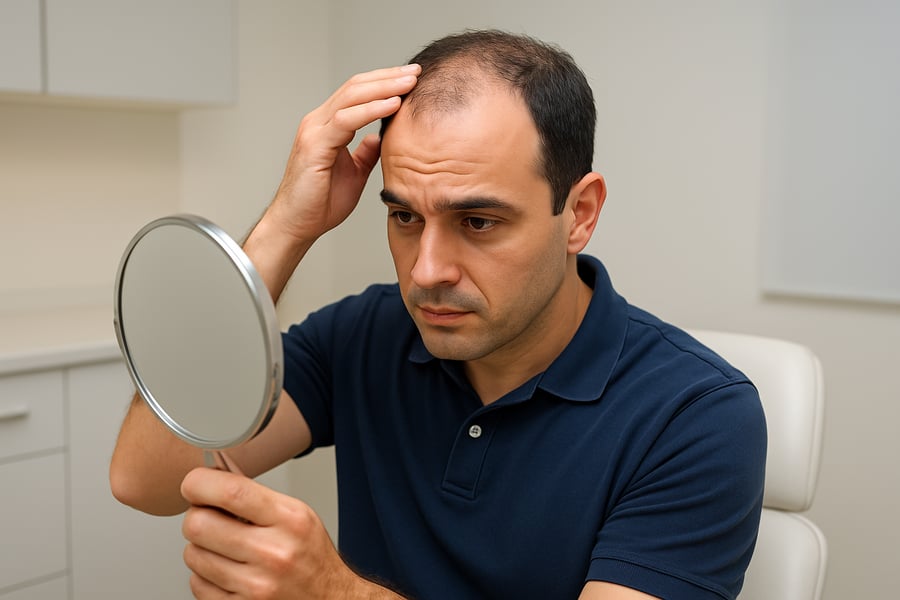
Comparing Turkey Hair Transplant Techniques: FUE vs DHI
Modern hair restoration at estethica Global relies on advanced techniques that prioritize patient comfort and natural-looking results. Follicular Unit Extraction (FUE) remains a gold standard in the industry, favored for its ability to harvest a high number of grafts without leaving a linear scar1. This minimally invasive approach allows surgeons to perform large-scale sessions efficiently, making it an ideal solution for extensive hair loss patterns3.
Direct Hair Implantation (DHI) introduces a specialized implanter pen that combines the channel creation and graft insertion into a single movement. This precision-focused method offers surgeons superior control over the angle and depth of each follicle, which is particularly beneficial when refining the hairline or increasing density in specific areas. While motorized FUE methods are often recognized for their speed during the harvesting phase2, DHI provides a refined placement process that minimizes the time grafts spend outside the body.
Patients often consider supplemental procedures, such as an eyebrow tattoo, to frame the face after achieving full scalp density. Experts at estethica Global assess individual scalp laxity, hair texture, and the total number of grafts required to recommend the most effective method. Choosing between these techniques depends on whether the priority is massive coverage or highly artistic, dense placement within a localized zone.
Why Choose Estethica Global for Your Hair Restoration Journey
Selecting a clinic for your turkey hair transplant requires careful evaluation of safety protocols and technological precision. estethica Global prioritizes patient welfare by integrating advanced diagnostic methods into every stage of the hair restoration process, ensuring that each candidate receives a tailored surgical plan. This dedication to clinical excellence helps maintain high graft survival rates and optimal aesthetic outcomes for both fue hair transplant and dhi hair transplant procedures.
Modern surgical techniques at estethica Global emphasize minimally invasive approaches to reduce recovery times and improve patient comfort. By using motorized extraction methods, the medical team achieves efficiency while avoiding the linear scarring associated with older techniques, a benefit supported by clinical research regarding graft viability and reduced postoperative pain1,3. This commitment to refined, data-backed methodologies ensures that patients receive care match international medical standards.
Expertise and Personalized Care
The medical team at estethica Global combines years of practical experience with a focus on natural-looking hairline design. Beyond standard hair restoration, the facility applies these same rigorous professional standards to specialized services like eyebrow tattoo applications, ensuring symmetry and long-term satisfaction. Every patient benefits from a thorough support system that manages the entire journey, from initial consultation through the final stages of the recovery phase.
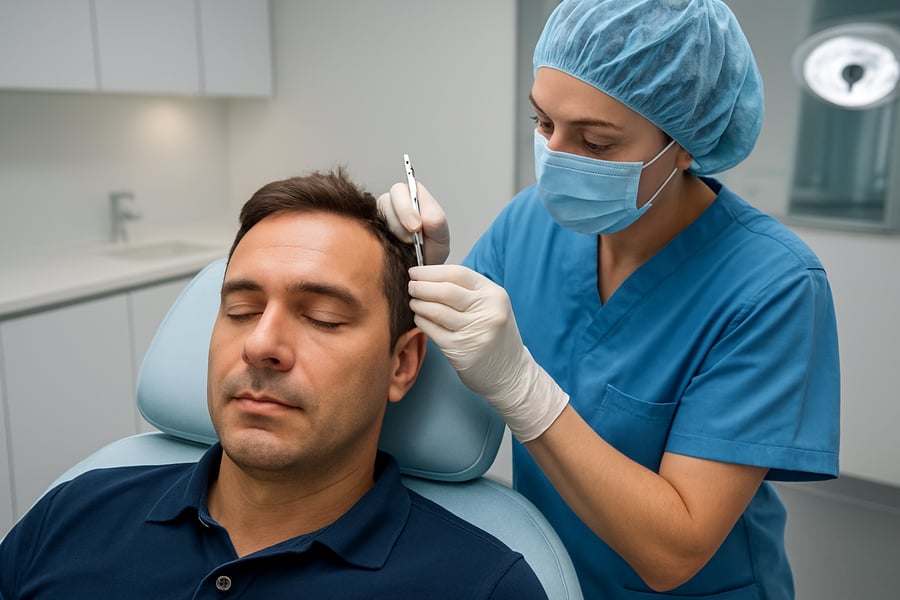
Expected Recovery Timeline and Post-Operative Care in Turkey
The recovery process following a hair transplant at estethica Global begins immediately after the procedure, with most patients experiencing minimal discomfort due to the minimally invasive nature of FUE hair transplant techniques1, 3. Patients typically observe mild swelling in the forehead area for the first three to five days, which subsides naturally as the scalp begins its initial healing phase. Returning to light daily routines is generally possible within one week, although protecting the newly implanted follicles from direct pressure or environmental stress remains a top priority during this time.
Adhering to the specific aftercare protocols provided by estethica Global ensures the highest possible graft survival rates and optimal scalp health. Patients must strictly follow the prescribed washing regimen to remove crusts and keep the donor and recipient areas clean, preventing infection while supporting the integration of the grafts3. While some individuals may inquire about aesthetic enhancements like eyebrow tattoo procedures, it is essential to allow the scalp to fully recover from the hair transplant before considering additional cosmetic treatments in the same region.
Long-Term Healing and Monitoring
Consistent follow-up assessments with the medical team at estethica Global are vital for tracking the transition of hair follicles through their growth cycles. Whether a patient undergoes a standard FUE or a DHI hair transplant, the integration of the follicles requires patience, as the initial transplanted hair typically sheds before new, permanent growth emerges. Professional clinical oversight during these months helps manage expectations and confirms that the scalp tissue is healing consistently with the anticipated post-operative milestones2.
Analyzing Real Hair Transplant Before and After Results
Evaluating clinical outcomes requires looking beyond immediate post-operative photos to understand the long-term density improvements provided by estethica Global. Patients undergoing a turkey hair transplant often notice that modern techniques like FUE hair transplant minimize scarring and provide a more natural, pain-free recovery compared to older surgical methods1, 3. By reviewing a portfolio of completed cases, prospective patients can see how graft placement directly influences the aesthetic density and overall coverage of the scalp.
Successful hair restoration relies on the precision of the surgeon, especially when comparing standard FUE hair transplant methods with advanced DHI hair transplant techniques. Motorized extraction tools allow surgeons at estethica Global to achieve high graft survival rates while keeping the process efficient and safe2. Beyond standard scalp procedures, some patients choose to complement their hair restoration with an eyebrow tattoo to frame the face and create a cohesive, rejuvenated appearance.
Managing Expectations for Long-Term Growth
Full maturity of the transplanted follicles typically takes up to twelve months, as the hair must progress through natural shedding and regrowth cycles. While early results show initial coverage, the final transformation becomes apparent as the hair strengthens and integrates with the existing texture of the patient's natural hair. estethica Global emphasizes that individual anatomical factors, such as the quality of the donor area, dictate the ultimate density and design potential of the hairline.

Technical Implementation of Follicular Unit Extraction
Patient Care, Safety, and Follow-up Protocols
Frequently Asked Questions
Who is not a suitable candidate for a follicular unit extraction procedure?
What specific aftercare steps are necessary to ensure a high graft survival rate?
How does the recovery timeline for this surgery compare to other hair restoration methods?
Are there common misconceptions regarding the long-term visibility of scars after the procedure?

Find the Best Hair Transplant Method for Your Hair Goals
Get a personalized evaluation from our clinical team to determine if FUE or other advanced techniques are right for you.
References
Superscript numbers in the content correspond to the references listed below.
- National Center for Biotechnology Information (NCBI), U.S. National Library of Medicine, National Institutes of Health (NIH) — Hair Transplantation - StatPearls - NCBI Bookshelf - NIH
- Journal of Dermatological Case Reports (via PMC - NIH) — Innovations in follicular unit extraction: The future of hair transplants | Journal of Dermatological Case Reports
- National Center for Biotechnology Information (NCBI), U.S. National Library of Medicine, National Institutes of Health (NIH) — Follicular Unit Extraction Hair Transplant - PMC - NIH