


Transform your look and boost your confidence with the ultimate guide to hair transplantation. Learn more!
Are you considering a hair transplantation procedure to combat thinning hair and revive your youthful appearance? Hair transplantation has become a popular solution for those seeking to restore hair density and volume. With numerous options and techniques available, choosing the right procedure and clinic is crucial to achieving the best results. In this comprehensive guide, we delve into everything you need to know about hair transplantation, from understanding the procedure to selecting a reputable clinic and ensuring optimal post-transplant care.
Understanding Hair Transplantation: What You Need to Know
Exploring Hair Transplant Techniques
Hair transplantation has evolved significantly with techniques like Follicular Unit Extraction (FUE), Direct Hair Implantation (DHI), and Sapphire FUE. Each method offers unique benefits, allowing patients to achieve natural-looking results with minimal downtime. For instance, FUE involves extracting individual hair follicles, which reduces scarring and speeds up recovery. DHI, on the other hand, uses a specialized tool to implant hair directly, offering precision and density. Sapphire FUE utilizes sapphire blades for incisions, enhancing accuracy and reducing tissue damage.
Key Benefits of Hair Transplant Techniques
- FUE minimizes visible scarring, making it ideal for short hairstyles.
- DHI provides high-density results, perfect for those seeking fuller hair.
- Sapphire FUE ensures precise incisions, reducing recovery time.
Choosing the right technique depends on individual needs and expectations. Consulting with a specialist can help determine the most suitable option for your hair restoration journey.
Steps to a Successful Hair Transplant
- Consultation: Discuss goals and evaluate scalp condition with a specialist.
- Preparation: Follow pre-surgery instructions to ensure optimal results.
- Procedure: Undergo the chosen technique with a qualified surgeon.
Post-procedure care is crucial for achieving the best outcomes. Adhering to aftercare instructions can significantly impact the success of the transplant.

Top Benefits of Hair Transplantation for Thinning Hair
Achieving Natural and Long-Lasting Results
Hair transplantation offers a permanent solution to hair thinning and baldness, unlike temporary fixes such as wigs or topical treatments. This procedure restores natural hair growth, with transplanted hair continuing to grow for a lifetime. Modern techniques ensure that the transplanted hair blends seamlessly with existing hair, creating a natural and aesthetic appearance.
Key Advantages of Hair Transplantation
- Permanent solution to hair loss, eliminating the need for continuous treatments.
- Natural-looking results that blend with existing hair.
- Increased confidence and improved self-image.
These benefits make hair transplantation a preferred choice for those seeking a lasting solution to hair thinning.
Steps to Ensure Successful Hair Transplantation
- Consult with a qualified specialist to assess suitability.
- Follow pre-procedure guidelines for optimal results.
- Adhere to post-procedure care instructions for successful recovery.
By following these steps, individuals can maximize the benefits of their hair transplantation and enjoy a fuller head of hair.
Choosing the Right Clinic: Key Factors to Consider
Evaluating Clinic Expertise and Technology
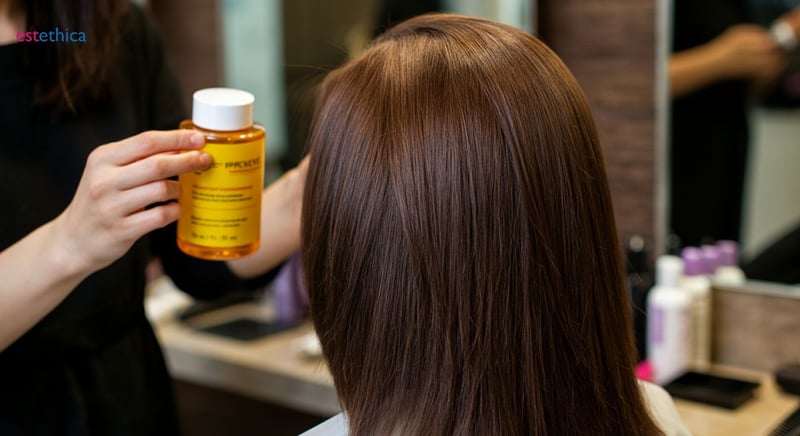
When selecting a clinic for hair transplantation, it's vital to assess the expertise of the professionals involved. Certified specialists with extensive experience in hair treatment can significantly influence the success of the procedure. For example, a clinic with a team that has performed thousands of successful transplants is more likely to deliver satisfactory results.
Additionally, the technology and techniques employed by the clinic are crucial. Advanced methods like Follicular Unit Extraction (FUE) and Direct Hair Implantation (DHI) are known for their precision and minimal recovery time. Clinics that invest in cutting-edge technology often provide superior outcomes, ensuring that the transplanted hair looks natural and blends seamlessly with existing hair.
Key Considerations for Choosing a Clinic
- Professional certifications and experience of the medical team.
- Use of advanced hair transplantation techniques and technology.
- Positive reviews and testimonials from previous patients.
These factors can help you make an informed decision, ensuring that you choose a clinic that meets your expectations and provides high-quality hair care.
Steps to Assess Clinic Quality
- Research the clinic's reputation and read patient reviews.
- Verify the qualifications and experience of the medical staff.
- Inquire about the technologies and techniques used in procedures.
By following these steps, you can ensure that you select a clinic that prioritizes patient safety and delivers excellent hair treatment results.
Post-Transplant Care: Essential Tips for Optimal Results
Effective Hair Care Practices Post-Transplant
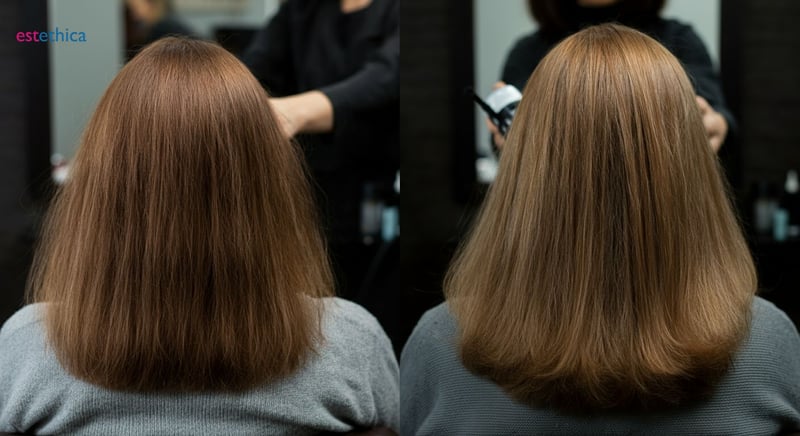
Post-transplant care is crucial for achieving optimal results and ensuring the longevity of the hair treatment. One of the primary considerations is to avoid direct sunlight, which can damage the sensitive scalp and newly transplanted hair follicles. Wearing a hat or using a protective umbrella can help mitigate this risk. Additionally, it's important to refrain from engaging in strenuous activities that might cause sweating, as this can affect the healing process.
Using specialized hair products designed for post-transplant care is another key aspect. These products often contain ingredients that promote healing and strengthen hair, such as biotin and keratin. Incorporating a gentle hair conditioner can also aid in maintaining scalp health and preventing dryness.
Recommended Post-Transplant Hair Care Products
- Biotin-enriched shampoos to strengthen hair follicles.
- Keratin-based conditioners for added moisture and protection.
- Natural hair remedies like aloe vera to soothe the scalp.
These products can support the recovery process and enhance the overall outcome of the hair transplant.
Steps to Monitor Post-Transplant Progress
- Schedule regular follow-ups with your healthcare provider to assess healing.
- Document any changes or concerns to discuss during appointments.
- Adjust hair care routines based on professional advice and observed progress.
By following these steps, individuals can ensure that they are on the right track towards achieving the best possible results from their hair transplant procedure.
Hair Care Tips: A Guide to Healthy and Shiny Hair
Innovative Hair Transplant Techniques: FUE, DHI, and Sapphire FUE
Comprehensive Post-Transplant Care for Optimal Hair Restoration
Frequently Asked Questions
What are the different hair transplant techniques available?
How can I ensure the best results from my hair transplant?
What factors should I consider when choosing a hair transplant clinic?
How does hair transplantation compare to other hair loss solutions?
What post-transplant hair care products are recommended?
Discover the path to your healthiest and most beautiful self with estethica's award-winning services. Call now for a free consultation and let our expert team guide you on your journey to wellness and aesthetic excellence.
📞 Call for Your Free Consultation Today!