

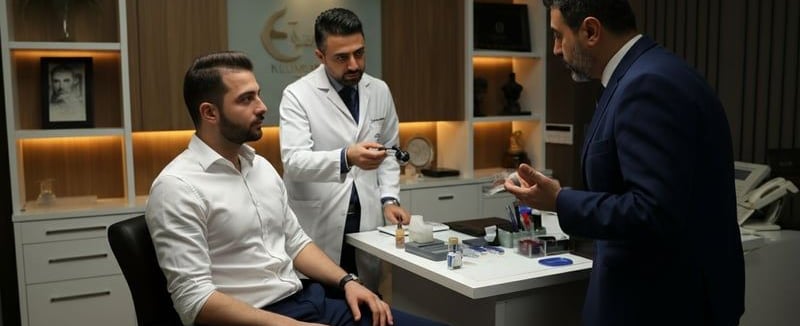
Join the thousands who have transformed their lives and rediscovered confidence with a natural-looking hair transplant.
In today’s fast-paced world, confidence plays a pivotal role in our personal and professional lives. Many individuals suffer from hair loss, impacting their self-esteem. Fortunately, hair transplant surgery offers a permanent solution to restore one’s hair and confidence. In this comprehensive guide, we explore everything you need to know about hair transplants, exploring the latest techniques, the preparation process for surgery, and essential post-operative care tips, with insights from estethica, a leader in healthcare solutions.
Understanding Hair Transplant: What You Need to Know
Key Techniques in Hair Transplantation
Hair transplantation has evolved significantly, offering various techniques to cater to individual needs. The two most prominent methods are Follicular Unit Extraction (FUE) and Direct Hair Implantation (DHI). Both techniques focus on minimally invasive procedures, ensuring natural-looking results and quick recovery times.
- FUE involves extracting individual hair follicles from the donor area and implanting them in the balding region. This method minimizes scarring and offers a natural hairline.
- DHI, on the other hand, uses a specialized tool to implant hair follicles directly, allowing for precise placement and density control.
- Both techniques are suitable for different hair types and levels of hair loss, providing flexibility in treatment options.
Choosing the right technique depends on various factors, including the extent of hair loss, hair type, and personal preferences. Consulting with a specialist can help determine the most suitable approach for optimal results.
Preparing for a Hair Transplant
Preparation is crucial for a successful hair transplant. Understanding the process and setting realistic expectations can significantly enhance the outcome. Here are some essential steps to consider before undergoing the procedure:
- Consultation: Schedule a detailed consultation with a qualified specialist to discuss your goals and assess your suitability for the procedure.
- Pre-Procedure Care: Follow the pre-procedure guidelines provided by your doctor, which may include avoiding certain medications and alcohol.
- Post-Procedure Planning: Arrange for post-procedure care and recovery time, ensuring you have support and a comfortable environment for healing.
By adequately preparing for the procedure, patients can improve their chances of achieving the desired results and enjoy a smoother recovery process.
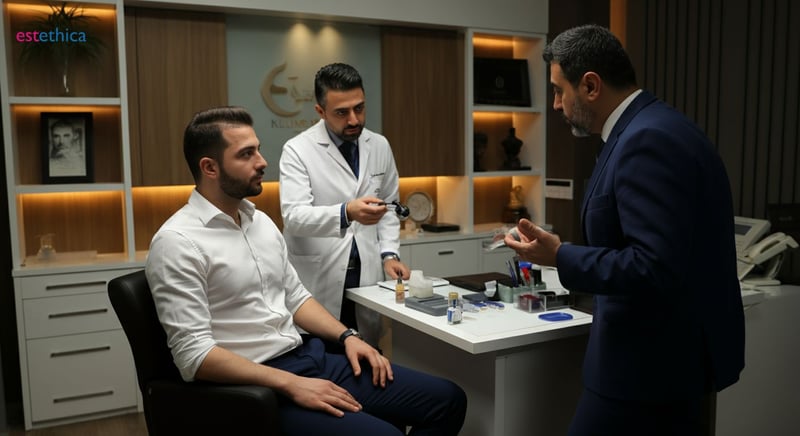
Top Techniques: Follicular Unit Extraction Explained
Advantages of Follicular Unit Extraction (FUE)
The Follicular Unit Extraction (FUE) technique is a revolutionary approach in hair transplant procedures, known for its minimally invasive nature. At estethica, the use of micro-punch tools ensures that the process leaves virtually no scars, making it a preferred choice for many seeking hair restoration. This method allows for the precise harvesting of individual follicles, which promotes a natural appearance post-surgery.
- Minimally invasive, reducing recovery time and discomfort.
- Leaves no linear scars, enhancing aesthetic outcomes.
- Allows for precise follicle placement, ensuring natural hair growth patterns.
These advantages make FUE a highly sought-after technique for those looking to restore their hair with minimal disruption to their daily lives.
The Role of Sapphire Blades in FUE
The introduction of Sapphire FUE has further enhanced the traditional FUE technique. By utilizing sapphire blades, this method reduces trauma to the scalp, promoting quicker recovery and better results. The precision of sapphire blades allows for smaller incisions, which not only minimizes scarring but also supports a denser hair implant.
- Initial Consultation: Assessing the suitability of Sapphire FUE for the patient.
- Procedure: Using sapphire blades for precise and minimally invasive follicle extraction.
- Recovery: Faster healing due to reduced trauma and smaller incisions.
Understanding these nuances of FUE, especially with the integration of sapphire blades, empowers patients to make informed decisions about their hair restoration journey, ensuring they choose the best method for their needs.
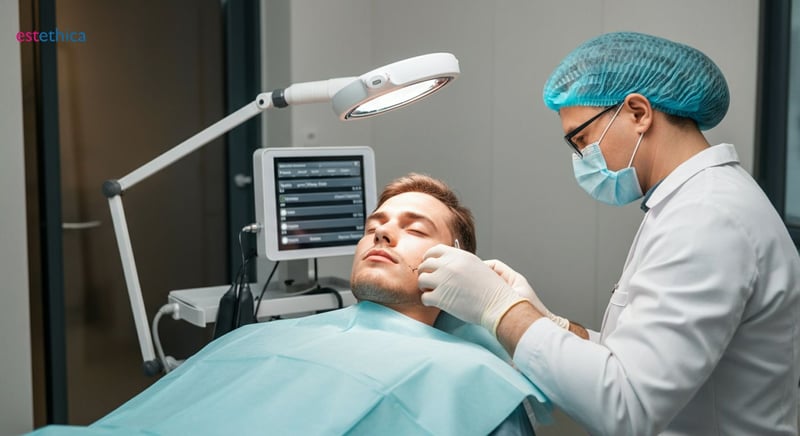
Preparing for Success: How to Get Ready for Surgery
Essential Lifestyle Adjustments for Optimal Recovery
Preparing for a hair transplant involves more than just understanding the procedure. It requires making specific lifestyle adjustments to ensure optimal recovery and results. One crucial step is to avoid alcohol and smoking, as these can impede healing and affect the success of the transplant. Additionally, maintaining a balanced diet rich in vitamins and minerals can support hair health and recovery.
- Alcohol and smoking cessation enhance blood circulation, crucial for healing.
- A nutrient-rich diet supports hair follicle strength and growth.
- Regular exercise boosts overall health, aiding recovery.
These lifestyle changes not only prepare the body for surgery but also contribute to long-term hair health, ensuring the transplant's success.
Steps to Align Expectations with Surgical Realities
Aligning expectations with surgical realities is vital for patient satisfaction. Pre-surgery consultations play a key role in this process, helping patients understand what to expect in terms of results and recovery. During these consultations, patients should discuss their goals and any concerns with their surgeon to gain a realistic perspective on the outcomes.
- Initial Consultation: Discuss goals and assess hair condition with a specialist.
- Expectation Management: Understand potential results and recovery timelines.
- Post-Surgery Plan: Develop a detailed recovery and care plan with your surgeon.
By thoroughly preparing and setting realistic expectations, patients can enhance their satisfaction with the hair transplant process, leading to more successful outcomes.

Post-Procedure Care: Essential Tips for Recovery
Innovative Post-Operative Therapies
Post-operative care is crucial for the success of a hair transplant. estethica's gold cream, a patented formula, plays a vital role in minimizing infection risks and accelerating healing. This cream is specifically designed to soothe the scalp and promote recovery, ensuring that the newly implanted hair follicles are well-protected during the initial healing phase.
- Laser treatments enhance blood circulation, supporting follicle growth.
- Ozone therapy strengthens hair follicles, reducing the risk of loss.
- Gold cream application reduces inflammation and promotes healing.
These therapies, combined with estethica's comprehensive post-procedure guidelines, provide patients with a structured recovery plan, ensuring optimal results and peace of mind.
Structured Recovery Plan for Optimal Results
Following a structured recovery plan is essential to maximize the benefits of a hair transplant. estethica provides detailed guidelines that cover various aspects of post-operative care, from medication schedules to lifestyle adjustments. Adhering to these guidelines helps patients avoid common pitfalls and ensures a smoother recovery process.
- Medication: Follow prescribed medication to prevent infection and manage pain.
- Hygiene: Maintain scalp cleanliness to support healing and prevent complications.
- Follow-Up: Attend scheduled follow-up appointments to monitor progress and address concerns.
By diligently following these steps, patients can enhance their recovery experience, leading to successful hair restoration and long-lasting results.
Additional Care and Considerations
Seasonal Hair Transplant Recovery Tips
Considering the seasons when recovering from a hair transplant is crucial. estethica provides tailored advice, highlighting the importance of protecting the scalp from harsh UV rays in the summer and moisturizing well during winter. Adhering to these seasonal tips optimizes the recovery process and the longevity of the hair transplant results.
- In summer, use a wide-brimmed hat to shield your scalp from direct sunlight.
- During winter, apply a gentle moisturizer to prevent dryness and flakiness.
- Adjust your hair care routine to accommodate seasonal changes, ensuring optimal scalp health.
By adapting your post-transplant care to the seasons, you can enhance the healing process and maintain the health of your new hair.
Understanding the Impact of Climate on Hair Restoration
Climate plays a significant role in the recovery and success of hair restoration. Humid environments can increase the risk of infection, while dry climates may lead to scalp irritation. Understanding these impacts allows patients to take proactive measures to protect their hair transplant investment.
- Identify your local climate conditions and their potential effects on your scalp.
- Implement protective measures, such as using humidifiers in dry areas or antibacterial products in humid regions.
- Consult with your specialist to tailor your post-operative care plan to your specific climate needs.
By considering climate factors, patients can better manage their recovery environment, ensuring the best possible outcomes for their hair restoration journey.
Innovative Hair Transplant Techniques: FUE and DHI
Structured Recovery Plans for Successful Hair Restoration
Frequently Asked Questions
What is a hair transplant and how does it work?
How should I prepare for a hair transplant surgery?
What are the advantages of Follicular Unit Extraction (FUE)?
What post-operative care is essential after a hair transplant?
How does climate affect hair restoration recovery?
Discover the path to your healthiest and most beautiful self with estethica's award-winning services. Call now for a free consultation and let our expert team guide you towards your aesthetic goals.
📞 Call for Your Free Consultation