


Explore the world of hair restoration with our comprehensive guide. Learn about hair transplant options, FUE techniques, recovery, and non-surgical treatments. Discover how estethica can help you achieve natural-looking hair restoration results.
Hair loss can be a distressing experience, impacting self-esteem and overall confidence. Fortunately, advancements in medical technology have made effective hair restoration a reality for many. This comprehensive guide delves into the world of hair transplantation, exploring the various causes of hair loss, the gold standard Follicular Unit Extraction (FUE) technique, the recovery process, and alternative non-surgical treatments. Whether you're just beginning to research your options or are ready to take the next step, this guide provides valuable insights to help you make informed decisions about your hair restoration journey. At estethica, we are committed to providing cutting-edge hair transplant solutions with a focus on patient safety and natural-looking results. Our expert team utilizes the latest techniques, including FUE, DHI, and Sapphire FUE, to deliver personalized treatments tailored to your unique needs. Discover how estethica can help you restore your hair and confidence.Understanding Hair Loss: Identifying the Root Causes
Unveiling the Myriad Causes of Hair Loss
Hair loss, medically termed alopecia, arises from a complex interplay of factors, emphasizing the importance of a precise diagnosis for effective hair restoration. Androgenetic alopecia, a common hereditary condition affecting both men and women, leads to gradual hair thinning. Hormonal shifts, such as those occurring during pregnancy or thyroid imbalances, can also significantly impact hair growth. Medical conditions, including alopecia areata, an autoimmune disorder, and telogen effluvium, often triggered by stress, may result in temporary or permanent hair shedding. Nutritional deficiencies, particularly in iron, zinc, and vitamin D, play a crucial role in maintaining hair health. Certain medications, including chemotherapy drugs and blood thinners, can also contribute to hair loss as a side effect. Identifying the specific cause is paramount for determining the most suitable hair loss treatment. At estethica, our team of specialists conducts comprehensive evaluations to pinpoint the underlying cause of your hair loss, tailoring a personalized treatment strategy to meet your unique requirements. We take into account your medical background, lifestyle, and hair characteristics to ensure optimal hair transplant results.
Diagnostic Approaches for Hair Loss Conditions
Determining the precise cause of hair loss involves a multi-faceted approach. A detailed medical history, including family history of hair loss and any existing medical conditions, is essential. Physical examinations, such as assessing the pattern and extent of hair loss, provide valuable clues. Blood tests may be conducted to evaluate hormone levels, thyroid function, and nutritional deficiencies. In some cases, a scalp biopsy may be necessary to examine the hair follicles under a microscope. These diagnostic measures are crucial for differentiating between various types of alopecia and guiding appropriate hair loss treatment strategies. estethica employs state-of-the-art diagnostic tools to ensure accurate assessments and personalized treatment plans. For instance, androgenetic alopecia affects approximately 50% of men over the age of 50. Our approach considers individual factors, such as age, ethnicity, and lifestyle, to optimize treatment outcomes, whether it involves hair transplant or non-surgical interventions.
Follicular Unit Extraction (FUE): The Gold Standard in Hair Transplant
The Advantages of FUE in Modern Hair Restoration
Follicular Unit Extraction (FUE) has become a cornerstone in hair transplant procedures, distinguished by its minimally invasive approach and natural-looking results. Unlike Follicular Unit Transplantation (FUT), FUE involves the extraction of individual follicular units directly from the donor area, eliminating the need for a linear incision. This technique significantly reduces scarring, making it an appealing option for those seeking a discreet solution to hair loss treatment. The precision of FUE allows for meticulous placement of grafts, ensuring a natural hairline and enhanced hair density. At estethica, we leverage advanced FUE methods, including Sapphire FUE, which utilizes sapphire crystal blades to minimize trauma and maximize graft survival. FUE is particularly effective for addressing androgenetic alopecia, a common cause of hair loss affecting both men and women. The benefits of FUE extend to faster recovery times and reduced post-operative discomfort compared to traditional methods. In fact, studies show that FUE patients experience up to 50% less post-operative pain.
Step-by-Step Overview of the FUE Procedure
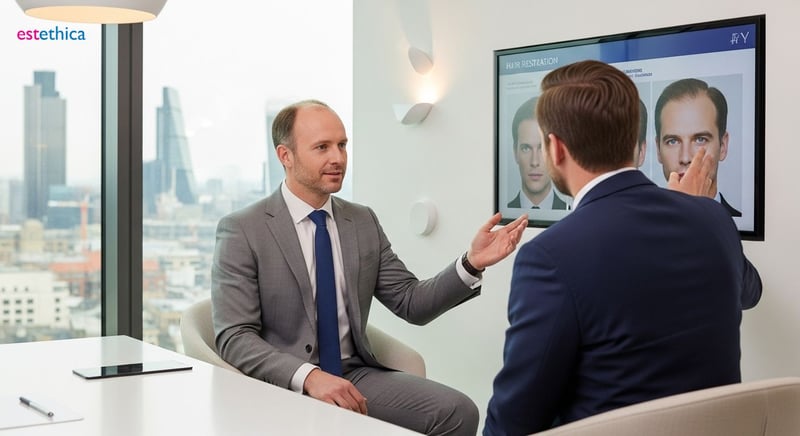
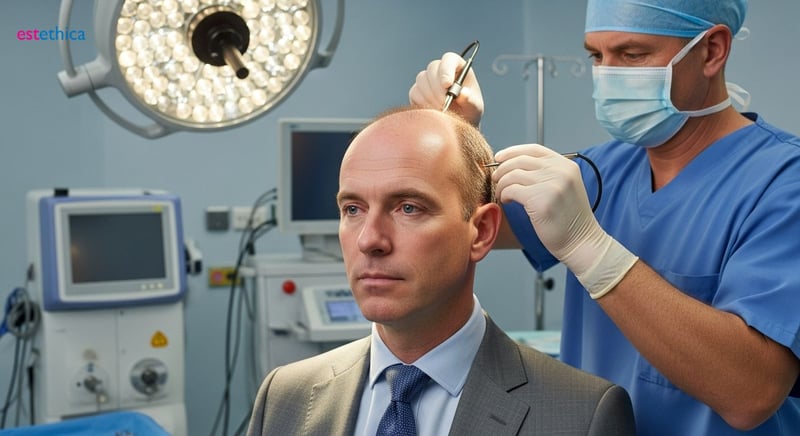
The FUE hair transplant procedure involves several key steps, beginning with a detailed consultation and scalp assessment. The donor area, typically the back or sides of the scalp, is carefully prepared and anesthetized to ensure patient comfort. Using a specialized micro-punch tool, individual follicular units are extracted one by one. These units are then meticulously prepared and stored in a holding solution to maintain their viability. The recipient area, where hair restoration is needed, is also anesthetized and prepared to receive the grafts. Finally, the extracted follicular units are carefully transplanted into the recipient area, paying close attention to angle, depth, and spacing to create a natural-looking hairline and optimal hair density. estethica’s skilled surgeons ensure each step is performed with precision and care, optimizing graft survival and aesthetic outcomes. This comprehensive approach makes FUE an excellent choice for those seeking a permanent and natural solution to hair loss.
- Minimally Invasive: FUE's extraction method avoids large incisions, leading to reduced scarring and faster healing, ideal for those seeking discreet hair restoration.
- Natural Results: Precise graft placement ensures a natural-looking hairline and improved hair density, crucial for patient satisfaction.
- Advanced Techniques: estethica employs Sapphire FUE, enhancing precision and minimizing scalp trauma, resulting in better graft survival.
- Consultation and Assessment: Detailed evaluation to determine candidacy and plan the procedure.
- Extraction: Individual follicular units are carefully extracted from the donor area using micro-punch tools.
- Transplantation: Grafts are meticulously placed in the recipient area to achieve a natural and dense hairline.
Navigating Hair Transplant Recovery: Maximizing Your Results
Essential Post-Operative Care for Optimal Hair Growth
The period following a hair transplant is critical for ensuring the successful integration of grafts and achieving the best possible outcomes. Immediately post-procedure, patients may experience tenderness and swelling, which typically diminishes within a few days. Adhering strictly to your surgeon's post-operative guidelines is vital to minimize potential complications and promote effective healing. This includes refraining from strenuous activities, carefully washing your hair with a gentle shampoo, and taking any prescribed medications to prevent infection and alleviate inflammation. Protecting the transplanted area from direct sun exposure and avoiding any scratching or picking at scabs that form is also essential. The transplanted hair follicles will naturally shed within the initial weeks, which is a normal and expected part of the process. New hair growth typically begins within 3-4 months, with noticeable improvements visible within 6-12 months.
Maximizing Results with Comprehensive Aftercare
At estethica, we are committed to providing comprehensive post-operative care and detailed guidance to help you navigate the hair transplant recovery time effectively and maximize your results. Our dedicated team is readily available to address any questions or concerns you may have throughout the recovery period. We also offer supportive treatments such as PRP (Platelet-Rich Plasma) therapy, which can stimulate hair growth and accelerate the healing process. For example, avoiding smoking during the recovery phase can significantly improve graft survival rates. Maintaining a healthy diet rich in vitamins and minerals supports overall hair restoration. Furthermore, gentle scalp massages, as directed by our specialists, can enhance blood circulation and promote hair density. Consistent follow-up appointments with our team ensure that your recovery is on track and any potential issues are promptly addressed.
- Gentle Hair Care: Use mild, recommended shampoos to cleanse the scalp without disrupting the newly transplanted grafts.
- Sun Protection: Shield the treated area from direct sunlight to prevent damage and promote healthy healing.
- Healthy Lifestyle: Maintain a balanced diet and avoid smoking to support optimal hair growth and overall well-being.
- Initial Days: Focus on rest and gentle care to minimize swelling and discomfort.
- Weeks 2-4: Expect some shedding of transplanted hair, which is a normal part of the process.
- Months 3-12: Notice gradual hair growth, with full results visible within a year.
Beyond the Scalpel: Exploring Non-Surgical Hair Loss Treatments
Exploring Non-Invasive Options for Hair Restoration
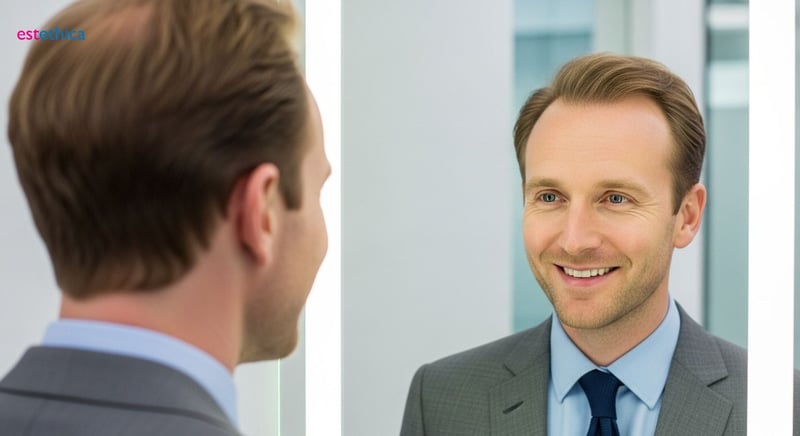
While a hair transplant offers a lasting solution, numerous non-surgical hair loss treatments can effectively slow down hair thinning, encourage hair growth, and enhance hair density. These treatments are particularly beneficial for those who may not be suitable candidates for surgery or prefer less invasive methods. Minoxidil, a topical solution, stimulates hair growth by improving blood flow to the scalp. Finasteride, an oral medication, reduces the production of DHT, a hormone that contributes to hair loss. Low-level laser therapy (LLLT) uses laser light to stimulate hair follicles. Platelet-Rich Plasma (PRP) therapy involves injecting concentrated platelets from your blood into the scalp to promote hair growth. Scalp micropigmentation (SMP) creates the illusion of fuller hair by tattooing tiny dots on the scalp. At estethica, we offer a wide range of non-surgical options to address various types and stages of hair loss. Approximately 40% of women experience noticeable hair loss by age 40. Our dermatologists assess your needs and recommend the best treatment plan to help you reach your hair restoration goals. We also provide guidance on lifestyle adjustments and nutritional supplements to support hair health.
Understanding the Benefits of Non-Surgical Hair Loss Treatments
Non-surgical hair loss treatments offer several advantages, making them a popular choice for many individuals. These treatments are typically less invasive than surgical options, involving minimal to no downtime. This allows patients to resume their daily activities almost immediately. For example, treatments like minoxidil and finasteride can be easily incorporated into a daily routine. Non-surgical options can also be used in conjunction with surgical procedures like FUE hair transplant to enhance overall results. Furthermore, these treatments can be tailored to address specific types of hair loss, such as androgenetic alopecia or alopecia areata. At estethica, our specialists carefully evaluate each patient's condition to determine the most appropriate and effective non-surgical treatment plan. A study showed that LLLT can increase hair density by up to 35% in some individuals. We also emphasize the importance of a holistic approach, combining medical treatments with lifestyle and nutritional recommendations to optimize hair restoration.
- Minoxidil: Topical solution enhancing blood flow to the scalp, promoting hair growth, and improving hair density.
- Finasteride: Oral medication reducing DHT production, effectively slowing down hair loss, and preserving existing hair.
- Low-Level Laser Therapy (LLLT): Stimulates hair follicles with laser light, encouraging hair growth and overall scalp health.
- Initial Consultation: Comprehensive assessment to determine the cause and extent of hair loss.
- Personalized Treatment Plan: Tailoring non-surgical treatments to meet individual needs and goals.
- Ongoing Support: Providing guidance on lifestyle modifications and nutritional supplements to enhance results.
Understanding Hair Transplant: A Comprehensive Guide
Sapphire FUE and DHI Techniques Deliver Natural-Looking Hair Restoration
estethica employs advanced FUE methods, including Sapphire FUE, utilizing sapphire crystal blades to minimize trauma and maximize graft survival. The precision of FUE allows for meticulous placement of grafts, ensuring a natural hairline and enhanced hair density. DHI (Direct Hair Implantation) technique is also utilized for precise and natural-looking results.
estethica's team of specialists conducts comprehensive evaluations to pinpoint the underlying cause of hair loss, tailoring a personalized treatment strategy to meet unique requirements. The medical background, lifestyle, and hair characteristics of each patient are taken into account to ensure optimal hair transplant results. Skilled surgeons ensure each step is performed with precision and care, optimizing graft survival and aesthetic outcomes.
Comprehensive Care and Advanced Techniques Ensure Successful Hair Restoration Outcomes
estethica prioritizes patient safety and health without compromising ethical values, ensuring a transparent and accessible healthcare experience. The hospital uses the latest technologies and innovative methods, including laser devices and PRP kits, to make treatment processes more effective and safe. A holistic approach is emphasized, combining medical treatments with lifestyle and nutritional recommendations to optimize hair restoration.
Patients at estethica benefit from world-class technological devices and expert doctor staff in dental aesthetics and modern techniques in hair transplantation. The hospital provides comprehensive post-operative care, ensuring successful integration of grafts and the best possible outcomes. Dedicated teams address any questions or concerns throughout the recovery period, ensuring patient satisfaction.
Frequently Asked Questions
What is FUE hair transplant and how does it work?
What are the expected hair transplant results and recovery time?
Are there non-surgical hair loss treatments available?
How does Sapphire FUE differ from traditional FUE hair transplant?
Is hair transplant a suitable option for women experiencing hair loss?
Achieve your aesthetic goals with estethica's personalized treatment plans and expert care.
📞 Book Your Free Consultation!