


Explore teeth implants: from single tooth solutions to full mouth restoration and the science of osseointegration. Discover your perfect smile today!
Discover the transformative power of dental implants and unlock your perfect smile. This comprehensive guide explores everything from dental implants for missing teeth to understanding the science behind osseointegration. Whether you're considering full mouth restoration with All-on-4 implants or curious about the longevity of these dental solutions, this guide provides insights into every aspect. Embrace the future of dental care and restore both function and aesthetics with our detailed overview.
Dental Implants for Missing Teeth: Restoring Function and Aesthetics
Understanding the Longevity and Benefits of Osseointegration in Teeth Implants
Dental implants offer a robust and lasting solution for those seeking to replace missing teeth. The success of teeth implants hinges on osseointegration, a biological process where the titanium implant fuses directly with the jawbone. This fusion provides a stable and durable foundation, mimicking the function of natural tooth roots. Unlike other tooth replacement options such as dental bridges or dentures, dental implants prevent bone loss by stimulating the jawbone through chewing and biting forces. This stimulation is crucial for maintaining facial structure and preventing the sunken appearance that can occur with prolonged tooth loss.
The advantages of dental implants extend beyond aesthetics. They improve speech, as there are no slipping dentures to mumble or slur words. They also allow for a wider variety of foods to be eaten comfortably, without the restrictions often associated with dentures. Moreover, dental implants are cared for just like natural teeth, requiring regular brushing, flossing, and dental check-ups. This ease of maintenance, combined with their durability, makes dental implants a preferred choice for many seeking a permanent solution to missing teeth. The integration of technology like elos scanbody and smartpeg osstell can further enhance the precision and success of implant procedures, ensuring optimal fit and function.
- Enhanced Stability: Osseointegration ensures a firm bond between the implant and jawbone, providing unmatched stability compared to other tooth replacement options.
- Preservation of Jawbone: Implants stimulate the jawbone, preventing bone loss and maintaining facial structure, a key benefit over dentures or bridges.
- Improved Functionality: Dental implants restore natural chewing ability, allowing individuals to enjoy a varied diet without discomfort.
Exploring Options and Procedures for Full Mouth Dental Implants
For individuals with multiple missing teeth, full mouth dental implants offer a comprehensive solution to restore both function and aesthetics. The All-on-4 dental implants technique is a popular approach, utilizing just four implants to support an entire arch of prosthetic teeth. This method reduces the need for bone grafting in many cases, making it a quicker and less invasive option compared to traditional full mouth dental implant procedures. The strategic placement of the implants ensures maximum stability and support for the prosthetic teeth, providing a natural-looking and fully functional smile.
The process for full mouth dental implants typically involves a thorough evaluation, including X-rays and 3D scans, to assess bone density and determine the optimal placement of the implants. A surgical procedure is then performed to insert the titanium posts into the jawbone. After a healing period, during which osseointegration occurs, the prosthetic teeth are attached to the implants. Modern advancements in implant dentistry, such as biocompatible dental implants, further enhance the success and longevity of these procedures. These implants are designed to minimize the risk of allergic reactions and promote better integration with the surrounding tissues. For those considering full mouth restoration, consulting with a qualified implant dentist is crucial to determine the most suitable treatment plan.
- Initial Consultation: Comprehensive evaluation including X-rays and 3D scans to assess bone density and plan implant placement.
- Implant Placement: Surgical insertion of titanium posts into the jawbone, often utilizing techniques like All-on-4 for full arch restoration.
- Prosthetic Attachment: After osseointegration, custom-designed prosthetic teeth are securely attached to the implants, restoring full functionality and aesthetics.

Implant Dentistry: Exploring the Science Behind Osseointegration
The Biological Basis of Osseointegration for Dental Implants
Osseointegration is the direct structural and functional connection between living bone and the surface of a load-bearing artificial implant. This process is pivotal for the long-term success of dental implants, as it ensures the implant becomes a stable part of the jawbone. The surface characteristics of the implant, typically made of titanium, play a crucial role in promoting osseointegration. These surfaces are often treated to enhance their biocompatibility and encourage bone cells to attach and grow. Understanding the intricacies of osseointegration is essential for dentists to optimize implant placement and ensure lasting results.
The process begins immediately after the implant is placed in the jawbone. Blood clots form around the implant, and bone cells migrate to the implant surface. These cells then differentiate into osteoblasts, which are responsible for forming new bone tissue. Over time, the new bone grows and remodels around the implant, creating a strong and stable bond. Factors such as the patient's overall health, bone density, and oral hygiene can affect the rate and quality of osseointegration. Techniques like using an elos scanbody for precise implant placement and monitoring implant stability with smartpeg osstell can further enhance the osseointegration process.
- Surface Treatment: Enhances biocompatibility, promoting faster and more effective bone cell attachment and growth.
- Bone Remodeling: Gradual process where new bone tissue forms and strengthens around the implant, ensuring long-term stability.
- Patient Health Factors: Overall health, bone density, and oral hygiene significantly impact the success and speed of osseointegration.
Factors Influencing the Success of Osseointegration in Implant Dentistry
Several factors can influence the success of osseointegration, including the surgical technique used, the design and material of the implant, and the patient's health. Aseptic surgical techniques are crucial to prevent infection, which can hinder the osseointegration process. The implant's design, including its shape and surface area, also plays a significant role in promoting bone growth. Additionally, the material used, typically titanium or its alloys, must be biocompatible to minimize the risk of rejection or inflammation. Conditions such as diabetes or smoking can impair the body's ability to heal, potentially affecting osseointegration.
Maintaining excellent oral hygiene is essential for the long-term success of dental implants. Regular brushing, flossing, and professional cleanings help prevent peri-implantitis, an inflammatory condition that can lead to bone loss around the implant. Furthermore, advancements in implant dentistry, such as the use of biocompatible dental implants and techniques like All-on-4 dental implants, have significantly improved the success rates of osseointegration. These innovations provide more options for patients with varying degrees of bone loss and health conditions. Ultimately, a comprehensive approach that considers all these factors is necessary to ensure the best possible outcome for dental implant procedures. The integration of technologies like elos scanbody and smartpeg osstell helps in accurately assessing and maintaining implant stability, contributing to long-term success.
- Surgical Precision: Proper technique and aseptic conditions minimize infection risk, crucial for successful osseointegration.
- Material Biocompatibility: Titanium implants reduce rejection, promoting healthy bone integration.
- Oral Hygiene Maintenance: Regular care prevents peri-implantitis, ensuring long-term implant stability and health.
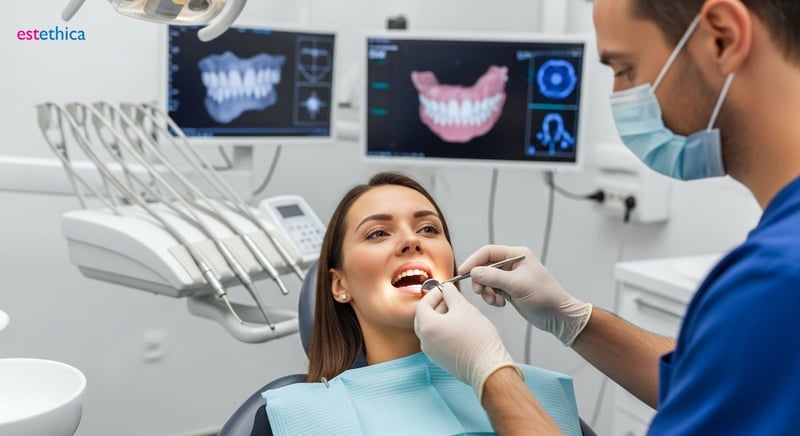
All-on-4 Dental Implants: A Revolutionary Approach to Full Mouth Restoration
Exploring the Advantages of All-on-4 Dental Implants for Full Mouth Rehabilitation
All-on-4 dental implants represent a significant advancement in full mouth restoration, offering a streamlined and efficient alternative to traditional implant methods. This technique involves placing just four dental implants in either the upper or lower jaw to support a full arch of replacement teeth. The strategic placement of these implants, with two positioned vertically in the front and two angled in the back, maximizes the use of available bone. This often eliminates the need for bone grafting, a procedure commonly required with traditional implants, making All-on-4 a more accessible option for individuals with bone loss. The result is a stable, functional, and aesthetically pleasing set of teeth that can be achieved in a shorter timeframe.
One of the key benefits of All-on-4 dental implants is the reduced recovery time. Because the procedure is less invasive than traditional full mouth implant techniques, patients typically experience less discomfort and swelling. In many cases, a temporary set of teeth can be attached to the implants on the same day, allowing patients to leave the dental office with a functional smile. This immediate improvement can significantly boost confidence and quality of life. The long-term success of All-on-4 dental implants depends on proper oral hygiene and regular dental check-ups. With proper care, these implants can provide a durable and reliable solution for full mouth rehabilitation, restoring both function and aesthetics.
- Reduced Need for Bone Grafting: Strategic implant placement often eliminates the need for bone grafting, making the procedure more accessible.
- Shorter Recovery Time: Less invasive than traditional methods, resulting in reduced discomfort and faster healing.
- Immediate Results: Temporary teeth can often be attached on the same day, providing an immediate improvement in smile and function.
Understanding the Procedure and Maintenance of All-on-4 Dental Implants
The All-on-4 dental implants procedure begins with a comprehensive evaluation to determine if a patient is a suitable candidate. This typically involves a thorough examination, X-rays, and 3D scans to assess bone density and identify any potential issues. If All-on-4 is deemed appropriate, the next step is the surgical placement of the four implants. The back implants are strategically angled to maximize contact with the bone, providing a strong and stable foundation for the replacement teeth. After the implants are placed, a period of healing is required to allow osseointegration to occur, where the implants fuse with the jawbone.
Maintaining All-on-4 dental implants is similar to caring for natural teeth. Regular brushing and flossing are essential to prevent plaque buildup and maintain gum health. Special attention should be paid to cleaning around the base of the implants to avoid peri-implantitis, an inflammation of the tissues surrounding the implants. Regular check-ups with a dental professional are also crucial to monitor the health of the implants and ensure they are functioning properly. With proper care and maintenance, All-on-4 dental implants can provide a long-lasting and effective solution for full mouth restoration. The use of technologies like elos scanbody and smartpeg osstell can aid in precise placement and monitoring of implant stability, contributing to the overall success of the procedure.
- Comprehensive Evaluation: Thorough examination, X-rays, and 3D scans to assess suitability and plan implant placement.
- Strategic Implant Placement: Surgical placement of four implants, with angled back implants for maximum bone contact.
- Regular Maintenance: Consistent brushing, flossing, and professional check-ups to ensure long-term implant health.

How Long Do Dental Implants Last? Factors Affecting Longevity
Factors Influencing the Lifespan of Teeth Implants
Dental implants, including Teeth Implants, are designed as a durable solution for missing teeth, but their longevity varies. Excellent oral hygiene practices, like regular brushing and flossing, play a crucial role in maintaining their condition. Consistent dental visits for check-ups and professional cleaning are also essential. Avoiding detrimental habits, such as smoking or excessive alcohol consumption, can further extend the lifespan of dental implants. With proper care, dental implants can provide a lifetime of functionality, surpassing the durability of conventional dentures or bridges. Understanding these factors is essential for anyone considering dental implants as a permanent remedy for tooth loss.
The success and longevity of dental implants are influenced by several factors, including the patient's overall health, bone density, and lifestyle choices. Patients with good general health and sufficient bone density tend to experience better outcomes. Lifestyle choices such as maintaining a balanced diet and avoiding smoking are crucial. Regular dental check-ups and professional cleanings are vital to prevent peri-implantitis, a condition that can lead to implant failure. The use of advanced technologies such as elos scanbody and smartpeg osstell can further enhance the precision and success of implant procedures, ensuring optimal fit and function.
- Oral Hygiene: Consistent brushing and flossing prevent plaque buildup and maintain gum health, crucial for implant longevity.
- Regular Check-ups: Professional cleanings and check-ups help detect and address potential issues early, preventing complications.
- Lifestyle Choices: Avoiding smoking and maintaining a balanced diet support overall health, enhancing implant success.
The Role of Implant Dentistry in Ensuring Long-Term Success
Implant dentistry plays a pivotal role in ensuring the long-term success of dental implants. Skilled implant dentists assess each patient’s unique needs and develop personalized treatment plans. They use advanced techniques and technologies to ensure accurate implant placement and optimal osseointegration. Regular follow-up appointments are crucial to monitor the health of the implants and address any potential issues promptly. Implant dentistry also encompasses educating patients on proper oral hygiene practices and lifestyle choices that can impact the lifespan of their implants. This comprehensive approach significantly contributes to the durability and functionality of dental implants.
The long-term success of dental implants also depends on the quality of materials used and the precision of the surgical procedure. High-quality titanium implants are biocompatible and promote osseointegration, ensuring a strong and stable bond with the jawbone. Advanced imaging techniques, such as 3D scans, allow dentists to plan the implant placement with great accuracy, minimizing the risk of complications. Furthermore, ongoing research and advancements in implant dentistry continue to improve the techniques and materials used, enhancing the longevity and success rates of dental implants. The integration of technologies like elos scanbody and smartpeg osstell helps in accurately assessing and maintaining implant stability, contributing to long-term success.
- Personalized Treatment Plans: Tailored plans based on individual needs and conditions, ensuring optimal implant placement and success.
- Advanced Techniques: Use of cutting-edge technology and methods to enhance precision and minimize complications.
- Ongoing Monitoring: Regular follow-up appointments to assess implant health and address any potential issues promptly.
Elos Scanbody and Smartpeg Osstell Integration Enhancing Dental Implant Precision
estethica integrates advanced technologies like elos scanbody for precise implant placement and smartpeg osstell for monitoring implant stability, ensuring optimal fit and function. These technologies enhance the accuracy of dental implant procedures, leading to improved patient outcomes and long-term implant success.
estethica’s dental aesthetic services are delivered by an expert team of doctors using world-class technological devices. The clinic specializes in dental implants, utilizing cutting-edge techniques to ensure optimal results. estethica's commitment to innovation ensures patients receive the most advanced and effective treatments available.
Comprehensive Evaluation Process Ensures Dental Implant Success
estethica prioritizes patient safety and health by conducting thorough evaluations, including X-rays and 3D scans, to assess bone density and plan implant placement. This comprehensive approach ensures personalized treatment plans and optimal implant placement, minimizing the risk of complications and maximizing long-term success. Regular follow-up appointments are crucial to monitor the health of the implants and address any potential issues promptly.
estethica aims to maximize patient and their relatives satisfaction by providing professional and experienced personnel to minimize errors in services. estethica's mission is to provide accessible and transparent healthcare, ensuring patients receive the best possible care and achieve lasting results.
Frequently Asked Questions
What are dental implants and how do they work?
What is the All-on-4 dental implants technique?
How does osseointegration contribute to the success of teeth implants?
What factors affect the longevity of dental implants?
What are the benefits of choosing dental implants over dentures or bridges?
Achieve your aesthetic goals with estethica's world-class services and expert care.
📞 Book Your Free Consultation!