


Rediscover your smile with cutting-edge dental implants!
Discover how teeth implants are redefining dental restoration. Explore the modern advancements in implant dentistry and the transformative impact of teeth implants on smiles worldwide.
The Evolution of Implant Dentistry: A Modern Marvel
The Art and Science Behind Implant Dentistry
Implant dentistry represents a harmonious blend of artistic skill and scientific precision. Dental professionals carefully assess each patient's unique needs, considering factors like bone density and aesthetic goals to craft personalized treatment plans. The success of dental implants hinges on a deep understanding of biomechanics and tissue integration, a process known as osseointegration. This fusion of art and science aims to restore not just function but also the natural beauty of a patient's smile. Modern technology plays a vital role, allowing for minimally invasive procedures and predictable outcomes.
The dental industry is continually adopting new materials and methods that provide alternatives, expanding the options available for patients seeking teeth implants. For example, custom abutments allow for perfect adaptation to the patient's anatomy ensuring optimum aesthetic results. Advances in bone grafting techniques enable patients with insufficient bone volume to become candidates for dental implants. These continuous improvements affirm the dedication of implant dentistry to provide solutions that are both effective and visually appealing.
Key Innovations in Implant Dentistry
- Digital Treatment Planning: Utilizes 3D imaging and CAD/CAM technology to precisely plan implant placement, minimizing surgical invasiveness.
- Advanced Materials: Incorporates biocompatible materials like zirconia and titanium, which improve osseointegration and reduce allergic reactions.
- Guided Surgery: Employs surgical guides created from digital scans to ensure accurate implant placement, enhancing predictability.
These advancements in the field of dental implants help offer quicker recovery periods and a decreased rate of problems after surgery. By improving precision and lessening discomfort, dental implant surgery has become more patient-friendly.

Dental Implants Before and After: Real Transformations Revealed
The Visual Impact of Dental Implants
Patients often experience a significant change following dental implants, notably in their appearance, confidence, and overall oral health. This transformation includes enhanced facial structure, where implants support the cheeks and lips, preventing the sunken look that can occur after tooth loss. For individuals self-conscious about gaps in their smile, dental implants provide a seamless, natural-looking solution that boosts self-esteem.
Dental implants also play a crucial role in preserving jawbone integrity, which tends to deteriorate after tooth extraction. When natural teeth are lost, the jawbone no longer receives stimulation, leading to bone resorption. Implants act as artificial tooth roots, providing the necessary stimulation to maintain bone density. Additionally, dental implants greatly improve the ability to chew and speak clearly, enabling patients to enjoy a wider range of foods and communicate confidently. For example, you will be able to consume normally and comfortably after dental implants with Implant Dentistry. Before-and-after photos showcase the enhancements achievable through this transformative procedure.
Key Benefits Showcased in Transformation
- Improved Chewing Function: Enables patients to enjoy hard foods without discomfort, enhancing their overall nutrition.
- Enhanced Aesthetics: Provides a natural-looking smile, thus boosting self-confidence and social interactions.
- Jawbone Preservation: Stimulates bone growth, preventing bone loss and maintaining facial structure.
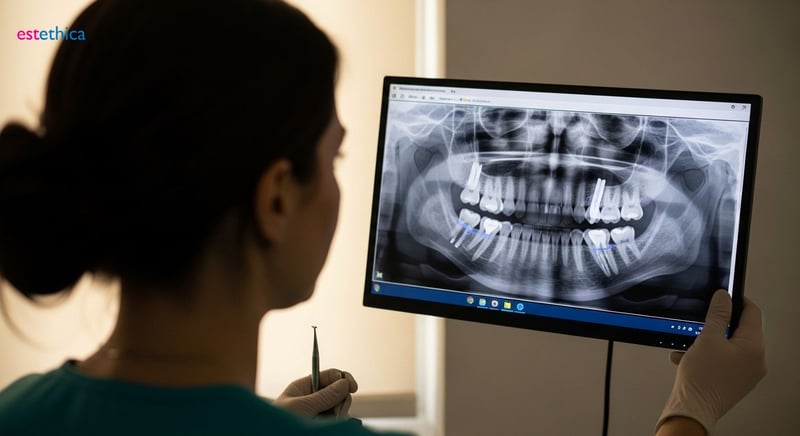
Osseointegration: The Science Behind Successful Dental Implants
Understanding the Osseointegration Process
Osseointegration is the cornerstone of successful dental implants, representing a biological process where bone cells directly attach to the surface of an implanted material. First discovered by Professor Per-Ingvar Brånemark, this phenomenon allows dental implants, often made of titanium or zirconia, to become a stable, functional part of the jaw. The implant's surface is designed to encourage bone cells to migrate and adhere to it, creating a strong and lasting bond. Factors such as the patient's overall health, bone density, and surgical technique significantly influence the success of osseointegration.
The initial stages of osseointegration involve a complex interplay of biological events. Following implant placement, blood clots form around the implant surface, initiating the healing process. This is followed by the migration of bone-forming cells, or osteoblasts, to the implant surface. These cells then deposit new bone tissue directly onto the implant, gradually integrating it with the existing jawbone. The surface characteristics of the implant, such as roughness and texture, can significantly enhance this process, as they provide a larger area for bone cells to attach. The success of Implant Dentistry depends on achieving complete and robust osseointegration.
Factors Influencing Successful Osseointegration
- Implant Material: The biocompatibility and surface properties of titanium and zirconia implants play a critical role in promoting bone cell attachment.
- Surgical Technique: Precise implant placement and minimizing trauma to surrounding tissues are essential for successful osseointegration.
- Patient Health: Factors such as smoking, diabetes, and certain medications can negatively impact bone healing and osseointegration.
Osseointegration is an essential element for securing dental prosthetics effectively. Ensuring its effectiveness is paramount for the durability and functionality of estethica Global's dental implant solutions.
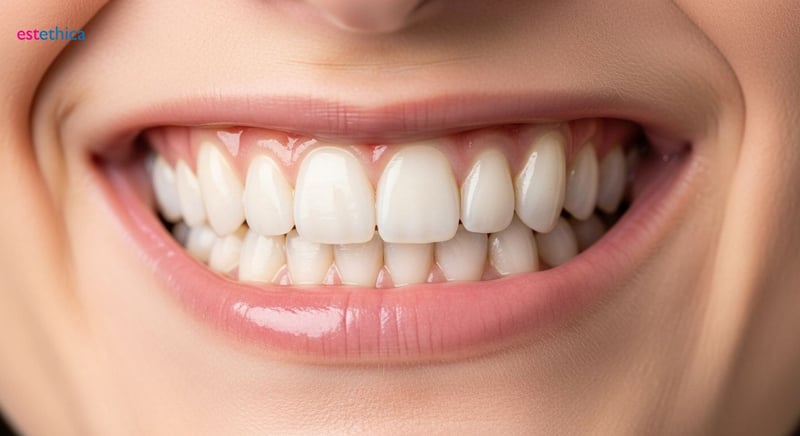
Zirconia vs. Titanium: Choosing the Right Dental Implant Material
Material Properties and Biocompatibility
When considering dental implants, the choice between zirconia and titanium often arises due to concerns about allergies, aesthetics, and long-term biocompatibility. Titanium has been a standard in implant dentistry for decades, known for its high strength, durability, and excellent osseointegration properties. It forms a direct structural and functional connection between living bone and the surface of the implant, ensuring stability and longevity. However, despite its widespread use, some patients express concerns about potential allergic reactions or sensitivity to metals.
Zirconia, a ceramic material, presents an alternative that is metal-free and highly biocompatible. It is increasingly favored for its aesthetic qualities, as it closely resembles the natural color of teeth, making it an excellent choice for patients concerned with achieving a seamless smile. Zirconia implants are also known for their resistance to corrosion and their ability to prevent the darkening of the gum line that can sometimes occur with titanium implants. The decision between zirconia and titanium often depends on individual patient needs and preferences, aligning functional requirements with aesthetic expectations when it comes to dental prosthetics.
Deciding on the Ideal Implant Material
- Assess the Patient's Medical History: Evaluate for any known allergies or sensitivities to metals to determine the most suitable material.
- Consider Aesthetic Expectations: Discuss the patient's desired appearance to align material choice with aesthetic goals.
- Evaluate the Site of dental implant: Analyze the location of the implant to ensure the selected material is mechanically appropriate for the biting forces involved.
The success of either option hinges on understanding the unique properties of each material and aligning them with the specific clinical and aesthetic needs of each patient requiring teeth implants.
Understanding Dental Implants: A Comprehensive Guide
Digital Dentistry: CAD/CAM Precision for Enhanced Implant Placement
estethica Global employs state-of-the-art CAD/CAM technology and 3D imaging for precise planning and placement of dental implants, ensuring minimally invasive procedures and predictable results. Custom abutments are meticulously crafted to perfectly adapt to each patient's unique anatomy, optimizing aesthetic outcomes and functional integration.
estethica's dental implant specialists possess extensive training in modern implant dentistry techniques, blending artistic skill with scientific precision to tailor treatment plans to individual patient needs. Their deep understanding of osseointegration biomechanics and tissue integration ensures optimal results, reflecting estethica’s commitment to providing cutting-edge, personalized dental solutions.
Biocompatible Implant Materials: Titanium and Zirconia for Durable and Aesthetically Pleasing Results
estethica Global prioritizes patient safety and long-term oral health by using biocompatible materials like titanium and zirconia in dental implants, minimizing risks of allergic reactions and ensuring excellent osseointegration. Zirconia implants, known for their aesthetic qualities, closely resemble natural teeth and prevent gum line darkening, providing patients with seamless, natural-looking smiles.
estethica consistently delivers successful dental implant outcomes, enhancing patient satisfaction through meticulous surgical techniques and personalized care. The integration of science and artistry in dental implant procedures enables patients to regain both function and aesthetic appeal, supporting esthetica’s mission to deliver unparalleled healthcare services centered on patient well-being.
Frequently Asked Questions
What is osseointegration, and why is it important for dental implants?
What are the key benefits of choosing dental implants for teeth replacement?
What is the difference between zirconia and titanium dental implants?
How has digital dentistry enhanced the precision of dental implant procedures?
Achieve your aesthetic goals with estethica's world-class services and expert care.
📞 Get Your Free Consultation!