


Learn about septoplasty surgery for nasal airway correction. Discover the procedure, recovery tips, and benefits of treating a deviated septum at estethica Global.
Septoplasty surgery is a surgical procedure performed to straighten the nasal septum, the wall of cartilage and bone separating the nasal passages. This intervention aims to alleviate chronic nasal obstruction, improve breathing efficiency, and address symptoms associated with a deviated septum. By correcting the structural alignment of the nasal cavity, the procedure helps restore optimal airflow and enhances overall respiratory function.
Understanding the Causes and Symptoms of a Deviated Septum
A deviated septum occurs when the thin wall of cartilage and bone separating the nasal passages is displaced, narrowing one side of the nasal airway1. This structural misalignment can be present from birth as a developmental abnormality or emerge later in life due to physical trauma, such as a sports injury or an accidental blow to the nose2. When the septum is off-center, it creates a persistent imbalance in airflow that may require professional evaluation at estethica Global to determine the necessity of surgical correction.
Individuals living with this condition frequently experience chronic nasal congestion, as the restricted passage makes it difficult to breathe through one or both nostrils. Beyond physical obstruction, the resulting turbulent airflow often leads to secondary issues, including recurring sinus infections and frequent nosebleeds caused by the drying of the nasal mucosa1. Research indicates that the prevalence of this condition varies across different populations, ranging from 26% to 97% depending on the specific diagnostic criteria applied in clinical studies4.
Identifying Clinical Indicators
Noisy breathing during sleep is a common indicator of septal deviation, often manifesting as snoring or sleep-disordered breathing that impacts overall rest quality. In cases where the obstruction is severe, patients may suffer from localized facial pain or chronic headaches caused by the constant pressure exerted against the sensitive tissues of the nasal walls. Septoplasty remains the gold standard treatment for addressing these functional impairments, as it effectively restores structural alignment and improves long-term respiratory health3.

What to Expect During Your Septoplasty Procedure at Estethica Global
The septoplasty procedure at estethica Global addresses structural nasal issues where the wall between nasal passages is off-center, a condition often resulting in restricted airflow1, 2. Surgeons begin by conducting a thorough physical assessment to determine the specific degree of deviation, ensuring the surgical plan targets the exact points of obstruction within the nasal cavity3.
Modern surgical protocols at estethica Global prioritize the preservation of healthy septal cartilage while removing or repositioning the bone segments causing the blockage. Given that nasal septal deviation prevalence ranges across different populations, specialists tailor every intervention to the unique anatomical requirements of the patient4.
Surgical Techniques and Precision
Endoscopic instruments allow the surgical team at estethica Global to perform corrections through small, internal incisions that leave no visible external scarring. This method provides high-definition visualization of the internal nasal structures, enabling the surgeon to straighten the quadrangular cartilage and remove bony spurs with exceptional accuracy. Patients benefit from this targeted approach, which minimizes trauma to the surrounding tissues and promotes a more efficient recovery process.
Essential Tips for a Smooth Septoplasty Recovery Timeline
Post-operative care is vital for ensuring a successful outcome after septoplasty surgery, as the procedure addresses significant nasal airway obstruction3. Patients typically experience swelling and congestion in the days following the intervention, which is a normal part of the body's healing response. Keeping the head improve while resting helps minimize facial swelling and promotes effective drainage throughout the immediate recovery phase.
Following specific post-operative care instructions provided by estethica Global is necessary for a smooth recovery process. Avoiding strenuous physical activities and refraining from blowing the nose protects the surgical site while the nasal septum stabilizes3. Keeping the nasal passages moist with saline sprays prevents crusting and reduces discomfort, ensuring the airway remains clear during the sensitive healing period.
Managing the Healing Process
Regular follow-up appointments with the medical team at estethica Global allow for close monitoring of the healing progress. These check-ups ensure that the structural integrity of the nasal septum is maintained and that the patient is progressing toward improved breathing capacity. Most individuals return to their daily routines within a few weeks, provided they adhere to the guidance given by their surgical team during these critical early stages of recovery.
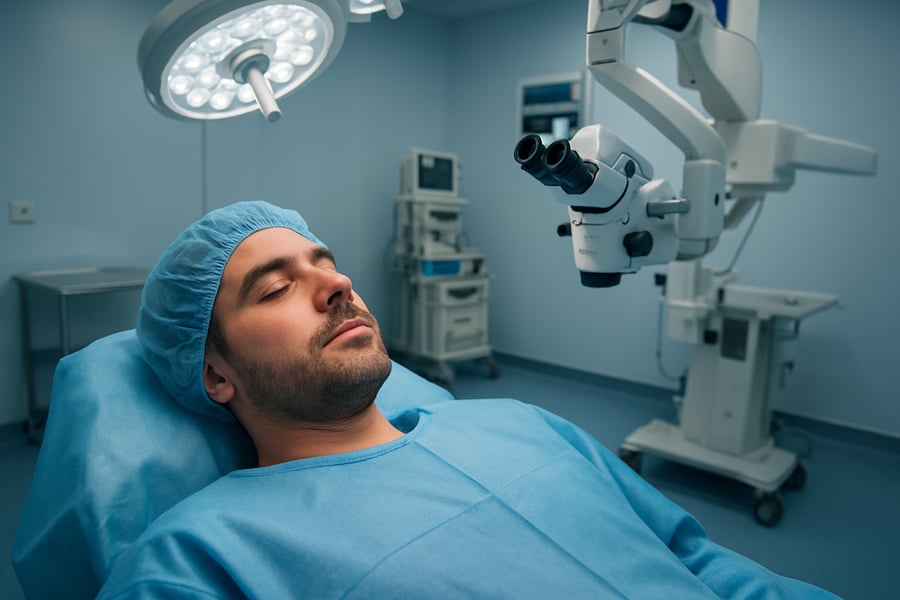
Key Differences Between Septoplasty and Rhinoplasty Explained
Septoplasty is a functional medical procedure designed to correct a deviated septum, which occurs when the thin wall of cartilage and bone between the nasal passages is displaced1. Many patients seek this intervention at estethica Global to resolve chronic nasal obstruction, difficulty breathing, or recurrent sinus issues stemming from structural imbalances3. Because the nasal septum is often off-center due to congenital factors or physical trauma, this surgery focuses strictly on straightening the internal partition to optimize airflow through both nostrils2.
Rhinoplasty differs fundamentally by targeting the external shape and size of the nose for aesthetic enhancement rather than functional relief. While a surgeon at estethica Global may address internal structures during a rhinoplasty, the primary motivation is typically to alter the bridge, tip, or width of the nose to achieve a desired profile. Some individuals choose a septorhinoplasty, a combined approach that effectively harmonizes the need for improved breathing with specific cosmetic goals in a single surgical session3.
Understanding these distinctions helps patients align their expectations with the appropriate surgical outcome. Global prevalence rates for nasal septal deviation are significant, ranging from 26% to 97% depending on the diagnostic criteria used by specialists4. By consulting with the expert team at estethica Global, patients can determine whether their specific airway obstruction requires a focused septoplasty or a more thorough structural modification.
Long-Term Health Benefits of Correcting Nasal Airway Obstruction
Correcting a deviated septum through septoplasty is a functional solution for individuals struggling with persistent nasal airway obstruction. When the nasal septum is off-center, it restricts airflow and forces the body to rely on mouth breathing, which can lead to chronic dryness and irritation of the throat1. By restoring the natural anatomy of the nasal passage, patients at estethica Global often experience a significant increase in oxygen intake, which supports better physical endurance and daily energy levels.
Chronic sinus infections frequently stem from poor drainage caused by anatomical blockages within the nasal cavity3. Septoplasty addresses these structural issues, allowing for proper mucus clearance and reducing the inflammation that contributes to recurrent sinusitis. This structural correction minimizes the reliance on decongestants or nasal sprays, providing a sustainable, long-term improvement in sinus health and overall respiratory function.
Sleep quality frequently improves following successful septoplasty, as the removal of airway obstructions reduces the physiological strain associated with nocturnal breathing difficulties. Many patients report a marked decrease in snoring and a reduction in symptoms related to sleep-disordered breathing, which is essential for restorative rest3. Practitioners at estethica Global prioritize these functional outcomes to ensure that patients achieve not only aesthetic balance but also lasting relief from the complications of nasal septal deviation4.
Surgical Considerations and Outcomes
Understanding the balance between potential surgical benefits and the recovery process helps patients make informed decisions about their health. The following table outlines the key advantages and considerations associated with undergoing septoplasty to address airway concerns.

Surgical Procedures and Technical Approaches
Recovery, Follow-up, and Patient Care
Frequently Asked Questions
Who is not considered an ideal candidate for septoplasty surgery?
What specific steps are included in post-operative septoplasty care to ensure optimal healing?
Is it true that a septoplasty procedure will change the external appearance of the nose?
How long is the typical recovery duration before returning to normal daily activities?

Ready to Breathe Easier?
Get expert guidance on whether septoplasty is the right solution for your breathing concerns.
References
Superscript numbers in the content correspond to the references listed below.
- Mayo Clinic — Deviated septum - Symptoms & causes
- Cleveland Clinic — Deviated Septum: Symptoms, Causes & Treatment
- National Center for Biotechnology Information (NCBI), National Institutes of Health (NIH) — Septoplasty - StatPearls
- National Institutes of Health (NIH) / PubMed Central — Nasal Septal Deviation: A thorough Narrative Review