


Follow our expert septoplasty recovery guide for tips on healing, pain management, and nasal breathing improvement after surgery. Learn what to expect today.
A septoplasty recovery guide provides essential post-operative protocols to ensure proper healing and optimal nasal breathing improvement after surgery. Following structured care instructions helps manage common symptoms like congestion and swelling while supporting the long-term stabilization of the nasal framework. This overview details the necessary steps for a smooth rehabilitation process.
Understanding the Septoplasty Recovery Timeline Week by Week
The initial phase of septoplasty surgery recovery focuses on managing immediate post-operative symptoms, such as nasal congestion, mild discomfort, and minor drainage. According to clinical research, while initial recovery takes about one to two weeks, the underlying bone and cartilage remodeling continues for several months1. Patients choosing estethica Global for their deviated septum surgery often receive personalized post-operative care instructions to minimize these early symptoms effectively.
Nasal mucosa remains highly sensitive during the first few days, frequently causing a sensation of fullness or pressure within the nasal passages. Resting with the head improve helps reduce swelling and enhances overall comfort during this stage. Avoiding strenuous physical activity is essential for all patients to prevent complications like a septal hematoma and to support the structural stability of the nose.
Progressive Improvement and Long-Term Healing
Most patients notice a significant reduction in congestion and improved airflow by the second week as inflammatory exudate resolves. Although the external appearance of the nose stabilizes relatively quickly, the internal tissues undergo a slow, progressive remodeling process. estethica Global specialists emphasize that following specific surgical guidance regarding daily activity levels ensures the nasal framework remains undisturbed throughout this vital healing period.

Essential Post-Op Care Tips for Faster Healing at Estethica Global
Effective management following a septoplasty requires strict adherence to personalized protocols established by the clinical team at estethica Global. Patients typically experience an initial recovery period of one to two weeks, although the internal remodeling of bone and cartilage continues for several months post-surgery1. Maintaining proper hydration and prioritizing rest are fundamental strategies that support the natural re-epithelialization of the nasal mucosa throughout this healing timeline.
Daily nasal hygiene serves as the foundation for preventing complications and ensuring long-term success after a deviated septum surgery. Surgeons at estethica Global frequently prescribe saline irrigation to clear debris and minimize crusting within the nasal passages. Applying these rinses with a gentle approach prevents unnecessary pressure on the delicate septum, keeping the surgical site clean and promoting an environment conducive to tissue repair.
Environmental and Lifestyle Adjustments
Reducing exposure to airborne irritants such as dust, smoke, or strong chemical fumes benefits the nasal lining during the early stages of recovery. Patients should strictly avoid blowing their nose forcefully for several weeks to protect the integrity of the internal sutures and the healing cartilage. Regular follow-up appointments at estethica Global allow medical professionals to monitor progress, ensuring that any concerns are addressed immediately to maintain the highest standard of aesthetic medicine results.
Managing Pain and Nasal Congestion After Deviated Septum Surgery
Pain management after septoplasty surgery is generally straightforward, as most patients report manageable discomfort that typically subsides within a few days. Initial recovery for a deviated septum surgery usually spans one to two weeks, though the underlying cartilage and bone tissues continue their healing process for several months1. estethica Global emphasizes that following the surgeon's specific medication schedule is essential for maintaining comfort during this initial window.
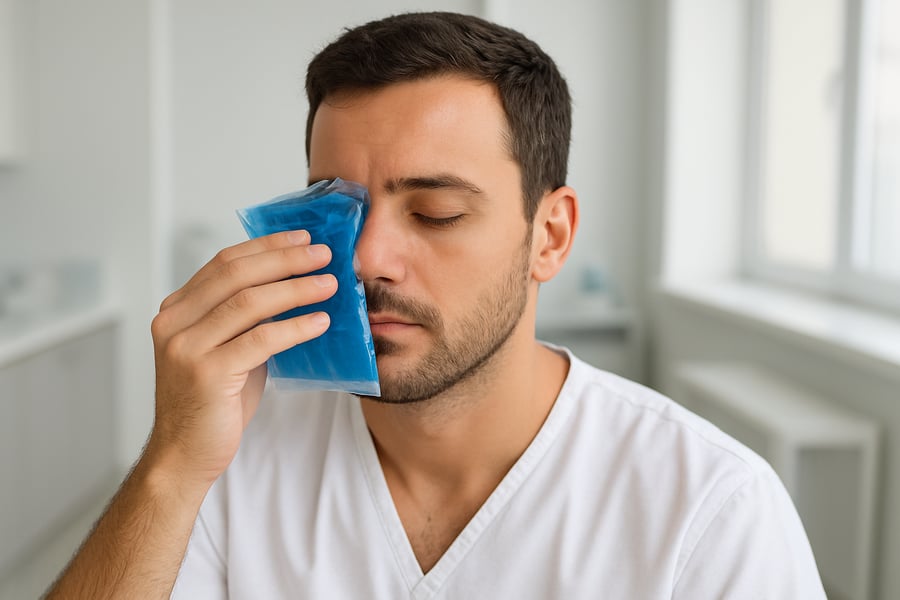
Over-the-counter pain relievers often suffice, but patients must consult their estethica Global medical team before taking any new medication to avoid compounds that could increase bleeding risks. Applying gentle cold compresses to the bridge of the nose helps minimize post-operative swelling and provides immediate relief to the surrounding skin. Keeping the head improve, especially while sleeping, further assists in reducing pressure and managing localized inflammation.
Strategies for Optimal Nasal Airway Comfort
Nasal congestion frequently occurs due to temporary mucosal edema, which is a normal physiological response to the surgical procedure. using a cool-mist humidifier in the bedroom keeps the ambient air moist, preventing the nasal passages from drying out and reducing the sensation of stuffiness. Saline nasal sprays act as a gentle, effective tool to clear debris and maintain necessary moisture levels within the nasal cavity throughout the recovery phase.
What to Expect During the Nasal Splint Removal Process
Nasal splints provide essential structural support following a deviated septum surgery, ensuring the nasal tissues remain stable while internal swelling subsides. Surgeons at estethica Global typically schedule the removal of these splints during a follow-up appointment within the first week of the recovery period. This procedure is a routine milestone in the healing journey, confirming that the septum has begun to stabilize in its corrected position.
The actual removal process is swift and generally causes only minor, temporary discomfort. A specialist will carefully slide the splints out of the nasal cavity, a motion that might trigger a brief tickling sensation or a feeling of pressure. Many patients experience an immediate, significant improvement in airflow the moment the splints are removed, marking a major transition in the recovery process1.
Managing Post-Removal Nasal Comfort
Nasal passages often feel slightly congested or sensitive immediately after the splints are extracted, as the mucosa requires additional time to settle. Consistent use of saline rinses, as recommended by the team at estethica Global, helps maintain cleanliness and prevents the formation of crusting within the nasal cavity. While the initial healing phase of a septoplasty takes about one to two weeks, the deeper structural tissues will continue to refine their shape over the following months1.
Long-Term Benefits of Improved Nasal Breathing After Surgery
Correcting a deviated septum through surgery provides lasting relief by clearing the primary airway obstruction that hinders daily respiration. Patients typically notice that as the nasal passages heal over several months, the ability to inhale deeply becomes effortless, which reduces the physical strain associated with constant mouth breathing. According to clinical data, while initial healing occurs within one to two weeks, the structural stabilization of the cartilage and bone allows for permanent improvements in airflow efficiency1.
Enhanced oxygen intake directly influences systemic health, leading to better sleep hygiene and increased stamina during exercise. By addressing the root cause of chronic congestion, individuals frequently report a reduction in the need for decongestants and other temporary remedies. estethica Global focuses on ensuring that the nasal framework is properly realigned to prevent the recurrence of breathing difficulties and to promote long-term comfort.
Evaluating Surgical Impact
The decision to undergo a septoplasty involves weighing the significant potential of clear breathing against the temporary challenges of the recovery period. The following table highlights the primary advantages and disadvantages associated with the long-term journey of nasal surgery.
| Advantages (Pros) | Disadvantages (Cons) |
|---|---|
| Permanent Airflow Restoration: Corrects structural deviations for lifelong breathing relief. | Extended Healing Time: Full tissue and cartilage stabilization requires several months. |
| Improved Sleep Quality: Minimizes nocturnal congestion and snoring caused by restricted airways. | Post-Operative Sensitivity: Temporary swelling and crusting are common during the initial weeks. |
| Enhanced Physical Stamina: Increases oxygen uptake, allowing for more effective aerobic performance. | Surgical Risks: As with any procedure, there are minor risks of bleeding or infection requiring monitoring. |
Consistent follow-up care remains a vital component of the recovery process to ensure the nasal structure remains intact and functional. Specialists at estethica Global monitor the healing trajectory to verify that the patient achieves the desired respiratory outcomes. Adhering to professional guidance helps maintain the integrity of the procedure and ensures that the long-term benefits of the surgery are fully realized.

Surgical Procedures and Technical Standards
Recovery Management and Patient Guidance
Frequently Asked Questions
Who is generally not considered a good candidate for septoplasty surgery?
What should I prepare in advance to ensure a smooth septoplasty recovery guide follow-through?
Is it true that septoplasty and rhinoplasty are the same procedure?
How can I effectively manage pain management after septoplasty surgery during the first few days?
What is the typical septoplasty recovery timeline week by week for returning to work?

Ready for easier breathing?
Speak with our medical team to clarify your post-operative recovery plan and ensure a smooth healing process.
References
Superscript numbers in the content correspond to the references listed below.
- Cleveland Clinic — Septoplasty: Procedure & Recovery - Cleveland Clinic