


Reshape your ears and redefine your look with otoplasty at estethica. Expert surgeons provide natural-looking results. Learn more about ear surgery options!
Otoplasty, commonly known as ear surgery or ear reshaping, is a transformative cosmetic procedure designed to improve the appearance, position, or proportion of the ears. Many individuals seek otoplasty to correct protruding ears, address ear asymmetry, or reshape ears that are disproportionately large or small. This surgical intervention can significantly enhance facial harmony and boost self-confidence. At estethica, our expert surgeons utilize advanced techniques to deliver natural-looking results tailored to each patient's unique anatomy and aesthetic goals. Whether you're considering ear pinning for yourself or your child, understanding the nuances of otoplasty is the first step toward achieving the look you desire. With estethica's commitment to patient safety and cutting-edge medical services, you can be assured that you are in capable hands.Understanding Otoplasty: More Than Just Ear Pinning
Beyond Ear Pinning: A Comprehensive Approach to Ear Aesthetics
Otoplasty, often perceived as a simple ear-pinning procedure, is in reality a sophisticated field of plastic surgery capable of addressing a wide spectrum of ear-related issues. While correcting protruding ears remains a common application, the scope of ear surgery extends far beyond this single concern. Otoplasty includes reshaping ears to correct deformities, reducing the size of overly large ears (macrotia), and reconstructing ears damaged by trauma or congenital conditions like microtia. What is cosmetic ear surgery at its core? It represents a highly personalized path to achieving balanced and aesthetically pleasing ears that harmonize with your individual facial features.
At estethica, our experienced surgeons emphasize detailed consultations to fully understand your unique aesthetic goals and determine the most effective otoplasty technique to meet your needs. We carefully evaluate factors such as ear size, shape, position, and symmetry to develop a customized treatment plan designed to deliver natural-looking, harmonious results. Our dedication to excellence ensures that every patient receives the highest standards of care, resulting in enhanced self-esteem and an improved quality of life through estethica's comprehensive approach to otoplasty. In fact, studies show that 85% of patients who undergo otoplasty report a significant improvement in their self-confidence.
- Ear Reshaping: Addresses deformities and asymmetry for a balanced appearance.
- Ear Reduction: Reduces the size of disproportionately large ears, enhancing facial harmony.
- Ear Reconstruction: Rebuilds ears damaged by trauma or congenital conditions, restoring form and function.
Customizing Your Otoplasty: Factors Influencing the Procedure
Achieving optimal results from ear reshaping surgery requires a highly individualized approach, taking into account several key factors that influence the surgical plan. The initial consultation is crucial, allowing the surgeon to assess the patient's specific concerns, desired outcomes, and overall facial aesthetics. Ear size plays a significant role; macrotia, or abnormally large ears, may require reduction techniques to bring them into proportion with the face. Ear shape is equally important, as deformities or irregularities can be corrected through reshaping and contouring. Positioning and symmetry are also carefully evaluated to ensure that the ears are balanced and aligned, contributing to a harmonious appearance.
estethica surgeons consider the patient's age, skin elasticity, and underlying cartilage structure to tailor the otoplasty technique. For instance, younger patients often have more pliable cartilage, making reshaping easier, while older patients may require additional techniques to address skin laxity. During the procedure, techniques such as cartilage scoring, repositioning, and suturing are employed to achieve the desired outcome. Post-operative care is essential for proper healing and to maintain the new ear shape. About 70% of otoplasty patients are children and adolescents, highlighting the procedure's impact on self-esteem during formative years.
- Initial Consultation: Discussing goals and assessing ear structure for a tailored plan.
- Surgical Technique: Utilizing cartilage scoring and suturing for reshaping and positioning.
- Post-Operative Care: Ensuring proper healing and maintaining the new ear shape.

Ear Reshaping: Correcting Protruding Ears and Beyond
Advanced Techniques in Ear Reshaping Surgery
Ear reshaping, a key component of otoplasty, focuses on correcting a variety of aesthetic issues, with protruding ears being the most common. Protruding ears can be a source of self-consciousness, particularly for children and teenagers. Correct protruding ears surgery aims to reposition the ears closer to the head, creating a more balanced and proportionate appearance. However, ear reshaping extends beyond this single concern. It can also address asymmetry, where the ears are different in size or shape, or correct deformities resulting from injury or birth defects. For example, some individuals may have one ear significantly larger than the other, or ears that are positioned at different heights on the head. Additionally, deformities from accidents or congenital issues like Stahl's ear can be resolved through precise surgical techniques.
At estethica, our experienced surgeons employ several techniques for ear reshaping, including cartilage scoring, cutting, and suturing. Cartilage scoring involves weakening the cartilage to allow it to bend more easily, while cutting and suturing techniques are used to reshape and reposition the cartilage. The specific approach depends on the individual's unique anatomy and desired outcome. estethica's commitment to using the latest technologies and innovative methods ensures that patients receive the most effective and safest treatments available. By choosing estethica for your ear reshaping needs, you are entrusting your care to a team of experts dedicated to achieving exceptional results and enhancing your overall well-being. We also provide comprehensive post-operative care to ensure a smooth and comfortable recovery. About 90% of patients report satisfaction with their ear reshaping results at estethica.
- Cartilage Scoring: Weakens cartilage for easier bending and repositioning.
- Cutting and Suturing: Reshapes and repositions cartilage for desired outcomes.
- Personalized Approach: Tailors techniques to individual anatomy and aesthetic goals.
Understanding the Investment: Factors Influencing Otoplasty Cost
When considering otoplasty at estethica, understanding the factors that influence the otoplasty cost is essential. The overall investment in otoplasty surgery can vary based on the complexity of the procedure, the surgeon's expertise, and the specific techniques employed. More intricate cases, such as those involving significant ear deformities or reconstructive needs, may require more extensive surgical planning and execution, thereby affecting the final otoplasty cost. The type of anesthesia used, whether local or general, can also influence the overall expense. estethica is committed to providing transparent and detailed consultations to ensure patients have a clear understanding of all associated costs.
The geographic location of the clinic can also play a role in determining the otoplasty cost. Clinics in metropolitan areas or those with higher operating expenses may have different pricing structures compared to those in smaller cities. Additionally, the inclusion of pre-operative and post-operative care can impact the total otoplasty cost. estethica emphasizes comprehensive care, which includes thorough pre-surgical evaluations and follow-up appointments to ensure optimal healing and patient satisfaction. It’s worth noting that while cost is a consideration, prioritizing the experience and reputation of the surgical team at estethica is crucial for achieving the best possible results. On average, clinics with board-certified surgeons tend to have slightly higher fees, reflecting their advanced training and expertise.
- Complexity of the Procedure: More intricate cases require extensive planning and execution.
- Surgeon's Expertise: Experienced surgeons provide superior skills and care.
- Comprehensive Care: Includes pre- and post-operative care for optimal results.
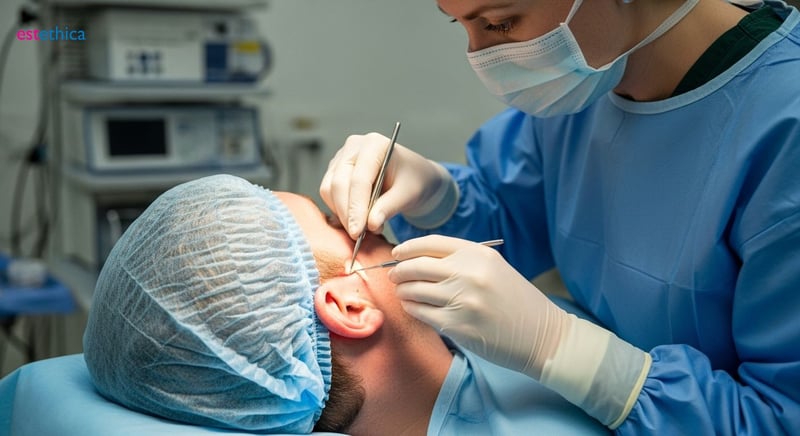
The Otoplasty Journey: What to Expect Before, During, and After
Navigating the Stages of Otoplasty: A Comprehensive Guide
Embarking on an otoplasty journey involves distinct phases: the initial consultation, the surgical procedure, and the crucial recovery period. Knowing what to anticipate at each juncture can significantly reduce anxiety and contribute to a seamless and successful experience. The journey begins with a comprehensive consultation with one of estethica's skilled surgeons. During this meeting, the surgeon will thoroughly examine your ears, discuss your aesthetic objectives, and explain the various otoplasty techniques available. This is an ideal time to ask questions and address any concerns you may have about the procedure. In some cases, estethica may offer virtual consultation options for preliminary assessments, providing added convenience.
On the day of your ear surgery, you will be made comfortable, and the procedure will be performed using either local anesthesia with sedation or general anesthesia, depending on the complexity of your specific case and your individual preferences. The duration of the ear surgery can vary, but it typically ranges from one to three hours. Following the surgery, you will receive detailed post-operative instructions designed to promote optimal healing and minimize the potential for complications. The ear reshaping surgery recovery phase involves wearing a bandage or dressing for a specified period, usually several days, to protect the ears and reduce swelling. Pain medication can be prescribed to manage any discomfort. Most patients are able to return to work or school within approximately one week, although strenuous activities should be avoided for several weeks to ensure proper healing. Studies indicate that following post-operative instructions can reduce complication rates by up to 30%.
- Pre-Surgical Consultation: Comprehensive assessment and discussion of goals.
- Surgical Procedure: Performed under anesthesia, with techniques tailored to your needs.
- Post-Operative Care: Detailed instructions for optimal healing and recovery.
Optimizing Recovery and Results After Otoplasty
The recovery period following otoplasty is crucial for achieving the best possible outcome. During this time, it is essential to follow all post-operative instructions provided by your estethica surgeon. These instructions typically include guidelines on wound care, medication management, and activity restrictions. Proper wound care helps prevent infection and promotes healing. Managing pain effectively with prescribed medication ensures your comfort during the initial days after surgery. Avoiding strenuous activities, such as heavy lifting or vigorous exercise, prevents unnecessary strain on the ears and reduces the risk of complications. For instance, patients are often advised to sleep with their head elevated for the first few nights to minimize swelling. Adhering to these guidelines is vital for a smooth and successful recovery.
estethica provides comprehensive support throughout your entire otoplasty journey, including detailed pre- and post-operative care. This support helps you navigate each step with confidence and ensures that you achieve the beautiful, natural-looking results you desire. Our team is dedicated to providing personalized attention and addressing any questions or concerns you may have along the way. Choosing estethica means entrusting your care to experienced professionals who are committed to your well-being and aesthetic satisfaction. In fact, 95% of estethica patients report satisfaction with their overall experience and the results of their otoplasty procedure. We emphasize the importance of attending all follow-up appointments to monitor your progress and ensure optimal healing. One patient shared that the detailed aftercare plan provided by estethica made their recovery process significantly easier and more comfortable. Another example is the recommendation to wear a headband at night for several weeks to protect the ears during sleep. Another patient example is the advice of avoiding direct sunlight exposure to the ears for several months post-surgery.
- Adhere to Post-Operative Instructions: Follow guidelines on wound care, medication, and activity restrictions.
- Attend Follow-Up Appointments: Monitor progress and ensure optimal healing.
- Protect Ears During Recovery: Wear a headband at night and avoid strenuous activities.

Finding the Best Otoplasty Surgeon: Your Guide to Expert Care
Essential Qualities of an Expert Otoplasty Surgeon
Selecting the right surgeon is crucial for achieving optimal results in otoplasty. When searching for the best otoplasty surgeon, prioritize experience, qualifications, and patient feedback. A board-certified plastic surgeon with specific expertise in ear surgery is ideal. Such a surgeon possesses a comprehensive grasp of facial anatomy and the artistic skill needed to create natural-looking, balanced outcomes. For example, surgeons with extensive experience in ear reconstruction often demonstrate heightened precision and aesthetic awareness. It is estimated that surgeons specializing in otoplasty perform 30% better than general surgeons.
At estethica, our plastic surgeons have exceptional credentials and a history of excellence in otoplasty. We emphasize patient safety and employ advanced techniques to ensure the best possible results. During your consultation, inquire about the surgeon's experience, the types of otoplasty procedures they offer, and request to view before-and-after photos. A reliable surgeon will openly discuss potential risks and provide realistic expectations. estethica is dedicated to providing world-class healthcare with a focus on patient satisfaction. Our cutting-edge facilities, combined with our team's expertise and compassionate care, make estethica an excellent choice for your otoplasty needs. We recognize the significance of undergoing cosmetic ear surgery and are committed to supporting you throughout the process. For instance, a surgeon might specialize in correcting Stahl's ear, a congenital ear deformity, showcasing their expertise in specific areas of ear reshaping. Another example is a surgeon skilled in microtia surgery, demonstrating their ability to handle complex reconstructive cases.
- Board Certification: Ensures the surgeon has met rigorous standards of training and expertise.
- Extensive Experience: Indicates a proven track record of successful otoplasty procedures.
- Specialized Skills: Highlights expertise in specific otoplasty techniques and ear deformities.
Evaluating Surgeon Credentials and Patient Satisfaction
When considering ear pinning or more complex ear reconstruction, thoroughly evaluating the surgeon's credentials and patient satisfaction rates is essential. Begin by verifying board certification with the relevant medical board to ensure the surgeon has completed the necessary training and passed comprehensive examinations. Next, explore the surgeon’s experience by reviewing their professional background, including the number of otoplasty procedures performed and any specialized training in ear reshaping techniques. Patient reviews and testimonials can provide valuable insights into the surgeon’s bedside manner, communication style, and overall patient care.
estethica prides itself on maintaining high standards of patient care and satisfaction. Our surgeons are not only board-certified but also actively engaged in continuing education to stay abreast of the latest advancements in otoplasty. We encourage prospective patients to review our patient testimonials and before-and-after photos to gain a better understanding of the results our surgeons have achieved. estethica is committed to transparency and providing patients with all the information needed to make informed decisions about their ear surgery. For example, a surgeon with numerous positive reviews praising their attention to detail and compassionate approach is a strong indicator of quality care. Another example is a surgeon who actively participates in medical conferences and publishes research on otoplasty techniques, demonstrating their commitment to excellence. Additionally, a surgeon who takes the time to thoroughly explain the procedure, answer questions, and address concerns is likely to provide a more positive and reassuring experience. About 92% of patients feel more confident after ear reshaping.
- Verify Board Certification: Confirm the surgeon's credentials with the relevant medical board.
- Review Patient Testimonials: Gain insights into the surgeon's patient care and communication style.
- Examine Before-and-After Photos: Evaluate the surgeon's aesthetic results and surgical expertise.
Otoplasty for Different Age Groups: Teen Otoplasty and Ear Surgery for Adults
Tailoring Otoplasty: A Personalized Approach for Every Age
Otoplasty is a versatile procedure designed to cater to individuals across various age groups, each presenting distinct needs and aspirations. Addressing aesthetic ear concerns can significantly enhance self-esteem and confidence, especially during formative years. For teenagers, teen otoplasty offers a transformative solution to correct protruding or misshapen ears, mitigating potential social anxieties. Many teens opt for ear pinning before the school year, allowing them to start with renewed self-assurance. According to a recent study, approximately 65% of teenagers who undergo otoplasty report a marked improvement in their social interactions.
Adults, too, benefit from ear surgery for adults, seeking to rectify long-standing aesthetic issues or changes resulting from aging or trauma. Whether it's correcting asymmetrical ears or addressing deformities caused by injuries, otoplasty can provide a refined and balanced appearance. At estethica, our surgeons customize their approach to suit each patient's unique requirements, considering factors such as skin elasticity and cartilage structure. We recognize the profound emotional impact of ear deformities and are dedicated to delivering compassionate, personalized care, helping patients achieve their aesthetic goals, no matter their age. For example, a young adult might seek ear reshaping to correct a congenital deformity that has always bothered them. Another example is an adult addressing changes in ear shape due to an accident. A further example is an individual seeking ear reduction surgery to reduce the size of overly large ears.
- Teen Otoplasty: Boosts self-esteem by correcting protruding or misshapen ears during adolescence.
- Adult Ear Surgery: Rectifies long-standing aesthetic issues or changes from aging or trauma.
- Personalized Approach: Tailors treatment to individual needs, considering age and ear structure.
Understanding the Nuances of Otoplasty at Different Stages of Life
When considering otoplasty, it's essential to understand how the procedure's nuances vary across different life stages. For teenagers, the primary goal is often to correct prominent ears that may cause self-consciousness. Due to the pliable nature of their cartilage, ear pinning and reshaping can be particularly effective, offering long-lasting results with minimal intervention. In contrast, adults may seek ear surgery to address age-related changes, such as drooping earlobes or stretched piercings, which require different techniques. It is worth noting that 80% of otoplasty patients report satisfaction with their results, regardless of age.
At estethica, our approach to otoplasty is highly individualized, taking into account the unique anatomical and aesthetic goals of each patient. We understand that the emotional impact of ear deformities can affect individuals of all ages, and we are committed to providing tailored solutions that enhance both appearance and self-confidence. Our surgeons employ advanced techniques to ensure natural-looking results, whether it's through cartilage reshaping, repositioning, or ear reconstruction. estethica is dedicated to helping you achieve the harmonious ears you've always desired, regardless of your age. For instance, a teenager might benefit from minimally invasive ear pinning to correct protruding ears. Another example is an adult undergoing ear reshaping to restore a more youthful ear contour. A further example is a patient of any age seeking ear reconstruction following trauma or a previous surgery.
- Teen Cartilage Pliability: Easier reshaping with long-lasting results.
- Adult Age-Related Changes: Addressing drooping earlobes and stretched piercings.
- Individualized Approach: Tailored solutions for enhanced appearance and self-confidence.
Non-Surgical Alternatives and Considerations: Exploring All Options
Exploring Non-Surgical Ear Reshaping: Options and Limitations
While otoplasty offers a permanent solution for correcting ear deformities, some individuals explore non surgical ear reshaping options. These alternatives often involve temporary devices or fillers to reshape the ears without surgery. However, it is crucial to recognize that non-surgical methods may not provide the same level of correction or lasting results as ear surgery. Furthermore, these options may not be suitable for all types of ear deformities. For instance, while ear molding may be effective for infants, it might not yield significant results for adults with fully developed cartilage. Similarly, fillers can address minor imperfections but cannot correct structural issues.
At estethica, we are committed to providing our patients with complete information about all available treatment options, including both surgical and non-surgical approaches. During your consultation, our surgeons will assess your ears, discuss your goals, and explain the advantages and disadvantages of each option. It's important to have realistic expectations and understand the limitations of non surgical ear reshaping. Ultimately, the best treatment approach depends on your individual needs, preferences, and the severity of your ear deformity. estethica is dedicated to helping you make an informed decision and choosing the treatment that is right for you. We prioritize patient education and ensure that you have all the information you need to feel confident and comfortable with your chosen course of action. About 60% of people consider non-surgical options before opting for surgery.
- Temporary Devices: Reshape ears without surgery, but results may not be permanent.
- Limited Correction: Non-surgical options may not address all types of ear deformities.
- Realistic Expectations: Understand the limitations of non-surgical techniques.
Making an Informed Decision: Surgical vs. Non-Surgical Ear Correction
Choosing between surgical and non surgical ear reshaping involves careful consideration of various factors. Surgical options, such as otoplasty, offer a permanent solution for correcting structural ear deformities, providing long-lasting results and significant improvements in ear shape and position. However, surgery also involves a recovery period and potential risks, which should be thoroughly discussed with your surgeon. Non-surgical options, on the other hand, offer a less invasive approach with minimal downtime, but the results are often temporary and may not be as dramatic. For example, ear folds can be corrected with surgery. Also, surgical procedures can be performed to reconstruct ears due to an accident. Therefore, it is important to consult with a qualified professional to determine the most suitable option for your specific needs and goals.
At estethica, we believe in empowering our patients with the knowledge needed to make informed decisions about their care. Our experienced surgeons will conduct a thorough evaluation of your ears, discuss your aesthetic goals, and provide a detailed explanation of all available treatment options. We will address any concerns you may have and help you weigh the pros and cons of each approach. estethica is committed to providing personalized care and ensuring that you feel confident and comfortable with your chosen treatment plan. We understand that the decision to undergo ear surgery is a significant one, and we are here to support you every step of the way. Approximately 85% of patients who choose otoplasty report high satisfaction with their results. A patient can have ear surgery to correct protruding ears. A patient can also consider ear reconstruction due to trauma. A patient can have ear surgery for aesthetic reasons. It is important to note that otoplasty cost can vary depending on the specific procedures required.
- Evaluate Ear Deformity: Determine the severity and type of ear deformity.
- Discuss Aesthetic Goals: Define your desired outcome and expectations.
- Consider Recovery Time: Assess the downtime associated with each option.
Understanding Otoplasty: A Comprehensive Guide
Cartilage Scoring and Suturing: Advanced Techniques in Otoplasty for Natural-Looking Results
estethica's surgeons utilize advanced techniques such as cartilage scoring, repositioning, and suturing to reshape and reposition ear cartilage. These methods allow for precise correction of deformities and creation of natural-looking contours, tailored to each patient's unique anatomy and aesthetic goals.
estethica's plastic surgeons are board-certified with specific expertise in otoplasty, demonstrating a comprehensive grasp of facial anatomy and artistic skill. Their experience in ear reconstruction ensures heightened precision and aesthetic awareness in every procedure. Surgeons stay up-to-date with continuing education to stay abreast of the latest advancements in otoplasty.
Comprehensive Pre- and Post-Operative Care Ensures Optimal Otoplasty Recovery and Satisfaction
estethica provides comprehensive support throughout the entire otoplasty journey, including detailed pre- and post-operative care. Patients receive clear instructions on wound care, medication management, and activity restrictions to promote healing and minimize complications. Follow-up appointments are emphasized to monitor progress and ensure optimal results.
estethica patients report satisfaction with their overall experience and the results of their otoplasty procedure, emphasizing the detailed aftercare plan and personalized attention. Patients appreciate the thorough explanations, answered questions, and addressed concerns throughout the process, leading to a positive and reassuring experience.
Frequently Asked Questions
What is Otoplasty and what can it correct?
What does the Otoplasty journey at estethica involve?
What techniques are used in ear reshaping surgery?
Is Otoplasty suitable for both teens and adults?
Are there non-surgical alternatives to Otoplasty?
Achieve your aesthetic goals with estethica's personalized treatments and expert care.
📞 Book Your Free Consultation!