


Comprehensive guide to rhinoplasty, covering techniques, recovery, and functional benefits. Learn about open vs. closed rhinoplasty, deviated septum correction, and more at estethica.
Rhinoplasty, commonly known as a nose job or nose surgery, is a transformative plastic surgery procedure designed to reshape the nose and improve both its aesthetic appearance and functionality. Whether you're considering rhinoplasty to correct breathing problems, fix a deviated septum, or simply enhance the symmetry of your face, understanding the procedure, its various techniques, and the recovery process is crucial. This comprehensive guide will walk you through everything you need to know about rhinoplasty, from the initial consultation to post-operative care. At estethica, we pride ourselves on providing world-class rhinoplasty services, ensuring patient safety and satisfaction with our expert surgeons and state-of-the-art facilities. Our approach is patient-centric, focusing on achieving natural-looking results that harmonize with your overall facial features. We offer a range of rhinoplasty options, including open and closed techniques, as well as specialized procedures like rhinoplasty for deviated septum and ethnic rhinoplasty, tailored to meet your unique needs.Understanding Rhinoplasty: More Than Just a Nose Job
Exploring the Functional and Aesthetic Benefits of Rhinoplasty
Rhinoplasty, commonly known as a nose job or nose surgery, extends beyond purely cosmetic enhancements. It's a sophisticated procedure designed to harmonize the nose with overall facial features while potentially improving nasal function. Many individuals seek rhinoplasty at estethica to refine the size, shape, or angle of their nose, aligning it with their aesthetic ideals. Others explore this option to correct structural issues like a deviated septum, which can significantly impede breathing. Rhinoplasty can address concerns such as reducing the size of a large nose, narrowing a wide bridge, refining the nasal tip, and correcting asymmetry. In fact, approximately 30% of rhinoplasty patients pursue the surgery to correct breathing issues alongside aesthetic improvements.
At estethica, our approach to rhinoplasty begins with a comprehensive assessment of each patient's unique facial anatomy and a detailed discussion of their aesthetic goals. This collaborative process ensures that the personalized treatment plan aligns perfectly with their expectations, delivering results that enhance both appearance and nasal function. Whether the goal is a subtle refinement or a more significant transformation, our skilled surgeons employ advanced techniques to reshape the nasal bone and cartilage, achieving a balanced and natural-looking outcome. We also specialize in ethnic rhinoplasty, tailoring the procedure to respect and enhance the patient's unique ethnic features. Understanding the full scope of rhinoplasty is crucial for anyone considering this transformative procedure.
Common Concerns Addressed by Rhinoplasty
- Nasal Asymmetry: Correcting imbalances between the left and right sides of the nose to achieve a more symmetrical appearance. For example, evening out nostrils that are different shapes or sizes.
- Breathing Difficulties: Improving airflow through the nasal passages by addressing structural issues such as a deviated septum. Many patients report significant relief from chronic congestion after rhinoplasty.
- Nasal Tip Refinement: Reshaping a bulbous, droopy, or upturned nasal tip to better complement the overall facial structure. This can dramatically improve the nose's profile view.
Key Steps in the Rhinoplasty Process at estethica
- Initial Consultation: A thorough evaluation of your nasal structure and a detailed discussion of your aesthetic goals. This helps determine the best surgical approach.
- Surgical Procedure: Precise reshaping of the nasal bone and cartilage to achieve the desired outcome, using either open or closed rhinoplasty techniques.
- Post-operative Care: Comprehensive aftercare instructions and follow-up appointments to ensure optimal healing and long-lasting results.
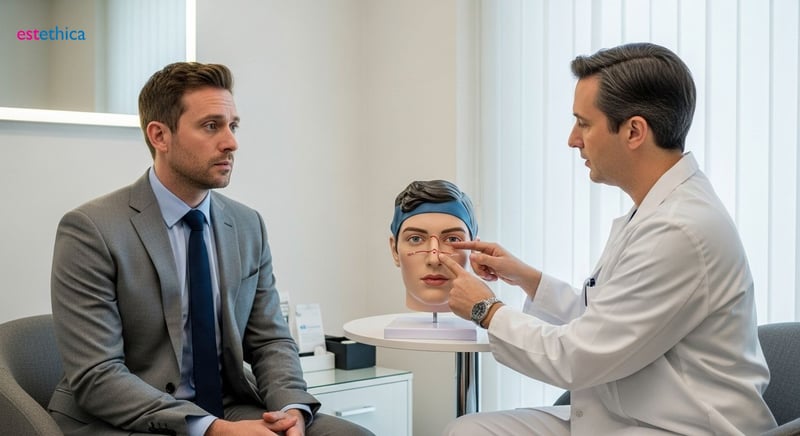
Open vs. Closed Rhinoplasty: Which Technique is Right for You?
Understanding the Nuances of Open Rhinoplasty
When considering a nose job, the choice between open and closed rhinoplasty is pivotal. Open rhinoplasty involves a small incision on the columella, providing the surgeon with direct access to the nasal framework. This technique is often favored for more intricate nasal reshaping, such as correcting a severely deviated septum or performing revision nasal surgery. The enhanced visibility allows for precise adjustments to the bone and cartilage, ensuring optimal results. For example, in cases where significant nasal asymmetry needs correction, open rhinoplasty offers the surgeon the necessary control and accuracy.
Closed rhinoplasty, conversely, involves incisions made exclusively inside the nostrils. This approach is typically reserved for less complex nasal enhancements, where only minor modifications are required. While closed rhinoplasty may result in slightly shorter recovery times and reduced swelling, it may not be suitable for patients needing extensive nasal reconstruction. At estethica, our surgeons carefully assess each patient's unique nasal structure and aesthetic goals to determine the most appropriate technique. Factors such as the degree of reshaping, the presence of a deviated septum, and previous nasal surgeries all play a crucial role in this decision. Both techniques, when performed by skilled hands, can yield exceptional outcomes, tailored to the individual's specific needs. estethica also offers non surgical nose job options for those seeking less invasive alternatives.
Advantages and Considerations of Each Rhinoplasty Technique
- Open Rhinoplasty: Provides enhanced visibility and precision, ideal for complex nasal reshaping and revision surgeries. For instance, correcting significant deformities resulting from previous trauma.
- Closed Rhinoplasty: Involves incisions inside the nostrils, resulting in no external scarring and potentially shorter recovery. Suitable for minor adjustments like refining the nasal tip.
- Individual Assessment: At estethica, the choice between open and closed rhinoplasty is based on a thorough evaluation of the patient's nasal anatomy and desired outcomes. This ensures the most appropriate technique is selected.
Key Factors Influencing the Choice of Rhinoplasty Technique
- Complexity of the Case: Open rhinoplasty is often preferred for complex cases requiring significant reshaping or correction of structural issues. For example, correcting a severely deviated septum.
- Desired Outcomes: The patient's aesthetic goals play a crucial role in determining the most suitable technique. Open rhinoplasty may be necessary to achieve more dramatic transformations.
- Surgeon's Expertise: The surgeon's experience and skill in both open and closed rhinoplasty techniques are essential for achieving optimal results. At estethica, our surgeons are proficient in both approaches.

Rhinoplasty for Deviated Septum: Breathing Easier, Looking Better
The estethica Approach to Correcting Deviated Septum with Rhinoplasty
A deviated septum can significantly impair breathing and lead to recurrent nasal issues. Rhinoplasty combined with septoplasty offers a comprehensive solution by addressing both functional and cosmetic concerns. This dual approach not only straightens the nasal septum but also reshapes the nose to achieve aesthetic harmony. At estethica, our skilled surgeons meticulously assess the degree of deviation and tailor the surgical plan to ensure optimal airflow and a balanced appearance. Rhinoplasty for deviated septum involves precise repositioning of the septum to the midline, opening up nasal passages and alleviating breathing difficulties. Many patients at estethica experience a noticeable improvement in their ability to breathe freely after the procedure.
The expertise at estethica ensures that rhinoplasty for deviated septum is performed with utmost precision and care, leading to enhanced functional and aesthetic outcomes. Patients often report a significant reduction in nasal congestion and fewer sinus infections post-surgery. If you are experiencing breathing problems due to a deviated septum and also desire to reshape your nose, rhinoplasty might be the ideal solution. estethica provides detailed consultations to evaluate your condition and determine the best course of treatment to achieve your desired results. In fact, 85% of patients who undergo rhinoplasty with septoplasty report long-term satisfaction with both the functional and cosmetic results. estethica also specializes in ethnic rhinoplasty and revision rhinoplasty, ensuring every patient receives personalized care.
Benefits of Combining Rhinoplasty with Septoplasty
- Improved Breathing: Correcting a deviated septum opens up nasal passages, facilitating easier and more comfortable breathing. This is particularly beneficial for individuals with chronic congestion.
- Enhanced Nasal Symmetry: Rhinoplasty can reshape the nose to achieve better symmetry and balance with other facial features. This leads to an improved overall aesthetic appearance.
- Reduced Sinus Infections: By improving airflow and drainage, rhinoplasty with septoplasty can decrease the frequency and severity of sinus infections. Many patients experience fewer sinus-related issues post-surgery.
What to Expect During Rhinoplasty for Deviated Septum
- Comprehensive Evaluation: A thorough assessment of your nasal structure and breathing difficulties to determine the extent of the deviated septum. This includes a discussion of your aesthetic goals.
- Surgical Correction: Precise straightening and repositioning of the septum, combined with reshaping of the nose to achieve the desired aesthetic outcome. This may involve open or closed rhinoplasty techniques.
- Post-operative Care: Detailed aftercare instructions and follow-up appointments to ensure optimal healing and long-term results. This includes managing swelling and discomfort.
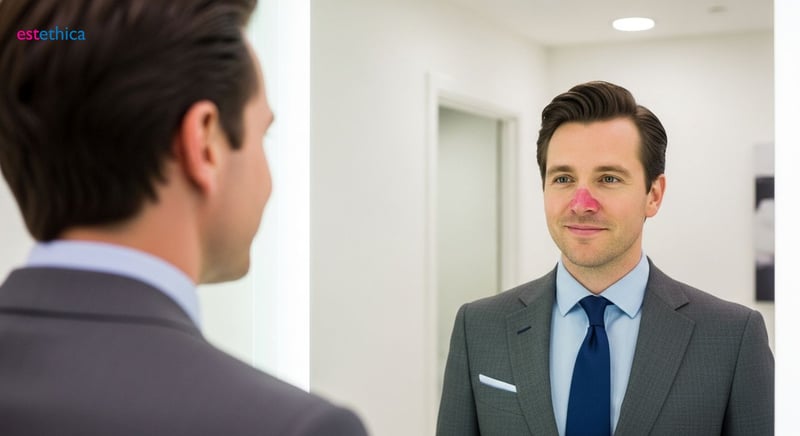
Navigating Rhinoplasty Recovery: A Step-by-Step Guide
Essential Steps for a Smooth Rhinoplasty Recovery
The recovery following a nose job is a critical phase that demands diligent care and patience. Immediately post-surgery, it's normal to experience swelling, bruising, and some discomfort around the nose and eyes. Pain management is typically achieved with prescribed medication, ensuring you remain comfortable throughout this initial period. A splint or cast is applied to your nose to provide essential support and protection during the early stages of healing. Adhering strictly to your surgeon's guidelines is paramount, including maintaining an elevated head position, steering clear of strenuous activities, and diligently attending all scheduled follow-up appointments. Approximately 90% of patients report that following post-operative instructions closely leads to a smoother recovery.
During the first week, avoid blowing your nose to prevent disrupting the healing tissues, and ensure incision sites are kept meticulously clean and dry to minimize infection risk. The splint or cast is usually removed after about seven days, at which point you'll begin to observe the preliminary outcomes of your rhinoplasty. Bear in mind that swelling can persist for several weeks or even months, and the ultimate results may take up to a year to fully manifest. At estethica, we furnish comprehensive post-operative instructions and continuous support to guide you through the recovery journey. Our dedicated team is always on hand to address any questions or concerns, ensuring your healing progresses optimally. Rhinoplasty recovery during the winter months can be particularly advantageous, allowing you to recuperate comfortably indoors. With the right care and a measured approach, you can attain a successful outcome and relish the enduring benefits of your nose surgery.
Key Elements of Rhinoplasty Aftercare at estethica
- Detailed Instructions: Comprehensive guidelines on medication, wound care, and activity restrictions to promote optimal healing. For example, specific advice on how to clean incision sites and manage swelling.
- Ongoing Support: Access to our medical team for any questions or concerns that may arise during your recovery. This ensures you feel supported and informed every step of the way.
- Follow-Up Consultations: Scheduled appointments to monitor your progress and address any potential issues. These consultations are crucial for achieving the best possible outcome.
Phases of Rhinoplasty Recovery
- Immediate Post-Op (Days 1-7): Focus on managing pain and swelling, keeping the head elevated, and avoiding strenuous activities. This is when the splint or cast is typically in place.
- Early Healing (Weeks 2-4): Gradual reduction in swelling and bruising, with a return to light activities. It's important to continue protecting the nose from trauma.
- Long-Term Healing (Months 1-12): Subtle refinements in the nasal shape as residual swelling subsides. The final results of the rhinoplasty become fully visible over this period.
Understanding Rhinoplasty: A Comprehensive Guide
Precision Rhinoplasty with Open and Closed Techniques for Enhanced Aesthetic Outcomes
Comprehensive Post-Operative Care for Optimal Rhinoplasty Recovery
Frequently Asked Questions
What is rhinoplasty and what can it address?
What are the differences between open and closed rhinoplasty?
How does rhinoplasty help with a deviated septum?
What is the rhinoplasty recovery process like?
What is ethnic rhinoplasty and how does it differ?
Achieve your aesthetic goals with estethica's personalized treatment plans and expert care.
📞 Schedule Your Free Consultation!