


Unlock the harmony of effortless breathing and aesthetic perfection with expert nose surgery.
Imagine a life where every breath is easy, where your confidence reflects in your every smile, and where harmony radiates from your very being. Nose surgery, or rhinoplasty, can be the transformative journey to achieving that essence of balance and air.
Understanding Rhinoplasty: More Than Just a Cosmetic Nose Surgery
The Multifaceted Benefits of Rhinoplasty
Rhinoplasty extends far beyond mere aesthetic improvements, offering functional enhancements that significantly impact a person's quality of life. This procedure addresses structural issues within the nose, like a deviated septum, which can cause breathing difficulties. By correcting these problems, rhinoplasty can improve airflow, reduce snoring, and alleviate chronic sinus issues. For instance, a patient who struggled with sleep apnea found considerable relief after undergoing rhinoplasty to correct a long-standing nasal obstruction. Similarly, athletes experiencing reduced stamina due to poor nasal airflow have reported enhanced performance post-surgery. Rhinoplasty's ability to harmonize nasal appearance with improved respiratory function makes it a versatile and life-changing option.
Key Considerations for Rhinoplasty
- Functional Improvement: Rhinoplasty can correct structural issues like deviated septums, improving breathing and overall respiratory health.
- Aesthetic Enhancement: The surgery can reshape the nose to better fit facial features, boosting self-confidence and satisfaction.
- Personalized Approach: Each procedure is tailored to the individual's specific needs and desired outcomes, ensuring natural-looking results.
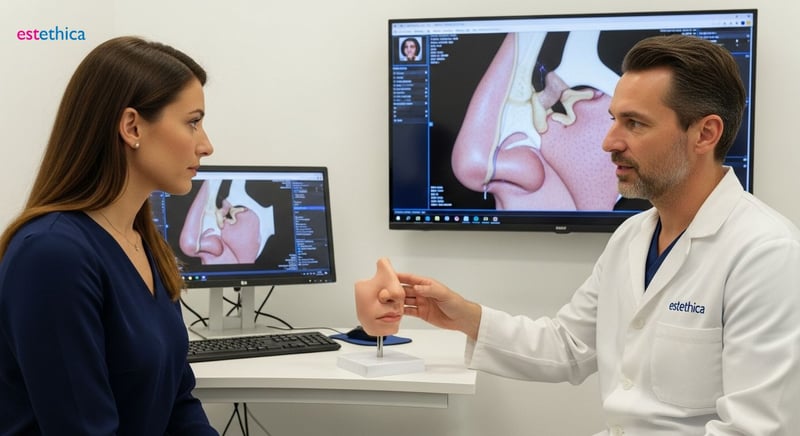
Deciding to undergo rhinoplasty involves several important steps. Initially, potential patients should seek consultations with experienced surgeons to discuss their goals and assess their suitability for the procedure. During these consultations, the surgeon will evaluate the nasal structure, skin quality, and overall health to determine the best surgical approach. For example, individuals with thick nasal skin may require specialized techniques to achieve optimal results. It's also crucial to have realistic expectations about what rhinoplasty can achieve. While the surgery can create significant improvements, it's essential to understand the limitations and potential risks involved. Rhinoplasty, especially ethnic rhinoplasty, is a transformative journey that requires careful planning and collaboration with a skilled surgical team.

Rhinoplasty for Deviated Septum: Breathing Easier, Living Better
The Transformative Impact of Septoplasty
A deviated septum, a common condition where the nasal septum is displaced, can significantly impair breathing and diminish one's quality of life. Septoplasty, often performed in conjunction with rhinoplasty, offers a solution by straightening the septum, thereby improving airflow. This surgical correction alleviates nasal congestion, reduces the frequency of sinus infections, and enhances overall nasal function. Many individuals who undergo septoplasty experience a remarkable improvement in their respiratory health, which translates to better sleep and increased energy levels throughout the day. For instance, someone who previously relied on decongestants can often breathe freely without medication after the procedure. Septoplasty not only addresses physical discomfort but also contributes to an enhanced sense of well-being.
Benefits of Correcting a Deviated Septum
- Improved Breathing: Straightening the septum allows for better airflow, reducing nasal congestion.
- Reduced Sinus Infections: Correcting the deviation can decrease the frequency and severity of sinus infections.
- Enhanced Sleep Quality: Easier breathing leads to better sleep, reducing fatigue and improving daily energy levels.
Recognizing the signs of a deviated septum is crucial for early intervention. Symptoms such as chronic nasal congestion, frequent sinus infections, nosebleeds, and difficulty breathing through one or both nostrils can indicate a deviation. Consulting with a specialist in rhinoplasty and septoplasty is essential for accurate diagnosis and personalized treatment. For example, individuals who experience persistent nasal blockage despite using over-the-counter remedies should seek professional evaluation. Early intervention can prevent long-term complications and significantly improve respiratory health. If you're exploring non surgical nose job options, consult with your doctor about liquid rhinoplasty or other options. A skilled surgeon can assess your condition and recommend the most effective approach to restore optimal nasal function and aesthetics, potentially combining cosmetic nose surgery with functional correction.
Non-Surgical Nose Job Options: Exploring Nasal Reshaping Alternatives
Exploring the Liquid Rhinoplasty Procedure
For individuals hesitant about undergoing surgery, non-surgical nose reshaping presents a practical alternative. Techniques involving dermal fillers can address minor asymmetries, yielding immediate results without the need for incisions. Often referred to as liquid nose jobs, these non-surgical treatments employ fillers to refine bumps, elevate drooping nasal tips, and enhance overall facial harmony. While the effects are temporary, this method offers an appealing option with minimal recovery time and instant observable enhancements. It is particularly suitable for those seeking subtle augmentation and contour adjustments without the extensive commitment or recovery associated with traditional surgical procedures. The liquid rhinoplasty procedure uses safe and effective fillers to subtly reshape the nose, providing balance and symmetry to the facial features.
Benefits of Non-Surgical Nose Reshaping
- Immediate Results: Visible improvements are noticeable right after the procedure, allowing for instant gratification.
- Minimal Downtime: Patients can typically resume their normal activities shortly after the treatment, avoiding lengthy recovery periods.
- Temporary Adjustments: The effects are reversible, providing an opportunity to assess the changes before considering permanent solutions.
Dermal fillers, commonly used in liquid rhinoplasty, offer a versatile solution for correcting various nasal imperfections. These fillers can smooth out dorsal humps, add volume to flat nasal bridges, and refine the nasal tip. The procedure involves injecting the filler strategically to reshape and contour the nose, enhancing its overall appearance. For example, a small amount of filler can lift a droopy nasal tip, creating a more youthful profile. Similarly, fillers can correct minor asymmetries, bringing balance to the facial features. While the results are temporary, lasting from several months to a year, liquid rhinoplasty provides a convenient and effective option for those seeking non-surgical nasal enhancements. If you are considering rhinoplasty, you can discuss the best nose job options with our doctors.
Ideal Candidates for Non-Surgical Rhinoplasty
- Those with Minor Imperfections: Non-surgical rhinoplasty is best suited for individuals with small bumps, slight asymmetries, or a droopy nasal tip.
- Individuals Seeking Temporary Changes: Since the results are not permanent, it's an excellent option for those who want to "test-drive" a new nose shape.
- Patients Wishing to Avoid Surgery: For those apprehensive about invasive procedures, liquid rhinoplasty offers a less daunting alternative.
While non-surgical nose reshaping offers numerous advantages, it is essential to understand its limitations. Liquid rhinoplasty is not suitable for significant structural changes or functional corrections, such as improving breathing difficulties. In such cases, traditional rhinoplasty or septoplasty may be more appropriate. For instance, someone with a severely deviated septum would not benefit from fillers alone. Additionally, it's crucial to choose a qualified and experienced practitioner to perform the procedure, minimizing the risk of complications. A skilled injector will have a thorough understanding of facial anatomy and the proper techniques for achieving natural-looking results. If you're exploring options for cosmetic nose surgery, consult with a specialist to determine the best approach for your specific needs.

Navigating Recovery After Rhinoplasty Surgery: A Comprehensive Guide
Essential Steps for a Smooth Rhinoplasty Recovery
The period following rhinoplasty is crucial for achieving optimal results and minimizing complications. During the initial week, managing swelling and bruising is paramount. Applying cold compresses can significantly reduce inflammation, while keeping the head elevated helps to minimize fluid retention. Patients are typically advised to avoid strenuous activities and follow a soft diet to prevent unnecessary strain on the nasal area. Attending all scheduled follow-up appointments allows the surgeon to monitor healing progress and address any concerns promptly. For example, individuals who diligently adhere to post-operative instructions often experience a smoother and faster recovery.
Key Elements of Post-Operative Rhinoplasty Care
- Swelling Management: Applying cold compresses and keeping the head elevated can effectively reduce post-operative swelling.
- Activity Restriction: Avoiding strenuous activities prevents complications and promotes optimal healing.
- Follow-Up Appointments: Regular check-ups with the surgeon ensure proper monitoring and timely intervention if needed.
Understanding the nuances of rhinoplasty recovery times across different seasons can also aid in planning. For instance, during summer, increased humidity and sun exposure may exacerbate swelling and discomfort, necessitating extra precautions. Conversely, colder months might present challenges in maintaining nasal hydration, potentially leading to dryness and crusting. Being mindful of these seasonal variations and tailoring post-operative care accordingly can contribute to a more comfortable recovery. Those considering cosmetic nose surgery should factor in these elements for a smoother experience. Proper care and attention during this phase are as vital as the surgery itself. This includes being aware of non surgical nose job options, such as liquid nose job procedures, for minor adjustments post-recovery.
Choosing the Right Rhinoplasty Approach: Open vs. Closed Techniques
Understanding Open Rhinoplasty
Open rhinoplasty involves making a small incision on the columella, the strip of tissue between the nostrils, to lift the skin and expose the underlying nasal structures. This technique provides the surgeon with a comprehensive view, enabling precise reshaping and reconstruction. It is particularly useful for complex cases such as significant nasal asymmetry, major nasal reconstruction following trauma, or revision surgeries where the internal structure has been altered. Open rhinoplasty allows for meticulous adjustments to the cartilage and bone, ensuring stability and long-term aesthetic results. For instance, in ethnic rhinoplasty, where specific cultural features need to be preserved or enhanced, the open approach offers the necessary control and visibility. With open rhinoplasty, surgeons can accurately address the nasal structure to meet patient expectations.
Key Benefits of Open Rhinoplasty
- Enhanced Visibility: Provides a clear and unobstructed view of the nasal anatomy.
- Precise Reshaping: Allows for detailed and accurate modifications of cartilage and bone.
- Structural Stability: Ensures long-lasting results, particularly in complex cases.
Closed rhinoplasty, on the other hand, involves making incisions inside the nostrils, leaving no visible external scars. This technique is often preferred for minor nasal corrections, such as refining the nasal tip or reducing a small dorsal hump. Closed rhinoplasty offers the advantages of reduced swelling and a shorter recovery period compared to the open approach. However, it provides less visibility and maneuverability, making it less suitable for extensive nasal reconstruction. For example, someone seeking a subtle refinement of the nasal bridge might benefit from closed rhinoplasty. The choice between open and closed techniques depends on the individual's specific needs and the complexity of the desired changes. Consulting with a rhinoplasty specialist can help determine the most appropriate approach for achieving optimal results.
Advantages of Closed Rhinoplasty
- No Visible Scars: Incisions are made inside the nostrils, leaving no external scarring.
- Reduced Swelling: Generally results in less post-operative swelling compared to open rhinoplasty.
- Shorter Recovery: Patients typically experience a quicker recovery period.
Ultimately, the decision between open and closed rhinoplasty should be made in consultation with a skilled surgeon who can assess your specific needs and goals. Factors such as the extent of reshaping required, the presence of functional issues, and your individual anatomy will all influence the choice. A thorough pre-surgical evaluation, including a discussion of your expectations and concerns, is essential for ensuring a successful outcome. Whether you're considering cosmetic nose surgery for aesthetic reasons or to correct breathing problems after rhinoplasty, understanding the nuances of each technique is crucial. For instance, if you're exploring rhinoplasty for deviated septum, the surgeon will determine the best approach to address both the functional and cosmetic aspects of your nose. Liquid rhinoplasty is a good option for those who do not want surgery. A well-informed decision, coupled with the expertise of a qualified surgeon, can lead to a harmonious and natural-looking result.
Exploring Ethnic and Gender-Specific Considerations in Rhinoplasty
Nuances in Ethnic Rhinoplasty
Ethnic rhinoplasty requires a specialized approach that respects and preserves the unique characteristics of various ethnic backgrounds. This involves understanding the differences in nasal structure, skin thickness, and cultural aesthetic preferences. For instance, individuals of African descent may have thicker nasal skin and wider nostrils, while those of Asian descent may have a flatter nasal bridge. A skilled surgeon tailors the procedure to enhance these features while maintaining harmony with the individual's overall facial structure. This ensures results that are both aesthetically pleasing and culturally sensitive. Rhinoplasty should enhance natural beauty while respecting ethnic identity, making it a truly personalized procedure.
Considerations for Male Rhinoplasty
- Maintain Masculine Features: Male rhinoplasty focuses on creating a strong, defined nasal structure that complements masculine facial traits.
- Avoid Over-Refinement: The goal is to enhance the nose without making it appear overly delicate or feminine.
- Balance with Other Facial Features: The surgeon ensures that the nose is proportional to the chin, forehead, and jawline for a harmonious overall appearance.
Male rhinoplasty differs significantly from female rhinoplasty in its aesthetic goals. While female rhinoplasty often seeks to create a softer, more refined nasal shape, male rhinoplasty aims to maintain a strong, masculine appearance. This involves preserving a straighter nasal dorsum, a more prominent nasal tip, and a wider nasofrontal angle. Surgeons must carefully consider these factors to avoid feminizing the male face. For example, over-resection of the dorsal hump can result in an overly sloped nose, which is generally undesirable in men. Understanding these nuances ensures that the results are both aesthetically pleasing and consistent with male aesthetic ideals. If you are looking for the best rhinoplasty surgeon near me, consider those with experience in male rhinoplasty. Rhinoplasty can be used to enhance and balance facial features.
Key Aspects of Cultural Sensitivity in Rhinoplasty
- Respect for Ethnic Features: Surgeons must understand and respect the natural nasal characteristics of different ethnic groups.
- Personalized Surgical Plans: Each procedure should be tailored to the individual's unique anatomy and aesthetic goals.
- Open Communication: Clear and honest communication with the patient is essential to ensure satisfaction with the results.
Achieving successful outcomes in ethnic and male rhinoplasty requires a combination of surgical expertise, artistic vision, and cultural sensitivity. Surgeons must possess a deep understanding of facial anatomy, as well as the aesthetic preferences and cultural values of their patients. This involves carefully listening to the patient's goals, conducting a thorough pre-operative assessment, and developing a customized surgical plan that addresses their specific needs. For instance, in some cultures, a prominent nasal bridge is considered a sign of beauty, while in others, a flatter bridge is preferred. Rhinoplasty is a procedure that should be tailored to the individual and their cultural background. By taking these factors into account, surgeons can create results that are both aesthetically pleasing and true to the individual's identity.
Rhinoplasty Combined with Septoplasty Improves Breathing and Aesthetics
estethica utilizes rhinoplasty to address both aesthetic and functional nasal issues, including deviated septums. Septoplasty, often performed alongside rhinoplasty, straightens the nasal septum, improving airflow and reducing congestion, sinus infections, and enhancing overall respiratory health. The result is improved breathing, better sleep quality, and increased energy levels.
estethica's rhinoplasty services include comprehensive consultations to assess patient suitability and desired outcomes. Experienced surgeons evaluate nasal structure, skin quality, and overall health to determine the optimal surgical approach, including open or closed techniques. A personalized treatment plan is developed for each patient to achieve natural-looking results, considering factors like ethnic background and gender-specific considerations.
Comprehensive Post-Operative Rhinoplasty Care Ensures Optimal Healing
estethica emphasizes the importance of post-operative care for achieving optimal rhinoplasty results. Patients receive detailed instructions on managing swelling and bruising with cold compresses and head elevation. They are advised to avoid strenuous activities and maintain a soft diet to prevent strain on the nasal area. Regular follow-up appointments with the surgeon are essential for monitoring healing progress and addressing any concerns promptly.
Patients at estethica experience a patient-centric approach, including comprehensive pre-operative assessments and personalized surgical plans. The hospital offers services for international patients, including airport transfers and continuous consultation throughout the treatment process. Post-operative follow-up and care services ensure a smooth recovery and patient satisfaction.
Frequently Asked Questions
What is rhinoplasty and what are its benefits?
How does rhinoplasty for deviated septum improve breathing?
What are non-surgical nose job options, and how do they work?
What is the recovery process like after rhinoplasty surgery?
What are the differences between open and closed rhinoplasty techniques?
Achieve your aesthetic goals with estethica's personalized treatments and expert care.
📞 Schedule Your Free Consultation!