


Cosmetic dermatology utilizes advanced laser treatments to rejuvenate facial skin, effectively treating acne scars, dark spots, and improving overall skin tone and texture for a clearer, more youthful appearance.
Discover the transformative power of modern cosmetic dermatology. If you're seeking to address concerns like aging skin, uneven texture, or persistent blemishes, advancements in laser technology offer remarkable solutions. This guide explores how sophisticated laser treatments, performed by skilled dermatologists, can dramatically improve your skin's appearance and health. We delve into what laser skin therapy for the face entails, how it works to rejuvenate your complexion, and its effectiveness in treating specific issues like acne scars and dark spots. Prepare to learn how these cutting-edge cosmetic laser skin care options can help you achieve a clearer, more radiant, and youthful-looking face, answering the question: how does laser treatment improve skin?.What is Laser Treatment for Facial Skin Rejuvenation?
Laser treatment for facial skin rejuvenation stands as a cornerstone in modern cosmetic dermatology, employing focused light energy to dramatically enhance the skin's appearance. This advanced laser therapy meticulously targets a spectrum of common skin concerns, ranging from the subtle emergence of fine lines and wrinkles to more pronounced textural irregularities and a general lack of radiance. The fundamental principle involves directing specific wavelengths of light onto the skin. These wavelengths are precisely absorbed by targeted chromophores within the skin, such as melanin (pigment) or water. This absorption process initiates a controlled thermal injury at a cellular level.
Understanding the Mechanism of Action
This controlled thermal injury acts as a catalyst, stimulating the body's innate healing response. As the skin undergoes its natural repair processes, it begins to produce increased amounts of collagen and elastin. These vital proteins are the building blocks responsible for maintaining the skin's structural integrity, providing firmness, elasticity, and a youthful bounce. The regenerative cascade initiated by the laser treatment ultimately leads to skin that appears smoother, feels firmer, and exhibits a more vibrant, revitalized complexion. This sophisticated approach to enhancing facial appearance is a key offering within cosmetic dermatology.
Types of Laser Treatments and Their Benefits
The effectiveness of a face skin laser treatment is often dependent on the specific type of laser employed. Broadly, these can be categorized into ablative and non-ablative lasers. Ablative lasers work by removing the outermost layers of the skin, thereby offering significant improvements in texture and reducing deeper wrinkles. However, this aggressive approach typically requires a more substantial recovery period, or downtime. Conversely, non-ablative lasers operate beneath the skin's surface, targeting deeper tissues to stimulate collagen production without causing visible surface damage. This distinction allows for tailored treatments, ensuring that the chosen face skin laser treatment aligns with an individual's specific skin type, concerns, and desired outcomes, while also considering their tolerance for recovery time. For a more comprehensive understanding of the diverse applications and benefits, exploring Expert Cosmetic Dermatology: Advanced Skin Laser Treatments can provide valuable insights into the cutting-edge options available for achieving a refreshed and revitalized facial appearance through advanced laser techniques.

Advanced Laser Therapy for Acne Scars & Texture
Acne scars can leave a lasting impact on self-esteem, but advanced laser treatments in cosmetic dermatology offer a highly effective solution for achieving smoother, more refined skin. These sophisticated procedures are precisely engineered to address the textural irregularities and indentations that severe acne can inflict upon the face. Among the most celebrated advancements in this field are fractional lasers. These devices work by creating thousands of microscopic treatment zones across the skin’s surface. The surrounding, untreated skin acts as a reservoir for rapid healing, while the treated micro-channels stimulate the body's natural collagen remodeling process deep within the dermis. This targeted collagen production is key to effectively lifting depressed scars and significantly improving the overall texture and appearance of the skin.
Fractional and Ablative Laser Approaches
For individuals dealing with more pronounced or deeper acne scarring, ablative lasers might be considered. These lasers offer a more aggressive approach to skin resurfacing, removing outer layers of damaged skin to reveal healthier tissue beneath. The precision afforded by these advanced tools allows practitioners to meticulously control the depth and intensity of the treatment. This level of control is paramount in minimizing potential side effects and maximizing the therapeutic outcomes. By fostering the generation of new collagen and promoting cellular regeneration, this approach not only diminishes the visibility of pitted scars but also refines the skin’s surface, contributing to a more uniform and even complexion. It represents a critical step in many individuals' journeys toward facial skin rejuvenation.
The benefits of employing these cutting-edge technologies extend beyond scar reduction. They play a vital role in comprehensive facial skin rejuvenation, addressing a spectrum of concerns. As a resource for understanding the broader applications and benefits of such treatments, exploring guides like "Cosmetic Dermatology: Your Skin Laser Treatment Guide" can provide valuable insights. This type of advanced laser therapy for acne scars and texture improvement is a testament to the progress within cosmetic dermatology, offering renewed confidence and a clearer complexion for many.
Erase Dark Spots with Skin Laser Treatment
Hyperpigmentation, manifesting as common concerns like dark spots, sun spots, or melasma, is a frequent issue addressed within the realm of cosmetic dermatology. Fortunately, modern advancements offer highly effective solutions. Skin laser treatment to remove dark spots utilizes sophisticated lasers designed to precisely target melanin, the pigment responsible for skin coloration. Technologies such as Q-switched and picosecond lasers excel in this application. They deliver energy in extremely brief, powerful pulses, effectively shattering excess pigment into microscopic particles. These particles are then naturally cleared by the body’s own processes, leading to a noticeable reduction in discoloration. This method is remarkably precise, ensuring minimal impact on the surrounding healthy skin tissue.
How Laser Technology Targets Dark Spots
The efficacy of lasers in treating hyperpigmentation lies in their ability to deliver energy selectively. Lasers emit specific wavelengths of light that are absorbed by melanin. When this light energy is absorbed, it rapidly heats and breaks down the pigment clusters. Q-switched lasers, for instance, deliver intense bursts of energy in nanoseconds, while picosecond lasers operate even faster, in trillionths of a second. This rapid energy delivery is crucial for fragmenting melanin without causing thermal damage to the epidermis. The fragmented melanin is then gradually removed by macrophages, the body's scavenger cells. This sophisticated approach to cosmetic dermatology provides a safe and effective pathway to a more uniform complexion. For those interested in exploring broader applications of laser technology for skin enhancement, reading about Face Skin Laser Treatment: Rejuvenate Your Complexion offers valuable complementary insights into this field.
The Treatment Process and Expected Outcomes
Achieving optimal results typically requires a series of treatments, often spaced several weeks apart. This interval is essential for allowing the skin to heal adequately between sessions and for the body to effectively clear the fragmented pigment. Prior to the procedure, a consultation with a qualified dermatologist is crucial to assess the type and depth of hyperpigmentation and to determine the most suitable laser device and settings. While some improvement may be noticeable after the first session, multiple treatments are generally needed to fully fade stubborn dark spots and achieve a significantly brighter and more even skin tone. This advanced form of face skin laser treatment is a cornerstone for individuals seeking to restore a youthful appearance and reduce the visible signs of sun damage or aging. When performed by an experienced professional, this laser treatment for facial skin rejuvenation offers a reliable method for enhancing skin clarity and radiance, contributing to a revitalized look. This laser treatment for facial skin rejuvenation is a powerful tool in achieving clearer skin.
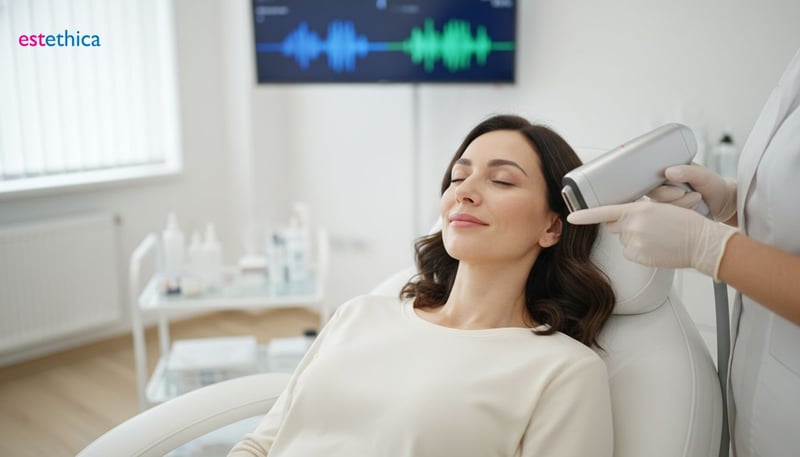
Exploring Dermatologist Laser Procedures for Your Skin
Dermatologist laser procedures represent a significant advancement in cosmetic dermatology, offering sophisticated solutions for a wide range of skin concerns. Beyond simply addressing isolated imperfections, these treatments are versatile tools designed to rejuvenate and enhance the overall appearance of the skin. From tackling persistent acne scars to diminishing the visibility of dark spots, laser technology provides targeted and effective results. The precision offered by these advanced tools allows dermatologists to customize treatments, ensuring optimal outcomes for diverse skin types and conditions. This meticulous approach is crucial for achieving both aesthetic improvements and maintaining skin health.
Understanding Laser Technologies for Skin Rejuvenation
The world of cosmetic dermatology utilizes various forms of light-based therapies, with lasers being a prominent category. These devices emit concentrated light energy that interacts with specific chromophores in the skin. For instance, certain lasers are adept at targeting melanin, effectively reducing hyperpigmentation and dark spots. Others focus on stimulating collagen production, which is vital for improving skin texture, reducing fine lines, and promoting a more youthful look. Treatments aimed at overall skin enhancement, often referred to as skin resurfacing, can dramatically improve tone and clarity. For those seeking more intensive rejuvenation, powerful fractional ablative lasers can tighten the skin and create a smoother, firmer complexion by encouraging significant collagen remodeling. The selection of the appropriate laser technology depends heavily on the individual's specific needs and desired outcomes, underscoring the importance of expert consultation.
Intense Pulsed Light (IPL) therapy, while not technically a laser, is another popular light-based treatment used in cosmetic practices. IPL emits broad-spectrum light to address redness and pigmentary issues. These diverse options highlight the breadth of available face skin laser treatment modalities. When considering the range of innovations available, understanding Cosmetic Dermatology: Advanced Face Skin Laser Treatment & Rejuvenation can provide valuable insights into the possibilities. The science behind these procedures involves harnessing the body's natural healing response, triggered by the controlled thermal injury from the laser energy, to generate new, healthier skin cells and collagen. This regenerative capacity is key to the transformative effects seen with effective face skin laser treatment.
The expertise of a qualified dermatologist is paramount in navigating the complexities of these advanced face skin laser treatment options. They possess the knowledge to accurately diagnose skin conditions and select the most suitable laser or light-based device. Furthermore, they can precisely calibrate treatment parameters—such as wavelength, energy intensity, and pulse duration—to match your unique skin type, tone, and specific cosmetic goals. This personalized approach ensures safety and maximizes the efficacy of the procedure, ultimately contributing to achieving the radiant and youthful appearance you desire. The field of cosmetic dermatology continues to evolve, offering increasingly refined and effective solutions for those looking to enhance their skin's health and appearance.

Advanced Laser Therapy for Facial Skin Rejuvenation
Leveraging focused light energy, advanced laser therapy stands as a cornerstone in cosmetic dermatology for dramatically enhancing facial skin appearance. This sophisticated approach meticulously targets a spectrum of concerns, from fine lines and wrinkles to textural irregularities and a general lack of radiance.
The mechanism involves directing specific wavelengths of light to stimulate the skin's natural rejuvenation processes. This controlled thermal injury acts as a catalyst, stimulating the body's innate healing response to promote collagen production and cell turnover.
Expert dermatologists utilize cutting-edge laser technologies to address a wide array of aesthetic concerns. Understanding the nuances of different laser types and their precise application is crucial for achieving optimal patient outcomes in facial skin rejuvenation.
The selection of the appropriate laser technology is paramount, as the effectiveness of a face skin laser treatment is often dependent on the specific type of laser employed for individual skin conditions.
Eradicating Dark Spots with Precise Skin Laser Treatment
Hyperpigmentation, manifesting as common concerns like dark spots, sun spots, or melasma, is a frequent issue addressed within the realm of cosmetic dermatology. Laser technology provides a precise and effective method for fading these discolorations.
The efficacy of lasers in treating hyperpigmentation lies in their ability to deliver energy selectively to the pigment-producing cells. This targeted approach breaks down excess melanin, allowing the body to clear it naturally.
Achieving optimal results typically requires a series of treatments, often spaced several weeks apart, to allow for gradual fading and skin recovery. The treatment process is carefully managed by dermatologists to ensure safety and efficacy for various skin types.
Patients can expect a noticeable reduction in the appearance of dark spots and a more even skin tone following a course of skin laser treatment. These advancements in cosmetic dermatology offer reliable solutions for achieving a brighter, more uniform complexion.