


Learn effective strategies for preventing keloids after surgery. Discover expert tips on wound care, silicone therapy, and when to seek professional treatment.
Preventing keloids after surgery involves a combination of proactive wound management and specialized scar care to inhibit excessive collagen production. By understanding the biological mechanisms of wound healing and using evidence-based interventions, individuals can reduce the risk of pathological scar formation. This guide outlines essential strategies for post-operative scar management to ensure optimal healing outcomes.
Understanding the Difference Between Hypertrophic Scars and Keloids
Distinguishing between scar types is essential for effective post-operative care following procedures like breast reduction surgery or rhinoplasty. Hypertrophic scars and keloids both result from abnormal wound healing, yet they differ in their growth patterns and clinical behavior. Research indicates that keloids are characterized by extensive growth that extends well beyond the borders of the original wound, a feature not observed in hypertrophic scars1.
Hypertrophic scars remain confined to the site of the original injury and often regress or flatten over time, making them easier to manage with aesthetic medicine interventions2. In contrast, keloids do not regress spontaneously and may require specific treatment protocols from a plastic surgeon near me to reduce their persistent growth. estethica Global emphasizes that identifying these characteristics early is vital for patients considering cosmetic surgery, as it informs the preventive measures taken during the recovery phase.
Surgical techniques that limit dermal tension, such as specific suturing methods, are frequently employed by specialists at estethica Global to reduce the risk of both hypertrophic scars and keloid formation4. While hypertrophic scars typically respond well to topical treatments like silicone gel sheeting, keloids are more resistant and often necessitate a multimodal approach3. Patients seeking advice on scar management, whether after a tummy tuck or a nose job, should consult with experienced professionals to determine the most effective strategy for their skin type.
Comparative Analysis of Scar Characteristics
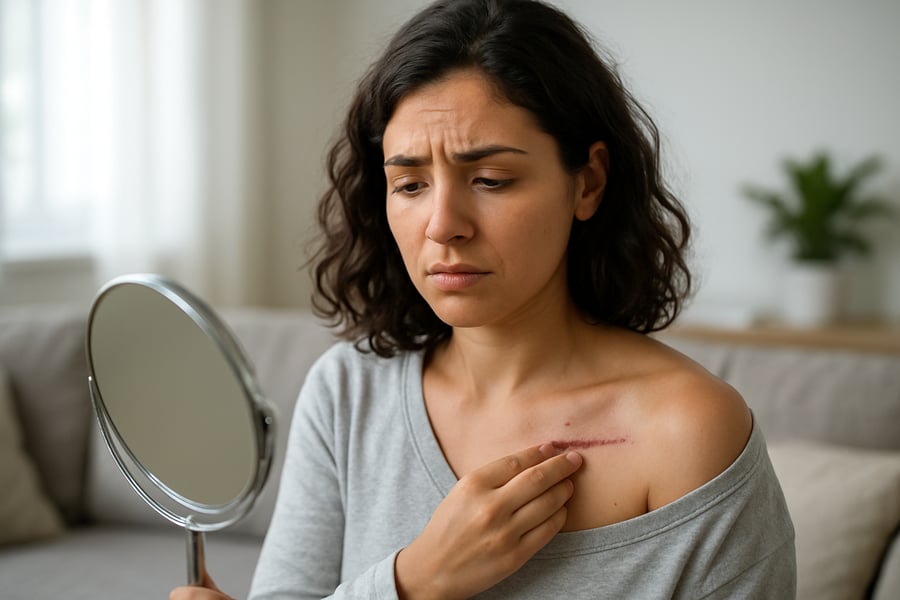
Essential Post-Operative Wound Care for Optimal Healing
Proper wound management serves as the primary defense against keloid formation, as the initial stages of healing dictate the quality of collagen deposition. Maintaining a clean and consistently moist environment help efficient skin regeneration while preventing the excessive inflammation that often triggers abnormal scar growth. estethica Global emphasizes that strict adherence to hygiene protocols during the first few weeks following a procedure lowers the risk of complications.
Hypertrophic scars remain confined to the original injury site and may regress over time, whereas keloids grow aggressively beyond the initial wound borders1,2. Clinical evidence supports the use of silicone gel sheeting to modulate the scar maturation process, showing a measurable reduction in the risk of hypertrophic scarring compared to untreated sites3. Patients are encouraged to consult with experts at estethica Global to determine the most effective topical treatments suitable for their specific surgical site.
Managing Wound Tension and Protection
Excessive tension on a surgical incision acts as a mechanical stimulus that promotes fibroblast proliferation and collagen overproduction. Surgical techniques such as subcutaneous and deep fascial tensile-reduction sutures are standard practice at estethica Global to minimize this tension and prevent keloid development in susceptible areas4. Patients should strictly follow activity restrictions, such as avoiding heavy lifting or stretching, to protect the incision from unnecessary stress during the critical remodeling phase.
Monitoring the incision for early signs of infection or prolonged redness is vital, as persistent inflammation can lead to dysregulated collagen deposition. Protecting the healing tissue from environmental irritants and ultraviolet exposure further supports the natural maturation of the skin. By maintaining a disciplined post-operative routine, patients optimize their recovery environment and ensure the best possible aesthetic outcome for procedures ranging from rhinoplasty to breast reduction.
The Estethica Global Guide to Preventing Keloids After Surgery
At estethica Global, we emphasize a structured approach to post-operative scar management. Preventing keloids after surgery requires a personalized protocol that addresses individual risk factors, such as genetic predisposition and the specific location of the incision. Keloids are characterized by their extensive growth beyond the borders of the original wound, which is not observed in hypertrophic scars1.
Surgical techniques that limit dermal tension, such as flaps, Z-plasties, and subcutaneous tensile-reduction sutures, are vital to prevent scar formation after surgery on susceptible body regions4. estethica Global incorporates these precision methods into procedures ranging from rhinoplasty and breast reduction to complex facial surgeries. By minimizing initial wound tension, the biological triggers for excessive collagen cross-linking are reduced.
Advanced Prophylactic Techniques
Keloid prophylaxis often involves a multi-modal approach tailored to the patient’s healing profile. Silicone gel sheeting has demonstrated a statistically significant difference in preventing the risk of irregular scarring compared to placebo groups3. For patients at higher risk, estethica Global specialists may recommend mechanical pressure therapy or early corticosteroid intervention to suppress fibroblast activity and achieve the best possible cosmetic outcomes.
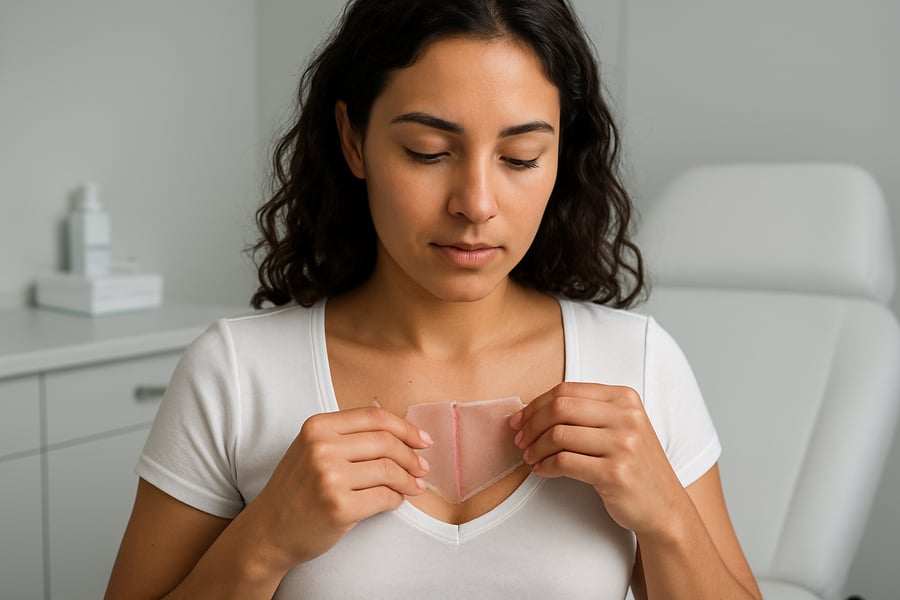
Top Dermatologist-Recommended Products for Effective Scar Management
Topical interventions serve as a primary defense against abnormal scarring following procedures such as breast reduction surgery, tummy tucks, or rhinoplasty. Silicone-based products are widely recognized as the gold standard for keloid prevention because they modulate cytokine expression and maintain essential skin hydration. By creating an occlusive barrier, these treatments reduce transepidermal water loss and support an environment conducive to healthy collagen remodeling3.
Clinical evidence summarizes a significant difference in outcomes when using silicone gel sheeting compared to non-active treatments for managing hypertrophic scar risk3. Experts at estethica Global emphasize that patients should apply these products consistently for several months to achieve optimal aesthetic results. using high-grade silicone or clinically proven formulations helps support the skin barrier during the critical phases of post-surgical healing.
Strategic Application for Scar Prevention
Surgical techniques that minimize dermal tension, such as the use of subcutaneous and deep fascial tensile-reduction sutures, act as the first line of defense during the procedure itself4. Following surgery, the integration of silicone therapy or paper tape fixation provides additional mechanical support that further reduces the risk of excessive scar tissue development4. Patients undergoing aesthetic medicine treatments or plastic surgery should consult with the specialists at estethica Global to develop a personalized post-operative care regimen tailored to their specific skin type and surgical site.
When to Seek Professional Keloid Scar Treatment After Plastic Surgery
Keloids are defined by their tendency to grow beyond the borders of the original wound, distinguishing them from typical hypertrophic scars that remain contained within the injury site 12. Patients who notice an incision line becoming increasingly firm, raised, or spreading into healthy surrounding tissue should schedule an evaluation at estethica Global immediately. Early intervention is essential because keloids do not regress naturally and often require specialized medical protocols to manage their aggressive growth pattern 2.
Persistent symptoms such as chronic itching, localized pain, or a change in scar pigmentation indicate that the healing process may be deviating from the norm. While standard post-operative care involves silicone gel sheeting to reduce scarring risks 3, these methods may be insufficient for individuals genetically predisposed to keloids. A consultation at estethica Global allows a plastic surgeon to assess the maturity of the scar and determine if therapies like intralesional corticosteroid injections or advanced laser treatments are necessary to prevent further progression.
Proactive Scar Management
Surgical success depends on both the procedure itself and the careful management of the resulting scar tissue. using advanced techniques that limit dermal tension—such as deep fascial tensile-reduction sutures—helps minimize the risk of abnormal scarring 4. If you are concerned about your recovery after procedures like a nose job, breast reduction, or tummy tuck, the team at estethica Global provides professional guidance to ensure that any signs of abnormal tissue growth are addressed before the keloid matures.

Mechanisms of Scar Management and Collagen Regulation
Patient Assessment, Expectations, and Safety Protocols
Frequently Asked Questions
Who is not a good candidate for elective cosmetic surgery due to keloid risks?
What should I do before surgery to minimize the risk of keloid formation?
Is it true that keloid scars can develop months after the surgery has healed?
How long does the recovery process take when managing potential keloid development?
What is the difference between hypertrophic scars and keloids?

Concerned About Surgical Scarring?
Get a personalized assessment of your healing process from the experts at estethica Global.
References
Superscript numbers in the content correspond to the references listed below.
- PubMed — Hypertrophic scars and keloids: Overview of the evidence and practical guide for differentiating between these abnormal scars
- NIH — Hypertrophic Scarring Keloids - StatPearls - NCBI Bookshelf
- PubMed — Review of Silicone Gel Sheeting and Silicone Gel for the Prevention of Hypertrophic Scars and Keloids
- PMC - NIH — The Most Current Algorithms for the Treatment and Prevention of Hypertrophic Scars and Keloids