


Compare porcelain vs composite veneers to find the best smile makeover. Learn about durability, application processes, and how to choose the right material.
Porcelain vs composite veneers are two distinct dental restoration methods used to improve tooth appearance, with porcelain offering superior durability and composite providing a more conservative, direct application. Understanding the material properties and application techniques helps patients select the best option for their specific aesthetic goals and dental health needs. This guide examines the clinical differences, procedural requirements, and long-term considerations for both restorative approaches.
Understanding the Differences Between Porcelain and Composite Veneers
Dental laminates offer significant results for patients looking to correct discoloration, minor misalignments, or structural damage. Porcelain veneers are custom-crafted in a laboratory setting, using high-strength materials like lithium disilicate to achieve a durable, natural-looking finish that mimics the light-reflecting properties of real enamel. In contrast, composite veneers are applied directly to the tooth surface by the dentist, allowing for a more conservative approach that requires little to no removal of the natural tooth structure.
Studies suggest that, long-term clinical success rates favor porcelain restorations, which have demonstrated exceptional longevity in dental studies. Research indicates that while both systems provide immediate aesthetic improvements, porcelain veneers maintain their integrity over time with a survival rate exceeding 90% for more than 10 years2. In a direct clinical comparison after two years, some resin-based veneers showed signs of wear or failure, whereas porcelain options remained fully intact with consistent gingival health1.
Material Comparison Analysis
Selecting the appropriate material depends on individual aesthetic goals and the specific clinical requirements of the patient. estethica Global provides personalized consultations to help patients navigate these choices, ensuring that the structural and cosmetic needs of each smile are met with precision. The following table highlights the primary distinctions between these two popular restorative options.

The Application Process for Porcelain Veneers at Estethica Global
The porcelain veneer application process at estethica Global begins with a thorough consultation to evaluate dental morphology and aesthetic objectives. Specialists assess whether the patient is a suitable candidate for this restorative intervention, ensuring that the treatment plan match their specific smile makeover goals. Clinical evidence highlights that porcelain veneers maintain superior longevity compared to resin alternatives, with studies showing consistent survival rates even after years of functional use1.
Dentists at estethica Global perform a precise enameloplasty to prepare the tooth surface, which accommodates the thickness of the ceramic shell while maintaining structural integrity. Digital or physical impressions are captured during this stage, serving as an exact blueprint for the laboratory fabrication of custom laminates. This careful preparation ensures that the final restorations are perfectly tailored to the patient's unique dental anatomy.
Bonding and Final Integration
The final phase involves an acid etching technique to prime the tooth surface for optimal bonding strength, followed by the application of a specialized adhesive agent. Once the porcelain veneer is positioned, light-cured polymerization secures the restoration for a durable and radiant result. Patients typically find that these veneers integrate smooth with their existing dentition, achieving a high survival rate that often exceeds 90% over a decade of wear2.
Achieving a Radiant Smile Makeover with Composite Veneers
A composite veneers smile makeover at estethica Global provides a conservative pathway to aesthetic improvement by layering tooth-colored resin directly onto the enamel. This technique typically requires minimal to no tooth preparation, making it a preferred choice for patients seeking a reversible and less invasive transformation for minor dental imperfections. While the procedure offers immediate aesthetic results, clinical data indicates that approximately 20% of resin veneers may experience failure or degradation within two years compared to more durable alternatives1.
The precision of a composite smile makeover relies heavily on the artistic skill of the dentist, who must sculpt the resin chairside to achieve an ideal shape and shade. Patients often select this method for closing small diastemas or masking superficial chips, as the bonding process allows for real-time adjustments to match individual facial features. Because the longevity of composite resin is influenced by oral hygiene and dietary habits, consistent maintenance is essential to prevent staining and wear.
The Role of Direct Bonding
Direct bonding use a chemical adhesive process to secure the resin material firmly to the natural tooth structure. This approach is highly efficient for targeted corrections, allowing for a personalized smile design that blends smooth with existing dentition. While dental veneers generally maintain a high survival rate of over 90% when monitored over a decade2, patients should consult with specialists at estethica Global to determine if composite resin or porcelain veneers are better suited for their specific functional and aesthetic needs.
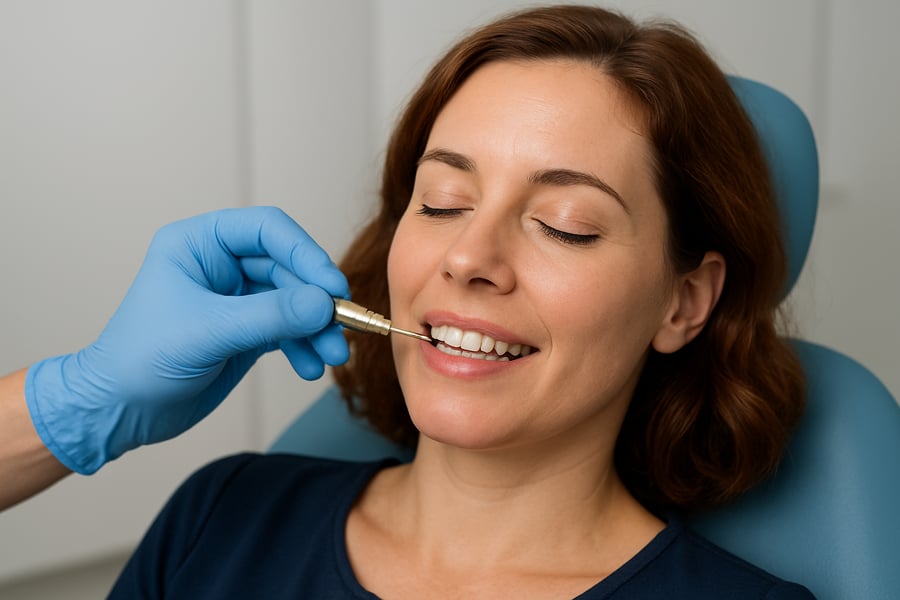
Comparing Durability and Stain Resistance of Veneer Materials
Porcelain restorations provide superior resistance to surface wear and staining compared to resin-based composite veneers. Because porcelain is a non-porous ceramic material, it maintains its color stability and natural luster over many years, even when exposed to coffee, tea, or tobacco. Research highlights that porcelain veneers maintain their integrity longer than resin alternatives, with clinical trials showing full survival rates for porcelain in scenarios where composite options experienced failures1.
Composite resin materials are inherently more porous, making them susceptible to micro-leakage and gradual surface degradation as they interact with daily dietary habits. While composite veneers offer an effective and accessible solution for minor smile makeovers, they typically require more frequent polishing or replacement to maintain their initial aesthetic appeal. Patients choosing between these options at estethica Global often prioritize the long-term color stability of porcelain to avoid the maintenance demands associated with resin-based restorations.
Long-term Survival and Clinical Performance
Clinical evaluations consistently summarizes that dental veneers possess high survival rates, with many porcelain restorations exceeding 90% survival over a decade of use2. The hardness of the ceramic material effectively resists the abrasive forces of mastication, ensuring that the structural integrity of the veneer remains intact under normal biting pressures. estethica Global recommends consistent professional oral care to preserve the health of the underlying tooth structure and prevent marginal staining, regardless of the specific material selected for your smile makeover.

Clinical Methods and Material Application
Operational Standards and Patient Care
Frequently Asked Questions
Who is not a suitable candidate for a composite veneers smile makeover?
What specific maintenance routines are required for long-term care of porcelain vs composite veneers?
Are there any specific dietary restrictions following the placement of dental veneer materials?
Is it true that veneers cause permanent damage to natural tooth enamel?

Not Sure Which Veneer Is Right For You?
Compare porcelain and composite options with a specialist to find your perfect smile match.
References
Superscript numbers in the content correspond to the references listed below.
- J Am Dent Assoc. — Porcelain and resin veneers clinically evaluated: 2-year results
- PubMed Central (PMC) / U.S. National Institutes of Health's National Library of Medicine (NIH/NLM) — Clinical Survival Rate and Laboratory Failure of Dental Veneers: A Narrative Literature Review