


Explore Otoplasty at estethica. Whether you seek surgical or non-surgical solutions, redefine your profile with expert care and advanced technology at our leading health facility.
Otoplasty, a type of cosmetic ear surgery, is gaining popularity for its ability to enhance facial symmetry and build confidence. This transformative surgery addresses ear shape, size, or position concerns that individuals may have struggled with since childhood. As a leading center in innovative cosmetic procedures, estethica offers state-of-the-art otoplasty services designed to meet each patient's unique needs. But what makes one a suitable candidate for otoplasty, and what can you expect from this process? We'll delve into the world of ear surgery to help you understand and explore its potential to reshape not just your ears—but also your self-image.
What is Otoplasty and Who is a Good Candidate?
Ideal Candidates for Ear Reshaping
Otoplasty, also known as cosmetic ear surgery or ear pinning, is a transformative procedure designed to correct the shape, position, or size of the ears. It's particularly beneficial for individuals self-conscious about protruding ears, which can affect self-esteem, especially in children and adolescents. The procedure aims to bring the ears into a more harmonious proportion with the head and face, enhancing overall facial aesthetics. According to the American Society of Plastic Surgeons, a significant percentage of otoplasty procedures are performed on children, often before they enter school, to prevent potential psychological distress related to their appearance.
A good candidate for otoplasty is typically someone in good general health, without any underlying medical conditions that could impair healing. Children should be at least five years old, as their ears are generally fully developed by this age. Adults seeking ear reshaping should have realistic expectations about the outcomes of the surgery. At estethica, we conduct thorough evaluations to ensure that each patient is physically and emotionally prepared for the procedure, tailoring our approach to meet their specific needs and aesthetic goals. We prioritize open communication, ensuring that patients are fully informed about the potential benefits and limitations of otoplasty.
Factors Influencing Otoplasty Cost
- Surgeon's Expertise: The experience and qualifications of the plastic surgeon significantly influence the overall cost of otoplasty. Highly skilled surgeons often charge more for their services due to their specialized knowledge and proven track record.
- Surgical Facility: The location and type of facility where the surgery is performed also impact the cost. Procedures conducted in accredited surgical centers or hospitals may have higher fees compared to those performed in smaller clinics.
- Extent of Correction: The complexity of the otoplasty procedure, including the degree of reshaping or repositioning required, can affect the total cost. More extensive corrections may necessitate longer surgical times and additional resources.
The cost of otoplasty can vary based on several key factors. At estethica, we strive to provide transparent and detailed cost estimates during the initial consultation. Understanding these factors helps patients make informed decisions about their ear surgery journey.

Ear Pinning: Correcting Protruding Ears for a Balanced Profile
Benefits of Early Ear Pinning Intervention
Ear pinning, or pinnaplasty, is a subset of otoplasty focused specifically on repositioning protruding ears closer to the head. This procedure can be life-changing, particularly for children who may face teasing during their formative years. By achieving a more proportionate profile, patients often experience substantial boosts in confidence. At estethica, our expert surgical team uses the latest technology to ensure minimal scarring and optimal results, thus empowering individuals with a sense of newfound balance and harmony in their appearance. Early intervention can prevent years of potential emotional distress, fostering a positive self-image during crucial developmental stages.
The psychological benefits of ear pinning extend beyond childhood. Adults who have felt self-conscious about their ears for many years report a significant improvement in their self-esteem and social interactions post-surgery. Ear reshaping enhances facial symmetry, contributing to a more balanced and aesthetically pleasing look. At estethica, we understand the profound impact that cosmetic enhancements can have on an individual’s overall well-being, and we are committed to providing personalized care to achieve the best possible outcomes. Our approach focuses on creating natural-looking results that complement each patient’s unique facial features, ensuring satisfaction and renewed self-confidence.
What to Expect During Ear Pinning Recovery
- Initial Post-Op Phase: Immediately following ear pinning surgery, patients can expect some mild discomfort and swelling. Pain medication is typically prescribed to manage any discomfort.
- Wearing a Headband: A supportive headband is usually worn for a few weeks to protect the ears and help maintain the new position. This is crucial for proper healing and achieving the desired aesthetic outcome.
- Gradual Return to Activities: Most patients can return to their normal daily activities within a week or two, although strenuous activities should be avoided for a longer period to prevent complications.
The recovery process after ear pinning is generally straightforward, with most patients experiencing minimal disruption to their daily lives. At estethica, we provide detailed post-operative instructions and ongoing support to ensure a smooth and comfortable recovery. We emphasize the importance of following these guidelines to optimize healing and achieve the best possible results from the ear reshaping procedure.
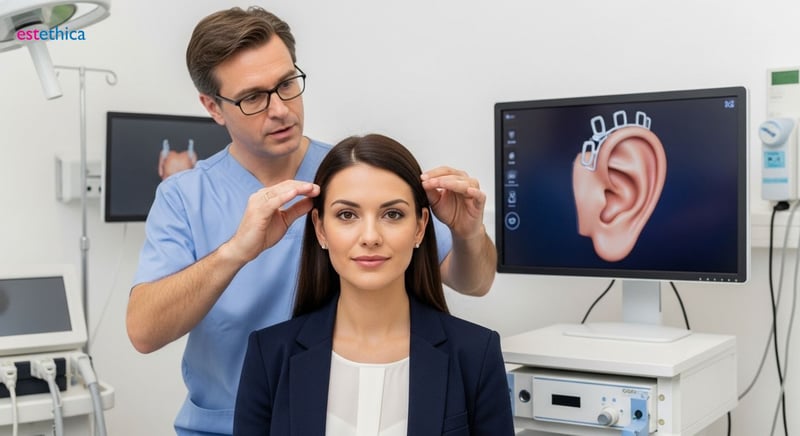
Navigating Ear Surgery Recovery: What to Expect
Essential Steps for a Smooth Ear Surgery Recovery
The journey to full recovery after ear surgery is a process that requires patience and adherence to post-operative guidelines. Initially, patients may experience mild discomfort, swelling, and bruising around the ears, which are normal and temporary. Prescribed pain medication can effectively manage any discomfort during the first few days. It's crucial to keep the head elevated, even while sleeping, to minimize swelling and promote proper healing. estethica emphasizes the importance of diligent wound care, including gentle cleaning and application of prescribed ointments, to prevent infection and ensure optimal results.
Avoiding strenuous activities and contact sports is essential for several weeks following surgery to prevent trauma to the healing ears. Patients should also be cautious when showering or bathing to keep the incision sites dry and clean. Follow-up appointments with the surgical team at estethica are crucial for monitoring progress and addressing any concerns that may arise. Our comprehensive aftercare program is designed to provide ongoing support and guidance, ensuring that each patient achieves the best possible outcome from their ear surgery. In fact, studies show that patients who closely follow their surgeon's post-operative instructions experience a significantly faster and more comfortable recovery.
Key Elements of Post-Otoplasty Care
- Medication Management: Adhering to the prescribed medication schedule is vital for pain control and preventing infections. Antibiotics, if prescribed, should be taken as directed to minimize the risk of complications.
- Wound Care: Gentle cleaning of the incision sites with mild soap and water, followed by the application of prescribed ointments, promotes healing and reduces the risk of infection. Avoid harsh scrubbing or picking at scabs.
- Activity Restrictions: Limiting physical activity, especially strenuous exercises and contact sports, is crucial for preventing trauma to the healing ears. Gradual reintroduction of activities should be discussed with your surgeon.
Proper post-operative care is paramount for achieving the desired results and minimizing the risk of complications following ear surgery. At estethica, we provide detailed instructions and ongoing support to ensure a smooth and successful recovery.
Understanding the Factors Influencing Otoplasty Cost
- Anesthesia Fees: The type of anesthesia used (local or general) and the duration of the surgery will affect anesthesia costs. Fees vary based on the anesthesiologist's qualifications and the complexity of the anesthesia required.
- Pre- and Post-Operative Care: Costs associated with pre-operative consultations, medical tests, and post-operative follow-up appointments. Comprehensive care ensures proper assessment and monitoring throughout the surgical journey.
- Type of Otoplasty Procedure: The specific technique used, such as ear pinning, ear reduction, or ear augmentation, impacts the overall cost. Complex procedures requiring advanced techniques may involve higher fees.

Beyond Surgery: Exploring Non-Surgical Ear Reshaping Options
Ideal Candidates for Non-Surgical Ear Reshaping
Non-surgical ear reshaping offers a less invasive alternative for individuals seeking subtle improvements in ear appearance. This approach is particularly suitable for those with minor ear asymmetries or volume deficiencies who wish to avoid the risks and downtime associated with surgery. Dermal fillers, composed of biocompatible substances, can be strategically injected to reshape ear contours, correct small deformities, or add volume to create a more balanced look. According to the American Society for Dermatologic Surgery, non-surgical cosmetic procedures have seen a steady rise in popularity, reflecting a growing demand for minimally invasive options.
Individuals considering non-surgical ear reshaping should have realistic expectations about the achievable outcomes. While dermal fillers can provide noticeable enhancements, the results are not as permanent or dramatic as those achieved through otoplasty. At estethica, our skilled dermatologists conduct thorough consultations to assess each patient's unique ear anatomy and aesthetic goals, determining whether non-surgical reshaping is a suitable option. We prioritize patient education, ensuring that individuals are fully informed about the procedure, potential risks, and expected results. Our approach focuses on delivering natural-looking enhancements that complement each patient's overall facial harmony, providing a safe and effective alternative to surgical intervention.
Benefits of Non-Surgical Ear Reshaping
- Minimal Downtime: Non-surgical ear reshaping typically involves little to no downtime, allowing patients to resume their normal activities immediately after the procedure. This makes it an attractive option for those with busy schedules.
- Reduced Risk: Compared to surgical otoplasty, non-surgical ear reshaping carries a lower risk of complications such as infection, scarring, and anesthesia-related issues. This makes it a safer alternative for certain individuals.
- Reversible Results: Dermal fillers used in non-surgical ear reshaping are temporary, with results lasting from several months to a year. This allows patients to try out changes to their ear shape without committing to a permanent alteration.
Non-surgical ear reshaping offers a convenient and effective way to enhance ear aesthetics without the need for surgery. At estethica, we provide personalized treatment plans tailored to each patient's unique needs and desired outcomes, ensuring a safe and satisfying experience.
Ideal Candidates for Non-Surgical Ear Reshaping
- Minor Asymmetries: Non-surgical ear reshaping is effective for correcting slight differences in ear shape or size. Dermal fillers can balance the appearance of the ears, creating a more symmetrical look.
- Volume Enhancement: Individuals with ears that lack definition or volume can benefit from dermal fillers, which add fullness and contour to the earlobes and other areas. This can improve the overall shape and proportion of the ears.
- Minimal Downtime Preference: Patients seeking immediate results with minimal recovery time are well-suited for non-surgical ear reshaping. The quick procedure and lack of downtime make it a convenient option for those with busy lifestyles.
Non-surgical ear reshaping is a versatile solution for addressing various cosmetic ear concerns without surgery. At estethica, we offer comprehensive consultations to determine if this approach is right for you, providing customized treatments to achieve your aesthetic goals.
Pinnaplasty: Achieving Facial Harmony Through Precise Ear Repositioning
estethica specializes in otoplasty, including pinnaplasty, utilizing advanced surgical techniques to correct ear shape, size, and position. The focus is on creating natural-looking results that enhance facial symmetry and overall aesthetics, with a commitment to tailoring the approach to each patient's specific needs.
estethica's expert surgical team has extensive experience in cosmetic ear surgery, particularly in addressing protruding ears. With a deep understanding of facial aesthetics, they ensure minimal scarring and optimal results. Their proficiency extends to both children and adults, providing personalized care to achieve the best possible outcomes.
Comprehensive Post-Otoplasty Care for Optimal Healing and Results
estethica provides detailed post-operative instructions and ongoing support to ensure a smooth and comfortable recovery after ear surgery. They emphasize diligent wound care, medication management, and activity restrictions to minimize complications and achieve the best possible results. Follow-up appointments are crucial for monitoring progress and addressing any concerns.
Patients at estethica report high satisfaction with their ear surgery outcomes, citing improved self-esteem and a more balanced facial appearance. The hospital’s commitment to personalized care and comprehensive support contributes to positive patient experiences and successful results.
Frequently Asked Questions
What is otoplasty, and who is a good candidate for ear surgery?
What does ear pinning correct, and what are the benefits of this type of ear surgery?
What can I expect during the recovery process after undergoing ear surgery?
Are there non-surgical options available for ear reshaping, and who are they suitable for?
What factors influence the overall cost of otoplasty or other cosmetic ear surgery procedures?
Ready to experience world-class aesthetic and healthcare services?
📞 Book Your Free Consultation!