


A comprehensive guide to Otoplasty surgery, covering ear reshaping for prominent ears, understanding the procedure, recovery, and before and after results. Learn what otoplasty is and how it can enhance facial aesthetics.
Are you considering Otoplasty surgery to address prominent ears or improve ear aesthetics? You're in the right place. This comprehensive guide delves into the world of ear correction surgery, exploring what otoplasty entails, the benefits of ear reshaping, and what to expect throughout the process. Whether you're curious about the procedure itself, the recovery, or the remarkable ear correction surgery before and after transformations, we cover it all. Discover how cosmetic ear surgery can boost confidence and provide a harmonious facial balance, answering your key questions along the way.Otoplasty for Prominent Ears: Your Guide
Prominent ears, often colloquially referred to as 'bat ears', can be a source of significant self-consciousness for individuals of all ages. Fortunately, otoplasty for prominent ears offers a highly effective solution. This specialized surgical procedure is meticulously designed to reshape and reposition the ears, bringing them closer to the head and creating a more natural, aesthetically pleasing facial balance.
The primary goal of this type of ear surgery is not solely about improving appearance; it's also about alleviating the psychological discomfort and potential social anxiety that can arise from having ears that stand out. The techniques employed in otoplasty for prominent ears focus on adjusting the underlying cartilage to achieve a refined and harmonious look. For many, undergoing this procedure represents a turning point, enhancing not just their profile but also their overall confidence and self-esteem.
Understanding the Otoplasty Procedure
During otoplasty surgery, a skilled surgeon will make incisions, usually behind the ear, to access the cartilage. The exact approach varies depending on the specific ear shape and the desired outcome. Often, the cartilage is reshaped by scoring or folding it, and sometimes a small amount of cartilage may be removed. The ear is then secured in its new position with sutures, which are typically dissolvable. The aim is to create a more natural fold and reduce the angle between the ear and the side of the head. This detailed work ensures that the results are both subtle and impactful. Recovery typically involves wearing a supportive bandage for a period to protect the newly positioned ears.
Benefits Beyond Aesthetics
While the aesthetic improvement is often the most visible benefit of otoplasty surgery, the psychological impact can be even more profound. For individuals who have felt self-conscious about their prominent ears throughout their lives, this surgery can be life-changing. It allows them to feel more comfortable in social situations, less inclined to hide their ears with hairstyles, and generally more confident in their appearance. The success of otoplasty for prominent ears lies in its ability to provide a lasting solution that harmonizes the ears with the rest of the facial features. If you're interested in learning more about the broader aspects of this procedure, consider reading our complementary guide on Otoplasty: Ear Surgery for Prominent Ear Correction. This comprehensive overview can provide further insights into the world of otoplasty surgery and its transformative potential. The outcome of this particular type of ear surgery can lead to a significant boost in self-assurance.

How to Fix Protruding Ears: Solutions & Results
For individuals concerned about protruding ears, the most effective and definitive solution lies in a surgical procedure known as otoplasty. This is a common and highly successful form of reconstructive and cosmetic ear surgery designed to improve the shape, position, or size of the ears. The specific techniques employed in otoplasty for prominent ears are tailored to the underlying cause of the protrusion. Often, protruding ears are a result of cartilage that is too large, lacks a natural fold (the antihelical fold), or both. Addressing these factors is key to achieving a more aesthetically pleasing outcome.
The surgical intervention for protruding ears typically involves carefully reshaping the cartilage. This might include reducing the size of overly large ear cartilage, particularly in the conchal area, or meticulously creating the antihelical fold to bring the ear closer to the side of the head. In some cases, a combination of these techniques is necessary. The goal is always to produce symmetrical and natural-looking results that harmonize with the individual's facial features. The precision involved ensures that the ears appear naturally positioned, rather than surgically altered.
The Otoplasty Procedure and Recovery
Otoplasty surgery is generally performed under local anesthesia with sedation or general anesthesia, depending on the patient's age and preference. The incisions are typically made behind the ear, making them virtually invisible once healed. Surgeons use sutures, sometimes combined with cartilage sculpting or scoring, to reposition and reshape the ear cartilage. The duration of the procedure varies but is often around one to two hours.
Following the operation, patients are usually required to wear a supportive headband, especially during sleep, for several weeks to protect the ears and maintain the corrected position as the tissues heal. While some discomfort is expected, it is generally well-managed with prescribed pain medication. Most patients can return to their normal daily activities within a week or two, with strenuous activities avoided for a slightly longer period. The final results of otoplasty for prominent ears become apparent as swelling subsides over the following months, offering a permanent enhancement and a significant boost in self-confidence.
The satisfaction rates following this type of ear aesthetic surgery are remarkably high, with patients often expressing profound relief and increased self-esteem. For those seeking a deeper understanding of the surgical aspects and aesthetic goals of ear correction, exploring resources on Otoplasty & Ear Surgery: Reshaping Prominent Ears for Aesthetics can provide valuable insights into the transformative potential of the procedure.
Ear Correction Surgery Before and After
Exploring ear correction surgery before and after results offers a compelling glimpse into the transformative power of otoplasty. For individuals who have long felt self-conscious about the appearance of their ears, particularly in cases of prominent ears or other aesthetic concerns, the prospect of surgical correction can be life-changing. The journey typically begins with a desire to improve one's profile and boost self-confidence. Many people find that the position, size, or shape of their ears impacts their overall facial harmony and personal comfort.
Understanding the Transformation
Before undergoing otoplasty surgery, patients often experience varying degrees of self-consciousness. Protruding ears, for instance, can lead to a reluctance to wear certain hairstyles or participate in activities where the ears are highly visible. The primary goal of this type of ear surgery is to reposition the ears closer to the head, reduce their overall size if necessary, or reshape them to achieve a more balanced and natural appearance. The visual impact of a successful otoplasty surgery is significant. Following the procedure and recovery period, the ears are typically found to be more proportionate to the rest of the face, resolving the concerns that prompted the individual to seek treatment.
It is crucial for prospective patients to understand the realistic outcomes of ear surgery. Consulting with a qualified and experienced surgeon is paramount. During this consultation, surgeons can provide detailed explanations of the techniques used and show ear correction surgery before and after examples from their own practice. This allows individuals to set appropriate expectations and make an informed decision about proceeding with the procedure. The entire process, from the initial consultation and the surgical intervention itself to the post-operative recovery phase, is geared towards achieving a refined and aesthetically pleasing result that enhances the patient's confidence and overall well-being. For a deeper understanding of the procedure and its benefits, consider exploring resources like Otoplasty: Expert Ear Surgery & Reshaping Services.
Comparing Pre and Post-Operative Outcomes
The comparison between the "before" and "after" states is often striking. While the "before" picture may show ears that the individual perceives as overly large, too prominent, or misshapen, the "after" images typically display a harmonious integration of the ears with the facial structure. This improvement in symmetry and proportion can lead to a significant boost in self-esteem and a reduction in the anxieties associated with their ear appearance. The recovery period is a vital part of the process, during which the ears heal and settle into their new position. While discomfort is managed, the ultimate reward is a permanent enhancement in appearance. The success of otoplasty surgery lies in its ability to provide a lasting solution for those seeking improved ear aesthetics through precise surgical techniques.
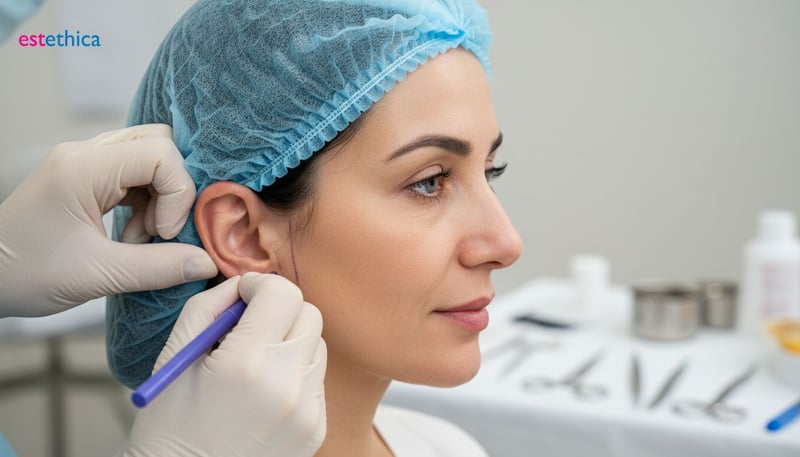
Understanding Cosmetic Ear Surgery: What is Otoplasty?
When considering aesthetic improvements to the face, the ears often play a crucial role in overall harmony and balance. This is where otoplasty surgery comes into play. But what is otoplasty? In essence, it is the surgical procedure designed to reshape or reposition the ears. As a specialized form of ear surgery, it addresses a variety of concerns, from ears that appear overly prominent to those with irregular shapes or damage resulting from injury. The primary objective of this type of ear surgery is to enhance the visual appeal of the ears, thereby contributing to a more balanced and aesthetically pleasing facial profile.
The Scope of Otoplasty Surgery
The field of otoplasty surgery is broad, encompassing techniques to correct several common ear concerns. Perhaps the most frequently addressed issue is that of otoplasty for prominent ears, often referred to colloquially as "sticking out" ears. Beyond this, the procedure can rectify ears that are unusually small, misshapen, or have undergone structural changes due to trauma. The journey towards achieving desired ear aesthetics through otoplasty surgery is highly personalized. Surgeons employ a range of specialized techniques, carefully selected and adapted to the unique anatomical characteristics and aesthetic goals of each patient. This bespoke approach ensures that the results appear natural and harmonious with the individual's facial features. It's important to note that otoplasty surgery is not limited to adults; it is a viable option for children as well, often performed once the ear cartilage has reached sufficient maturity, typically around the age of five or six.
Addressing Prominent Ears and Beyond
For individuals seeking to correct ears that protrude excessively, otoplasty for prominent ears offers a significant solution. The procedure involves carefully manipulating the cartilage to create a more natural contour and reduce the distance between the ear and the side of the head. This can dramatically improve self-confidence and alleviate self-consciousness. Beyond just protrusion, the versatility of this ear surgery extends to refining overall ear shape and size. Understanding the fundamental aspects of otoplasty surgery can help demystify the process and prepare you for a potential consultation. For a more in-depth exploration of the transformative potential of this procedure, you can read more about Otoplasty: Reshape Your Ears for Natural Harmony.

Expert Ear Reshaping: Advanced Otoplasty Techniques for Prominent Ears
This guide delves into otoplasty, a specialized surgical procedure meticulously designed to address prominent ears, often referred to as 'bat ears'. We explore the advanced techniques employed by skilled surgeons to reshape and reposition the ears, creating a more natural and aesthetically pleasing facial balance.
Our focus is on providing comprehensive information about ear correction surgery, detailing how to effectively fix protruding ears and the solutions offered by ear reshaping. The content highlights the specific surgical interventions and the precise cartilage manipulation involved in achieving optimal results.
With a deep understanding of ear aesthetics and reconstructive surgery, our expertise lies in offering effective solutions for individuals seeking to improve the appearance of their ears. We are dedicated to explaining the intricacies of otoplasty, ensuring patients are well-informed about the procedure and its potential benefits.
We are committed to providing detailed insights into cosmetic ear surgery, clarifying what otoplasty is and how it can address not only prominent ears but also other ear shape concerns, thereby enhancing overall facial harmony and individual confidence.
Your Trusted Guide to Otoplasty: Understanding the Procedure and Recovery
For individuals concerned about protruding ears, the most effective and definitive solution lies in a surgical procedure known as otoplasty. We demystify the process, explaining the typical surgical intervention for protruding ears, which involves carefully reshaping the cartilage.
Otoplasty surgery is generally performed under local anesthesia with sedation or general anesthesia, depending on the patient's age and preference. We provide clarity on what patients can expect, including the procedure itself and the recovery phase, fostering trust through transparency.
Before undergoing otoplasty surgery, patients often experience varying degrees of self-consciousness regarding their ear appearance. This guide addresses those concerns directly, offering reassurance and detailing how ear correction surgery can lead to significant improvements in self-perception.
While the aesthetic improvement is often the most visible benefit of otoplasty surgery, the psychological impact can be even more profound. We highlight how this ear correction surgery can alleviate self-consciousness and boost confidence, leading to happier and more self-assured individuals.