


Learn about the nose surgery recovery timeline. Discover essential post-operative care, swelling management, and activity guidelines for a smooth healing process.
The nose surgery recovery timeline is a structured healing process that typically spans several months, involving initial acute recovery followed by gradual tissue remodeling. Understanding this progression helps patients manage expectations regarding swelling, bruising, and the return to daily activities. This guide details the essential phases of healing and provides evidence-based strategies for optimal post-operative care.
The Complete Nose Surgery Recovery Timeline Week by Week
The initial phase of nose surgery recovery centers on managing the inflammatory response and protecting the structural integrity of the nasal framework. Patients must wear a nasal splint for the first week to stabilize the bones and cartilage, while keeping the area dry and avoiding any physical impact to ensure proper alignment1. estethica Global recommends sleeping with the head improve 30 to 45 degrees during this period to minimize facial swelling and improve comfort.
Internal tissue healing requires significant patience, as blowing the nose is strictly prohibited for the first two weeks to prevent trauma to the delicate surgical site2. By the end of this timeframe, estethica Global typically removes the nasal splint, allowing patients to observe the initial results as the primary bruising around the eyes fades. Despite this progress, internal congestion remains common until the mucosal lining fully recovers.
Long-Term Nasal Remodeling
Long-term recovery involves the gradual resolution of residual edema, which can take several months as the collagen matrix reorganizes. While most patients resume normal daily activities within a few weeks, estethica Global advises avoiding strenuous exercise for at least two weeks and abstaining from contact sports for three months to prevent accidental injury1. Full refinement of the nasal contour is a slow process that continues for up to one year following the procedure.
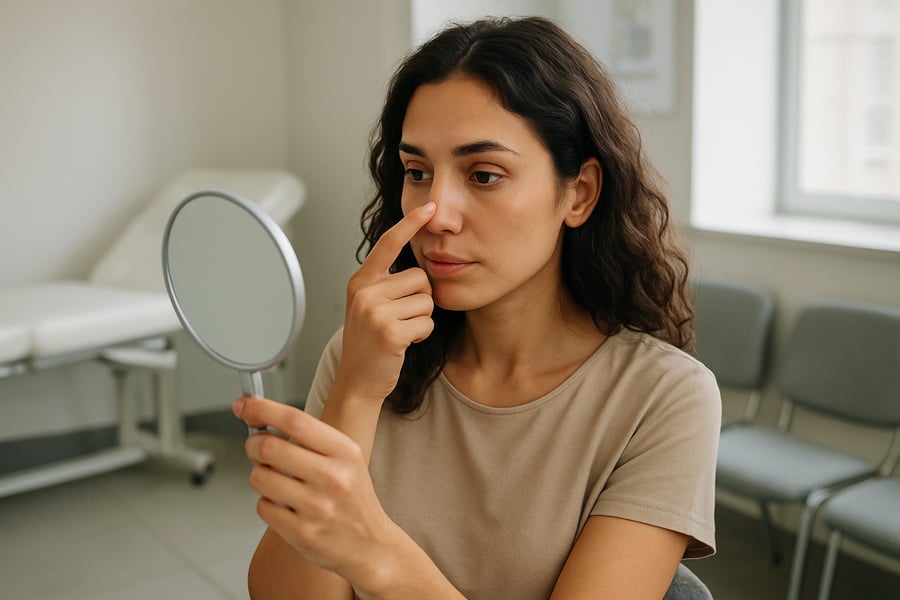
Essential Post-Operative Care Instructions for Estethica Global Patients
Adhering to a structured post-operative recovery plan is vital for achieving optimal results after nose surgery. Patients at estethica Global must sleep with their head improve at a thirty to forty-five-degree angle during the initial recovery phase to minimize facial edema1. Maintaining this position helps promote lymphatic drainage and reduces fluid accumulation in the periorbital region.
Keeping the nasal splint dry and intact is a primary requirement for a smooth healing process during the first week1. estethica Global patients should strictly avoid blowing their nose for at least two weeks to prevent pressure on the delicate internal tissues and structures2. Continuous use of cold compresses for the first forty-eight hours further assists in managing swelling and bruising around the surgical site1.
Activity Restrictions and Long-Term Protection
Strenuous physical activity must be avoided for at least two weeks post-surgery to maintain stable blood pressure and prevent complications1. Patients should refrain from engaging in contact sports for three months and avoid activities like skiing or diving for two months to protect the nasal bridge from accidental trauma1. Following these guidelines ensures that the bone and cartilage, which continue to heal for several months, remain undisturbed and properly aligned2.
Effective Strategies for Managing Pain and Reducing Swelling After Rhinoplasty
Proper management of inflammation and physical discomfort is vital for a smooth nose surgery recovery. Applying cold compresses to the cheek area helps modulate the inflammatory response during the initial forty-eight hours, though patients should avoid placing ice directly on the nasal bridge to protect the surgical site1. Maintaining the head at a 30 to 45-degree angle while sleeping further assists in minimizing facial edema throughout the first week of healing1.
estethica Global prioritizes patient comfort by emphasizing strict adherence to prescribed medication schedules to manage post-operative pain effectively. Avoiding strenuous physical activity, such as heavy lifting or intense exercise, for at least two weeks is necessary to prevent tissue trauma and ensure stable structural healing1. Patients must also refrain from blowing their nose during the first two weeks to protect the delicate internal tissues as they stabilize2.
Hydration and environmental awareness play significant roles in the long-term success of nose surgery. Staying well-hydrated supports the body's natural tissue repair processes, while keeping the nasal splint dry ensures the surgical area remains protected from potential irritation1. estethica Global provides thorough recovery support, ensuring patients have the necessary resources to navigate the healing timeline safely and efficiently.
Recovery Support Packages
When to Safely Resume Exercise and Physical Activity Post-Surgery
Resuming physical activity requires a cautious, phased approach to avoid complications and ensure optimal healing after nose surgery. Strenuous exercise increases blood pressure and heart rate, which can exacerbate swelling and potentially affect the healing of the osteotomy site. Clinical standards from estethica Global and medical institutions suggest that patients should avoid strenuous activities for at least two weeks following the procedure1.
Light walking is encouraged early in the recovery process to promote circulation and prevent complications like blood clots. More intense workouts, such as weightlifting or high-intensity interval training, must be postponed until the surgeon confirms that the nasal bones have achieved sufficient stability. This timeline varies based on the complexity of the procedure, including whether a septoplasty was performed2.
Long-Term Activity Restrictions
Contact sports and activities with a high risk of facial impact require a much longer period of avoidance to protect the structural integrity of the nose. Medical experts recommend waiting at least three months before participating in any sport where the nose could be struck1. Similarly, activities like diving or skiing should be avoided for at least two months to prevent trauma and protect nasal structures from significant pressure changes1.
Understanding the Nasal Splint Removal Process and Long-Term Healing
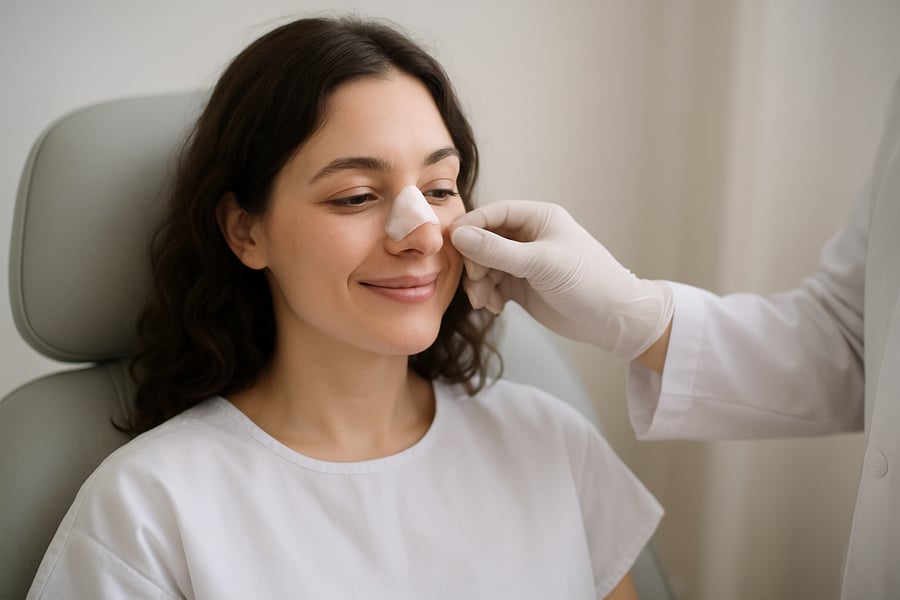
The removal of the nasal splint typically occurs one week after nose surgery at estethica Global, serving as a critical checkpoint in the recovery timeline. Specialists carefully detach the splint to inspect the initial alignment of the nasal structures, providing patients with their first view of the surgical progress. While the nose will appear swollen immediately upon removal, this is a normal part of the adjustment period as the tissues begin to breathe and settle without external support.
Healing of the underlying bone and cartilage is a gradual progression that extends well beyond the removal of physical supports. Patients should avoid blowing their nose during the initial two weeks following the procedure to prevent pressure on sensitive internal tissues2. Experts at estethica Global emphasize that consistent post-operative care, such as keeping the area clean and protected, is vital for achieving optimal long-term results.
Managing the Maturation Phase
Complete structural stabilization requires several months of patience as the skin and deep tissues adapt to the new nasal framework2. Although the majority of visible swelling subsides within the first few months, the refined contours of the nose continue to sharpen as collagen fibers remodel. Staying diligent with follow-up appointments at estethica Global ensures that each stage of this maturation process is monitored for healthy and predictable outcomes.

Surgical Methods and Recovery Technologies
Post-Operative Management and Realistic Expectations
Frequently Asked Questions
Who is generally considered an unsuitable candidate for rhinoplasty surgery?
What specific pre-operative preparations are necessary to ensure a smooth nose surgery recovery timeline?
Is it true that wearing glasses is strictly prohibited during the nose surgery recovery timeline?
What are the primary differences between functional septoplasty and cosmetic rhinoplasty recovery?

Ready for a Smoother Recovery?
Get professional insights on managing your healing process and post-operative care.
References
Superscript numbers in the content correspond to the references listed below.
- University of Mississippi Medical Center — Postoperative Care of Rhinoplasty
- Cleveland Clinic — Septoplasty: Procedure & Recovery