


Follow our thorough nose job recovery guide to understand the healing timeline, post-op care, and tips for managing swelling after your rhinoplasty.
A nose job recovery guide provides the necessary protocols and expectations for patients navigating the healing process after rhinoplasty. Understanding the timeline and care requirements helps manage post-operative symptoms effectively while supporting optimal tissue remodeling. This guide outlines the essential stages of healing and practical strategies for a smooth recovery experience.
thorough Rhinoplasty Recovery Timeline
The healing process following nasal surgery is a gradual journey that requires patience and adherence to professional guidance from the team at estethica Global. Most patients resume routine activities within approximately 4.1 days post-operation3. During the initial week, individuals typically experience nasal congestion and mild discomfort as the body initiates its primary inflammatory response to the procedure.
Visible signs of surgery often begin to fade by the end of the first week, allowing many patients to return to work or school1. While light physical activity is permissible within four to six weeks, heavy lifting should be avoided during this timeframe to ensure optimal healing of the nasal structures2. Experts at estethica Global emphasize that following these activity restrictions is vital for protecting the integrity of the surgical site.
Long-term Healing and Swelling Management
Swelling is a natural physiological reaction that remains noticeable for several weeks, though it gradually tapers off as the tissues stabilize. Research shows that approximately ninety percent of edema resolves by the three-month mark, leaving only minimal, often imperceptible swelling2. Final refinement of the nasal structure may continue for up to one year, representing the ultimate maturation of the tissues as patients achieve their desired aesthetic outcome with estethica Global.
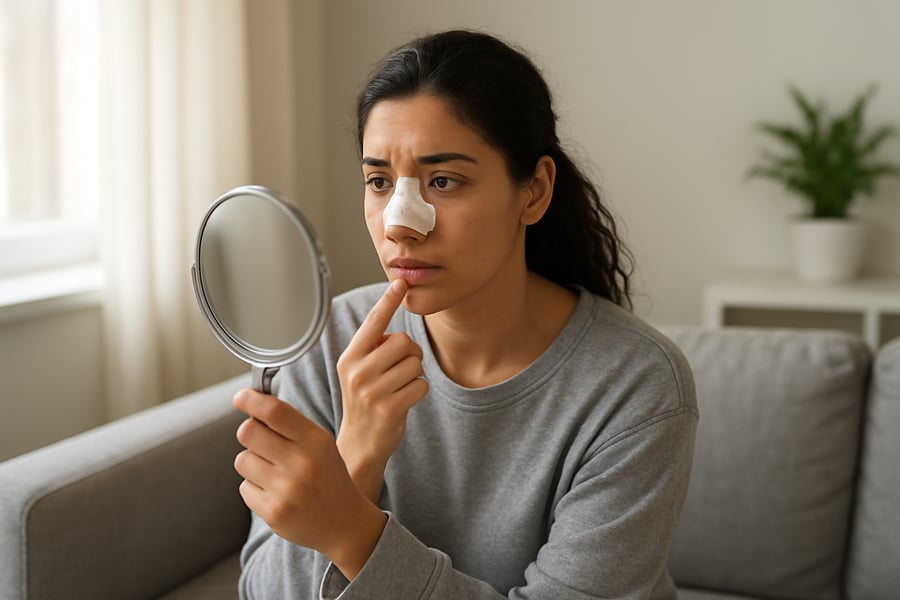
Essential Post-Operative Care at Estethica Global
Proper aftercare serves as the foundation for achieving optimal aesthetic results and ensuring patient safety throughout the recovery period. At estethica Global, the clinical team provides thorough support from the initial consultation until the patient reaches full recovery, helping to minimize complications through careful tissue management. Patients often feel like themselves again within one week of their nose surgery, though adherence to professional guidance remains critical for long-term success1.
Maintaining an improve head position during the first few days helps reduce pressure and congestion, improving patient comfort. While most patients resume routine activities within approximately four days, physical exertion must be strictly limited to prevent increased blood flow to the nasal area3. To manage swelling effectively, estethica Global emphasizes that while antibiotics are generally not required, the use of corticosteroids has proven effective in controlling post-operative bruising and inflammation4.
Monitoring the surgical site is a vital component of the recovery process, as minimal swelling may persist for up to a year following the procedure2. Patients should avoid heavy lifting and strenuous exercise for four to six weeks to protect the structural integrity of the nose. Consistent follow-up assessments at estethica Global allow surgeons to track healing progress, ensuring that every patient receives personalized care tailored to their specific rhinoplasty journey.
Effective Strategies to Reduce Swelling and Bruising
Managing edema and ecchymosis is a primary concern for many patients during the initial weeks of nose job recovery. These symptoms are common physiological responses to surgical trauma, particularly when an osteotomy or septoplasty is performed. Clinical studies indicate that corticosteroids are effective in controlling these inflammatory responses when administered under professional supervision4.
Keeping the head improve, especially while sleeping, helps minimize nasal congestion and fluid accumulation during the first two weeks post-surgery. Patients should avoid strenuous physical exertion for four to six weeks to prevent spikes in blood pressure, which can exacerbate swelling around the surgical site2. Maintaining proper hydration throughout the healing process further supports lymphatic drainage and aids the body's natural restorative functions.
Most individuals notice a significant reduction in swelling within a few months, though minimal residual edema may persist for up to one year2. While routine activities are often resumed within the first week, full recovery timelines vary by individual1. estethica Global provides thorough support throughout this journey to ensure optimal aesthetic and functional results for every patient.
Recovery Support Packages
Managing Pain and Discomfort During Healing
Most individuals find that nose job recovery is characterized more by a sensation of pressure or nasal congestion than by intense pain. While personal thresholds differ, clinical studies indicate that patients typically resume routine activities within approximately four days following the procedure3. estethica Global emphasizes that adhering strictly to the medication schedule provided by your surgeon is the most effective strategy for maintaining comfort during the initial recovery window.
Proactive management of swelling and bruising matters in reducing overall discomfort during the healing process. Surgeons may use corticosteroids to help control post-operative inflammation, and the use of silicone septal splints often provides necessary support without the discomfort associated with traditional nasal packing4. Patients should keep their head improve while sleeping and avoid strenuous physical exertion to minimize blood pressure in the nasal region.
Long-Term Recovery Expectations
Understanding the timeline of healing helps manage expectations regarding ongoing sensations in the nasal area. While most patients feel like themselves again within one week, minor swelling can persist for four to six weeks, with about 90% of the swelling subsiding after three months1, 2. estethica Global recommends avoiding heavy lifting and intense exercise for at least four to six weeks to ensure the structural integrity of the nose remains protected while tissues fully stabilize2.
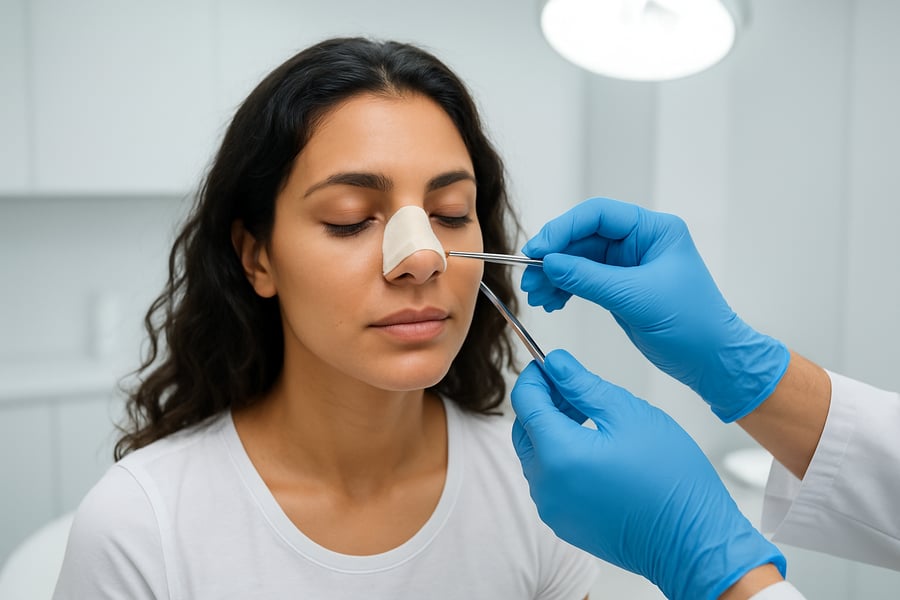
The Nasal Splint Removal Process Explained
The removal of the nasal splint marks a important moment in the nose job recovery journey, typically occurring about one week after the procedure. During this appointment at estethica Global, the surgeon carefully detaches the external cast and any internal silicone septal splints used to stabilize the nasal structure4. Patients often find this brief procedure provides immediate physical relief and a clearer view of their early aesthetic results.
Sensitivity and mild swelling are common observations once the protective splint is removed from the nose. While most routine activities can be resumed within a few days of surgery3, the nose remains in a delicate state of healing that requires careful handling. Surgeons at estethica Global emphasize the importance of avoiding pressure or accidental impacts to the area as the underlying tissues continue to solidify over the following months.
Managing the post-removal phase involves gentle cleaning and strictly following the provided aftercare instructions to ensure optimal healing. Although 90% of swelling typically subsides within three months, minor residual puffiness can persist for up to a year2. Maintaining consistent communication with your surgical team ensures that any concerns regarding the stabilization of the cartilage and bone are addressed promptly throughout the recovery timeline.

Surgical Methods and Post-Operative Care Protocols
Clinical Integrity and Follow-up Procedures
Frequently Asked Questions
Who is not considered an ideal candidate for a nose job?
What steps should be taken to prepare before starting a nose job recovery guide?
Is it true that wearing eyeglasses is prohibited during the rhinoplasty recovery timeline?
How does the recovery process for a revision rhinoplasty differ from a primary procedure?

Ready for a Smoother Rhinoplasty Recovery?
Gain expert insights on managing healing stages and achieving your best results safely.
References
Superscript numbers in the content correspond to the references listed below.
- Mayo Clinic — Rhinoplasty
- Cleveland Clinic — Rhinoplasty (Nose Job): Surgery, Recovery, Before & After
- PubMed — Patient Recovery and Satisfaction with Perioperative Care After Rhinoplasty
- PubMed — Improving Postsurgical Management of Rhinoplasty: A thorough Review of Existing Literature