


Compare microbladed eyebrows vs eyebrow transplant to find the best solution for your needs. Learn about procedures, results, and long-term maintenance today.
Microbladed eyebrows vs eyebrow transplant represents a choice between semi-permanent cosmetic tattooing and a surgical hair restoration procedure. While the former uses pigment to simulate hair strokes, the latter involves transferring living hair follicles to achieve permanent density. Understanding these distinct approaches helps individuals select the most suitable method for their aesthetic goals.
Understanding the Differences Between Microbladed Eyebrows and Eyebrow Transplants
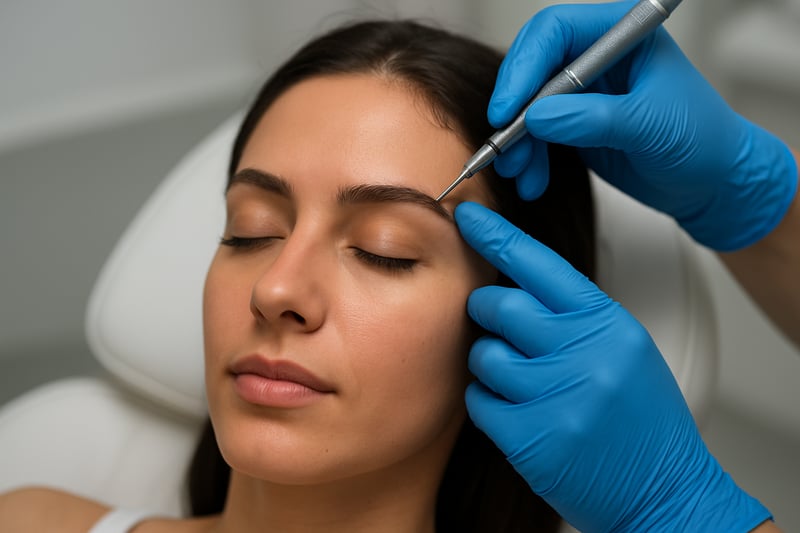
Microblading functions as a cosmetic tattooing technique where pigments are deposited into the superficial layers of the skin to simulate the look of individual brow hairs. This method offers an immediate aesthetic change, though the ink will naturally fade over time and requires periodic maintenance sessions to keep the color lively and the shape defined. estethica Global provides this service for those seeking a non-surgical way to enhance brow density and correct minor shape irregularities through precise pigment application.
Eyebrow transplantation is a restorative surgical procedure that involves harvesting hair follicles from a donor region, typically the scalp, and carefully implanting them into the brow line. Because this procedure uses actual hair follicles, the transplanted brow hair maintains its natural growth cycle and texture, requiring regular trimming just like scalp hair. Clinical studies indicate that approximately 91% of patients achieve satisfactory hair growth and appearance following single-follicular-unit transplantation2, with full results becoming visible as the grafts mature over six to eight months1.
Comparison of Restorative Methods
Choosing between these two approaches depends on whether a patient prioritizes a low-maintenance cosmetic effect or a permanent, hair-growing solution. The following table outlines the fundamental differences between these procedures to assist in making an informed decision.
Patients visiting estethica Global often discuss their long-term goals to determine which path aligns best with their lifestyle. Those with significant hair loss or scarring often find that a transplant offers a more authentic 3D appearance compared to the two-dimensional nature of standard microblading. Regardless of the chosen path, understanding the recovery time and maintenance requirements ensures that expectations are met with professional clinical standards.

Evaluating the Long-Term Results of Estethica Global Eyebrow Restoration
Achieving consistent, natural-looking results in eyebrow restoration requires a careful approach to follicular unit extraction and graft placement. At estethica Global, surgeons focus on the precise orientation of each follicle to ensure the transplanted hair aligns perfectly with the patient's existing brow growth patterns. This attention to detail prevents the unnatural appearance often associated with older techniques and promotes smooth integration with the natural brow contour.
Clinical data supports the long-term success of these surgical interventions when performed by skilled professionals. Studies indicate that complete regrowth of transplanted eyebrow grafts typically occurs within six to eight months, with a significant majority of patients achieving visible growth within the first four months1. Also, research involving hundreds of patients summarizes that over 90% of individuals report high satisfaction regarding the density, direction, and overall aesthetic outcome of their restored eyebrows2.
Maintenance and Longevity Expectations
The permanency of eyebrow restoration distinguishes it from temporary cosmetic solutions like microblading or eyebrow tattoos. Because the grafts are harvested from the scalp, the transplanted hairs retain their original growth cycle and characteristics, necessitating regular trimming to maintain the desired brow length. Patients choosing estethica Global for their procedure benefit from this permanent solution, provided they follow post-operative care instructions to ensure optimal graft survival and long-term density.
Comparing the Financial Investment of Microblading Versus Surgical Hair Restoration
Microblading functions as a semi-permanent cosmetic tattoo that requires consistent financial upkeep to combat natural pigment fading. Patients typically return to their clinic every 12 to 18 months for touch-up sessions to maintain color vibrancy and shape, which accumulates into a significant long-term expense despite the lower initial price tag. estethica Global recommends that patients calculate the total cost over a five-year period to accurately compare this recurring maintenance against the one-time investment of a surgical procedure.
Eyebrow hair transplantation represents a definitive financial commitment aimed at providing a permanent aesthetic result through the extraction and implantation of living hair follicles. While the upfront cost is higher than microblading, the procedure eliminates the need for repeated appointments once the grafts have fully matured1. Studies indicate that patients achieve high satisfaction rates with this permanent solution, as the transplanted hair continues to grow naturally in its new location2.
Financial Overview Table
Choosing between these two options depends on whether a patient prioritizes immediate affordability or long-term permanence. estethica Global provides thorough consultations to help individuals assess their specific hair loss patterns and financial goals, ensuring they select the path that offers the best return on investment for their facial aesthetics.
Identifying the Best Candidates for Follicular Unit Extraction for Eyebrows
Follicular unit extraction for eyebrows is a permanent solution for individuals suffering from brow thinning due to over-plucking, trauma, or genetic predispositions. Candidates for this procedure at estethica Global must possess sufficient donor hair, typically harvested from the scalp, to ensure long-term density and natural aesthetics. Clinical studies indicate that patients undergoing single-follicular-unit transplantation often achieve high satisfaction rates, with approximately 91% of individuals reporting successful growth and improved appearance 2.
The success of the procedure relies heavily on the physiological compatibility between the donor hair and the existing brow follicles. estethica Global specialists prioritize matching the texture, thickness, and growth cycle of the harvested grafts to the patient's natural brow characteristics to ensure a smooth blend. Complete regrowth of these transplanted grafts generally follows a specific timeline, with the majority of patients observing visible progress within three to eight months post-surgery 1.
Patient Eligibility and Safety Standards
Medical history plays a definitive role in determining candidacy, as individuals prone to keloid scarring or those with specific autoimmune conditions may face improve risks during surgical intervention. A thorough consultation at estethica Global allows surgeons to evaluate the patient's scalp health and donor area quality while managing expectations regarding the final brow shape. By adhering to rigorous safety protocols, surgeons can reduce potential complications and provide a tailored approach that match the patient's unique facial anatomy.
Achieving Natural Looking Eyebrow Density Through Advanced Restoration Techniques
Modern cosmetic enhancements allow for highly precise eyebrow restoration by mimicking the natural growth patterns and angles of individual hairs. estethica Global use advanced follicular unit extraction techniques to ensure that each graft is placed with specific consideration for the brow's unique curvature and density requirements. Clinical data confirms that approximately 91% of patients undergoing single-follicular-unit transplantation report satisfactory growth and direction, leading to a highly authentic aesthetic outcome2.
Successful density restoration relies on the careful integration of donor hair follicles into the recipient site to match the patient’s existing brow structure. Surgeons at estethica Global focus on creating a smooth transition, ensuring the restored area blends perfectly with natural hair while maintaining a soft, non-uniform appearance. Following the procedure, patients typically observe gradual density increases, with 50 to 60% of grafts beginning active growth within the first three to four months post-operation1.
Optimizing Follicular Integration
The long-term success of eyebrow restoration depends on the careful management of hair follicles during the transplant process. By ensuring proper vascularization at the recipient site, estethica Global maximizes the survival rate of the transplanted hair, which continues to mature over an eight-month period1. This precise approach to follicular placement prevents the artificial look often associated with older techniques, providing a durable solution for those seeking enhanced brow volume.

Technical Comparison and Procedural Methodology
Clinical Standards and Follow-up Protocols
Frequently Asked Questions
Who is not a suitable candidate for an eyebrow transplant procedure?
What is the typical recovery timeline following follicular unit extraction for eyebrows?
Are there specific prerequisites to consider before choosing microbladed eyebrows vs eyebrow transplant?
What is a common misconception regarding estethica global eyebrow restoration results?

Still Unsure Which Brow Solution Fits You Best?
Get a personalized expert evaluation to determine if microblading or a transplant is right for your unique features.
References
Superscript numbers in the content correspond to the references listed below.
- PubMed Central (PMC) / National Institutes of Health (NIH) — Hair Transplant for Eyebrow Restoration
- PubMed — Clinical outcomes and technical tips for eyebrow restoration using single-follicular-unit hair transplantation: A case series review