

Compare metal braces vs clear aligners to find the right orthodontic treatment. Learn about effectiveness, maintenance, and aesthetics at estethica Global.
Metal braces vs clear aligners are the two primary methods for orthodontic teeth straightening, each using distinct mechanical approaches to correct dental malocclusion. While traditional fixed appliances rely on brackets and wires to exert continuous pressure, modern clear aligner therapy uses removable thermoplastic trays to achieve gradual tooth movement. Understanding the functional differences between these options is essential for patients seeking to improve their dental alignment and occlusal health.
Understanding the Core Differences: Metal Braces vs Clear Aligners
Orthodontic treatment relies on precise mechanical forces to stimulate periodontal ligament remodeling, help the gradual movement of teeth into alignment. Traditional metal braces use a system of bonded brackets and archwires that orthodontists adjust periodically to maintain constant pressure. This fixed mechanism provides strong control over complex tooth movements, making it a reliable standard for severe malocclusion cases where precision is important.
Clear aligners offer a removable alternative, using custom-fabricated thermoplastic trays that patients replace sequentially to guide their teeth. Research indicates that clear aligners can achieve shorter treatment durations compared to conventional braces, with some studies showing an average treatment time of 18 months versus 24 months1, 2. While braces often show a slightly higher efficacy in establishing occlusal contacts and controlling tooth torque, aligners provide superior patient comfort, reporting lower discomfort scores of 2.3 compared to 5.6 for traditional methods1, 2.
Selecting the appropriate orthodontic solution at estethica Global involves evaluating the specific severity of the dental alignment issues alongside lifestyle preferences. Patients often weigh the high visibility of metal brackets against the nearly invisible nature of aligners, which must be worn consistently to ensure successful results. Because treatment efficacy can vary based on individual anatomy, a professional assessment is necessary to determine whether fixed hardware or removable trays will yield the best long-term outcome.
Orthodontic Comparison Matrix
Evaluating Treatment Effectiveness for Complex Dental Malocclusion
Severe dental malocclusion often necessitates the strong mechanical advantage provided by traditional metal braces. Because these fixed appliances use brackets and wires to exert continuous, high-intensity force, they remain the gold standard for cases requiring significant root torque, complex rotations, or substantial vertical adjustments. estethica Global orthodontists observe that the fixed nature of these systems allows for superior control over individual tooth positioning, which is vital when addressing complex structural alignment needs1.
Clear aligners have advanced in recent years, yet they encounter distinct limitations when tasked with complex movements like bodily translation or severe extrusion. While these removable trays provide excellent results for mild to moderate crowding, studies summarizes that they may not always achieve the same level of occlusal contact control as fixed appliances in highly complex clinical scenarios2. Patients should work closely with the specialists at estethica Global to determine whether their specific dental structure requires the sustained mechanical force of fixed brackets or the intermittent, controlled pressure typical of aligner therapy.
Clinical Outcomes and Precision
Treatment duration and patient comfort are key factors when comparing these two modalities for complex correction. Research indicates that while clear aligners can offer a shorter average treatment time of approximately 18 months compared to 24 months for traditional braces, they may be associated with a slightly higher percentage of relapse instances in severe cases1. Also, patients often report higher satisfaction and lower discomfort levels with aligner therapy, though fixed appliances maintain a slight edge in achieving precise PAR index reductions of up to 80% in thorough treatment plans1.
Aesthetic Considerations and Lifestyle Impact of Invisible Aligners
Clear aligners provide a nearly transparent solution for patients seeking to straighten their teeth without the visual prominence of traditional metal brackets. Many adults prefer this discreet approach because it preserves their natural smile throughout the treatment duration, which often leads to higher patient satisfaction rates compared to fixed appliances1. Research indicates that patients using clear aligners report lower levels of oral discomfort, with an average score of 2.3 out of 10, compared to 5.6 for those wearing conventional metal braces1.
The daily lifestyle impact of aligners centers on their removability, which allows for better oral hygiene and flexibility during social engagements. While users must maintain strict wear schedules to achieve optimal results, the ability to remove trays for eating and brushing offers a convenience that fixed hardware cannot match. Although clear aligners may show minor differences in controlling complex tooth torque or transverse width compared to traditional systems, they provide a medically effective and aesthetically superior experience for many candidates2.
Selecting the right orthodontic path at estethica Global involves weighing these lifestyle benefits against the specific clinical needs of the patient. While treatment times are often shorter with aligners—averaging around 18 months compared to 24 months for traditional braces—consistency remains the most critical factor for success1. Patients should consult with specialists at estethica Global to determine if their specific dental alignment needs are best served by removable trays or fixed metal appliances.
Orthodontic Pricing and Service Packages
Expert Guidance on Choosing the Right Orthodontic Treatment at Estethica Global
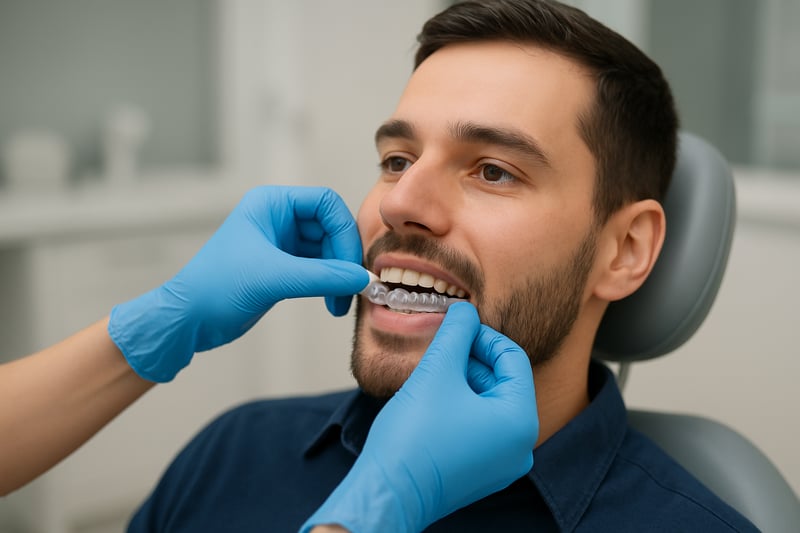
Selecting the appropriate orthodontic treatment requires a thorough evaluation by a qualified specialist. At estethica Global, our dental aesthetics team uses advanced diagnostic tools to assess your unique dental structure and functional needs. We prioritize patient safety and health, ensuring that every treatment plan is tailored to achieve optimal alignment and long-term oral health.
Research indicates that clear aligners often provide a more comfortable experience, with patients reporting lower discomfort levels compared to traditional fixed appliances1. While both methods effectively correct malocclusion, aligners are frequently associated with shorter treatment durations for many patients1, 2. Our specialists at estethica Global carefully weigh these clinical findings against your specific aesthetic goals to recommend the most effective path forward.
Personalized Orthodontic Planning
Our experts consider factors such as the severity of your malocclusion, your lifestyle, and your aesthetic goals before recommending a path forward. Whether you are a candidate for traditional fixed appliances or modern clear aligner therapy, our team provides continuous monitoring from the initial assessment until the completion of your treatment. By combining contemporary knowledge with a perfectionist perspective, we help you achieve a healthy, confident smile.
We encourage you to schedule a consultation at estethica Global to discuss your specific needs and explore which orthodontic solution aligns best with your personal objectives. Our commitment is to provide a transparent, evidence-based approach to your dental transformation.

Orthodontic Technology and Treatment Modalities
Process Management and Follow-up Care
Frequently Asked Questions
Who is not considered an ideal candidate for clear aligner therapy during orthodontic teeth straightening?
What essential steps must be taken to prepare the mouth before starting orthodontic treatment?
How does post-treatment maintenance differ between metal braces and clear aligners?
Is it true that orthodontic treatment can cause permanent damage to tooth enamel?
What is the primary difference between clear aligners and lingual braces?

Which Treatment Is Best For Your Smile?
Get a personalized recommendation based on your unique dental needs from our orthodontic specialists.
References
Superscript numbers in the content correspond to the references listed below.
- PubMed (National Library of Medicine / National Institutes of Health) — A Comparative Study on the Efficiency of Clear Aligners Versus Conventional Braces in Adult Orthodontic Patients
- PubMed (National Library of Medicine / National Institutes of Health) — A comparison of treatment effectiveness between clear aligner and fixed appliance therapies