


Discover the latest insights into eyebrow threading techniques, their benefits, and best practices for achieving perfect, natural-looking eyebrows safely.
Eyebrow threading techniques, a precise hair removal method, involve twisting and pulling hair with a thread to shape eyebrows. This technique offers a natural and minimally invasive approach to achieve well-defined brows., we explore the step-by-step process, benefits over other methods, and best practices to attain optimal results, emphasizing safety and skin health.
Overview
Eyebrow threading is a precise hair removal technique that uses a twisted cotton thread to pull hair directly from the follicle, enabling sharp and well-defined eyebrow shapes. This method has become globally popular due to its ability to create clean lines without relying on chemicals or heat, which can irritate sensitive skin. The procedure typically takes between 10 to 30 minutes, making it a quick option for maintaining eyebrow aesthetics with minimal downtime.
Studies suggest that threading is gentler on the skin compared to traditional methods like waxing or plucking, as it reduces irritation and inflammation when performed by skilled estheticians using high-quality thread24. Modern threading techniques incorporate specialized threads designed for enhanced comfort and precision, making the treatment suitable for various skin types, including sensitive or acne-prone skin. Proper hygiene and sterile equipment are critical to prevent common side effects such as folliculitis or hyperpigmentation, emphasizing the importance of professional application.
Threading offers superior control over eyebrow shaping, allowing customization that complements individual facial features, such as almond shaped eyes or downturned eyes. This customized approach supports natural-looking results and can be an alternative or complement to eyebrow tattooing or eyebrow transplant celebrity trends. Also, threading is considered hygienic due to minimal skin contact and the use of disposable threads, which lowers the risk of infections relative to other hair removal methods.
Regular threading sessions can sometimes reduce hair density and slow regrowth, which may be beneficial for those managing eyebrow thickness or seeking a non-surgical eyebrow lift transformation. Estethica Global integrates threading with other cosmetic treatments, such as eyebrow lift before and after procedures or non surgical face lift options, to enhance overall facial harmony. This combination of traditional technique with modern aesthetics supports natural beauty while addressing concerns like saggy skin or negative canthal tilt.
Who Is It For?
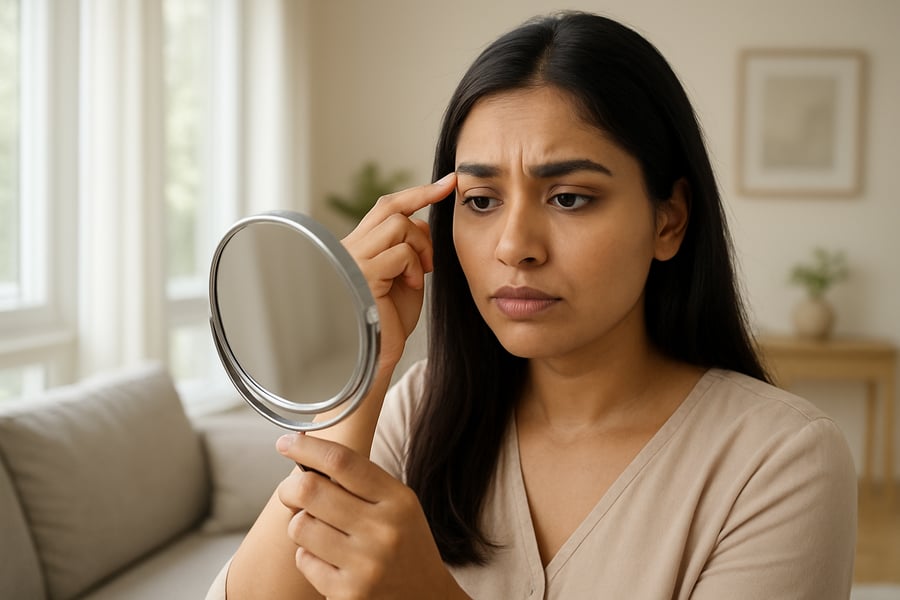
Eyebrow threading is especially suited for individuals seeking precise and well-defined eyebrow shaping without exposing their skin to harsh chemicals or wax. Those with sensitive skin or allergies to conventional hair removal methods often prefer threading since it uses only a cotton thread, avoiding dyes, waxes, or chemical irritants. This method reduces the likelihood of skin redness and irritation commonly associated with waxing or plucking, making it a gentle alternative for delicate skin types2,4.
People with certain skin conditions such as eczema or psoriasis may find threading beneficial when performed by experienced estheticians from estethica Global. Threading minimizes skin trauma by targeting hair removal with precision and avoiding direct contact with inflamed or compromised skin. However, threading is not recommended for those with active skin infections, open wounds, or contagious conditions around the eyebrow area, as it may exacerbate these issues and delay healing.
Individuals aiming for a natural or customized eyebrow shape can greatly benefit from threading’s fine control over hair removal. This technique allows for tailored shaping that complements various facial features, including almond-shaped eyes, downturned eyes, or a bulbous nose, enhancing overall facial harmony without the risk of over-plucking. Also, threading can be a preferable option for clients who want to avoid the prolonged redness and irritation sometimes caused by waxing, particularly for those prone to pseudofolliculitis or folliculitis, since it reduces the risk of ingrown hairs when done properly2,4.
Consulting with a qualified esthetician at estethica Global helps determine if eyebrow threading matches individual skin types and aesthetic goals. This personalized approach ensures the best results, especially for clients interested in complementary treatments like eyebrow lifts or eyebrow tattoo enhancements. Threading is a flexible technique that supports diverse beauty needs, from hair loss treatment for women seeking to grow fuller eyebrows, to men exploring grooming options match how to grow a fuller beard.
How the Process Works
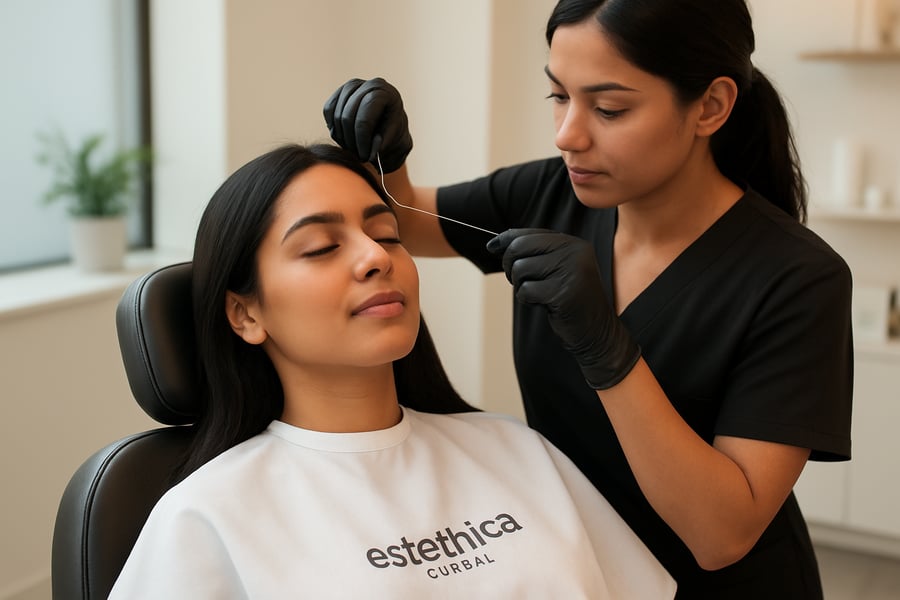
Eyebrow threading is a precise hair removal technique that starts with thorough cleansing of the eyebrow area to maintain optimal hygiene and reduce the risk of skin irritation or infection. At estethica Global, the esthetician uses a high-quality, doubled cotton thread twisted into a loop to trap unwanted hairs. This method allows for controlled removal from the follicle level by skillfully twisting and pulling the thread along the brow line, which helps create sharp, defined edges and tailored shapes that suit individual facial features.
The threading process involves several key steps to ensure both effectiveness and skin comfort. Preparation includes cleansing the skin and applying a soothing gel or antiseptic to minimize redness and inflammation. Then, the esthetician holds the thread taut, forming a twisted loop that moves precisely along the brow, catching and extracting hairs one by one. This technique provides superior accuracy compared to waxing or plucking, reducing skin trauma and irritation while allowing for detailed shaping tailored to the client’s preferences4.
Post-treatment care is essential to calm the skin and promote healing immediately after threading. A calming lotion or aloe vera gel is applied to soothe any redness and prevent irritation. The entire process typically takes between 10 to 20 minutes depending on eyebrow density and desired shape complexity. Over time, regular threading sessions can weaken hair follicles, leading to finer, less dense regrowth, which benefits those seeking longer-lasting results and even contributes to eyebrow hair growth management4.
While threading is widely regarded as a gentle and effective method, it requires the expertise of a skilled esthetician to minimize discomfort and avoid potential side effects such as erythema or folliculitis. estethica Global emphasizes proper hygiene and experienced practitioners to provide safe and precise eyebrow shaping. This attention to detail ensures clients receive a professional and satisfying experience with results that enhance natural features, including almond shaped eyes or addressing concerns like saggy skin around the brow area.
Benefits and Limitations
Eyebrow threading delivers exceptional precision in hair removal, allowing estheticians to create sharp, well-defined shapes that enhance an individual’s natural facial structure. This method is particularly advantageous for those seeking tailored eyebrow designs that complement features such as almond shaped eyes or a positive canthal tilt. Unlike waxing or plucking, threading does not involve chemicals or heat, which reduces the risk of skin damage, making it a preferred choice for sensitive skin types2.
The hygiene factor of threading is notable since it relies on a single strand of cotton thread, minimizing skin contact and using sterilized tools. This reduces exposure to bacteria and lowers the risk of infection compared to other hair removal methods. Also, regular threading sessions can result in finer, less dense hair regrowth, which may reduce maintenance frequency over time4. The process is also quick, making it an efficient option for clients looking to maintain their eyebrow shape with minimal disruption to their routine.
Despite these benefits, eyebrow threading has limitations that should be considered. Improper technique or inexperienced practitioners can cause skin irritation, redness, or even ingrown hairs, particularly in delicate areas like the eyebrow region. Discomfort during the procedure can be significant for first-time clients, though this often diminishes with subsequent treatments. Threading is not recommended for those with active skin infections, wounds, or certain dermatological conditions, as it could exacerbate irritation or delay healing23.
Maintenance is another factor to consider since threading requires regular appointments to keep the brows looking their best. Overdoing the procedure or frequent treatments without appropriate aftercare may lead to increased skin sensitivity or trauma. Choosing a qualified esthetician from estethica Global ensures expert handling and reduces potential risks. Proper aftercare, including avoiding harsh skincare products immediately after threading, is important for maintaining skin health and prolonging the benefits of the treatment.
Recovery and Next Steps
After an eyebrow threading session, mild redness or slight swelling may occur, but these symptoms usually fade within a few hours. Applying soothing agents like aloe vera gel or calming skincare products can reduce irritation and promote faster recovery. It is important to avoid touching, rubbing, or applying heavy makeup on the treated area to prevent infection and further skin sensitivity. Also, limiting sun exposure immediately post-threading protects the delicate skin from UV damage, which can exacerbate redness or cause pigmentation changes.
Consistent maintenance through regular threading appointments every two to four weeks helps preserve the precise eyebrow shape and encourages finer, softer hair regrowth over time. Dermatological insights suggest that repeated threading sessions gradually reduce hair density and slow regrowth, making the process less painful and more manageable4. Clients should collaborate with estethica Global ’s skilled aestheticians to tailor a threading schedule that match their skin type, hair growth patterns, and personal aesthetic goals.
Integrating a gentle skincare routine, including daily cleansing and moisturizing, supports skin health and enhances threading results. Avoiding harsh exfoliants or chemical treatments immediately after threading minimizes the risk of adverse reactions. If symptoms such as persistent redness, swelling, or unusual irritation occur, consulting a healthcare professional is advised to rule out infections or allergic responses. With proper aftercare and professional technique, eyebrow threading remains a safe, effective, and customizable approach to eyebrow grooming2.

Detailed Eyebrow Threading Techniques and Methodology
Best Practices for Safe and Effective Eyebrow Threading
Frequently Asked Questions
Who should avoid eyebrow threading techniques due to skin sensitivity?
What preparations are recommended before undergoing eyebrow threading?
How should one care for their skin immediately after eyebrow threading?
Is it true that eyebrow threading causes hair to grow back thicker or darker?
How does eyebrow threading compare to waxing in terms of skin impact and precision?

Discover Expert Tips for Perfect Eyebrow Threading
use the s to shaping flawless brows with safe, precise techniques
References
Superscript numbers in the content correspond to the references listed below.
- PubMed Central (PMC) / National Institutes of Health (NIH) — Influence of facial threading on various physiological parameters of the skin: non-randomized trial involving adult women in Taiwan - PMC
- PubMed — Eyebrow threading: a popular hair-removal procedure and its seldom-discussed complications - PubMed
- PubMed Central (PMC) / National Institutes of Health (NIH) — EYEBROW THREADING: A BOON OR A BANE - PMC - NIH
- Cleveland Clinic — String Theory: An Inside Look at Eyebrow Threading - Cleveland Clinic Health Essentials