


Follow our expert mastectomy recovery guide for essential tips on post-operative care, pain management, and healing stages to ensure a smooth recovery journey.
A mastectomy recovery guide provides the necessary framework for managing postoperative surgical care, ensuring optimal healing after breast surgery. This thorough approach focuses on physical rehabilitation, pain management, and monitoring for potential complications to support a smooth transition back to daily activities. Understanding the recovery timeline and following professional protocols are fundamental to achieving successful long-term outcomes.
thorough Mastectomy Recovery Guide and Timeline
Post-mastectomy rehabilitation begins immediately following the procedure, with the initial phase prioritizing wound healing and the stabilization of surgical drains. Clinical protocols at estethica Global emphasize that drain management is critical, as evidence suggests that early removal of these drains can increase the risk of seroma formation2. Patients remain under professional observation during this period to ensure that the surgical site remains clean and that healing progresses without complications.
The subsequent phase focuses on restoring shoulder mobility and managing localized discomfort through structured physical therapy and range-of-motion exercises. Patients must adhere to activity restrictions to protect internal incisions, as the body requires several weeks of rest before transitioning back to routine physical tasks. Consistent communication with the surgical team at estethica Global allows for the early identification of healing milestones and the adjustment of recovery expectations based on individual progress.
Long-Term Reconstruction Considerations
Reconstructive procedures often follow a two-stage approach, particularly when tissue expanders are required to prepare the chest area for a permanent implant. Surgeons typically place a tissue expander under the muscle, which is gradually filled with saline or air over several appointments to achieve the desired volume1. Once the chest tissue has sufficiently relaxed and healed—a process that generally takes between two to six months—the expander is replaced with a final implant to complete the reconstruction phase.

Essential Post-Mastectomy Care Plan and Surgical Drain Management
A structured post-mastectomy care plan at estethica Global focuses on minimizing risks such as surgical site infection and seroma formation through consistent wound hygiene. Patients must keep the incision area clean and dry, strictly following the individualized instructions provided by the surgical team to ensure optimal tissue healing. Vigilant observation of the surgical site for signs of inflammation, heat, or unusual discharge is necessary to identify potential complications early and seek professional medical intervention when required.
Managing Surgical Drains
Surgical drain management is a critical component of the early recovery phase by removing excess fluid from the surgical site to prevent seroma formation. Research indicates that the timing of drain removal is significant, as early removal may increase the risk of fluid accumulation in many patients2. Patients receive thorough training on how to empty, measure, and record fluid output, providing the surgical team at estethica Global with essential data regarding the progress of the healing process.
Preventing Complications
Long-term recovery goals often involve preventing lymphedema by avoiding heavy lifting and repetitive strain on the affected side. Incorporating gentle, guided movements helps maintain healthy lymphatic flow and reduces the risk of developing axillary web syndrome. Adhering to these established post-operative protocols allows patients to improve their comfort levels and minimizes the likelihood of secondary complications during their recovery journey.
Reconstruction Considerations
For patients pursuing breast reconstruction, a two-stage procedure is frequently use to achieve the desired aesthetic outcome. A tissue expander is often placed under the skin or chest muscle and slowly filled with saline or air during periodic follow-up visits to stretch the area. Once the chest tissue has adequately relaxed and healed, typically two to six months later, the expander is replaced with a permanent implant to complete the reconstruction process1.
Effective Pain Management and Healing Strategies at Home
Post-mastectomy recovery requires a structured approach to pain management, often combining prescribed analgesics with physical adjustments to minimize strain on the chest wall. Patients should maintain a consistent schedule for medication to stay ahead of discomfort, which help better sleep and easier participation in early rehabilitation exercises. If surgical drains are use, managing them according to medical guidance is vital, as research indicates that timing of drain removal correlates with the risk of seroma formation2.
Creating a resting space that supports the upper body is essential for reducing tension on incision sites throughout the healing period. Using multiple pillows to improve the arms and chest helps alleviate swelling and prevents unnecessary pressure during movement. Patients must remain vigilant regarding sensation changes in the chest area, as nerve recovery can temporarily alter temperature sensitivity, making it easy to sustain thermal injuries from heating pads or ice packs if used improperly.
Reconstructive planning often involves a two-stage approach where tissue expanders are placed before a permanent implant is inserted once the chest tissue has sufficiently healed1. estethica Global provides thorough support packages to guide patients through these stages, ensuring that every phase of the transition is monitored by experienced medical professionals. Proper management of these surgical milestones improves long-term outcomes and comfort for those undergoing breast surgery.
Recovery Support Packages
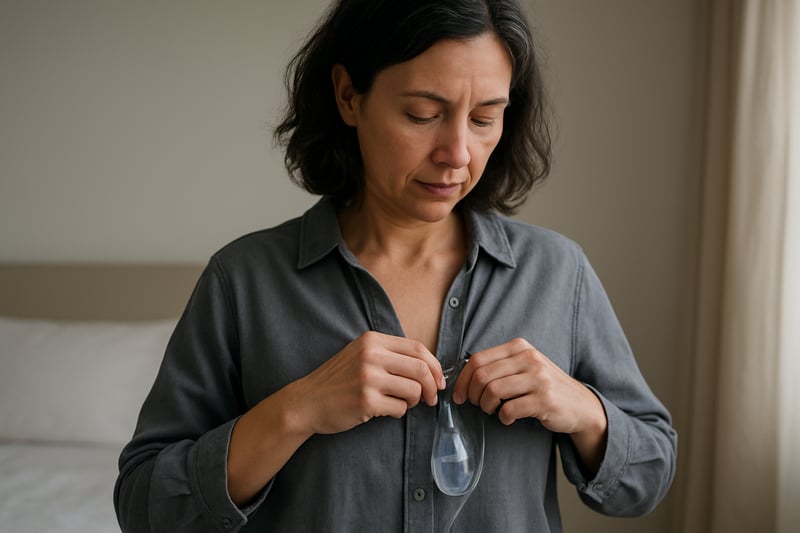
Expert Mastectomy Recovery Tips from Estethica Global
estethica Global provides thorough support services designed to guide patients through every stage of their recovery. The focus is on a patient-centered approach that integrates modern medical knowledge with compassionate care, ensuring individuals feel supported from the moment of admission until they reach full recovery. By prioritizing patient safety, the team at estethica Global helps patients handle the complex ities of post-operative healing with clarity and confidence.
Personalized care plans at estethica Global ensure that recovery protocols are adapted to fit individual health profiles and specific post-surgical needs. The medical team provides clear instructions on activity limitations and guidance on when to resume daily tasks, which is essential for preventing complications like seroma formation. Clinical data indicates that the timing of drain removal is a critical factor in recovery, as early removal can increase the risk of fluid accumulation compared to a more gradual approach2.
Surgical Reconstruction and Long-Term Healing
Reconstructive procedures often follow a two-stage process where a tissue expander is initially placed under the skin or chest muscle and filled periodically with saline or air1. estethica Global manages this transition by monitoring the chest tissue until it has sufficiently relaxed and healed, typically within two to six months, before replacing the expander with a permanent implant1. This professional oversight allows the team to identify potential issues like delayed wound healing early, ensuring that patients achieve the best possible long-term outcomes through consistent, expert-led monitoring.
Long-Term Scar Care and Breast Reconstruction Recovery Process
Breast reconstruction is a specialized journey that frequently follows a mastectomy, often involving a two-stage procedure to achieve optimal results. During the initial stage, a surgeon at estethica Global places a tissue expander beneath the skin or chest muscle, which is gradually filled with saline or air over several weeks to create space for a permanent implant1. This expansion phase allows the surrounding skin to stretch and relax, providing a more natural contour before the final reconstruction surgery takes place.
Effective management of surgical incisions is vital for achieving the best aesthetic and functional outcomes during the recovery period. Patients should focus on keeping the incision area clean and protected from direct sunlight to prevent hyperpigmentation, which can make scars more noticeable over time. using silicone-based gels or sheets, once the surgeon confirms the incisions are fully closed, helps to flatten and soften the tissue, while consistent massage techniques can improve flexibility and reduce tightness in the chest wall.
Reconstruction Management Comparison
Monitoring Recovery Progress
Post-operative monitoring remains a pillar of the recovery phase to ensure that complications, such as seroma formation, are identified early. Clinical data indicates that the timing of drain removal is critical, as early removal has been linked to a higher incidence of fluid accumulation compared to a more conservative timeline2. Maintaining close communication with the surgical team at estethica Global ensures that each stage of the healing process is tracked accurately and that any issues with tissue tension or scar maturation are addressed promptly.

Postoperative Protocols and Surgical Care Methods
Quality Standards and Ethical Care Implementation
Frequently Asked Questions
Who is generally not considered a suitable candidate for immediate breast reconstruction during a mastectomy?
What are the common misconceptions regarding surgical drain management after mastectomy?
How does specialized scar care after breast surgery impact long-term aesthetic outcomes?
What preparations should be prioritized before undergoing a mastectomy to ensure a smoother recovery?
Is it true that pain management after mastectomy surgery requires long-term use of strong prescription medications?

Need Personalised Recovery Guidance?
Connect with our clinical team to discuss your recovery timeline and post-surgical care steps.
References
Superscript numbers in the content correspond to the references listed below.
- National Cancer Institute (NCI) — Breast Reconstruction After Mastectomy
- PubMed (Journal of Surgical Research) — An Optimal Timing for Removing a Drain After Breast Surgery: A Systematic Review and Meta-Analysis