

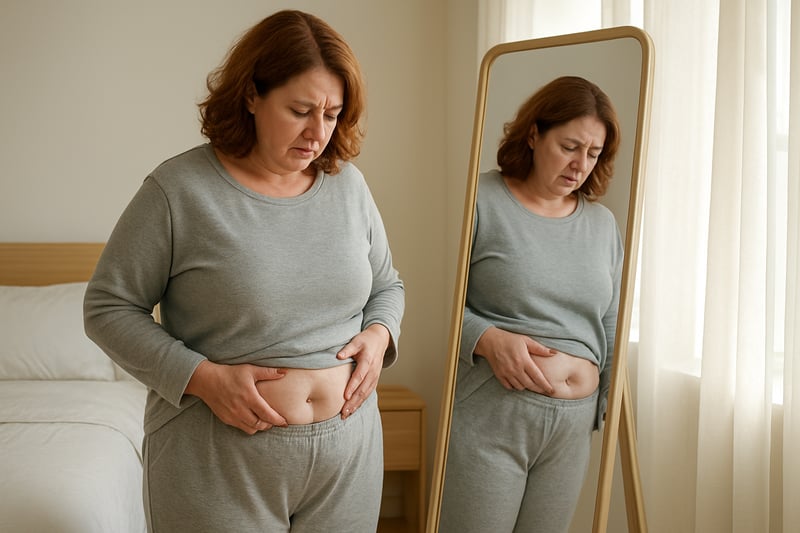
Learn about managing loose skin after weight loss surgery. Explore surgical options, recovery tips, and professional body contouring at Estethica Global.
Loose skin after weight loss surgery, also known as post-bariatric dermatological sequelae, refers to the excess dermal tissue that remains when subcutaneous fat volume decreases rapidly. This condition often results from the skin's inability to retract after significant weight reduction, leading to physical discomfort and aesthetic concerns. Understanding the underlying mechanisms of dermal elasticity and collagen degradation is essential for individuals considering body contouring options.
Understanding the Causes of Loose Skin After Weight Loss Surgery
Rapid weight loss following bariatric procedures often leaves the skin unable to retract to the body's new, smaller contours. This occurs because the dermis undergoes structural remodeling, where thick, organized collagen fibers are replaced by thinner, misaligned, and loosely arranged fibers1. estethica Global observes that this biological shift leaves the skin lacking the necessary architectural support to maintain a firm appearance.
The severity of dermal redundancy is frequently linked to the duration of pre-operative obesity, which influences the long-term integrity of the skin's matrix. Research confirms a notable depletion of collagen in post-bariatric patients, while elastic fibers often show distinct fragmentation2. Specifically, patients who undergo surgical massive weight loss may experience a more significant reduction in overall elastic fiber content compared to those who achieve weight loss through non-surgical means3.
Biological Mechanisms of Dermal Redundancy
Skin laxity often manifests most prominently in the abdominal region, where the tissue has been subjected to prolonged stretching. Genetic factors and individual skin quality play a major role in how effectively the dermis adapts to these sudden volume changes. estethica Global emphasizes that understanding these physiological limitations is essential for patients considering body contouring procedures like abdominoplasty or a full body lift to address persistent saggy skin.
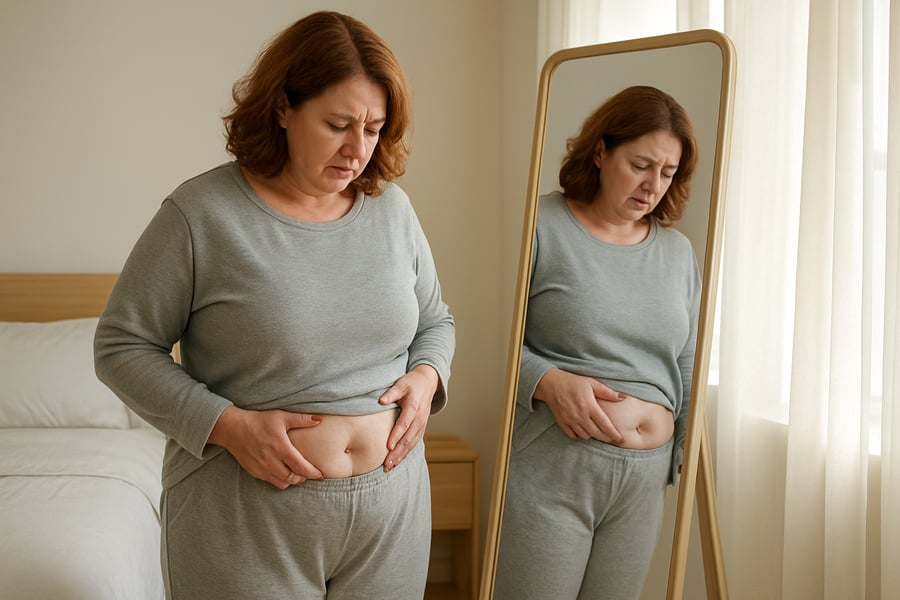
thorough Body Contouring Options at Estethica Global
Significant weight loss often results in persistent skin laxity, as the dermis undergoes structural alterations characterized by a reduction in organized collagen fibers1. estethica Global addresses these physiological changes through specialized surgical interventions that remove redundant tissue and refine body contours. By targeting areas such as the abdomen, arms, and thighs, surgeons at estethica Global help patients achieve a more proportionate silhouette following successful weight management.
Research indicates that massive weight loss leads to a notable depletion of collagen, which contributes to the loss of skin elasticity and firmness2. The surgical team at estethica Global evaluates each patient’s unique skin condition, as studies show that the reduction of elastic fibers can vary depending on the anatomical region3. This personalized assessment ensures that procedures like abdominoplasty or arm lift surgery are tailored to restore skin tension and improve overall body aesthetics.
Surgical Approaches for Body Contouring
Common procedures provided at estethica Global include the abdominoplasty, which targets the abdominal panniculus, and brachioplasty, which addresses brachial ptosis in the upper arms. These post-bariatric body contouring techniques focus on the precise excision of excess skin and the tightening of underlying tissues to enhance physical comfort. Patients consult with experts at estethica Global to determine the most effective surgical plan, prioritizing patient safety and long-term aesthetic outcomes throughout the transformation process.
What to Expect During Skin Removal Surgery After Obesity
Patients undergoing skin removal surgery at estethica Global begin with a thorough clinical evaluation to assess skin elasticity and overall health status. Surgeons use techniques like abdominoplasty or a body lift to excise redundant tissue, which often features significant structural alterations such as misaligned and loosely arranged collagen fibers1. This surgical intervention addresses the physical limitations caused by persistent sagging skin after weight loss, ensuring that the remaining tissue is tightened and contoured for a more natural appearance.
The surgical process involves precise incisions designed to minimize visible scarring while maximizing the removal of excess skin and fat. Recent findings indicate that post-bariatric patients experience a more severe depletion of collagen, particularly in the epigastrium, necessitating professional intervention to restore skin integrity2. During the recovery period, the surgical team at estethica Global monitors the healing of these incisions to ensure optimal cosmetic results and patient comfort.
Clinical Safety and Post-Operative Care
Maintaining realistic expectations regarding surgical outcomes and recovery timelines is essential for long-term satisfaction. Because the reduction in elastic fiber content is statistically significant in surgical weight loss patients compared to other groups3, the expertise of your surgical team remains the most critical factor in achieving a successful outcome. Patients should strictly follow post-operative guidelines provided by estethica Global to manage swelling, support tissue healing, and maintain the aesthetic improvements gained through the procedure.
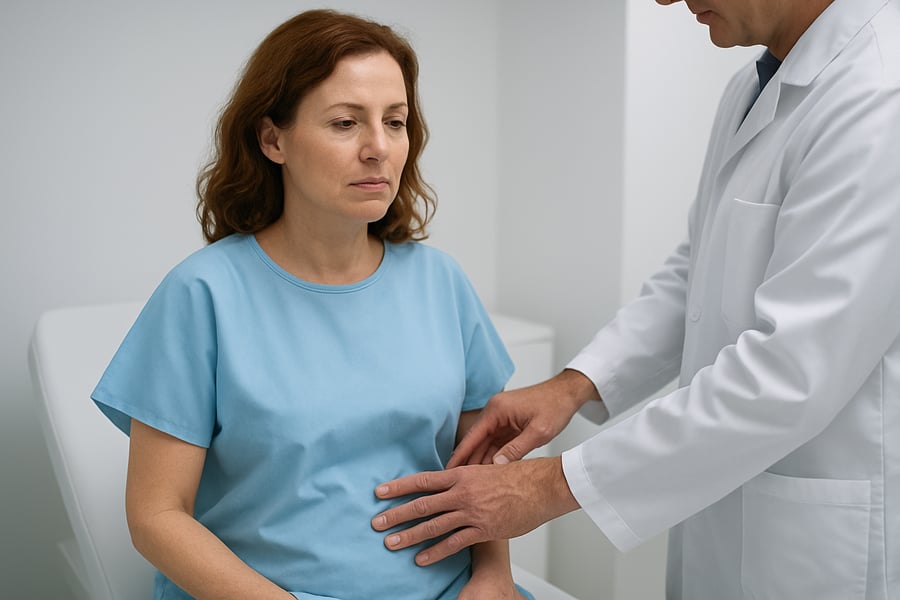
Recovery Timelines and Post-Operative Care Guidelines
Recovery from body contouring surgery is a gradual process that requires strict adherence to post-operative care protocols to ensure proper healing of the skin and underlying tissues. Patients typically experience significant swelling and bruising in the initial weeks, which estethica Global manages through personalized compression garments and specific drainage techniques. Following the surgeon's instructions regarding wound care is essential to minimize the risk of complications and support the structural integrity of the treated areas.
Massive weight loss often leads to a depletion of collagen and a reduction in elastic fiber content, which complicates the skin's ability to retract naturally after surgery2,3. Because the dermis undergoes structural remodeling with thinner, misaligned fibers in individuals who have experienced massive weight loss1, estethica Global emphasizes a cautious return to physical activity to prevent tension on incision lines. Consistent follow-up appointments allow the medical team to monitor how the skin settles and ensure that the patient’s recovery match their long-term aesthetic goals.
Long-Term Healing and Maintenance
Maintaining the results of a body lift or abdominoplasty requires a sustained commitment to a healthy lifestyle, including balanced nutrition and adequate hydration. estethica Global provides guidance on managing surgical sites as the tissue matures, ensuring that the skin's new position remains stable over time. By combining professional medical oversight with proactive self-care, patients can effectively preserve the improvements achieved through their skin removal surgery.

Surgical Assessment and Body Contouring Techniques
Post-Procedure Follow-up and Recovery Management
Frequently Asked Questions
Who is not a good candidate for skin removal surgery after obesity?
What specific preparation is required before undergoing surgical options for sagging skin after weight loss?
How long does the recovery period typically last for post-bariatric body contouring procedures?
Is it true that exercise can eliminate loose skin after weight loss surgery?
What are the common misconceptions regarding skin removal surgery after obesity?

Considering Body Contouring After Your Weight Loss Journey?
Get clarity on skin elasticity and surgical options from our board-certified experts.
References
Superscript numbers in the content correspond to the references listed below.
- PubMed — Skin Changes Due to Massive Weight Loss: Histological Changes and the Causes of the Limited Results of Contouring Surgeries
- PubMed — Collagen and elastic content of abdominal skin after surgical weight loss
- PMC — Comparison of Histological Skin Changes After Massive Weight Loss in Post-bariatric and Non-bariatric Patients