


Explore loose skin removal surgery options, recovery timelines, and body contouring procedures to manage excess skin after significant weight loss.
Loose skin removal surgery, also known as body contouring, is a surgical procedure designed to excise redundant skin and adipose tissue to improve body shape. This intervention addresses tissue laxity resulting from significant weight changes, helping patients achieve a more defined physical contour. The following sections detail the various surgical options, recovery expectations, and essential considerations for those seeking post-bariatric body transformation.
Understanding Loose Skin Removal Surgery Options After Massive Weight Loss
Significant weight reduction often leaves individuals with excess skin that does not retract naturally due to the loss of elasticity in the dermal layer, where collagen and elastin fibers have been stretched beyond their capacity. Body contouring surgery serves as the primary solution for addressing this tissue laxity, and according to research, many patients who undergo bariatric procedures eventually seek surgical excision to manage redundant skin folds1. While many individuals desire these corrective procedures, data indicates that only 18.5% of post-bariatric patients undergo body contouring surgery, with financial constraints and a lack of insurance reimbursement serving as the most common barriers to treatment4.
The choice of procedure depends on the specific areas of concern, with abdominoplasty, or a tummy tuck, frequently performed to address the abdominal region. For the upper body, brachioplasty targets the arms, while mastopexy addresses breast ptosis, with each method involving surgical undermining and precise incision closure to ensure structural support. Patients should be aware that these interventions are significant surgical commitments, as studies have reported that lower body lift procedures carry a total complication rate of approximately 78%, requiring careful preoperative planning and diligent postoperative care2.
Long-term Benefits of Body Contouring
Patients who choose to undergo body contouring surgery after achieving their weight loss goals often experience sustained improvements in their health-related quality of life. Clinical studies summarizes that these physical enhancements remain stable for up to 10 years postoperatively, providing both functional relief from skin irritation and psychological benefits regarding physical appearance3. Consulting with an experienced plastic surgeon at estethica Global allows patients to develop a personalized surgical plan that balances aesthetic goals with safety, ensuring that redundant tissue is removed effectively while minimizing potential risks.
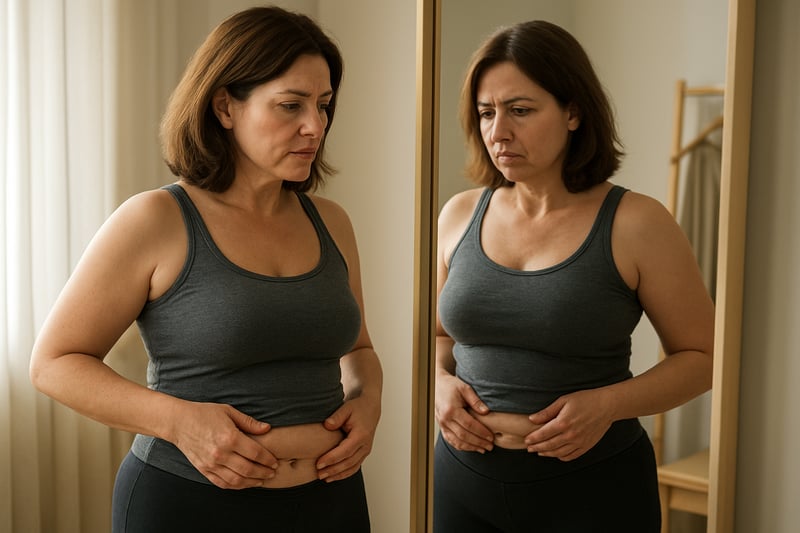
Evaluating Body Lift Surgery at Estethica Global for thorough Contouring
A full body lift addresses excess saggy skin across the abdomen, back, and thighs, providing a thorough solution for patients following significant weight loss. Data indicates that nearly 59,000 body contouring procedures were performed on massive weight loss patients in a single year, highlighting the growing demand for surgical intervention to resolve loose tissue1. At estethica Global, surgeons use advanced techniques to tighten skin while preserving natural body proportions, ensuring the aesthetic outcome match the patient's physical transformation.
Patients who undergo body contouring surgery after bariatric procedures often report sustained improvements in health-related quality of life and physical appearance for up to 10 years postoperatively3. While many individuals desire this transformation, financial considerations often remain a primary barrier to accessing care4. The medical team at estethica Global focuses on professional consultations to navigate these concerns, providing transparent information regarding the complexities of the procedure and the necessary recovery timeline.
The Role of Expert Consultation
Surgeons at estethica Global perform a detailed evaluation of skin quality and overall health to determine the feasibility of a circumferential body lift. Understanding the potential risks is essential, as medical literature notes that lower body lift procedures carry specific complication rates that necessitate careful preoperative planning and post-surgical monitoring2. By prioritizing patient safety and adhering to modern surgical protocols, the staff ensures that individuals receive a tailored treatment plan designed to enhance comfort and achieve long-term satisfaction.
The Role of Tummy Tuck Procedures in Addressing Persistent Abdominal Skin
Abdominoplasty, commonly referred to as a tummy tuck, is a surgical intervention designed to rectify the laxity of the abdominal wall following significant weight loss or pregnancy. Data indicates that abdominal body contouring remains the most frequent surgical procedure for patients who have successfully lost a substantial amount of weight4. By removing redundant tissue and repairing rectus muscle separation, estethica Global provides patients with a refined abdominal contour that diet and exercise alone cannot achieve.
Patients often seek this procedure to alleviate physical discomfort and hygiene issues caused by overhanging skin folds that persist after weight stabilization. Research shows that individuals who undergo body contouring surgery after bariatric procedures report sustained improvements in their health-related quality of life for up to a decade post-surgery3. Because this surgery focuses on structural correction, surgeons at estethica Global prioritize a personalized assessment to ensure that the patient's skin elasticity and muscle tone are suitable for the desired outcome.
Surgical Considerations and Recovery
The surgical process involves a strategic incision, typically placed low on the abdomen, to minimize visible scarring while allowing for the excision of excess skin. While the aesthetic benefits are significant, patients must remain aware that complex body contouring procedures carry inherent risks, and recovery requires careful adherence to post-operative protocols2. Consulting with a qualified specialist at estethica Global ensures that candidates understand the full scope of the procedure, including the distinction between a standard tummy tuck and more thorough body lift surgeries.

Navigating the Full Body Lift Recovery Timeline and Post-Operative Care
Recovery following a full body lift requires strict adherence to surgical protocols to ensure optimal tissue healing and minimize risks. Patients typically manage initial discomfort through prescribed pain relief and diligent incision care, which are vital during the first few days of the healing process. While major and minor complications can occur in a significant percentage of cases, specialized medical oversight at estethica Global helps patients reduce these risks and navigate the immediate post-operative phase effectively2.
Compression garments are non-negotiable tools during the first four to six weeks, as they provide necessary support to underlying tissues and help reduce persistent edema. Patients should anticipate several weeks of limited physical activity, as strenuous movement can jeopardize the integrity of the incisions and affect the final aesthetic results. Because abdominal body contouring is a frequent component of these procedures, maintaining a stable weight post-surgery is essential for preserving the surgical outcome4.
Long-Term Healing and Quality of Life
Patients who commit to the recovery journey often experience a sustained improvement in health-related quality of life and physical appearance that can last for over a decade3. Regular follow-up consultations at estethica Global allow surgeons to monitor scar maturation and address any functional concerns that arise during the healing period. By prioritizing rest and following professional guidance, individuals can achieve the body contouring results they desire while ensuring a safe recovery.
Financial Considerations and Insurance Coverage for Post-Bariatric Skin Excision
Achieving a contoured physique after significant weight loss often necessitates body contouring surgery, yet the financial burden remains a primary obstacle for many patients. Data indicates that only 18.5% of individuals who desire these procedures actually proceed with them, frequently citing a lack of insurance reimbursement as the definitive barrier4. Patients should verify their specific policy details, as insurance providers rarely cover procedures deemed strictly aesthetic, even when the loose skin causes significant physical distress.
Consulting with specialists at estethica Global provides an opportunity to evaluate whether your case qualifies as reconstructive surgery due to documented medical complications. Chronic intertrigo, recurring skin infections, and severe rashes caused by skin folds may provide the clinical evidence required for potential insurance advocacy. Patients who successfully navigate these requirements often find that the long-term improvements in health-related quality of life justify the surgical investment3.
Evaluating Surgical Investment
Understanding the balance between the clinical benefits and the financial commitment is essential for long-term satisfaction. The following table outlines the primary pros and cons of moving forward with post-bariatric skin excision procedures.
Planning for the recovery phase is as critical as securing the funds for the surgery itself. Patients must account for postoperative care, potential time away from employment, and the necessity of follow-up visits with the surgical team at estethica Global. Thorough financial planning helps reduce the stress of recovery, allowing for a focused and healthy post-surgical transition.

Surgical Techniques and Procedural Methodology
Recovery Management and Post-Operative Care
Frequently Asked Questions
Who is not a suitable candidate for loose skin removal surgery?
What preparation steps are essential before undergoing body contouring?
How long does the recovery period typically last for extensive loose skin removal surgery?
Are there non-surgical alternatives that effectively treat severe tissue laxity?
Is it true that loose skin removal surgery eliminates all stretch marks?

Ready to Transform Your Post-Weight Loss Journey?
Get a personalized assessment from our body contouring surgeons and understand your surgical options.
References
Superscript numbers in the content correspond to the references listed below.
- National Institutes of Health (NIH) / PubMed Central (PMC) — Body Contouring Following Massive Weight Loss
- National Institutes of Health (NIH) / PubMed Central (PMC) — Complications of Lower Body Lift Surgery in Postbariatric Patients
- PubMed — Body Contouring Surgery After Bariatric Surgery Improves Long-Term Health-Related Quality of Life and Satisfaction With Appearance: An International Longitudinal Cohort Study Using the BODY-Q
- PubMed — A systematic review of body contouring surgery in post-bariatric patients to determine its prevalence, effects on quality of life, desire, and barriers