


Follow our thorough labiaplasty recovery guide for essential post-operative care tips, healing timelines, and expert advice for a smooth recovery process.
A labiaplasty recovery guide provides essential instructions for managing post-operative healing, minimizing discomfort, and ensuring optimal results after intimate aesthetic surgery. Understanding the recovery timeline and adhering to proper hygiene protocols are critical for a smooth transition back to daily activities. This overview details the necessary steps for effective post-surgical care and long-term tissue healing.
Understanding the Labiaplasty Recovery Timeline Week by Week
The healing journey following labiaplasty begins with an immediate postoperative phase characterized by localized swelling, soreness, and potential bruising. During the first two weeks, patients at estethica Global are encouraged to prioritize rest and minimize movement to prevent unnecessary tension on the delicate incision sites1. Maintaining proper hygiene and following specific post-operative instructions are essential to reduce the risk of infection while the body initiates its natural inflammatory response2.
Substantial improvements in comfort typically occur after the initial fourteen days, although residual edema may persist for several weeks. While most acute symptoms fade during this period, internal tissue remodeling continues beneath the surface, requiring patients to remain vigilant about their activity levels1. Consistent monitoring by the medical team at estethica Global ensures that each stage of the healing process match clinical expectations for long-term aesthetic comfort2.
Long-Term Healing and Activity Restrictions
Full resolution of postoperative swelling often requires four to six months, though the majority of visible inflammation subsides within the first six weeks. Patients must refrain from sexual activity, tampon use, and strenuous exercise for at least four to six weeks to protect the integrity of the sutures and allow for optimal tissue maturation1, 2. Adhering to these professional guidelines from estethica Global helps ensure that the final results are both physically comfortable and aesthetically satisfying, with any necessary evaluations for revision surgery occurring only after complete healing is achieved2.

Essential Post-Operative Care and Hygiene Practices
Maintaining impeccable hygiene is the cornerstone of successful recovery after intimate aesthetic procedures at estethica Global. Patients should use mild, fragrance-free cleansers and lukewarm water to gently rinse the area after every bathroom visit, as keeping the surgical site clean prevents bacterial growth and supports the natural wound healing process. Patting the area dry with a clean, soft cloth is essential, as rubbing can irritate delicate sutures and disrupt the recovery timeline.
Proper suture care involves keeping the incision lines dry and avoiding any direct pressure that could compromise the integrity of the tissue. Surgeons at estethica Global recommend wearing loose-fitting, breathable cotton underwear to promote airflow and minimize moisture accumulation, which can otherwise hinder the healing process. Patients must also refrain from activities that place tension on the incisions to ensure optimal cosmetic results.
Initial swelling, soreness, and temporary discoloration typically decrease over the first couple of weeks, though complete resolution of swelling can take four to six months1. To help proper healing, sexual activity and vaginal penetration must be avoided for at least six weeks, as this protects the integrity of the surgical site during the critical early stages of tissue repair1,2. Adhering to these post-operative restrictions is vital for achieving the desired aesthetic outcome and preventing potential complications.
Long-term Healing Expectations
Monitoring the surgical site for signs of progress is a standard part of the recovery journey at estethica Global. While significant swelling may persist for several weeks, patients should be aware that final assessment for any potential revision surgery is generally considered only after complete healing has occurred, typically at least six months post-procedure2. Maintaining open communication with your surgical team ensures that any concerns regarding tissue healing or discomfort are addressed promptly with professional guidance.
Effective Strategies for Managing Swelling and Discomfort
Initial swelling, soreness, and temporary discoloration are common occurrences that typically decrease over the first couple of weeks following a labiaplasty procedure. While most acute swelling subsides after six weeks, complete resolution of residual edema can take between four to six months for the tissues to fully settle1. estethica Global recommends consistent adherence to post-operative protocols to ensure optimal tissue healing and comfort during this extended recovery window.
Maintaining a recovery environment that minimizes physical strain remains a priority for patients during the early stages of healing. Patients should refrain from sexual activity, vaginal penetration, and high-impact physical exercises for at least six weeks to prevent unnecessary tension on suture lines2. estethica Global emphasizes that avoiding strenuous activities helps reduce blood flow to the pelvic region, which directly reduce the severity of post-surgical inflammation.
Strategic care involves specific investments in post-operative support to help a smoother transition back to daily activities. The following table outlines the care packages offered by estethica Global to assist patients in managing their recovery phase effectively.
Professional Healing Guidance
Consulting with the surgical team at estethica Global ensures that each patient receives personalized instructions tailored to their specific anatomy and surgical complexity. Proactive monitoring for signs of infection or unusual discomfort allows for timely medical intervention, which is essential if revision surgery is considered at a later stage, typically after the six-month mark2.
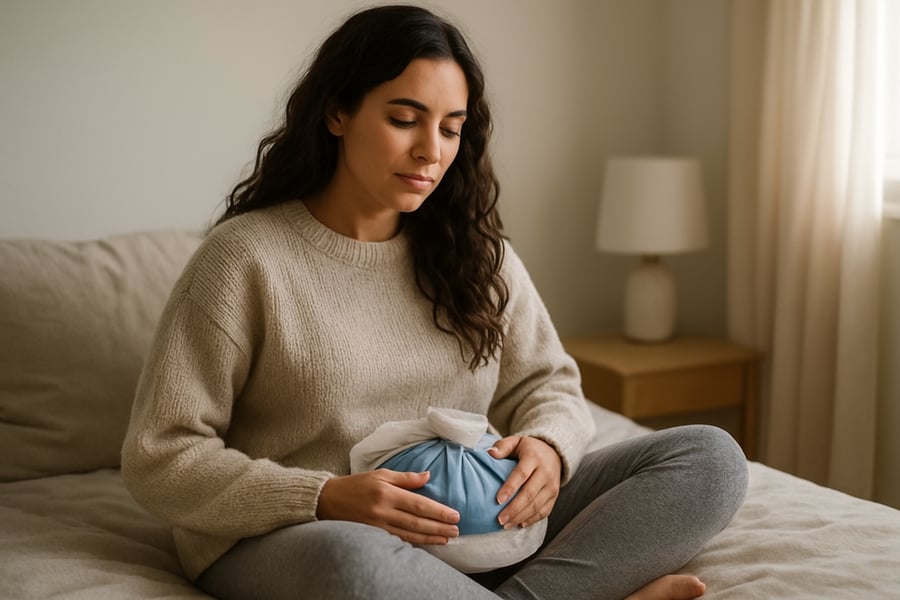
Expert Tips for Faster Healing After Labiaplasty Surgery
Optimal recovery after a labiaplasty procedure relies heavily on prioritizing physiological healing through targeted nutrition and consistent hydration. Consuming protein-rich foods provides the essential amino acids required for collagen synthesis, which directly strengthens the integrity of the surgical site. estethica Global recommends maintaining high water intake to support cellular turnover and ensure that systemic functions operate efficiently throughout the initial recovery phase.
Strict adherence to activity guidelines is essential to prevent complications such as dehiscence or unnecessary tension on the delicate suture lines. Surgical experts advise avoiding sexual activity for four to six weeks, as this timeframe is critical for the initial tissue remodeling process1, 2. Following these professional protocols minimizes the risk of irritation and promotes a comfortable, successful outcome for every patient.
Lifestyle and Environmental Factors
Eliminating tobacco use is a vital step in the healing journey because nicotine constricts blood vessels and restricts the oxygen delivery necessary for tissue repair. Creating a restful environment at home allows the body to dedicate its metabolic resources to the recovery process rather than external stressors. Patients choosing estethica Global for their cosmetic surgery often find that planning for at least two weeks of dedicated downtime leads to improved comfort and faster healing outcomes.
When to Contact Your Surgeon During the Recovery Process
While minor soreness and localized swelling are standard components of the healing journey, patients should monitor their progress closely to differentiate between normal recovery and potential complications. Most swelling typically subsides within six weeks, although subtle changes may continue for several months1. If you notice symptoms that deviate from your personalized recovery plan, reaching out to your medical team at estethica Global ensures that any issues are addressed promptly.
Signs of infection, such as fever, chills, or a foul-smelling discharge from the incision site, necessitate an immediate medical consultation. Patients should also seek professional guidance if they experience sharp, unmanageable pain or significant bleeding that persists despite applying gentle pressure to the area. These indicators could suggest the development of a hematoma or an adverse reaction that requires clinical intervention to protect the integrity of the surgical results2.
Adherence to postoperative restrictions, such as avoiding sexual activity or activities that place tension on the suture lines for at least six weeks, is vital for optimal tissue healing1,2. Regular follow-up appointments scheduled by your surgeon at estethica Global provide the necessary oversight to track epithelialization and the overall health of the tissue. Maintaining open communication with your surgical team remains the most effective way to navigate the recovery process safely and achieve the desired aesthetic outcomes.

Surgical Techniques and Recovery Protocols
Post-Procedure Management and Follow-Up
Frequently Asked Questions
Who is not considered a suitable candidate for intimate aesthetic surgery?
What specific steps should be taken before the procedure to assist with healing?
Is it true that labiaplasty alters long-term sexual sensitivity?
How does the recovery timeline differ for patients with physically demanding jobs?
Are there non-surgical alternatives to address aesthetic concerns in the genital area?

Ready for a smooth recovery?
Get professional guidance and post-op care tips from our experienced aesthetic specialists.
References
Superscript numbers in the content correspond to the references listed below.
- Cleveland Clinic — Labiaplasty: Surgery, Recovery & What To Expect
- National Center for Biotechnology Information (NCBI) Bookshelf / National Institutes of Health (NIH) — Labiaplasty, Labia Minora Reduction - StatPearls