


Explore effective keloid treatment options, including non-surgical methods and professional removal procedures. Learn how to manage and prevent keloid scars.
Keloid treatment involves various dermatological therapeutic procedures designed to flatten, soften, and reduce the appearance of thick, raised scar tissue. These interventions aim to manage abnormal collagen deposition and improve skin texture for individuals affected by persistent scarring. Understanding the available options is essential for developing an effective management plan.
Understanding the Causes and Characteristics of Keloid Scars
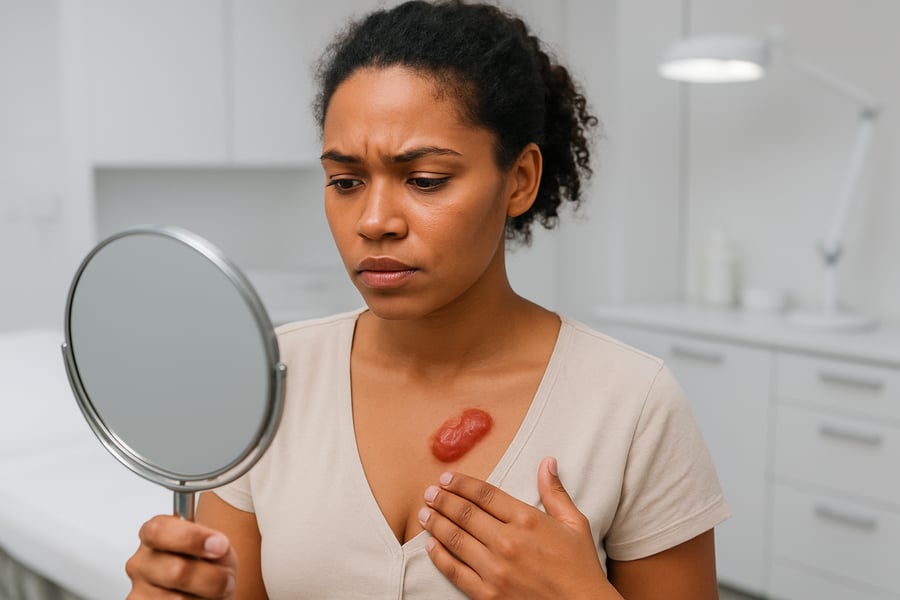
Keloids emerge when the body’s natural wound healing process malfunctions, triggering an overproduction of collagen at the site of a skin injury. Unlike standard healing where tissue repairs itself neatly, these dense, fibrous growths expand well beyond the original margins of the trauma1. This biological overreaction is particularly common in individuals with darker skin tones, where the prevalence of keloid formation can reach as high as 10% in certain populations4.
Genetic factors influence the likelihood of developing these lesions, often appearing in individuals between the ages of 10 and 301. While common areas for development include the chest, shoulders, and earlobes, keloids can manifest anywhere the skin has been compromised by surgery, acne, or piercing. Experts at estethica Global emphasize that early identification of these characteristics is essential for selecting appropriate management strategies before the tissue becomes too rigid.
Key Biological Features of Keloids
Keloid tissue presents with specific physical traits that distinguish it from other forms of scarring, such as hypertrophic scars. These lesions typically exhibit a firm, rubbery texture and a shiny appearance, occasionally causing physical discomfort or restricted movement depending on their location. The following table outlines the fundamental features that differentiate keloid tissue from other skin reactions.
Professional Keloid Removal Procedures at Estethica Global
At estethica Global, specialists address keloids—thick, raised scars that form at the site of skin injuries—by using advanced dermatological protocols1. The estethica Global keloid removal procedure focuses on minimizing recurrence while enhancing cosmetic outcomes through personalized treatment plans. Experts evaluate individual cases based on scar size and anatomical location to determine the most effective intervention strategy.
Clinicians often combine therapeutic modalities to ensure thorough management of recalcitrant lesions. Medical literature supports using silicone-based treatments alongside corticosteroid injections as a standard first-line approach for many patients3. For more complex cases, estethica Global may incorporate surgical excision followed by specialized post-procedural care to prevent the regrowth of the scar tissue3.
Clinical Approach to Scar Revision
The process integrates modern technology with clinical expertise to provide tailored solutions for patients with pigmented skin, who are statistically more prone to developing keloids4. Every step of the journey is monitored by qualified professionals to prioritize patient safety and long-term skin health. By maintaining a strict focus on evidence-based practices, estethica Global delivers consistent results for those seeking to reduce the visibility and physical discomfort of persistent scars.
Non-Surgical Keloid Treatment Options and Cortisone Injections
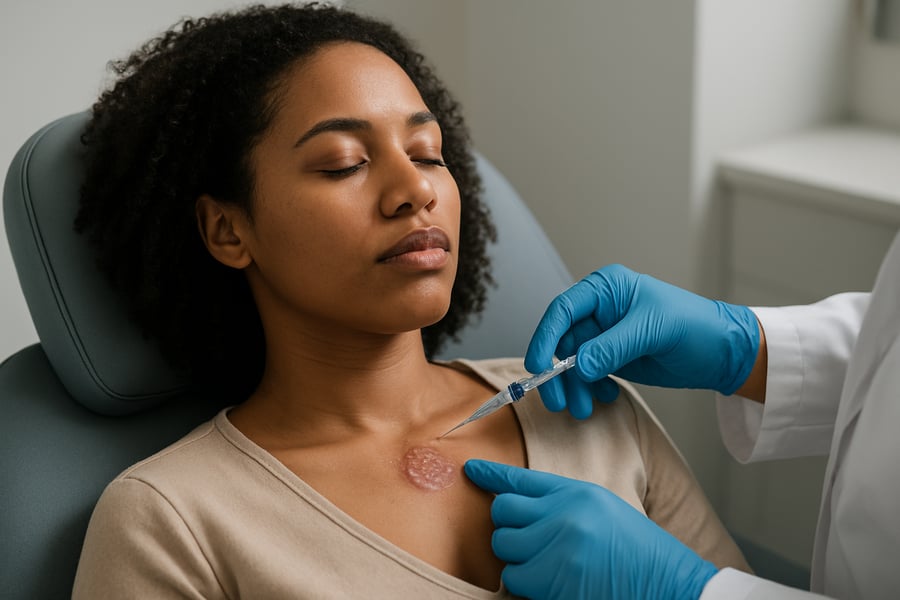
Intralesional triamcinolone acetonide injections serve as a primary clinical intervention for managing keloids by reducing inflammation and flattening raised tissue2. These corticosteroid injections function by inhibiting fibroblast activity and promoting the systematic breakdown of excess collagen within the scar matrix. estethica Global practitioners typically administer these treatments in a series, scheduled monthly for up to six months to achieve optimal aesthetic results2.
Compression therapy represents a vital non-invasive approach, particularly for patients managing newer scar formations. Clinical guidelines suggest wearing specialized pressure garments for 12 to 24 hours daily over a period of four to six months to effectively minimize scar development2. Consistent application of this pressure helps reorganize collagen fibers, preventing the keloid from expanding further during the maturation phase.
Adjuvant Therapies for Keloid Management
Silicone gel sheeting acts as a protective barrier that maintains skin hydration, creating an ideal environment for scar remodeling3. When combined with corticosteroid injections, silicone-based products are frequently recognized as a first-line therapeutic strategy for keloids3. estethica Global specialists often recommend integrating these topical solutions alongside professional treatments to improve the texture and overall appearance of the skin over time.
Effective Keloid Scar Management and Prevention Techniques
Preventing the formation of keloids requires a proactive approach to wound care, especially for individuals with a known predisposition to these thickened, raised scars1. Proper management begins immediately after a skin injury by keeping the wound clean, applying pressure dressings, and avoiding unnecessary tension on the healing tissue. estethica Global recommends that patients with a history of abnormal scarring consult a specialist before undergoing any elective skin procedures to assess potential risks.
Silicone gel or sheeting remains a primary intervention for managing new scars, often used in conjunction with corticosteroid injections to flatten the tissue3. These compression therapies typically require consistent application for 12 to 24 hours daily over a period of four to six months to yield noticeable improvements2. estethica Global emphasizes that early and consistent adherence to these protocols is essential for achieving the best aesthetic outcomes and preventing excessive collagen buildup.
Long-Term Management Strategies
Recalcitrant or persistent keloids may require more advanced medical interventions, such as surgical excision combined with immediate post-excision radiation therapy3. Because keloid prevalence varies across different demographics—reaching up to 16% in certain populations—customized treatment plans are necessary to address individual skin profiles4. Regular follow-up appointments with the dermatology team at estethica Global ensure that any early signs of recurrence are detected and treated before the scar tissue matures.
Comparing Dermatological Scar Revision and Laser Therapy Outcomes
Surgical excision remains a primary intervention for bulky keloid scars, aiming to remove excess fibrous tissue that does not respond to conservative measures. estethica Global practitioners emphasize that because surgical removal can inadvertently trigger new collagen production, it is frequently paired with adjuvant therapies like immediate post-excision radiation or intralesional steroid injections to minimize the risk of recurrence3.
Laser therapy is a non-invasive alternative or a complementary tool to surgery, focusing on the vascular components of the lesion. By using pulsed dye lasers, clinicians at estethica Global can effectively target the blood vessels supplying the keloid, which reduces redness and limits the nutrient supply necessary for further scar expansion3.
Clinical Decision-Making in Scar Management
Selecting the appropriate treatment protocol requires a thorough evaluation of the patient's skin type, scar maturity, and previous medical history. While surgery provides an immediate reduction in tissue volume for large, recalcitrant lesions, laser therapy is often preferred for managing the aesthetic quality and texture of the scar tissue over several sessions.

Treatment Methods and Technological Implementation
Process Management and Follow-up Care
Frequently Asked Questions
Who is not considered a suitable candidate for professional keloid removal procedures?
What specific steps should be taken as part of essential keloid prevention techniques?
How does laser scar therapy compare to surgical excision for long-term keloid scar management?
Is it true that keloid scars will naturally disappear over time without any medical intervention?
What is the typical recovery period after undergoing clinical keloid treatment?

Ready to Restore Your Skin's Texture?
Explore professional treatment options tailored to your specific scar type with our dermatological team.
References
Superscript numbers in the content correspond to the references listed below.
- Mayo Clinic — Keloid scar - Symptoms and causes
- Mayo Clinic — Keloid scar - Diagnosis and treatment
- National Institutes of Health (via PubMed Central) — Keloid treatments: an evidence-based systematic review of recent advances
- National Institutes of Health (via PubMed Central) — Management of keloid scars: noninvasive and invasive treatments