


Learn how to grow a fuller beard with our thorough guide. Explore natural growth tips, grooming routines, and professional restoration options today.
How to grow a fuller beard involves optimizing facial hair density through a combination of proper nutrition, consistent grooming, and targeted follicle stimulation. Achieving a thicker appearance requires understanding the biological mechanisms that influence hair growth, such as androgen receptor activity and the duration of the anagen phase. This guide explores evidence-based methods to support your facial hair goals while maintaining skin health.
Natural Strategies to Grow a Fuller Beard at Home
Facial hair enhancement often begins with lifestyle adjustments that support overall health. Proper nutrition is essential, as hair follicles require adequate protein, vitamins, and minerals to function optimally. Incorporating foods rich in biotin, zinc, and vitamins A and E can provide the necessary building blocks for hair shaft development. Regular exercise also plays a role by improving circulation, which helps deliver nutrients to the hair bulb.
Clinical observations highlight the efficacy of targeted topical treatments for those seeking accelerated results. Research indicates that the application of 3% minoxidil solution twice daily can lead to a statistically significant increase in facial hair count within a 16-week period1. Studies involving individuals on hormone therapy have further confirmed that consistent topical application promotes noticeable pigmented hair growth over several months of use23.
Professional guidance from estethica Global ensures that patients select the most suitable approach for their specific hair growth goals. While home routines establish a foundation for health, medical consultations provide access to advanced hair loss treatment for men, including moustache transplant options and specialized growth therapies. The following pricing structure outlines the common support packages available for individuals seeking professional intervention for facial hair density.
Implementing Effective Home Care
Consistency is the primary factor when attempting to stimulate growth at home. Maintaining a clean, hydrated environment for your skin allows follicles to thrive without obstruction. Exfoliation can help remove dead skin cells that might otherwise trap small hairs, while moisturizing keeps the skin supple and ready for new growth.
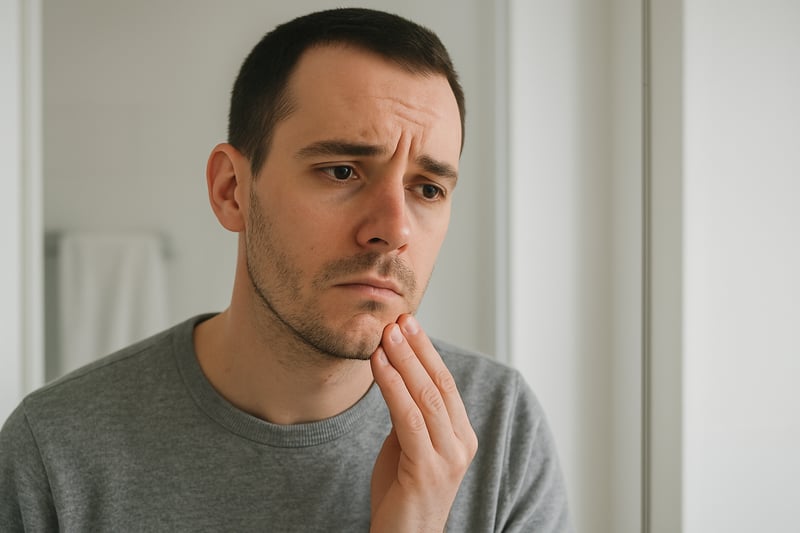
The Role of Testosterone and Follicle Stimulation in Facial Hair Density
Facial hair growth is driven by androgens, primarily testosterone and dihydrotestosterone (DHT), which interact with receptors in hair follicles to initiate the transition from vellus to terminal hair. The density of these androgen receptors and their individual sensitivity determine the thickness and overall coverage of a beard. Research indicates that targeted treatments, such as a 3% minoxidil liquid solution applied twice daily, can lead to a statistically significant increase in facial hair count over a 16-week period1.
Follicles do not respond uniformly to hormonal signals, which often explains the appearance of patchy areas where receptor density or sensitivity may be lower. Increasing local microcirculation is a proven method to encourage dormant follicles to enter the anagen, or active growth, phase. Studies on individuals undergoing hormone therapy have demonstrated that consistent topical stimulation can result in observable, pigmented facial hair growth within three to six months of regular application2, 3.
Optimizing Follicular Health
Maintaining a healthy lifestyle is essential for balancing the systemic hormones that influence hair follicle activity. While genetics dictate the baseline potential for beard density, estethica Global provides professional consultations to assess whether clinical interventions, such as specialized hair transplant procedures, might be necessary for patients with limited natural growth. Integrating evidence-based topical treatments with professional guidance ensures that the biological mechanisms of hair production are fully supported.
Comparing Natural Growth Methods With Estethica Global Beard Transplant
Topical treatments often serve as the initial step for individuals looking to enhance facial hair thickness, with clinical studies indicating that consistent use of 3% minoxidil liquid solutions can lead to a statistically significant increase in facial hair count over a 16-week period1. These non-invasive approaches primarily support existing follicles, making them effective for those who already possess foundational growth and wish to improve density or hair quality. For many, this routine is a manageable starting point that requires patience and long-term commitment to maintain visible progress.
Surgical restoration at estethica Global provides a permanent structural solution for individuals experiencing significant patchiness or a complete lack of follicle density in specific facial areas. Unlike temporary topical applications, an estethica Global beard transplant involves the precise extraction and implantation of healthy follicles from a donor site to the target region, ensuring that the results remain consistent without the need for lifelong medication. This medical intervention is tailored to create a natural-looking aesthetic that match a patient's unique facial structure.
Evaluating Your Options
Deciding between natural growth methods and a beard transplant depends heavily on the root cause of hair thinning and individual aesthetic goals. While topical solutions may help stimulate dormant follicles in some cases2,3, they cannot create new growth where follicles are entirely absent. Consulting with the expert team at estethica Global allows for a professional assessment of your current facial hair profile, ensuring you choose the pathway that offers the most effective and lasting results for your specific needs.
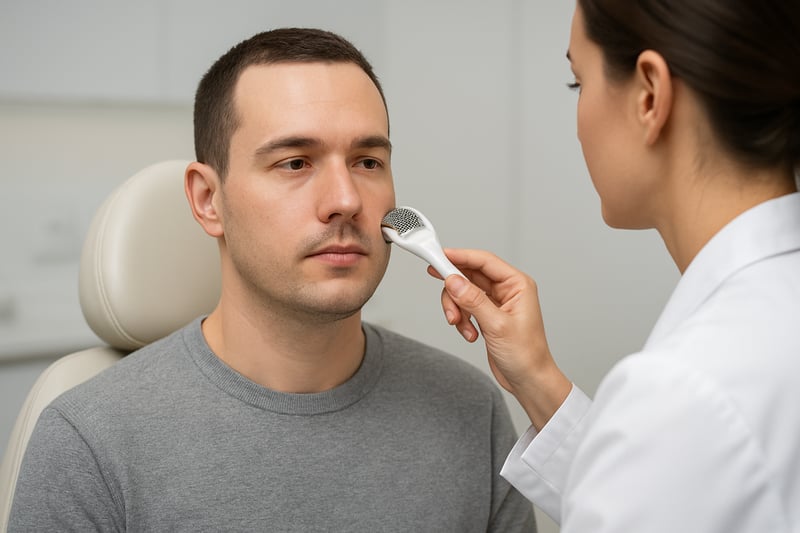
Essential Beard Grooming Routines for Optimal Growth
A structured grooming routine remains the foundation for anyone learning how to grow a fuller beard, as managing the health of both hair shafts and underlying skin prevents common obstacles to density. High-quality beard oil provides essential hydration to soften hair, reducing the risk of breakage as strands lengthen. estethica Global recommends consistent conditioning to keep the beard supple, ensuring that longer growth phases do not lead to brittle or damaged hair that appears thin.
Regular trimming serves a functional purpose by removing split ends and maintaining a uniform appearance, which creates the visual illusion of greater thickness. using a boar bristle brush help the distribution of natural sebum from the skin throughout the hair follicles, acting as a protective barrier against environmental stressors. Research indicates that maintaining a clean and well-moisturized beard environment minimizes itching and irritation, which are frequent complaints during the initial stages of growth.
Advanced Growth Support
Clinical evidence supports the use of specific topical solutions for those seeking more strong results in facial hair density. Studies have shown that the application of a 3% minoxidil solution twice daily leads to a statistically significant increase in facial hair count over a 16-week period1. Also, patients undergoing gender-affirming hormone therapy have observed measurable improvements in facial hair development after six months of consistent topical treatment2. For individuals requiring more permanent solutions, estethica Global provides professional consultations to assess if a moustache transplant or specialized hair restoration is the appropriate path to achieving personal aesthetic goals3.
Evaluating Effective Supplements and Medical Treatments for Patchy Beards
Topical minoxidil is a primary medical intervention for those struggling with patchy beard growth, as it works by extending the anagen phase and increasing blood flow to dormant follicles. Clinical data confirms that a 3% minoxidil solution applied twice daily can produce a statistically significant increase in facial hair density over a 16-week period1. estethica Global emphasizes that consistent application is essential for individuals seeking to stimulate hair follicles that have previously shown limited activity.
Nutritional support through targeted supplementation can further enhance hair health when underlying deficiencies are present, though these should only be integrated after a professional assessment. Research indicates that minoxidil remains effective across diverse patient profiles, including those undergoing hormone therapy, by successfully activating follicles that were previously inactive2. Patients often report visible improvements in facial hair pigmentation and coverage within as little as three months of consistent treatment3.
Professional Guidance for Beard Growth
Consulting with a specialist at estethica Global ensures that any chosen medical treatment or supplement regimen is tailored to your specific physiological needs. Professional oversight helps reduce potential side effects while optimizing the path toward a fuller, more uniform beard. Personalized treatment plans may combine these topical applications with other advanced hair restoration techniques to achieve the desired aesthetic results safely.
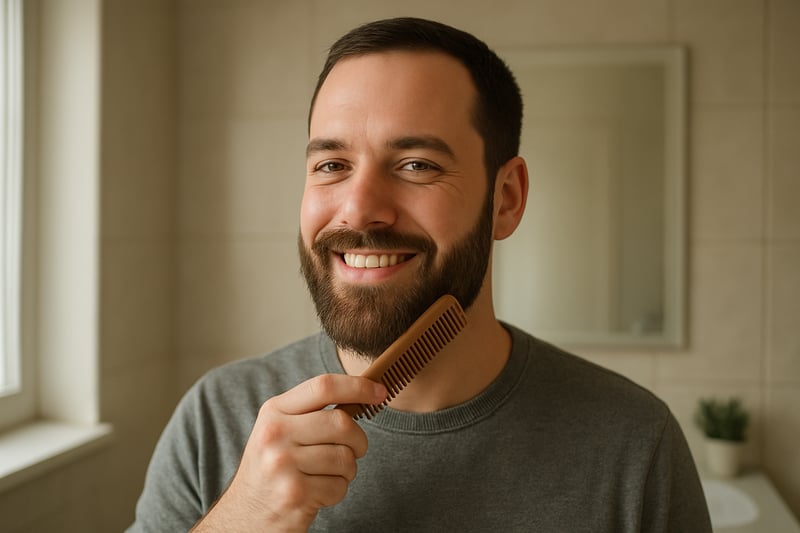
Biological Factors and Growth Optimization Methods
Candidate Evaluation and Process Transparency
Frequently Asked Questions
Are there specific medical conditions that prevent individuals from achieving better facial hair density?
Is it a common misconception that shaving more frequently will naturally increase facial hair thickness?
What is the primary difference between natural growth methods and an estethica global beard transplant?
How long should a person wait before determining if natural beard growth efforts are ineffective?
What skin care precautions should be taken when using topical stimulants for facial hair growth?

Ready to Achieve a Fuller Beard?
Get professional guidance tailored to your specific hair growth needs.
References
Superscript numbers in the content correspond to the references listed below.
- J Dermatol — Efficacy and safety of minoxidil 3% lotion for beard enhancement: A randomized, double-masked, placebo-controlled study
- J Endocrinol Invest — Efficacy of topical minoxidil in enhancing beard growth in a group of transgender assigned female at birth individuals on gender affirming hormone therapy
- Front Endocrinol (Lausanne) — Case Report: Successful Use of Minoxidil to Promote Facial Hair Growth in an Adolescent Transgender Male