

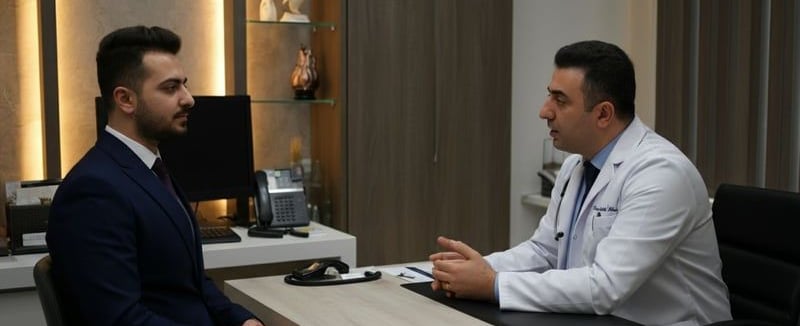
Explore how advanced hair transplant techniques, from FUE to DHI, not only restore hair but also revitalize self-confidence.
The rising demand for hair transplants reflects the profound impact they have on enhancing an individual's self-confidence. With modern techniques, hair restoration has moved beyond cosmetic appeal, offering solutions that blend seamlessly with emotional well-being. Exploring diverse hair transplant techniques, understanding the recovery journey, and determining the permanence of these procedures, this article delves deep into how hair transplants are indeed transformational.
Understanding Hair Transplant Techniques
Exploring Advanced Hair Transplant Methods
Hair transplants have evolved significantly, utilizing sophisticated techniques that offer natural-looking results. The most common techniques include Follicular Unit Extraction (FUE), Direct Hair Implantation (DHI), and the innovative Sapphire FUE. These methods not only ensure minimal scarring but also improve density, making them preferable options worldwide.
Key Benefits of Modern Hair Transplant Techniques
- FUE offers a minimally invasive approach with quick recovery times.
- DHI provides precise implantation for enhanced hairline design.
- Sapphire FUE uses a special blade for reduced tissue trauma.
These techniques have revolutionized hair restoration, providing patients with options that cater to their specific needs. For instance, hair transplant secrets reveal how these methods unlock natural restoration.
Understanding the Hair Transplant Process
- Consultation: Assessing the patient's hair loss and discussing goals.
- Extraction: Harvesting hair follicles from the donor area.
- Implantation: Placing follicles in the recipient area for natural growth.
Each step is crucial for achieving optimal results, ensuring that the hair transplant surgery is both effective and enduring. The process is tailored to individual needs, making it a personalized experience for each patient.
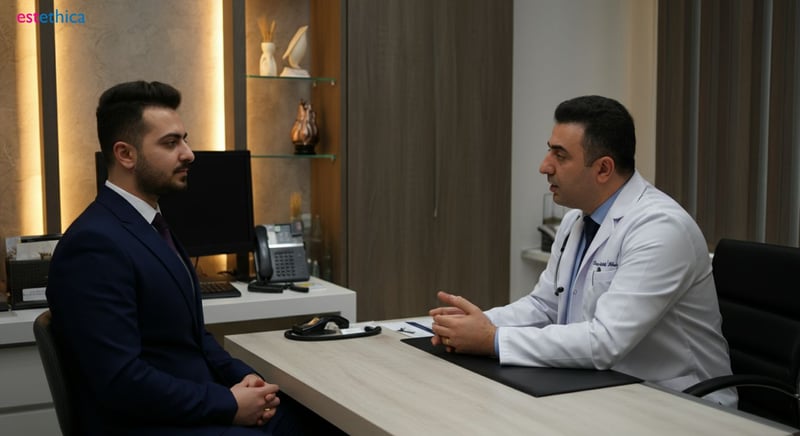
The Journey of Hair Restoration: What to Expect
Preparing for Your Hair Restoration Journey
Embarking on a hair restoration journey begins with a comprehensive consultation. This initial step is crucial for assessing the suitability of hair transplant surgery, such as Follicular Unit Extraction (FUE) or scalp micropigmentation. During this phase, patients discuss their goals and expectations, ensuring they are emotionally prepared for the transformation.
Steps to Ensure a Successful Hair Transplant
- Initial Consultation: Evaluate hair loss and discuss potential outcomes.
- Pre-Surgery Preparation: Follow guidelines for optimal surgery results.
- Post-Surgery Care: Adhere to recovery instructions for best results.
Each step is tailored to individual needs, ensuring a personalized experience. For instance, those considering a hairline transplant in London might focus on specific techniques that suit their lifestyle and aesthetic goals.
Anticipating the Results and Recovery
- Realistic Expectations: Understand the gradual nature of hair growth post-surgery.
- Recovery Time: Typically involves a few weeks of healing and adjustment.
- Long-Term Benefits: Enjoy a fuller, natural-looking hairline over time.
Patients often find that the journey, though requiring patience, leads to satisfying results. Whether opting for hair restoration in New York or exploring affordable options elsewhere, the key is to remain informed and prepared for each stage of the process.
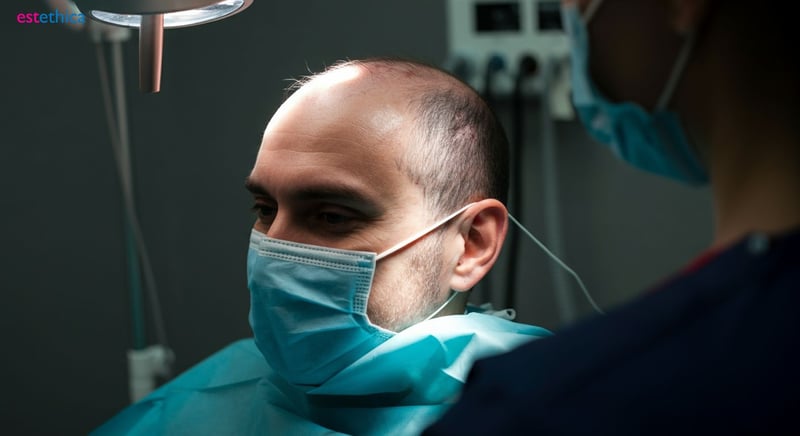
Exploring Hair Transplant Recovery Time
Factors Influencing Hair Transplant Recovery
Recovery post-hair transplant varies significantly among individuals, influenced by factors such as age, health, and the specific technique used. For instance, younger patients often experience quicker healing due to more robust cellular regeneration. Additionally, techniques like Follicular Unit Extraction (FUE) typically result in faster recovery compared to older methods, thanks to their minimally invasive nature.
- Age: Younger patients generally heal faster due to better cellular regeneration.
- Health: Overall health impacts recovery speed and quality.
- Technique: FUE and similar methods offer quicker recovery times.
Understanding these factors can help patients set realistic expectations and plan their post-surgery activities accordingly. For example, those undergoing a hairline transplant in London might consider scheduling their procedure during a period when they can afford some downtime.
Understanding the Recovery Timeline
- Immediate Post-Surgery: Initial healing occurs within the first week, with some swelling and redness.
- Short-Term Recovery: By the second week, most patients can resume normal activities.
- Long-Term Growth: New hair growth typically begins within three to four months, with full results visible after a year.
Each phase of recovery is crucial for achieving optimal results. For instance, patients should avoid strenuous activities during the initial weeks to prevent complications. Whether opting for hair restoration in New York or exploring affordable options elsewhere, understanding the recovery timeline is essential for planning and achieving the best outcomes.
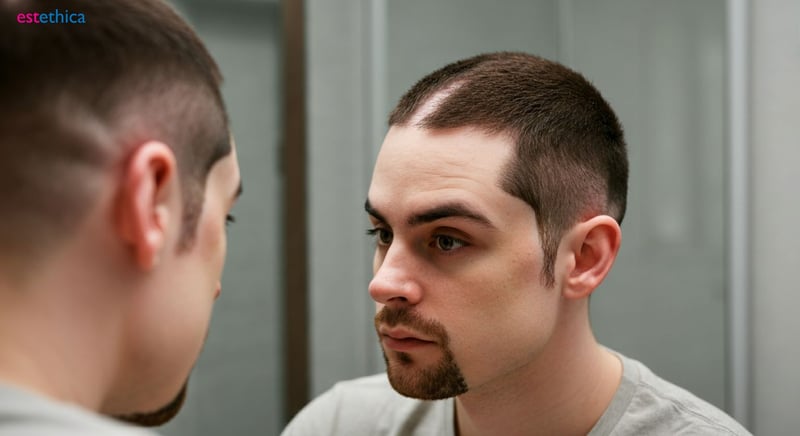
Is Hair Transplantation a Permanent Solution?
Factors Affecting the Longevity of Hair Transplant Results
While hair transplantation is often perceived as a permanent solution, its longevity can vary based on several factors. The genetic predisposition of the individual plays a crucial role; those with a family history of hair loss may experience different outcomes. Additionally, the skill of the surgeon and the technique used, such as Follicular Unit Extraction (FUE), significantly impact the durability of the results. For instance, a well-executed hairline transplant in London can offer lasting results if performed by an experienced professional.
- Genetic Factors: Family history of hair loss can influence long-term results.
- Surgical Expertise: The surgeon's skill affects the quality and longevity of the transplant.
- Technique Used: Advanced methods like FUE enhance the durability of outcomes.
Understanding these factors helps individuals set realistic expectations and choose the best hair transplant clinics for their needs.
Ongoing Maintenance and Care for Sustained Results
Even after a successful hair transplant surgery, ongoing maintenance is essential to preserve the results. Regular follow-ups with the surgeon can help monitor progress and address any emerging issues. Patients might also need to adopt specific hair care routines to support the transplanted hair's health. For example, those who undergo hair restoration in New York often receive personalized care plans to maintain their new hairline.
- Regular Check-Ups: Ensure the transplanted hair remains healthy and intact.
- Customized Hair Care: Follow a routine tailored to support hair health.
- Addressing Concerns: Promptly manage any issues that arise post-surgery.
These steps are vital for maximizing the benefits of hair restoration and ensuring that the investment in procedures like hair grafting yields long-term satisfaction. Whether considering affordable hair transplant options or seeking the latest techniques in 2025, understanding the need for maintenance is key to achieving enduring results.
Innovative Hair Transplant Techniques for Natural Restoration
Excellence in Hair Transplantation: A Journey to Confidence
Frequently Asked Questions
What are the most common hair transplant techniques?
How long does hair transplant recovery take?
Is hair transplantation a permanent solution?
What factors influence the success of a hair transplant?
What maintenance is required after a hair transplant?
Discover the path to your healthiest and most beautiful self with estethica's award-winning services. Contact us today for a free consultation and experience the pinnacle of aesthetic and healthcare excellence.
📞 Call Now for Your Free Consultation