


Comprehensive guide to hair transplantation, covering methods like FUE and DHI, cost factors, expected results, and how to choose the best clinics for effective hair restoration.
Are you considering a hair transplant to regain a fuller head of hair? This transformative procedure has advanced significantly, offering natural-looking results for those experiencing hair loss. Whether you're exploring different hair transplantation methods like FUE or DHI, curious about the current hair transplant cost, or seeking the best hair transplant clinics, this guide provides comprehensive insights. We'll delve into what makes a successful hair restoration journey, helping you make an informed decision about your path to renewed confidence.Understanding Hair Transplantation Methods: FUE & DHI
Embarking on the journey of hair restoration involves understanding the various techniques available to achieve a fuller head of hair. Among the most prevalent and effective approaches are Follicular Unit Extraction (FUE) and Direct Hair Implantation (DHI). These modern hair transplant methods have revolutionized how individuals address hair thinning and loss, offering natural-looking outcomes with minimal invasiveness. Both techniques share the fundamental goal of relocating healthy hair follicles from a donor area, typically the occipital scalp, to areas experiencing recession or thinning. However, they differ significantly in their procedural execution and the tools employed.
Follicular Unit Extraction (FUE)
The FUE technique is widely recognized for its precision and minimal scarring. In FUE hair transplant procedures, individual hair follicles are carefully extracted one by one from the donor region. This is achieved using micro-punch instruments, which create tiny circular incisions around each follicle. Once harvested, these follicular units are then prepared for transplantation. The recipient sites in the balding or thinning areas are meticulously created, and the extracted follicles are carefully implanted into these prepared sites. A significant advantage of FUE is that it typically results in very small, almost imperceptible scars, allowing for shorter hair to be worn in the donor area without noticeable signs of extraction. This method has become a cornerstone in modern hair transplantation due to its efficacy and aesthetic results.
Direct Hair Implantation (DHI)
Direct Hair Implantation (DHI) is often considered an advancement of the FUE technique. While it also involves extracting individual follicular units, the primary distinction lies in the implantation process. DHI utilizes a specialized instrument known as the Choi implanter pen. This innovative tool allows for the simultaneous extraction of the hair follicle, the creation of the recipient site within the scalp, and the implantation of the follicle, all in a single step. This integrated approach can lead to greater control over the depth, angle, and direction of hair growth, potentially achieving a more natural and denser appearance. The Choi implanter pen's design minimizes trauma to the scalp and reduces the time the follicles are outside the body, which can positively impact graft survival rates. For those seeking detailed insights into the entire process, a comprehensive guide such as Hair Transplant & Implantation: Your Guide to Restoration can provide valuable supplementary information. Choosing between FUE and DHI often depends on the specific needs of the patient, the extent of hair loss, and the expert advice provided by qualified specialists.

How Much Does a Hair Transplant Cost?
Understanding the financial aspect of a hair transplant is a crucial step for many individuals considering this procedure. The overall expense for hair transplantation can vary significantly, influenced by a number of key factors. These include the extent of hair loss experienced by the patient, the total number of grafts needed to achieve the desired density, and the specific techniques employed. For example, different hair transplant methods like FUE (Follicular Unit Extraction) and DHI (Direct Hair Implantation) may have different pricing structures.
Furthermore, the reputation and standing of the clinic, alongside the surgeon's level of expertise and experience, play a substantial role in determining the final cost. While specific figures are subject to change and depend on individual consultations, it is common practice for pricing to be calculated on a per-graft basis. Some establishments offer comprehensive package deals or tiered pricing options, especially for extensive procedures requiring a larger volume of grafts for thorough hair restoration.
Factors Influencing the Price
When evaluating the investment required for a hair transplant, it's important to look beyond the basic procedure cost. Several elements contribute to the overall expense. The number of follicular units (grafts) needed is perhaps the most significant variable. Areas with more pronounced thinning or baldness will naturally require more grafts, thus increasing the total price. The chosen method also impacts the cost; advanced techniques, while potentially offering superior results, might come with a higher price tag due to the specialized equipment and skills involved.
The location of the clinic can also be a factor, with major metropolitan areas sometimes having higher operational costs reflected in their service prices. Don't overlook the importance of the surgeon's experience and the clinic's overall reputation; established centers with a proven track record in delivering excellent outcomes for hair transplantation often command higher fees, but this can represent a worthwhile investment in safety and aesthetic success. It is essential to receive a detailed quote during your initial consultation. This should clearly outline all associated expenses, including any pre-operative assessments, the procedure itself, and necessary post-operative care instructions and supplies.
For those seeking to understand the broader landscape of this procedure and its potential outcomes, exploring resources like Hair Transplant: Achieve Natural-Looking Restoration can provide valuable insights. Researching the average hair transplant cost within your geographical region and obtaining quotes from several reputable providers will enable you to make an informed decision and budget effectively for this transformative procedure. This investment can significantly enhance both your appearance and self-confidence.
Real Hair Transplant Results: Before & After
Visualizing Success: The Power of Before & After Photos
The ultimate benchmark for evaluating the effectiveness of any medical procedure, particularly cosmetic ones, is the tangible outcome. For individuals considering a hair transplant, nothing speaks louder than genuine before and after photos. These visual portfolios serve as a crucial tool for prospective patients, offering a clear glimpse into the potential transformations they can expect. Modern hair transplantation techniques, when executed with precision by experienced surgeons, are capable of producing remarkably natural and dense hairlines that blend seamlessly with existing hair. Prior to undergoing this procedure, patients often grapple with noticeable thinning or distinct bald patches, areas that can significantly impact self-confidence. Following a successful hair transplant, a period of healing and regrowth commences. Over the subsequent months, the implanted hair follicles gradually mature and begin to sprout new hair. The accompanying visual evidence in before and after galleries typically showcases a dramatic improvement in hair coverage, density, and a restoration of a more youthful and revitalized facial frame. It's essential for individuals to understand that the extent and appearance of results can vary. Factors such as individual healing responses, the unique characteristics of one's native hair, and the initial severity of hair loss all play a role in the final outcome. Patience is indeed a virtue, as the full, striking impact of a hair transplant often takes between 12 to 18 months to fully materialize. Examining authentic before and after documentation is indispensable for setting realistic expectations and making an informed decision. For a deeper understanding of how these transformations are achieved, exploring Hair Transplant: Achieve Natural Looking Results can provide valuable insights.Understanding the Transformation Journey
The journey from pre-operative thinning to post-operative fullness is a gradual but rewarding process. Initially, after a hair transplant procedure, the transplanted grafts are delicate. Patients will notice initial shedding of the transplanted hairs within the first few weeks, a normal part of the cycle as the follicles establish themselves. True growth becomes apparent starting around the third to fourth month, with noticeable thickening occurring steadily thereafter.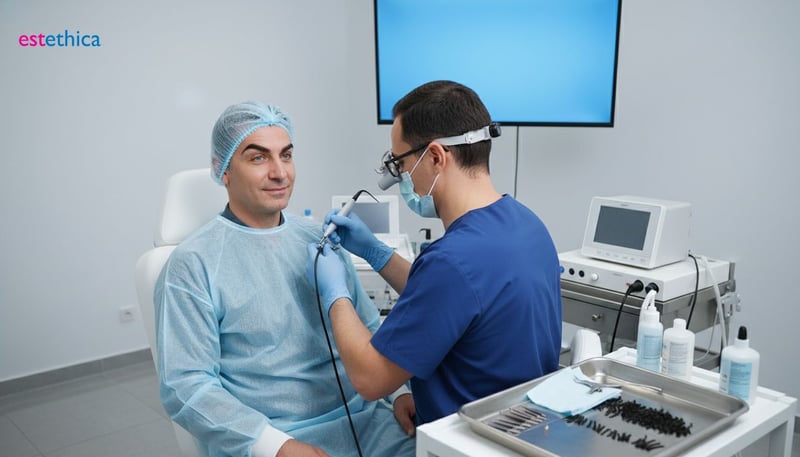
Finding the Best Hair Transplant Clinics
Selecting the right clinic is a crucial step in your journey toward achieving successful hair regrowth. The quality of your hair transplant procedure heavily depends on the expertise and skill of the surgical team. When beginning your research, prioritize clinics that boast board-certified surgeons with a significant and proven track record in hair restoration procedures. Their experience directly translates into natural-looking outcomes and a safer procedure.
Evaluating Potential Clinics
To ensure you are choosing among the best hair transplant clinics, meticulous research is essential. Start by thoroughly reading patient testimonials and reviews. Pay close attention to feedback regarding the clinic's staff professionalism, the patient's experience during the procedure, and, most importantly, their satisfaction with the final aesthetic results. A reputable establishment will transparently discuss various hair transplant methods available, explaining the pros and cons of each in relation to your specific needs.
Furthermore, a high-quality clinic will offer an in-depth initial consultation. This should involve a detailed assessment of your hair loss pattern and a discussion about your expectations. Don't hesitate to inquire about the specific technologies and techniques employed by the clinic. Understanding their approach to post-operative care is also vital for optimal healing and long-term success. If feasible, visiting the clinic in person can provide valuable insights. Alternatively, carefully reviewing their portfolio of before-and-after photographs can offer a clear picture of their surgical capabilities. Prioritizing clinics that emphasize patient care and demonstrate a high level of surgical proficiency will guide you toward a positive outcome in your hair transplantation.
The cost of a hair transplant can vary significantly depending on numerous factors, including the clinic's location, the surgeon's expertise, and the complexity of the procedure. For a detailed breakdown of what influences these expenses, you can refer to our comprehensive guide on Advanced Hair Transplant: Methods, Results & Cost Guide. This resource can help you understand the financial aspects associated with undergoing hair transplantation. When comparing options, always remember that while cost is a consideration, it should not be the primary deciding factor. Investing in a skilled surgeon and a reputable clinic for your hair transplant is paramount for achieving the desired aesthetic results and ensuring your well-being throughout the entire process of hair transplantation.

Understanding Modern Hair Restoration: FUE and DHI Techniques Explained
Embarking on the journey of hair restoration involves understanding the various techniques available to achieve a fuller head of hair. Modern hair transplant methods, such as Follicular Unit Extraction (FUE) and Direct Hair Implantation (DHI), represent advanced solutions for hair loss, offering natural-looking results with minimal invasiveness.
The FUE technique is widely recognized for its precision and minimal scarring, involving the extraction of individual follicular units. DHI is often considered an advancement of the FUE technique, utilizing specialized tools for precise implantation, ensuring optimal graft survival and natural density.
Our hair restoration experts are adept at both FUE and DHI procedures, providing tailored approaches to meet individual hair loss needs. We focus on delivering sophisticated hair transplant solutions with a deep understanding of follicle mechanics and aesthetic design.
We are dedicated to staying at the forefront of hair transplant advancements, ensuring patients receive the most effective and minimally invasive treatments available. Our commitment is to provide clear explanations of the different hair transplantation methods to empower informed decision-making.
Finding the Best Hair Transplant Clinics for Your Restoration Journey
Selecting the right clinic is a crucial step in your journey toward achieving successful hair regrowth. To ensure you are choosing among the best hair transplant clinics, meticulous research is essential, focusing on expertise, technology, and patient care.
Furthermore, a high-quality clinic will offer an in-depth initial consultation to discuss your specific needs and expectations. This thorough assessment is fundamental to building trust and planning a personalized hair transplant appointment booking.
Understanding the financial aspect of a hair transplant is a crucial step for many individuals considering this procedure. Factors influencing the hair transplant cost, such as the extent of hair loss and the chosen method, are transparently communicated. We provide a comprehensive how much does a hair transplant cost guide to ensure clarity.
The reputation and standing of the clinic, alongside the surgeon's level of expertise and experience, play a substantial role in determining the final cost. Our commitment to transparency ensures patients are well-informed about their investment in achieving lasting hair loss solutions.