

Unlock the potential of natural hair regrowth with advanced hair restoration techniques. Embrace the future of aesthetic confidence today!
Hair loss is a common concern impacting both men and women across various age groups. Understanding the root causes of hair loss is essential for identifying effective treatment options. Hair restoration offers a beacon of hope for many, promising to regain not only hair but confidence as well. This comprehensive blog post will delve into the intricacies of hair transplantation, focusing on the revolutionary techniques and the expectations of these procedures. Additionally, we will explore non-surgical alternatives that offer viable solutions for those not yet ready for surgery.
Decoding Hair Loss: Understanding the Root Causes
Identifying the Primary Drivers of Hair Loss
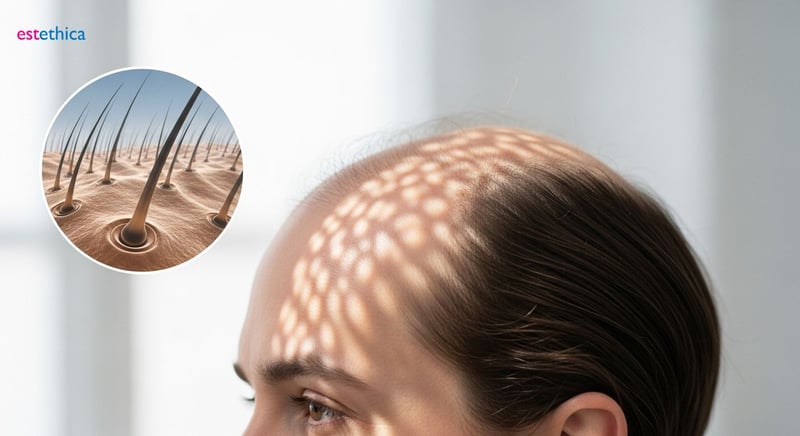
Hair loss manifests through diverse mechanisms, influenced by both internal predispositions and external stressors. Genetic factors establish a baseline susceptibility, while hormonal fluctuations, particularly in women, often trigger noticeable thinning. Medical conditions, ranging from thyroid imbalances to autoimmune disorders, can disrupt the hair growth cycle. Lifestyle choices, encompassing diet, stress management, and hair care practices, further modulate hair health. Pinpointing these root causes is essential for crafting effective, personalized hair loss treatment strategies. Ignoring the underlying factors can lead to ineffective or even counterproductive interventions. For instance, addressing stress-related hair loss requires different strategies than treating genetically predisposed androgenetic alopecia.
Common Factors Leading to Hair Loss
- Genetic Predisposition: Inherited traits significantly influence susceptibility to hair loss, particularly androgenetic alopecia, where family history is a strong indicator.
- Hormonal Imbalances: Fluctuations during menopause, pregnancy, or thyroid disorders can disrupt the hair growth cycle, leading to temporary or persistent thinning.
- Medical Conditions: Autoimmune diseases like alopecia areata, infections, and skin disorders can directly impact hair follicles, causing localized or widespread hair loss.
Understanding these factors helps tailor appropriate interventions, such as exploring non surgical hair loss solutions or considering a hair transplant at a reputable hair transplant clinic.
Follicular Unit Extraction (FUE): The Gold Standard Technique
The Nuances of FUE and Its Impact on Natural Hair Restoration
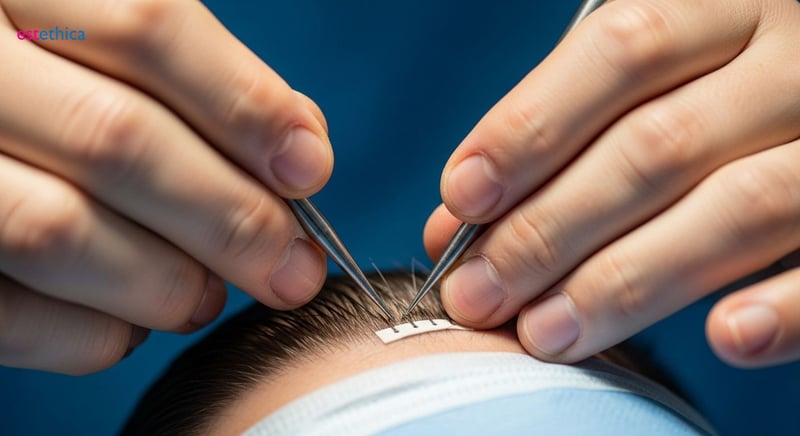
Follicular Unit Extraction (FUE) stands out in the field of hair restoration because it offers a minimally invasive path to achieving a fuller head of hair. Unlike older methods, FUE involves extracting individual hair follicles directly from the scalp, which reduces scarring and recovery time. This technique is particularly beneficial for patients concerned about visible scars. The precision of FUE allows for strategic placement of follicles, mimicking natural hair growth patterns. With advancements like the Safir pen, the accuracy and success rate of FUE procedures have significantly improved, making it a preferred choice for those seeking a hair transplant. The goal is not just to restore hair, but to do so in a way that enhances the patient's overall appearance, blending seamlessly with their existing hair.
Key Advantages of FUE for Hair Restoration
- Minimal Scarring: FUE leaves tiny, virtually invisible scars, making it ideal for patients who prefer short hairstyles.
- Natural Results: The precision of FUE allows for strategic placement of follicles, mimicking natural hair growth patterns and density.
- Shorter Recovery Time: Patients typically experience a quicker recovery compared to traditional strip methods, with less discomfort and a faster return to daily activities.
Many individuals explore FUE as a solution for a hair transplant for receding hairline, appreciating the subtle yet impactful results. Moreover, the advancements in FUE technology have expanded its applicability, making it a viable option for various types of hair loss treatment. For instance, FUE can be effectively used in beard hair transplant procedures, offering a customized approach to facial hair restoration. The versatility and precision of FUE underscore its position as a leading technique in modern hair restoration.
Is a Hair Transplant Permanent? Long-Term Expectations
Understanding the Longevity of Hair Transplants
The enduring nature of hair transplants is a primary concern for individuals considering this procedure. Generally, transplanted hair follicles are resilient, sourced from areas of the scalp genetically resistant to balding. This inherent resistance allows the transplanted hair to maintain its growth cycle, providing a lasting solution to hair loss treatment. Patients typically observe that after an initial shedding phase, new hair growth is consistent and permanent. However, individual results can vary based on factors such as the patient's age, hair type, and overall health. To ensure the best possible outcome, adherence to post-operative care instructions and regular check-ups with a hair transplant clinic are essential.
Factors Influencing the Permanence of Hair Transplants
- Surgical Technique: The precision and expertise employed during the hair transplant procedure significantly impact the survival rate and longevity of transplanted follicles. Techniques like follicular unit extraction (FUE) are known for their high success rates.
- Follicle Source: Hair follicles harvested from the donor area, typically the back or sides of the scalp, are genetically programmed to resist balding, ensuring their permanence in the transplanted area.
- Post-operative Care: Following the surgeon's instructions regarding medication, washing, and avoiding strenuous activities is critical for the successful integration and long-term survival of transplanted hair.
While the transplanted hair is designed to last, the non-transplanted hair may continue to thin over time due to natural aging or genetic predispositions. This is why some individuals might consider additional sessions to maintain a consistent density. The success of a hair restoration largely depends on selecting a skilled surgeon and adhering to a comprehensive aftercare plan. For those concerned about a hair transplant for receding hairline, understanding these factors is key to setting realistic expectations and achieving satisfactory, long-lasting results.
What to Expect After a Hair Transplant
- Initial Shedding: Within the first few weeks, it's common for the transplanted hair to fall out. This is a normal part of the process, as the follicles enter a resting phase before new growth begins.
- New Growth Phase: Around three to four months post-procedure, new hair growth starts to emerge. The hair will gradually thicken and mature over the following months.
- Final Results: The full results of the hair transplant are typically visible within 9-12 months. At this point, the transplanted hair should blend seamlessly with the existing hair, providing a natural and fuller appearance.
The longevity of a hair transplant also hinges on lifestyle factors, such as maintaining a healthy diet and managing stress. Techniques like fue hair transplant and follicular unit transplantation (FUT) offer different approaches, but both aim to provide a permanent solution to hair loss. Consulting with a hair transplant clinic can help determine the most suitable method for individual needs. Although the transplanted hair is permanent, maintaining the overall health of the scalp and remaining hair is crucial for long-term satisfaction. Therefore, patients should be well-informed about the procedure and have realistic expectations regarding the outcome. Options like scalp micropigmentation can also be considered to complement the results of a hair transplant.

Beyond the Scalpel: Non-Surgical Hair Loss Solutions Explored
Exploring Platelet-Rich Plasma (PRP) Therapy
Non-surgical hair restoration is becoming increasingly popular, especially for those in the early stages of hair loss treatment. Among these options, Platelet-Rich Plasma (PRP) therapy stands out as a promising method. PRP involves extracting a small amount of the patient's blood, processing it to concentrate the platelets, and then injecting it into the scalp. The growth factors in platelets stimulate hair follicles, promoting hair growth and thickness. PRP is often used to treat androgenetic alopecia, a common cause of hair loss in both men and women. The procedure is minimally invasive, with most patients experiencing little to no downtime. PRP offers a viable alternative for individuals seeking to avoid surgery or those who may not be suitable candidates for a hair transplant.
Benefits of Non-Surgical Hair Loss Treatments
- Minimally Invasive: Non-surgical options like PRP and scalp micropigmentation do not require incisions or sutures, reducing the risk of complications and scarring.
- Shorter Recovery Time: Patients can typically return to their normal activities immediately after the procedure, with minimal downtime.
- Natural-Looking Results: These treatments enhance existing hair growth or create the illusion of a fuller head of hair without the need for a hair transplant.
Scalp micropigmentation, another non-surgical technique, involves tattooing tiny dots on the scalp to mimic the appearance of hair follicles. This method is particularly effective for creating the look of a closely shaven head or adding density to thinning areas. While PRP therapy aims to stimulate natural hair growth, scalp micropigmentation provides an immediate cosmetic solution. Many individuals opt for these non-surgical approaches as a first line of defense against hair loss, especially when looking for affordable hair transplant options. Moreover, these treatments can complement surgical procedures, enhancing the overall outcome of a hair restoration plan. For example, someone might use PRP to improve the health of existing hair and then consider a hair transplant for receding hairline if the thinning progresses. Consulting with a specialist at a hair transplant clinic can help determine the most suitable non-surgical options based on individual needs and expectations. Techniques like fue hair transplant and follicular unit transplantation (FUT) offer different approaches, but both aim to provide a permanent solution to hair loss. The advantage of non-surgical methods is that they can often be implemented earlier in the hair loss process, potentially slowing down or reversing the progression before more drastic measures are needed. Although the transplanted hair is permanent, maintaining the overall health of the scalp and remaining hair is crucial for long-term satisfaction. Therefore, patients should be well-informed about the procedure and have realistic expectations regarding the outcome. Options like scalp micropigmentation can also be considered to complement the results of a hair transplant.
How Non-Surgical Treatments Complement Surgical Options
- Early Intervention: Non-surgical methods can be used to slow down hair loss and improve hair health before a hair transplant becomes necessary.
- Enhancing Transplant Results: PRP therapy can stimulate the growth of transplanted follicles, improving the overall density and appearance of the hair.
- Maintaining Hair Health: Non-surgical treatments can help maintain the health of existing and transplanted hair, ensuring long-term satisfaction with the results.
Some individuals explore FUE as a solution for a hair transplant for receding hairline, appreciating the subtle yet impactful results. Moreover, the advancements in FUE technology have expanded its applicability, making it a viable option for various types of hair loss treatment. For instance, FUE can be effectively used in beard hair transplant procedures, offering a customized approach to facial hair restoration. The versatility and precision of FUE underscore its position as a leading technique in modern hair restoration. Consulting with a hair transplant clinic can help determine the most suitable method for individual needs. Although the transplanted hair is permanent, maintaining the overall health of the scalp and remaining hair is crucial for long-term satisfaction. Therefore, patients should be well-informed about the procedure and have realistic expectations regarding the outcome. Options like scalp micropigmentation can also be considered to complement the results of a hair transplant.
Advanced FUE and PRP Techniques for Natural Hair Restoration
Personalized Hair Restoration Plans for Long-Term Satisfaction
Frequently Asked Questions
What is a hair transplant and how does it work?
How is Follicular Unit Extraction (FUE) different from other hair restoration techniques?
Is a hair transplant a permanent solution for hair loss?
What are some non-surgical alternatives for hair loss treatment?
How do I choose the right hair transplant clinic?
Achieve your aesthetic goals with estethica's personalized treatments and expert care.
📞 Schedule Your Free Consultation!