

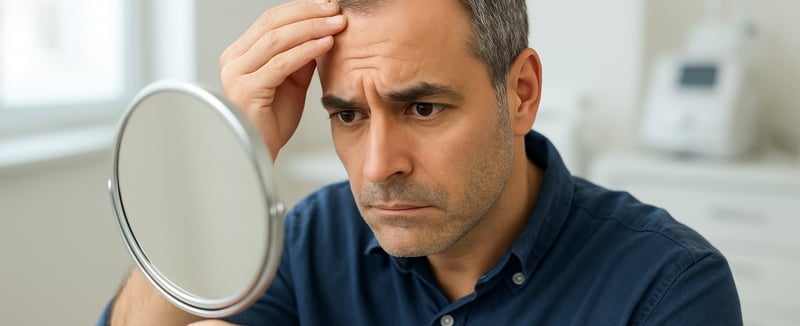
Discover what to expect with hair transplant before and after results. Learn about the recovery timeline, post-operative care, and how to book a consultation.
Hair transplant before and after results represent the visible transformation achieved through the surgical relocation of hair follicles to areas experiencing thinning or loss. This procedure relies on advanced techniques to restore natural density and hairline aesthetics, providing a permanent solution for those seeking to address androgenetic alopecia. Understanding the recovery process is essential for managing expectations and ensuring optimal graft survival during the healing phase.
Visualizing Success: Analyzing These Aesthetic Outcomes
Evaluating clinical improvements requires an understanding of the biological mechanisms involved in hair restoration surgery. The process involves extracting follicular units from a donor area, typically the back or sides of the scalp, and implanting them into the recipient site. Successful outcomes at estethica Global depend on the survival rate of these grafts, which is influenced by the surgeon's precision and the patient's adherence to post-operative care protocols1.
Patients often report a significant psychological boost alongside physical changes, as research indicates that hair transplant recipients are perceived by others to be an average of 3.6 years younger following their procedure1. Maintaining realistic expectations is vital, as clinical data shows that while high success rates are observed in the majority of cases, individual healing timelines can vary based on scalp health and hair density3.
Understanding Graft Survival and Growth
The journey toward visible improvement is gradual, often beginning with a temporary shedding phase known as shock loss. Following this initial period, the follicles transition into the anagen phase, where new, permanent hair growth begins to emerge. Recent studies highlight that survival rates differ by hair source, with beard hair demonstrating an impressive 95% viability rate when use for complex scalp restoration4.
Minimizing risks during the recovery phase is essential for achieving optimal density and natural-looking results. Data regarding FUE hair transplant surgery suggests a relatively low complication rate of 4.7%, which highlight the importance of choosing qualified medical teams at estethica Global to ensure safety and long-term satisfaction2.
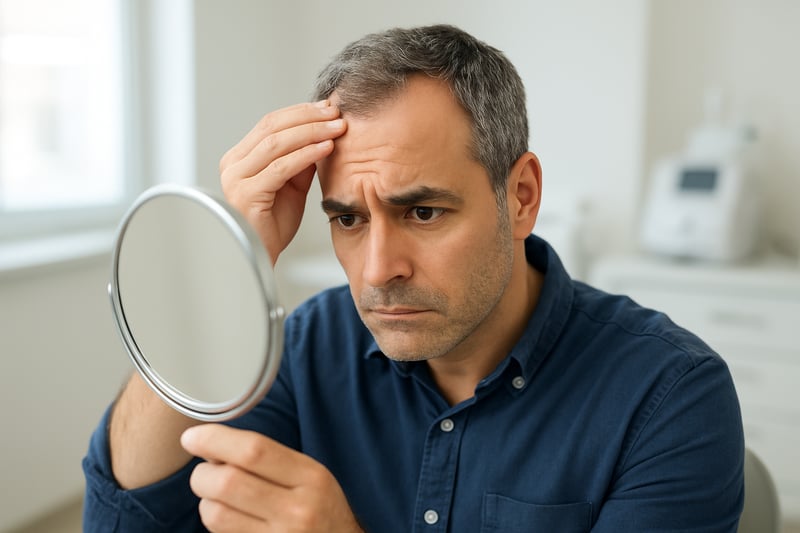
The Estethica Global Hair Transplant Recovery Journey Explained
The estethica Global hair transplant recovery experience is designed to prioritize patient safety and comfort through every stage of the healing process. Following the procedure, the scalp requires a period of stabilization to allow the newly implanted follicular units to integrate with the surrounding tissue. Professional guidance during this time is vital to minimize risks such as infection or folliculitis, which occur in a small percentage of cases2.
Patients often notice that hair transplant results contribute to a more youthful appearance, with research indicating that recipients are perceived to be an average of 3.6 years younger after their restoration surgery1. estethica Global provides thorough aftercare instructions to ensure that the scalp remains clean and protected, which is essential for achieving the high survival rates associated with modern FUE techniques.
Managing the Early Healing Phase
During the first few days, patients may experience mild swelling or discomfort, which is typically managed with prescribed care protocols. It is important to keep the head improve and avoid strenuous physical activity to prevent unnecessary pressure on the recipient site. The medical team provides specific instructions on how to wash the scalp gently, ensuring that the grafts remain undisturbed while the donor area begins its initial repair.
Consistent adherence to these recovery guidelines helps patients navigate the transition from the immediate post-operative period to the growth phase. While individual healing speeds vary, the structured support provided by estethica Global ensures that patients are well-prepared for the natural shedding and subsequent regrowth cycles that follow a successful hair transplant.
A thorough Hair Transplant Recovery Timeline Week by Week
The initial week following your procedure at estethica Global focuses on graft stabilization and the healing of micro-incisions in both donor and recipient areas. Patients must keep the scalp clean and avoid touching the newly implanted follicles to ensure optimal anchorage, as complications like minor bleeding or folliculitis remain statistically low at approximately 4.7%2. Adhering to post-operative care instructions during these first seven days is essential for preventing displacement and promoting healthy tissue regeneration.
Surface-level scabbing typically resolves by the second week, allowing patients to return to most social and professional activities. While the scalp may retain some mild redness, this period marks the transition toward normal hair care routines, provided that sun exposure and strenuous physical activity are restricted. Many patients find that consistent follow-up appointments with estethica Global help monitor the healing process and address any specific concerns regarding scalp sensitivity.
Long-Term Growth Milestones
Transplanted hairs usually enter a resting phase and shed between the first and third months, which is a standard part of the hair life cycle before new growth emerges. By the sixth month, patients typically observe significant improvements in density, and by the end of one year, the final aesthetic results are generally achieved3. Clinical data indicates that hair restoration can provide a youthful appearance, with recipients often appearing an average of 3.6 years younger following their procedure1.
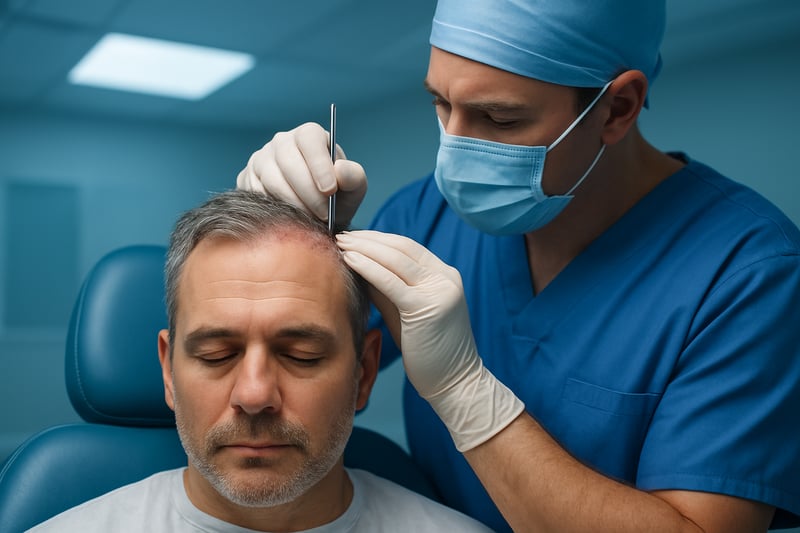
Essential Post-Operative Care and Hair Graft Survival Tips
Achieving optimal hair transplant results requires strict adherence to post-operative protocols to ensure graft integrity and scalp health. Patients should avoid strenuous physical activity and protect the head from direct sun exposure for at least two weeks to minimize the risk of edema or graft displacement. Maintaining an upright sleeping position during the first few nights also assists in reducing facial swelling and promotes proper circulation to the newly transplanted areas.
Cleanliness of the recipient and donor sites serves as the foundation for successful healing and infection prevention. estethica Global recommends using only prescribed, pH-balanced shampoos to gently cleanse the scalp without dislodging sensitive follicles. Research indicates that careful post-operative management influences long-term success, as complications like folliculitis or necrosis occur in only a small fraction of cases when hygiene guidelines are followed2.
Optimizing Graft Longevity
Avoiding chemical irritants such as alcohol, nicotine, and blood-thinning medications is important during the initial recovery phase to ensure optimal blood flow to the scalp. Proper hydration and a nutrient-rich diet support the body's natural healing mechanisms, directly impacting the survival rate of the transplanted units. While most patients achieve excellent density, data shows that graft survival rates can vary based on hair source, with scalp hair typically maintaining an 89% survival rate one year post-procedure4.
How to Book Your Hair Transplant Consultation and Start Your Transformation
Scheduling a consultation with estethica Global begins the journey toward restoring hair density and achieving a natural-looking hairline. Specialists evaluate the donor area to determine if a patient is an ideal candidate for FUE or DHI techniques, ensuring the chosen method match individual hair loss patterns. This initial step is vital, as clinical studies indicate that high success rates in hair restoration are heavily dependent on proper planning and accurate scalp analysis3.
Patients often find that receiving a professional assessment provides clarity on the realistic expectations of their hair transplant results. Research shows that recipients of hair restoration surgery are frequently perceived by others to be an average of 3.6 years younger following their procedure1. estethica Global maintains a focus on patient safety, monitoring for potential complications such as folliculitis or minor inflammation, which occur in a very small percentage of cases2.
The decision to undergo a procedure requires understanding both the benefits and the considerations involved in the recovery process. Reviewing the following table helps prospective patients weigh the professional approach to hair restoration:
Preparing for Your Assessment
Gathering personal health history and recent photographs of the scalp allows the medical team at estethica Global to provide a more accurate evaluation during the virtual or in-person meeting. Discussing these specific needs ensures that the personalized treatment plan addresses the unique density requirements of the donor area. Transparency during this stage helps establish a clear roadmap for the entire hair transplant recovery journey.

Technical Methods and Follicular Extraction Procedures
Post-Operative Care and Healing Management
Frequently Asked Questions
Who is considered a poor candidate for achieving optimal hair transplant before and after results?
What specific lifestyle adjustments are required to improve post-operative hair transplant care?
Is it true that hair transplant recovery leads to immediate hair growth after the procedure?
How does the preparation process influence the success of your estethica global hair transplant recovery?
What is the difference between surgical restoration and non-surgical hair loss alternatives?

Ready to see your potential hair transformation?
Gain clarity on the recovery process and discuss your personalized hair restoration goals with our medical team.
References
Superscript numbers in the content correspond to the references listed below.
- JAMA Facial Plastic Surgery — Perception of Hair Transplant for Androgenetic Alopecia
- PubMed Central (PMC) — Clinical Outcome and Safety Profile of Patients Underwent Hair Transplantation Surgery by Follicular Unit Extraction
- PubMed Central (PMC) — Longevity of Hair Follicles after Follicular Unit Transplant Surgery
- PubMed Central (PMC) — A Comparative Study on the Rate of Anagen Effluvium and Survival Rates of Scalp, Beard, and Chest Hair in Hair Restoration Procedure of Scalp