


Dive into your hair transplant journey with estethica’s leading procedures and expert care for your fullest confidence.
Hair Today, Confidence Tomorrow: Your Transplant Journey Begins!
Hair loss can be a daunting experience, impacting self-esteem and everyday confidence. However, with modern medical advances, hair transplants offer a promising solution for those seeking to restore their hair and their confidence. As you embark on this journey, understanding the process, techniques, and recovery aspects are imperative.
At estethica, a leader in aesthetic healthcare, we utilize the latest hair transplant techniques like FUE and Sapphire FUE to ensure the most natural-looking results. As international award-winners, our mission prioritizes patient safety, ensuring superior service without compromising ethical values. Let's delve into your comprehensive guide for a seamless hair transplant experience.
Decoding Hair Loss: Understanding the Root Cause
Identifying the Primary Culprits of Hair Loss
Several factors can lead to hair loss, including genetics, hormonal imbalances, and specific medical conditions. Hereditary hair loss, also known as male pattern baldness or androgenetic alopecia, is a widespread cause. Hormonal fluctuations, such as those occurring during pregnancy or menopause, are significant contributors to hair thinning in women. According to a study, genetics account for up to 80% of male pattern baldness cases. Conditions, such as alopecia areata, thyroid disorders, and iron deficiency, may also cause hair loss. Understanding these primary causes can help in determining the most suitable hair restoration strategy.
Factors That Contribute to Hair Loss Include:
- Genetics: Predisposition to hair loss passed down through family.
- Hormonal Imbalances: Changes during pregnancy, menopause, or thyroid issues.
- Medical Conditions: Alopecia areata, scalp infections, and other diseases.
Navigating Diagnosis and Treatment Options
- Initial Consultation: Consulting a specialist for accurate assessment.
- Diagnostic Tests: Blood tests or scalp biopsies to identify underlying issues.
- Personalized Treatment Plan: Tailoring treatment based on the diagnosis, which could include medication or a hair transplant.

FUE vs. FUT: Choosing the Right Hair Transplant Technique
Understanding the Key Differences Between FUE and FUT
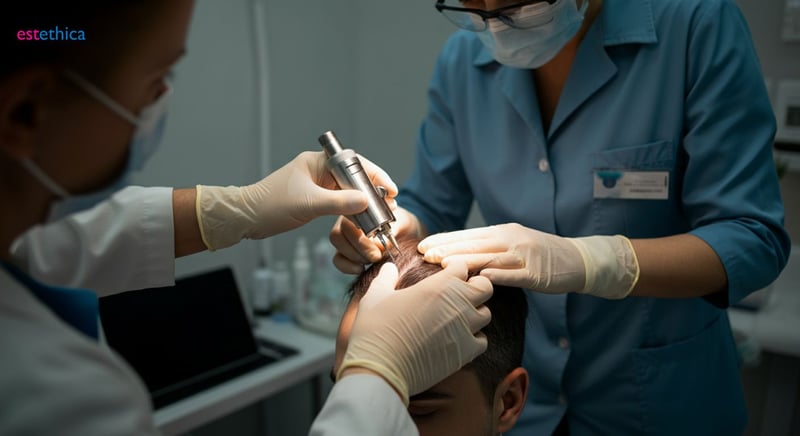
When considering a hair transplant, understanding the nuances between Follicular Unit Extraction (FUE) and Follicular Unit Transplantation (FUT) is essential. FUE involves the individual extraction of hair follicles directly from the scalp, which minimizes scarring and typically results in a quicker recovery period for individuals. FUT, conversely, involves removing a strip of scalp from which hair follicles are then extracted. Although FUT allows for the transplantation of a large number of grafts, it leaves a linear scar.
The approach taken by estethica focuses on tailoring each treatment plan to suit the patient's individual requirements, accounting for aspects like the condition of the scalp and the type of hair.
Advantages and Considerations of FUE and FUT:
- FUE: Ideal for those seeking minimal scarring and quicker recovery.
- FUT: Enables the transplantation of a high number of grafts in one session.
- Personalized Planning: Critical for either method, estethica customizes each procedure.
What Factors Influence the Choice of Technique?
- Hair Type: Different hair textures respond better to different techniques.
- Scalp Condition: Health and elasticity affect procedure choice and outcomes.
- Desired Coverage: The extent of hair restoration needed impacts the choice.
The Complete Hair Transplant Recovery Time Guide
Post-procedure care is pivotal in achieving desired results. The recovery timeline post-hair transplant involves several phases. Initially, you might experience some redness and swelling, which subsides within a few days. By the second week, scabs formed might start to fall off.
It's vital to follow care instructions, including gentle hair washing and avoiding direct sun exposure to ensure a smooth recovery. Complete healing and hair growth usually manifest within 6 to 12 months. estethica provides extensive follow-up care and additional treatments like PRP therapy to support the hair’s regrowth and thickness.
Navigating the Hair Transplant Recovery Stages
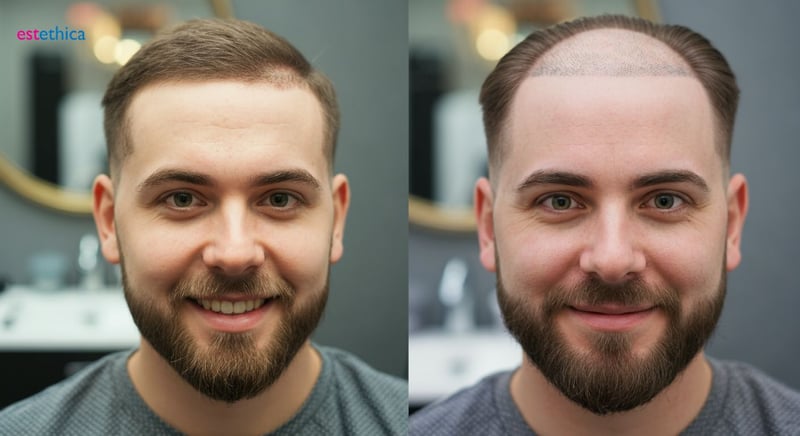
The journey to full hair restoration after a hair transplant is a process marked by distinct stages. In the initial days post-surgery, managing swelling and ensuring the scalp remains clean are critical. Within a week, the first signs of healing become visible as the redness diminishes. New hair growth typically begins around three to four months post-procedure, with more noticeable density appearing by the sixth month. By the end of twelve months, patients can appreciate the full impact of the hair transplant, revealing a significantly improved hairline and overall hair density. At estethica , we emphasize detailed aftercare and utilize advanced techniques to enhance the success and speed of the recovery.
Essential Steps for a Smooth Hair Transplant Recovery:
- Gentle Washing: Begin washing your hair gently a few days post-surgery using a mild shampoo.
- Avoid Direct Sunlight: Protect your scalp from direct sun exposure to prevent complications.
- Follow-Up Appointments: Attend all scheduled follow-up appointments at estethica for optimal results.
Beyond the Procedure: Long-Term Hair Restoration Strategies
Maximizing Longevity of Hair Transplants
To ensure the lasting success of a hair transplant, adopting a comprehensive long-term strategy is crucial. Proper scalp care, including regular cleaning and moisturizing, helps maintain the health of transplanted follicles. Furthermore, managing stress levels through exercise or meditation can prevent stress-related hair loss. According to a study, individuals who maintain a consistent scalp care routine experience up to 30% better hair retention rates. Considering treatments like laser therapy enhances blood flow to the scalp, fostering stronger hair growth. estethica offers specialized guidance and treatments to ensure your hair remains vibrant and healthy for years following your hair restoration procedure.
Key Strategies for Sustained Hair Health:
- Scalp Health: Maintain scalp hygiene.
- Stress Management: Minimizing stress to support hair growth.
- Advanced Treatments: Exploring options like laser therapy.
Maintaining Optimal Results After Your Hair Transplant
- Regular Check-Ups: Schedule follow-up appointments at estethica to monitor your hair's condition and adjust care plans as needed.
- Nutritional Support: Incorporate vitamins and minerals that promote hair health into your diet.
- Avoid Harsh Treatments: Steer clear of harsh chemicals and heat styling to protect your transplanted hair.
Pioneering FUE and Sapphire FUE for Natural-Looking Hair Restoration
Prioritizing Patient Safety and Seamless Hair Transplant Experiences
Frequently Asked Questions
What are the primary causes of hair loss that might require a hair transplant?
What are the key differences between FUE and FUT hair transplant techniques?
What does the typical hair transplant recovery time involve, and what steps can ensure a smooth process?
What long-term strategies can maximize the longevity and results of a hair transplant?
Achieve your aesthetic goals with estethica's world-class treatments, book your free consultation today!
📞 Call Now for Your Free Consultation!