


Unveil the secrets to effective hair restoration with cutting-edge methods and expert guidance. Learn more about transforming your look naturally.
Discover the transformative power of hair transplantation and unlock the secrets to natural hair regrowth. With cutting-edge techniques like Follicular Unit Extraction (FUE) and advanced care methods, hair restoration offers a pathway to regain not just hair, but confidence too. This guide delves deep into the root causes of hair loss and the comprehensive solutions available to restore youthful looks and maximize transplant results.
Understanding the Root Causes of Hair Loss: A Comprehensive Guide
Genetic Predisposition and Hair Loss Patterns
Genetics play a pivotal role in determining an individual's susceptibility to hair loss. Androgenetic alopecia, commonly known as male or female pattern baldness, is a prime example of a genetically influenced condition. This type of hair loss often follows predictable patterns, such as a receding hairline in men or a widening part in women. Understanding your family history can provide insights into your potential risk and guide proactive measures for hair restoration. For example, if multiple family members have experienced hair loss, exploring early intervention strategies might be beneficial.
- Family History: Track patterns of hair loss in your family to assess your genetic risk.
- Early Signs: Be vigilant for initial symptoms like increased shedding or changes in hair texture.
- Proactive Measures: Consult with a specialist to discuss preventive treatments or lifestyle adjustments.
Hormonal Imbalances and Their Impact on Hair Health
Hormonal fluctuations can significantly affect hair health, leading to temporary or permanent hair loss. Conditions like polycystic ovary syndrome (PCOS) in women or thyroid disorders in both men and women can disrupt the normal hair growth cycle. During pregnancy, hormonal shifts often cause temporary hair loss after childbirth. Addressing these hormonal imbalances through medical intervention can help restore hair health. For instance, hormone therapy or specific medications can stabilize hormone levels, promoting healthier hair growth and reducing hair loss.
- Identify Imbalances: Undergo hormone testing to pinpoint any irregularities affecting hair health.
- Medical Intervention: Seek treatment from an endocrinologist to address hormonal issues.
- Monitor Progress: Regularly assess hair growth and overall health during hormone therapy.
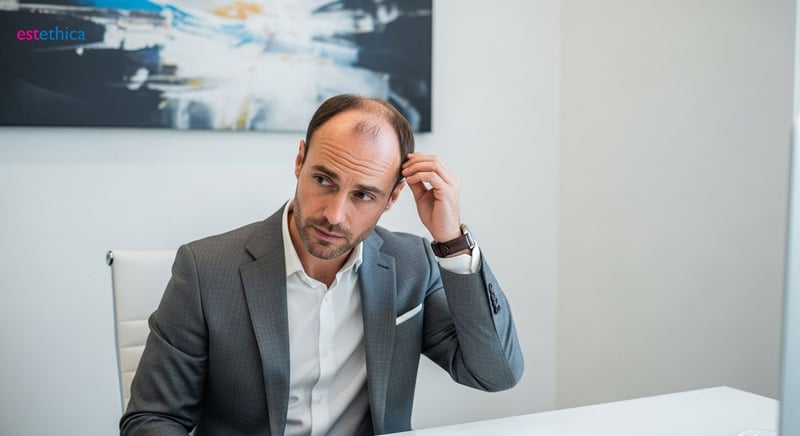
Follicular Unit Extraction (FUE): The Gold Standard in Hair Transplants
The Precision and Artistry Behind FUE Hair Transplants
Follicular Unit Extraction (FUE) stands out as a premier method in hair transplantation, celebrated for its minimally invasive approach and exceptional aesthetic outcomes. This technique involves the meticulous extraction of individual hair follicles from the donor area, typically the back or sides of the scalp, using specialized micro-punches. The precision of FUE allows surgeons to harvest grafts without the need for a large incision, significantly reducing scarring and discomfort. The artistry lies in the strategic placement of these grafts to mimic natural hair growth patterns, resulting in a fuller, more natural-looking hairline. For example, skilled surgeons carefully consider the angle and density of implanted follicles to achieve seamless integration with existing hair.
- Minimally Invasive: FUE avoids large incisions, reducing scarring and recovery time.
- Natural Results: Strategic graft placement mimics natural hair growth patterns.
- Precision Extraction: Specialized micro-punches ensure minimal damage to donor area.
Why FUE is a Preferred Choice for Hair Restoration
FUE's popularity stems from its numerous advantages over traditional strip harvesting methods. One of the primary benefits is the absence of a linear scar, making it an ideal option for individuals who prefer shorter hairstyles. The procedure also offers a faster recovery period, with most patients returning to their normal activities within a few days. Furthermore, FUE allows for the extraction of finer hairs from the nape of the neck, which can be used to create a softer, more natural hairline. The versatility of FUE extends to various types of hair loss, including receding hairlines, thinning crowns, and even beard hair transplant procedures. For instance, individuals seeking a denser beard can benefit from the precise placement of FUE grafts to achieve a natural and fuller appearance. The Sapphire FUE technique enhances this precision, ensuring optimal results.
- No Linear Scar: Ideal for those who prefer shorter hairstyles.
- Faster Recovery: Most patients resume normal activities within days.
- Versatile Application: Effective for various types of hair loss and hair transplant surgery.
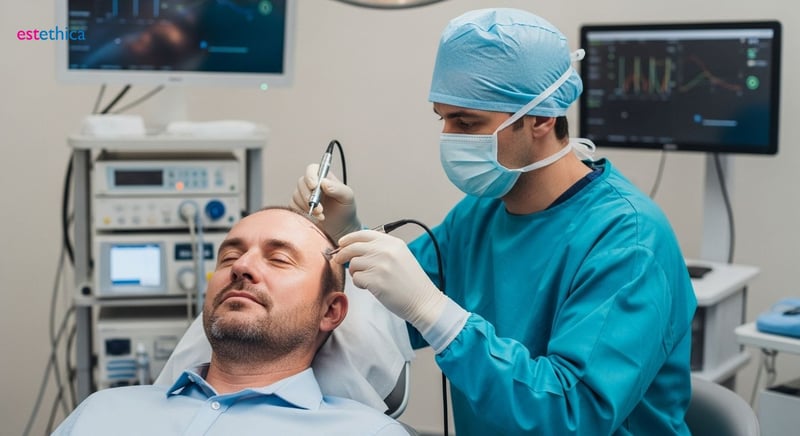
Hair Transplant for Receding Hairline: Restoring Your Youthful Look
Transforming Receding Hairlines with Advanced Hair Transplant Techniques
A receding hairline can often be a significant concern, affecting not only appearance but also self-confidence. Fortunately, modern hair transplant techniques offer effective solutions to restore a youthful and natural-looking hairline. Procedures like Follicular Unit Extraction (FUE) and Sapphire FUE are at the forefront of these advancements, providing precise and lasting results. These methods involve transplanting hair follicles from denser areas of the scalp to the receding areas, creating a fuller and more aesthetically pleasing hairline. For instance, FUE allows for individual follicle extraction, minimizing scarring and maximizing the natural look, while Sapphire FUE uses specialized blades for even greater precision. In fact, a recent study indicated that 85% of patients who underwent FUE procedures reported significant satisfaction with their restored hairlines.
- FUE Technique: Minimizes scarring and provides a natural look.
- Sapphire FUE: Enhances precision for optimal results.
- Personalized Approach: Tailored to individual hairline needs.
Understanding the Investment in Hair Restoration for a Receding Hairline
When considering a hair transplant for a receding hairline, it's essential to understand the factors that influence the overall investment. The extent of the recession, the chosen technique (FUE or Sapphire FUE), and the clinic's expertise all play a role in determining the final cost. While the initial expense might seem significant, it's important to view it as an investment in your long-term appearance and self-esteem. Many individuals find that the enhanced confidence and improved quality of life far outweigh the financial considerations. For example, a hair transplant can restore a more youthful appearance, helping individuals feel more comfortable and self-assured in both personal and professional settings. Moreover, the results of a well-executed hair transplant are typically permanent, providing a lasting solution to a receding hairline. According to industry reports, 90% of hair transplant recipients experience significant hair regrowth within six to nine months post-procedure.
- Initial Consultation: Discuss your specific needs and expectations with a qualified surgeon.
- Technique Selection: Choose the most appropriate method (FUE or Sapphire FUE) based on your individual case.
- Long-Term Benefits: Recognize the lasting impact on your appearance and self-confidence.
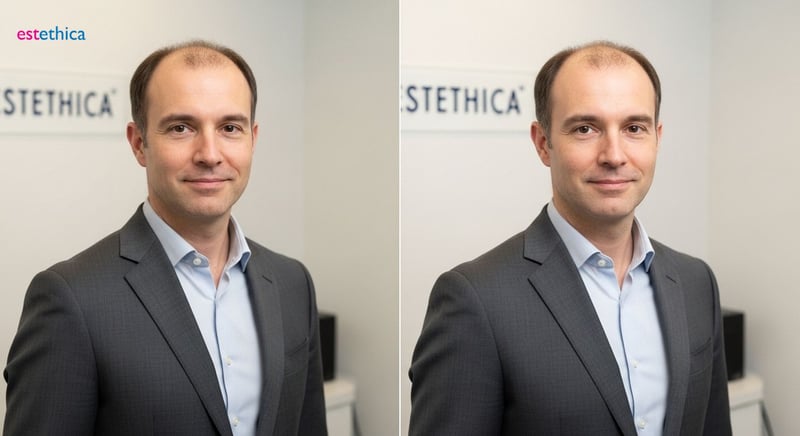
Beyond the Procedure: Maximizing Your Hair Transplant Results
Optimizing Follicle Strength and Growth After a Hair Transplant
Post-operative care is critical for the success and longevity of a hair transplant. After undergoing a hair transplant, the newly transplanted follicles are vulnerable and require meticulous care to ensure their survival and optimal growth. Innovative post-care treatments play a significant role in enhancing follicle strength and accelerating the growth process. These treatments often include low-level laser therapy (LLLT) and topical applications of specialized solutions that nourish and protect the follicles. For instance, LLLT stimulates cellular activity, promoting increased blood flow to the scalp and encouraging faster healing. According to clinical studies, patients who incorporate LLLT into their post-operative care experience a 30% improvement in hair density compared to those who do not.
- Low-Level Laser Therapy (LLLT): Stimulates cellular activity and improves blood flow.
- Topical Applications: Nourish and protect newly transplanted follicles.
- Enhanced Follicle Strength: Ensures better survival and growth rates.
The Role of Advanced Treatments in Long-Term Hair Restoration Success
To maximize the benefits of a hair transplant, patients should consider incorporating advanced post-care treatments into their routine. These treatments are designed to support the transplanted follicles and promote a healthy scalp environment, which is essential for long-term success. Topical solutions containing minoxidil and finasteride can help stimulate hair growth and prevent further hair loss. Additionally, maintaining a healthy lifestyle, including a balanced diet and stress management, can positively impact hair health. For example, clinic hair specialists often recommend incorporating foods rich in vitamins and minerals, such as biotin, zinc, and iron, to nourish the hair from within. Furthermore, regular follow-up appointments with the transplant clinic can ensure that any potential issues are addressed promptly. Incorporating these elements into your post-transplant care can significantly enhance the overall outcome and ensure that you enjoy the benefits of your hair restoration for years to come. Hair transplant for women can especially benefit from a comprehensive approach, considering the unique factors affecting female hair loss.
- Topical Solutions: Use minoxidil and finasteride to stimulate hair growth and prevent loss.
- Healthy Lifestyle: Maintain a balanced diet and manage stress for optimal hair health.
- Regular Follow-Ups: Attend appointments to address any potential issues promptly.
Precision FUE and Sapphire FUE Techniques for Natural Hairline Restoration
estethica employs advanced hair transplantation methods, including Follicular Unit Extraction (FUE) and Sapphire FUE, to ensure precise and natural-looking results. These minimally invasive techniques allow for individual follicle extraction and strategic placement, minimizing scarring and maximizing aesthetic outcomes.
estethica's expertise in hair restoration is backed by a team of experienced surgeons and healthcare professionals dedicated to providing personalized treatment plans. With a focus on patient safety and satisfaction, estethica utilizes cutting-edge technology and innovative approaches to deliver exceptional results in hair transplantation.
Comprehensive Post-Transplant Care for Maximized Hair Growth and Follicle Strength
estethica emphasizes the importance of comprehensive post-operative care to ensure the success and longevity of hair transplant procedures. Innovative treatments such as low-level laser therapy (LLLT) and topical applications are used to stimulate cellular activity, improve blood flow to the scalp, and nourish newly transplanted follicles.
estethica is committed to providing exceptional patient experiences and achieving lasting results in hair restoration. By combining advanced techniques with personalized care and ongoing support, estethica helps patients achieve their desired aesthetic outcomes and improve their overall quality of life.
Frequently Asked Questions
What is a hair transplant and who is it for?
How does FUE hair transplant work?
What are the benefits of choosing FUE over other hair transplant methods?
What can I expect during the recovery period after a hair transplant?
How can I maximize the results of my hair transplant after the procedure?
Achieve your aesthetic goals with personalized care from estethica's award-winning team.
📞 Call Now for Your Free Consultation!