

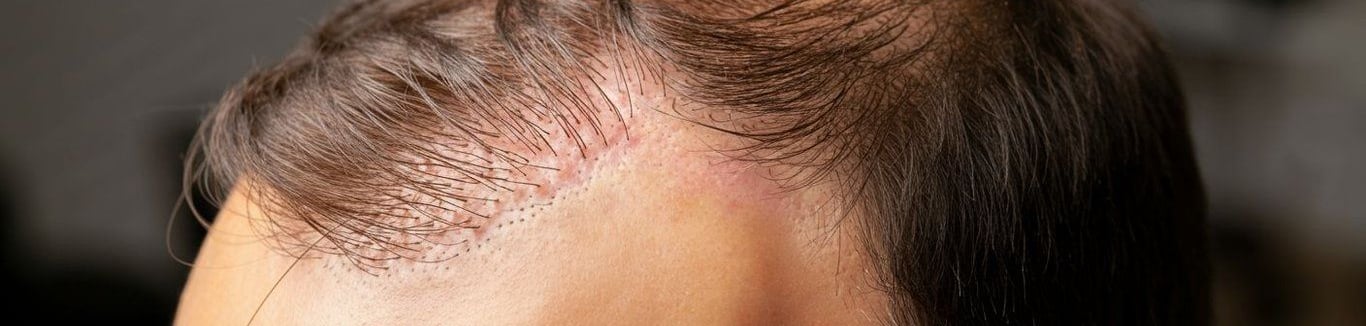
Discover how modern hair transplantation techniques can restore thinning hair and enhance your confidence with promising long-lasting results.
Hair loss can be an overwhelming experience, yet modern advancements in hair transplantation provide hope and a fresh start. In this comprehensive guide, we delve into understanding the root causes of hair loss, the juxtaposition of FUE and FUT techniques, and what to anticipate after undergoing a hair transplant. Additionally, we explore the longevity of hair transplant results, aiming to answer whether such procedures offer permanent solutions.
Decoding Hair Loss: Understanding the Root Causes
Genetic Predisposition and Hair Loss Patterns
Hair loss is a widespread concern, impacting individuals globally. Genetic factors play a crucial role, particularly in conditions like male pattern baldness, scientifically known as androgenetic alopecia. This hereditary condition affects a significant portion of the male population, with studies showing a strong correlation between family history and the likelihood of experiencing hair thinning or recession. In women, genetic factors can also contribute to hair loss, often manifesting as a more diffuse thinning across the scalp rather than a receding hairline. Understanding your family history is an important first step in addressing potential hair loss concerns and exploring suitable hair restoration options.
Hormonal imbalances are another significant contributor to hair loss, particularly in women. Conditions like polycystic ovary syndrome (PCOS) can disrupt hormone levels, leading to hair thinning and other symptoms. Similarly, pregnancy and menopause can cause hormonal fluctuations that affect hair growth. Stress and nutritional deficiencies can also exacerbate hair loss, making it essential to maintain a balanced diet and manage stress levels effectively. For example, iron deficiency is a common cause of hair loss in women, highlighting the importance of adequate nutrient intake. Addressing these underlying factors can help improve hair health and potentially slow down or reverse hair loss.
Various medical conditions and medications can also trigger hair loss. Autoimmune diseases like alopecia areata cause the immune system to attack hair follicles, resulting in patchy hair loss. Chemotherapy, a common cancer treatment, often leads to temporary hair loss due to its effects on rapidly dividing cells, including hair follicle cells. Certain medications, such as blood thinners and antidepressants, have also been linked to hair loss as a side effect. Recognizing these potential triggers is crucial for seeking appropriate medical advice and exploring alternative treatment options, including hair transplant and hair restoration procedures, to restore hair density and confidence. The impact of these factors underscores the importance of a comprehensive approach to understanding and managing hair loss.
Common Causes of Hair Loss
- Genetics: Hereditary factors, especially male pattern baldness, significantly influence hair loss.
- Hormonal Changes: Fluctuations during pregnancy, menopause, or due to conditions like PCOS can lead to hair thinning.
- Medical Conditions: Autoimmune diseases and certain medications can trigger hair loss.
Navigating the Cost of Hair Restoration
- Initial Consultation: A thorough assessment to determine the extent and cause of hair loss.
- Treatment Selection: Choosing the most appropriate method, such as FUT hair transplant or FUE hair transplant, based on individual needs.
- Aftercare and Maintenance: Following a comprehensive aftercare plan to ensure optimal results and long-term hair health.
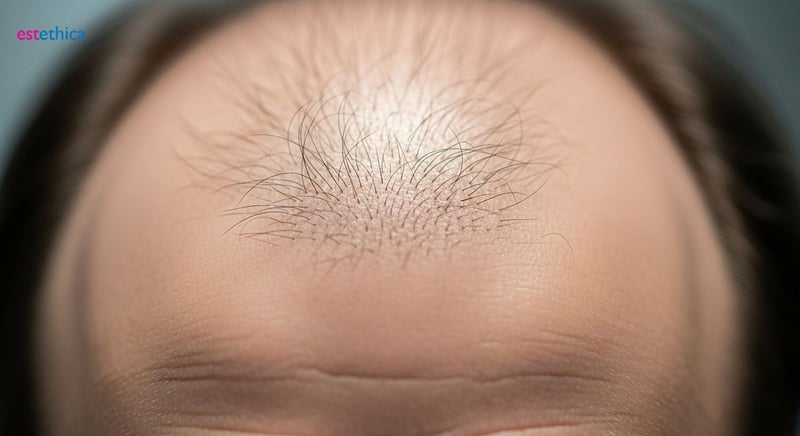
FUE vs. FUT: Choosing the Right Hair Transplant Technique
Understanding FUE and FUT Techniques
Hair transplantation has undergone significant advancements, with Follicular Unit Extraction (FUE) and Follicular Unit Transplantation (FUT) emerging as the primary methods. FUE involves the extraction of individual hair follicles from the donor area, typically the back or sides of the scalp, using small punches. This minimally invasive approach results in tiny, dot-like scars that are often virtually undetectable. FUT, also known as strip harvesting, involves removing a strip of scalp from the donor area, which is then dissected into individual follicular units for transplantation. While FUT can yield a larger number of grafts in a single session, it leaves a linear scar that may be visible, especially with shorter hairstyles. The choice between FUE and FUT depends on factors such as the extent of hair loss, the patient's preferences, and the surgeon's expertise.
FUE is often favored for its reduced scarring and faster recovery time. Patients undergoing FUE can typically resume their normal activities within a few days, whereas FUT may require a longer recovery period due to the larger incision. However, FUT can be more suitable for patients requiring a large number of grafts, as it allows for the efficient harvesting of follicular units. Both techniques have their advantages and limitations, and a thorough consultation with a qualified hair transplant surgeon is essential to determine the most appropriate method. For instance, individuals seeking hair restoration to address a receding hairline may find FUE to be an ideal option due to its precision and minimal scarring. Ultimately, the goal is to achieve natural-looking and long-lasting hair transplant results that meet the patient's aesthetic goals.
Factors Influencing the Choice of Hair Transplant Technique
- Extent of Hair Loss: FUE may be preferred for smaller areas, while FUT can address more extensive baldness.
- Scarring Concerns: FUE leaves minimal, dot-like scars, whereas FUT results in a linear scar.
- Recovery Time: FUE typically offers a faster recovery compared to FUT.
Recovery Expectations and Aftercare
- Initial Healing: Both FUE and FUT require a period of initial healing, with specific aftercare instructions to minimize complications.
- Hair Growth: New hair growth typically begins within a few months after the procedure, with full results visible in about a year.
- Long-Term Maintenance: Maintaining a healthy lifestyle and following the surgeon's recommendations can help ensure the longevity of the hair transplant results.
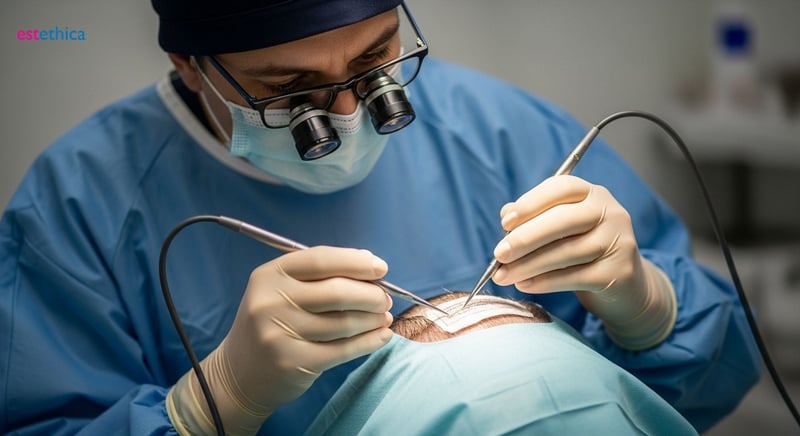
Beyond the Procedure: What to Expect After Your Hair Transplant
Immediate Aftermath and Initial Recovery
The initial days following a hair transplant are crucial for ensuring the success of the procedure. Patients typically experience some degree of swelling and tightness in the treated area, which is a normal part of the healing process. This discomfort usually subsides within a few days, and pain medication can be prescribed to manage any discomfort. It is essential to follow the surgeon's post-operative instructions carefully, which may include avoiding strenuous activities and keeping the scalp clean and moisturized. Proper care during this period can significantly influence the overall outcome of the hair transplant.
One of the most important aspects of aftercare is protecting the newly transplanted hair follicles. Patients are advised to avoid direct sun exposure and wear a hat or protective covering when outdoors. Sleeping with the head elevated can help reduce swelling and promote healing. It is also crucial to avoid touching or scratching the scalp, as this can dislodge the grafts and compromise the results. Adhering to these guidelines can help ensure that the transplanted hair follicles successfully integrate into the scalp, paving the way for natural and healthy hair growth. The expertise of clinics like Fatma Dursun Hair Transplant and Şule Hair Transplant can be invaluable in navigating this critical phase.
Navigating Hair Transplant Costs and Financial Planning
Understanding the financial aspects of a hair transplant is essential for patients considering this procedure. While the specific hair transplant cost can vary depending on factors such as the extent of hair loss, the chosen technique (FUE hair transplant or FUT hair transplant), and the clinic's location, it is important to have a clear understanding of the investment involved. Many clinics, including those specializing in beard hair transplant and hair implants, offer consultations to provide personalized cost estimates and discuss available payment options. Planning for these expenses is a crucial part of the decision-making process, ensuring that patients can proceed with confidence and peace of mind.
Essential Aftercare Steps for Optimal Results
- Gentle Cleansing: Use a mild shampoo to wash the scalp gently, as advised by your surgeon.
- Medication Adherence: Follow the prescribed medication regime to prevent infection and reduce inflammation.
- Sun Protection: Avoid direct sun exposure and wear a hat to protect the transplanted area.
Timeline for Hair Growth and Maturation
- Initial Growth: New hair growth typically begins within 3 to 4 months after the procedure.
- Maturation Phase: Hair gradually matures over the next 12 months, becoming thicker and more natural-looking.
- Final Results: Full and natural-looking hair transplant results are usually visible after 12 months, significantly improving hair density and appearance.

Is a Hair Transplant Permanent? Long-Term Results Explained
Factors Affecting the Longevity of Hair Transplant Results
One of the primary questions individuals have about hair transplantation is whether the results are permanent. While transplanted hair follicles are generally resistant to hair loss, the natural aging process can still impact the surrounding non-transplanted hair. This means that while the transplanted hair can last a lifetime, the native hair around it may continue to thin over time. Advances in transplantation techniques, such as Follicular Unit Extraction (FUE) and Follicular Unit Transplantation (FUT), have significantly improved the long-term outcomes for patients. These methods ensure that healthy, robust hair follicles are selected for transplantation, increasing the likelihood of lasting results. Maintaining realistic expectations and understanding the factors that influence hair longevity are essential for anyone considering a hair transplant.
Post-operative care plays a vital role in ensuring the longevity of hair transplant results. Following the surgeon's instructions carefully, including avoiding strenuous activities and protecting the scalp from sun exposure, can help promote optimal healing and hair growth. Maintenance treatments, such as Platelet-Rich Plasma (PRP) therapy and low-level laser therapy (LLLT), are often recommended to enhance hair density and prolong the life of transplanted hair. Additionally, adopting a healthy lifestyle, including a balanced diet and stress management, can contribute to overall hair health and the longevity of hair transplant outcomes. For example, PRP therapy involves injecting concentrated platelets into the scalp, stimulating hair follicles and promoting increased blood flow, which can improve hair thickness and density.
The skill and experience of the hair transplant surgeon are also critical factors in determining the long-term success of the procedure. A skilled surgeon can strategically place hair follicles to create a natural-looking hairline and maximize hair density. They can also assess the patient's individual hair loss pattern and develop a customized treatment plan to address their specific needs. Choosing a reputable clinic, such as Şule Hair Transplant or Fatma Dursun Hair Transplant, can provide patients with the assurance that they are receiving high-quality care from experienced professionals. Proper technique and meticulous attention to detail can significantly enhance the longevity and overall satisfaction with hair transplant results. The combination of advanced techniques, diligent aftercare, and expert surgical skills ensures the most enduring and natural-looking outcomes.
Strategies to Maximize the Duration of Your Hair Transplant
- Follow Post-Operative Instructions: Adhering to the surgeon's guidelines is crucial for initial healing and long-term success.
- Consider Maintenance Treatments: PRP therapy and laser treatments can enhance hair density and longevity.
- Maintain a Healthy Lifestyle: A balanced diet and stress management contribute to overall hair health.
Understanding Hair Transplant Costs and Value
- Initial Consultation: A detailed assessment to evaluate hair loss and determine candidacy for a hair transplant.
- Personalized Treatment Plan: Tailoring the procedure to meet individual needs and aesthetic goals.
- Long-Term Maintenance: Ongoing care to ensure the longevity and quality of the transplanted hair.
Advanced FUE and FUT Techniques for Natural-Looking Hair Restoration
estethica employs cutting-edge FUE and FUT hair transplant techniques, ensuring precise follicle extraction and transplantation. FUE minimizes scarring with individual follicle removal, while FUT allows for efficient harvesting of a larger number of grafts, catering to diverse patient needs and preferences.
estethica's hair transplant surgeons are highly skilled and experienced in performing both FUE and FUT procedures. Their expertise ensures strategic placement of hair follicles for a natural-looking hairline and maximized hair density, customizing treatment plans to address individual hair loss patterns.
Meticulous Post-Operative Care Ensuring Long-Term Hair Transplant Success
estethica provides detailed post-operative instructions and support to ensure optimal healing and hair growth after a hair transplant. This includes gentle cleansing techniques, medication adherence, and sun protection measures, minimizing complications and maximizing the longevity of results.
Patients at estethica benefit from personalized treatment plans, advanced techniques, and diligent aftercare, resulting in natural-looking and long-lasting hair transplant outcomes. The combination of expert surgical skills and comprehensive support ensures patient satisfaction and improved hair density and appearance.
Frequently Asked Questions
What is a hair transplant and how can it help with hair loss?
What are the main differences between FUE and FUT hair transplant techniques?
How long do hair transplant results typically last?
What can I expect during the recovery period after a hair transplant?
Are there any alternative hair loss treatment options besides a hair transplant?
Ready to experience world-class aesthetic and healthcare services?
📞 Book Your Free Consultation!