


A comprehensive guide to hair transplants, covering causes of hair loss, techniques like FUE and FUT, aftercare tips, and permanence. Learn how estethica can help you regain your hair and confidence.
Hair loss can be a distressing experience, impacting self-esteem and overall confidence. Fortunately, advancements in medical technology have made hair restoration a viable option for many. This comprehensive guide delves into the world of hair transplants, exploring the causes of hair loss, different transplant techniques, essential aftercare tips, and addressing the common question: Is a hair transplant permanent? Whether you're just beginning to explore hair loss treatment options or are ready to take the next step, this guide provides valuable insights to help you make informed decisions. At estethica, we understand the impact of hair loss and offer advanced hair transplant solutions tailored to your individual needs, ensuring natural-looking and lasting results. Discover how a hair transplant can help you regain a fuller head of hair and renewed confidence.Decoding Hair Loss: Understanding the Root Causes
Unveiling the Multifaceted Nature of Hair Loss
Before exploring any hair loss treatment, including a hair transplant, it's essential to understand the various factors that contribute to hair loss, also known as alopecia. These factors range from genetic predispositions to lifestyle choices. Androgenetic alopecia, commonly referred to as male or female pattern baldness, is a prevalent cause, manifesting as a receding hairline and thinning crown in men, and a more diffuse thinning in women. However, other underlying issues can also trigger hair loss. Identifying the specific cause is crucial for tailoring an effective hair restoration plan. Consulting with specialists at estethica can help determine the root cause and guide you towards appropriate solutions.
- Genetic factors play a significant role, particularly in androgenetic alopecia, influencing the age of onset and pattern of hair loss.
- Hormonal imbalances, such as thyroid disorders or changes during menopause, can disrupt the hair growth cycle and lead to shedding.
- Lifestyle factors, including chronic stress, poor nutrition, and certain hairstyles, can exacerbate hair loss or contribute to its development.
Navigating Treatment Options Based on Cause
Understanding the root cause of hair loss is paramount in determining the most effective treatment strategy. For instance, if a thyroid disorder is identified, addressing the hormonal imbalance may help restore hair growth. In cases of androgenetic alopecia, options like dht blockers can help slow down or prevent further hair loss. For those seeking a more permanent solution, a hair transplant may be considered. The effectiveness of a hair transplant depends on various factors, including the patient's overall health, the extent of hair loss, and the surgeon's expertise. When considering options such as a FUE hair transplant it is important to discuss the possibilities with your doctor. With locations such as hair transplant London, hair transplant New York and hair transplant Los Angeles, estethica is ready to serve you.
- Diagnosis: A thorough evaluation, including a physical exam, medical history review, and potentially blood tests, is essential to identify the underlying cause of hair loss.
- Treatment Plan: Based on the diagnosis, a personalized treatment plan may include medications, lifestyle modifications, or surgical options like a hair transplant.
- Follow-Up: Regular monitoring and follow-up appointments are important to assess treatment effectiveness and make any necessary adjustments.

FUE vs. FUT: Choosing the Right Hair Transplant Technique
Understanding FUE and FUT Techniques
When exploring hair transplant options, it's crucial to understand the nuances of Follicular Unit Extraction (FUE) and Follicular Unit Transplantation (FUT). FUE involves the extraction of individual follicular units directly from the scalp. This method is appreciated for its minimally invasive nature, resulting in tiny, dot-like scars that are often imperceptible. FUT, conversely, involves removing a strip of scalp from which follicular units are dissected. While FUT can harvest a larger number of grafts in a single session, it leaves a linear scar. The choice between FUE and FUT should align with individual needs and expectations, and estethica specialists can provide personalized guidance.
- FUE is favored for its minimal scarring and faster recovery, making it suitable for those who prefer shorter hairstyles.
- FUT allows for the transplantation of a larger number of grafts in one session, which may be beneficial for individuals with extensive hair loss.
- Both FUE and FUT can achieve natural-looking results when performed by skilled surgeons, and estethica prides itself on expertise in both techniques.
Factors Influencing the Choice of Technique
Selecting between FUE and FUT involves considering several factors, including the extent of hair loss, hair type, and lifestyle. Individuals with a high degree of hair loss might benefit from the FUT technique. Those who want to wear very short hairstyles may be better suited to the FUE technique. Modern advancements, like Sapphire FUE and DHI, enhance the precision and outcomes of hair transplant procedures. Ultimately, the decision should be made in consultation with a qualified surgeon who can assess individual needs and recommend the most appropriate method. At estethica, our surgeons evaluate these factors to determine the best approach for each patient, ensuring optimal results. The clinic also provides options such as beard hair transplant, hair transplant for women and hair implants.
- Assessment: A comprehensive evaluation of the patient's hair loss, scalp condition, and overall health is essential.
- Technique Selection: Based on the assessment, the surgeon recommends either FUE or FUT, considering the patient's goals and preferences.
- Procedure: The chosen technique is performed with precision and care to ensure natural-looking and long-lasting results, enhancing the possibilities of hair restoration.
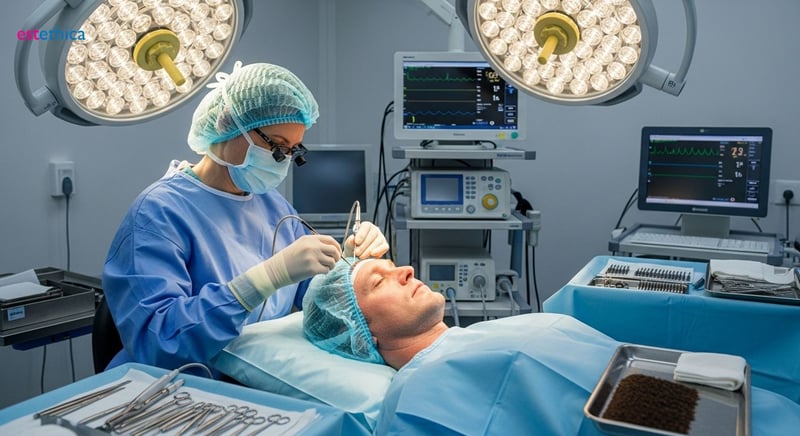
Beyond the Procedure: Essential Hair Transplant Aftercare Tips
Optimizing Recovery: The Foundation of Successful Hair Restoration
Proper aftercare is critical for ensuring the success and longevity of your hair transplant. Following your surgeon's instructions diligently can significantly impact the healing process and the final outcome. Immediately after the procedure, it's essential to protect the transplanted area from direct sunlight and trauma. Gentle washing with a mild shampoo is typically recommended a few days post-surgery. Avoiding strenuous activities, such as heavy lifting and intense exercise, is also important during the initial recovery period. Additionally, certain medications and lifestyle adjustments may be advised to promote hair growth and prevent further hair loss. estethica provides comprehensive aftercare guidance to all our patients, ensuring they have the knowledge and support needed for a smooth and successful recovery. This includes detailed instructions on wound care, medication management, and follow-up appointments to monitor progress. Special attention should be paid to hair transplant aftercare sun exposure, especially during the summer months, to protect the newly transplanted follicles. The hair transplant process may vary from person to person. For example, the process may be different for a patient who had a celebrity hair transplant.
- Sun Protection: Shielding the scalp from direct sunlight is crucial to prevent damage to the newly transplanted follicles.
- Gentle Cleansing: Washing the hair with a mild, recommended shampoo helps keep the scalp clean and prevents infection.
- Activity Restriction: Avoiding strenuous activities reduces the risk of trauma and promotes optimal healing of the transplanted area.
Navigating the Recovery Period: Key Considerations
The recovery period following a hair transplant is a crucial phase that demands careful attention and adherence to specific guidelines. During this time, it's essential to manage expectations and understand that the transplanted hair will initially shed before new growth begins. This shedding is a normal part of the process and should not be a cause for concern. Maintaining a healthy lifestyle, including a balanced diet and adequate hydration, can support hair growth. Follow-up appointments with your surgeon at estethica are vital for monitoring progress and addressing any concerns. Remember, patience and consistency are key to achieving the desired results. The recovery may vary from person to person, for example, the recovery of patients who prefer non-shaven hair transplant may be different. You can contact clinic hair for more information.
- Medication Adherence: Taking prescribed medications as directed helps prevent infection and promote hair growth.
- Wound Care: Following proper wound care instructions ensures optimal healing and minimizes the risk of complications.
- Lifestyle Adjustments: Making necessary lifestyle changes, such as avoiding smoking and excessive alcohol consumption, supports overall hair health.

Is a Hair Transplant Permanent? Separating Fact from Fiction
Demystifying the Longevity of Hair Transplants
One of the most frequently asked questions about hair transplants is whether the results are permanent. In the majority of cases, a hair transplant offers a long-term solution to hair loss, but it's important to have a clear understanding of what to expect. The hair follicles used in the transplant are typically harvested from areas of the scalp that are genetically resistant to balding, such as the back and sides of the head. This means that the transplanted hair retains its resistance to DHT, the hormone responsible for androgenetic alopecia. However, it's important to note that a hair transplant does not prevent future hair loss in non-transplanted areas. To maintain a consistent and natural-looking hairline, some individuals may need additional treatments or procedures over time. estethica offers thorough consultations to discuss realistic expectations and long-term management strategies. Understanding what is the success rate of hair transplant and how long does hair transplant last is also crucial for managing expectations. It is also worth noting that the hair transplant cost may be an important factor for some individuals. The clinic hair can give more information on the topic.
- Transplanted hair is typically resistant to DHT, offering a long-lasting solution to hair loss.
- Future hair loss in non-transplanted areas may still occur, requiring additional treatments.
- Comprehensive consultations with estethica can help manage expectations and develop long-term strategies.
Sustaining Long-Term Hair Health
While the transplanted hair is generally permanent, maintaining overall hair health can significantly contribute to the longevity of the results. Proper diet, a healthy lifestyle, and potentially dht blockers can help preserve hair density and prevent further hair loss. Regular check-ups with estethica can help monitor hair health and address any emerging issues. Furthermore, understanding the factors that contribute to hair loss, such as genetics and hormonal imbalances, can inform preventive measures. For instance, individuals with a family history of hair loss may consider starting preventative treatments early. estethica can provide guidance on maintaining hair health and preventing future hair loss. If you are looking for the best hair transplant clinic near me, you can contact estethica. The clinic also offers options such as hair transplant for women, beard hair transplant and hair implants.
- Maintain a healthy lifestyle with a balanced diet and regular exercise to support hair health.
- Consider preventative treatments, such as dht blockers, to slow down or prevent further hair loss.
- Schedule regular check-ups with estethica to monitor hair health and address any emerging issues.
Exploring Non-Surgical Hair Loss Treatment Options
Understanding Non-Surgical Treatments for Hair Thinning
While a hair transplant is an effective solution for many experiencing hair loss, it's not the only option available. Non-surgical alternatives can be beneficial for individuals with early-stage hair loss or those who are not suitable candidates for surgery. These options include topical medications like minoxidil, oral medications like finasteride (a dht blocker), laser therapy, and platelet-rich plasma (PRP) injections. Minoxidil helps stimulate hair growth by increasing blood flow to the scalp, while finasteride works by blocking the production of DHT. Laser therapy uses low-level light to stimulate hair follicles, and PRP injections involve injecting concentrated platelets from the patient's own blood into the scalp to promote hair growth. estethica offers a range of non-surgical hair loss treatment tailored to individual needs and preferences. Around 40% of women experience noticeable hair loss by age 40. Combining non-surgical treatments with a healthy lifestyle can often slow down or even reverse hair loss in some cases. You can contact clinic hair for more information.
- Topical medications like minoxidil can stimulate hair growth by increasing blood flow to the scalp.
- Oral medications like finasteride (a dht blocker) work by blocking the production of DHT, a hormone that contributes to hair loss.
- Laser therapy uses low-level light to stimulate hair follicles, promoting hair growth.
Customizing Your Non-Surgical Treatment Plan
The effectiveness of non-surgical hair loss treatment options can vary depending on the individual and the underlying cause of hair loss. A comprehensive assessment by an experienced specialist is essential to determine the most appropriate treatment plan. This assessment may involve a review of your medical history, a physical examination of your scalp, and potentially blood tests to identify any underlying medical conditions contributing to hair loss. estethica's experienced specialists can assess your condition and recommend the most appropriate treatment plan to help you achieve your desired results. Este hair clinic and şule hair transplant are also experts in the field of hair restoration. For example, for hair transplant for receding hairline, non-surgical methods can be used. The clinic also provides options such as beard hair transplant, hair transplant for women and hair implants.
- Assessment: A thorough evaluation is conducted to determine the cause and extent of hair loss.
- Personalization: A customized treatment plan is developed based on individual needs and preferences.
- Monitoring: Regular follow-up appointments are scheduled to assess treatment effectiveness and make any necessary adjustments.
Finding the Best Hair Transplant Clinic Near Me: What to Look For
Key Factors to Consider When Choosing a Clinic
Selecting the right clinic for your hair transplant is a pivotal decision that can significantly influence the outcome. When searching for the best hair transplant clinic near me, several key factors should be taken into account. The clinic's experience and reputation are paramount; look for clinics specializing in hair restoration with a documented history of successful results. The qualifications of the surgeons are also crucial, ensuring they are highly skilled and experienced in performing hair transplants. Patient reviews and testimonials offer valuable insights into the experiences of previous clients, providing a glimpse into the clinic's standards of care and patient satisfaction. Clinics like estethica, with state-of-the-art facilities and a commitment to patient care, stand out in the field. Remember, choosing a clinic is not just about the procedure but about the entire journey.
- Surgeon Qualifications: Verify the credentials and experience of the surgeons performing the hair transplant.
- Clinic Reputation: Research the clinic's reputation through reviews, testimonials, and before-and-after photos.
- Technology and Techniques: Ensure the clinic uses advanced techniques like FUE and FUT.
Understanding the Cost of a Hair Transplant
When exploring hair transplant options, understanding the potential hair transplant cost is an important consideration. While cost should not be the sole deciding factor, it's crucial to have a clear understanding of the investment involved. The hair transplant cost can vary depending on several factors, including the extent of hair loss, the technique used (FUE or FUT), and the clinic's location and reputation. Some clinics may offer financing options or payment plans to make the procedure more accessible. It's essential to have a detailed consultation with the clinic to discuss your specific needs and goals and receive a comprehensive cost estimate. Clinics like estethica provide transparent pricing and personalized treatment plans to help you make an informed decision. Remember that investing in a hair transplant is an investment in your self-confidence and long-term well-being. For example, for hair transplant for receding hairline, the price may vary. Este hair clinic and şule hair transplant are also experts in the field of hair restoration.
- Consultation: Schedule a consultation to discuss your specific needs and receive a personalized cost estimate.
- Technique: Understand how the chosen technique (FUE or FUT) impacts the overall hair transplant cost.
- Financing: Inquire about financing options or payment plans to make the procedure more affordable.
Understanding Hair Transplant: A Comprehensive Guide
Advanced FUE and FUT Hair Transplant Techniques for Natural-Looking Results
Comprehensive Aftercare and Support for Optimal Hair Transplant Outcomes
Frequently Asked Questions
What is a hair transplant and how does it work?
How long does hair transplant recovery take, and what aftercare is needed?
Is a hair transplant permanent, or will I need future treatments?
What are the differences between FUE and FUT hair transplant techniques?
How do I find the best hair transplant clinic near me?
Ready to discover the estethica difference with personalized aesthetic and healthcare solutions?
📞 Schedule Your Free Consultation!