


Unlock the secrets of hair restoration with our guide to hair transplant techniques and tips for maintaining natural, lasting results.
Hair restoration is a life-changing decision for many facing hair loss challenges. This comprehensive guide explores the key aspects of hair transplantation, helping you make informed decisions for your personal journey. From understanding the root causes of hair loss to delving into modern restoration techniques, this guide is your go-to resource.
Decoding Hair Loss: Understanding the Root Causes
Genetic Factors and Hair Loss
Genetic predispositions are significant when exploring the causes of hair loss, particularly in cases of androgenetic alopecia, commonly known as male or female pattern baldness. This condition, influenced by genes inherited from both parents, affects how hair follicles respond to dihydrotestosterone (DHT), a hormone that can shrink hair follicles, leading to thinning and eventual hair loss. Understanding this genetic link is vital for assessing individual risk and tailoring appropriate hair loss treatment strategies. For instance, individuals with a strong family history of baldness may consider early interventions such as topical treatments or lifestyle adjustments to slow the progression of hair loss.
- Understanding the genetic link helps in early risk assessment.
- Family history is crucial in determining individual susceptibility.
- Early interventions can slow down genetically influenced hair loss.
In addition to genetic factors, hormonal imbalances and aging also contribute to hair loss. Conditions like thyroid disorders or polycystic ovary syndrome (PCOS) can disrupt the normal hair growth cycle, leading to hair thinning or shedding. As individuals age, the rate of hair growth naturally slows, and hair follicles may produce shorter, thinner strands. Therefore, a comprehensive approach to managing hair loss involves considering various internal and external factors that impact hair health.
Lifestyle Factors Influencing Hair Restoration
Lifestyle choices play a crucial role in hair health, often acting as catalysts or inhibitors in the progression of hair loss. Stress, for example, can trigger conditions like telogen effluvium, causing temporary but noticeable hair shedding. Nutritional deficiencies, particularly in essential vitamins and minerals such as iron, zinc, and biotin, can also weaken hair follicles, leading to increased hair loss. Moreover, certain medications and medical treatments, such as chemotherapy, are known to cause hair loss as a side effect. Therefore, adopting a healthy lifestyle that includes stress management techniques, a balanced diet, and awareness of potential medication side effects is essential for maintaining optimal hair health and supporting hair restoration efforts.
- Stress management can reduce hair shedding.
- A balanced diet provides essential nutrients for hair health.
- Awareness of medication side effects helps in managing hair loss.
Considering restorative procedures becomes relevant when addressing persistent hair loss despite lifestyle adjustments and medical treatments. Fatma Dursun Hair Transplant offers advanced techniques like FUE (Follicular Unit Extraction) and FUT (Follicular Unit Transplantation) to restore hair density and achieve natural-looking results. These procedures involve transplanting healthy hair follicles from donor areas to thinning or bald areas, providing a long-term solution for hair loss. The cost of a hair transplant can vary depending on the extent of hair loss and the specific technique used, but many individuals find it a worthwhile investment in their appearance and self-confidence. Whether it's addressing a receding hairline or restoring overall hair volume, hair transplant surgery can offer a renewed sense of self and improved quality of life.

Hair Transplant Surgery: What to Expect Before, During, and After
Initial Consultation and Planning
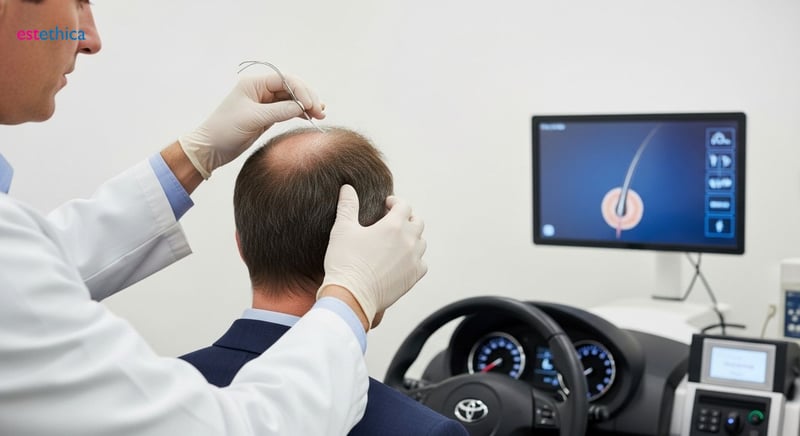
Embarking on a hair transplant journey begins with a thorough consultation, which is crucial for setting realistic expectations and tailoring the procedure to individual needs. During this initial meeting, the surgeon assesses the extent of hair loss, evaluates the quality and density of donor hair, and discusses the patient's aesthetic goals. This assessment helps determine the most suitable hair restoration technique, such as Follicular Unit Extraction (FUE) or Follicular Unit Transplantation (FUT). For example, someone with a receding hairline might benefit from FUE, while another needing extensive coverage could be better suited for FUT. The consultation also involves a detailed discussion of the potential outcomes, recovery process, and aftercare instructions, ensuring the patient is well-informed and prepared for the surgery. Fatma Dursun Hair Transplant emphasizes personalized care, ensuring each patient receives a treatment plan that aligns with their specific needs and desires, enhancing the likelihood of a successful and satisfying outcome.
- Surgeon evaluates hair loss extent and donor hair quality.
- Aesthetic goals are discussed to tailor the procedure.
- Suitable techniques like FUE or FUT are determined.
Understanding the nuances of the consultation phase is essential for both the patient and the surgical team. It's a collaborative process where open communication ensures alignment on expectations and potential challenges. For instance, the surgeon might advise on lifestyle adjustments, such as dietary changes or smoking cessation, to optimize hair health before the surgery. Moreover, this stage provides an opportunity to address any concerns or anxieties the patient may have, fostering a sense of trust and confidence in the chosen hair restoration approach.
The Hair Transplant Procedure and Recovery
The hair transplant procedure itself is a meticulous process, typically performed under local anesthesia to ensure patient comfort. During the surgery, hair follicles are carefully extracted from the donor area, usually the back or sides of the scalp, and then implanted into the recipient area, where hair loss is evident. The precision and artistry involved in this process are critical for achieving a natural-looking result. For instance, the surgeon must consider the angle and density of the implanted follicles to mimic the natural hair growth pattern. Post-surgery, patients can expect a recovery period characterized by minor discomfort, swelling, and scabbing in the treated areas. Following aftercare instructions, such as avoiding strenuous activities and keeping the scalp clean, is vital for promoting healing and ensuring the transplanted follicles take root successfully. The Sapphire FUE technique offered at Fatma Dursun Hair Transplant ensures minimal scarring and faster recovery, allowing patients to resume their normal routines sooner.
- Follicles are extracted from the donor area.
- Implantation into the recipient area is performed with precision.
- Aftercare instructions are followed for optimal healing.
The recovery phase is just as important as the surgery itself in determining the long-term success of the hair transplant. Patients are advised to attend follow-up appointments to monitor progress and address any potential complications. New hair growth typically becomes visible after several months, with full results apparent within a year. Maintaining a healthy lifestyle, including a balanced diet and proper hair care, can further enhance the longevity and appearance of the transplanted hair. Whether it's addressing a receding hairline or restoring overall hair volume, understanding the procedure and recovery process is key to achieving a renewed sense of self and improved quality of life.
FUE vs. FUT: Choosing the Right Hair Transplant Technique
Understanding FUE and Its Benefits
Follicular Unit Extraction (FUE) is a modern hair transplant technique that involves the individual extraction of hair follicles from the donor area, typically the back or sides of the scalp. This method is favored for its minimally invasive nature, which results in tiny, virtually undetectable scars. The precision of FUE allows for targeted harvesting, preserving the natural appearance of the donor area. FUE is particularly beneficial for those who prefer shorter hairstyles, as the lack of a linear scar provides greater flexibility in styling. Fatma Dursun Hair Transplant utilizes advanced FUE techniques to ensure optimal graft survival and natural-looking results, catering to individuals seeking a discreet and effective hair restoration solution. For example, someone with a small bald patch might prefer FUE due to its precision and minimal scarring.
- Minimally invasive with tiny, undetectable scars.
- Allows for targeted harvesting, preserving donor area appearance.
- Suitable for shorter hairstyles due to the absence of a linear scar.
The advantages of FUE extend beyond aesthetics. The recovery time is generally shorter compared to traditional methods, with most patients returning to their normal activities within a few days. The procedure is also versatile, allowing for the extraction of hair follicles from various parts of the body, such as the beard, to supplement the scalp donor area if needed. This adaptability makes FUE an excellent choice for individuals with limited donor hair on the scalp. Understanding these benefits helps patients make an informed decision about the most suitable hair restoration technique for their specific needs and preferences.
Exploring FUT and Its Applications
Follicular Unit Transplantation (FUT), also known as strip harvesting, is a hair transplant technique that involves removing a strip of scalp from the donor area, typically the back of the head. This strip is then dissected into individual follicular units, which are subsequently transplanted into the recipient area. FUT is often recommended for individuals requiring a large number of grafts to cover extensive areas of hair loss. The technique allows for the efficient harvesting of a significant quantity of hair follicles in a single session, making it a suitable option for those with advanced baldness. The Sapphire FUE technique offered at Fatma Dursun Hair Transplant ensures minimal scarring and faster recovery, allowing patients to resume their normal routines sooner.
- Strip of scalp is removed from the donor area.
- Dissected into individual follicular units.
- Transplanted into the recipient area.
While FUT provides a higher yield of grafts, it does leave a linear scar at the donor site, which may be a consideration for those who prefer very short hairstyles. The recovery period is also typically longer compared to FUE, with patients needing to take more precautions to ensure proper healing. However, the scar can often be concealed with careful styling and hair length. Ultimately, the choice between FUE and FUT depends on individual factors such as the extent of hair loss, the desired hairstyle, and the patient's tolerance for scarring and recovery time. Consulting with a hair restoration specialist is crucial for determining the most appropriate technique to achieve the best possible results.

Is Hair Transplant Permanent? Longevity and Maintenance Tips
Ensuring the Longevity of Your Hair Transplant
While a hair transplant is considered a lasting solution for hair loss, maintaining its success requires ongoing care and attention. Transplanted hair follicles are resilient and genetically resistant to balding, allowing them to grow naturally for many years. However, the longevity of a hair transplant also depends on factors such as the individual's overall health, lifestyle, and adherence to post-transplant care instructions. Regular follow-up appointments with your hair restoration specialist at Fatma Dursun Hair Transplant are essential to monitor the health of the transplanted hair and address any potential issues early on. For instance, adjustments to your hair care routine or additional treatments may be recommended to optimize the long-term results.
- Regular follow-ups ensure early detection of potential issues.
- Personalized hair care routines enhance transplant longevity.
- Lifestyle adjustments can positively impact hair health.
Moreover, protecting the transplanted hair from excessive sun exposure and harsh chemicals is crucial for preserving its quality and vitality. Using gentle, sulfate-free shampoos and conditioners can help maintain the health of the hair follicles and promote healthy hair growth. Additionally, adopting a balanced diet rich in vitamins and minerals that support hair health, such as biotin, zinc, and iron, can further contribute to the long-term success of the hair transplant. By prioritizing these aspects of aftercare, individuals can enjoy the benefits of their hair transplant for years to come, with a fuller, more natural-looking head of hair.
Strategies for Sustaining Hair Transplant Results
To maximize the lifespan of your hair transplant, consider incorporating specific maintenance strategies into your routine. Scalp micropigmentation, for example, can enhance the appearance of density, particularly in areas where hair may have thinned over time. This non-surgical technique involves the application of microdots to the scalp, creating the illusion of fuller hair. Additionally, certain topical treatments, such as minoxidil, may be recommended to stimulate hair growth and prevent further hair loss in non-transplanted areas. Fatma Dursun Hair Transplant offers comprehensive aftercare services, including guidance on suitable products and treatments to help maintain the health and appearance of your transplanted hair. For example, laser therapy can improve blood flow to the scalp, promoting healthier hair follicles and enhanced hair growth.
- Scalp micropigmentation enhances the appearance of density.
- Topical treatments like minoxidil stimulate hair growth.
- Laser therapy improves blood flow to the scalp.
Furthermore, protecting the transplanted hair from physical damage is essential for ensuring its longevity. Avoid harsh styling techniques, such as tight braids or excessive heat styling, which can weaken the hair follicles and lead to breakage. Regular trims can help maintain the shape and health of the hair, preventing split ends and promoting overall hair vitality. By adopting a proactive approach to hair care and following the recommendations of your hair restoration specialist, you can extend the life of your hair transplant and enjoy a natural-looking, full head of hair for many years. Whether it's addressing a receding hairline or restoring overall hair volume, consistent care is key to maintaining a renewed sense of self and improved quality of life.
Advanced FUE and FUT Techniques Deliver Natural-Looking Hair Restoration
estethica employs modern hair transplant techniques such as Follicular Unit Extraction (FUE) and Follicular Unit Transplantation (FUT) for minimally invasive and targeted hair follicle harvesting. These methods ensure optimal graft survival and natural-looking results, catering to individuals seeking discreet and effective hair restoration.
estethica’s hair transplant procedures are performed by expert surgeons who assess hair loss extent, evaluate donor hair quality, and tailor the procedure to individual aesthetic goals. This personalized care ensures each patient receives a treatment plan aligned with their specific needs and desires.
Personalized Consultation and Aftercare Ensure Optimal Hair Transplant Outcomes
estethica emphasizes thorough consultations to set realistic expectations and tailor hair transplant procedures to individual needs. Post-operative care includes detailed instructions, follow-up appointments, and guidance on lifestyle adjustments to optimize hair health and ensure long-term success.
Patients at estethica benefit from comprehensive aftercare services, including guidance on suitable products and treatments to maintain the health and appearance of transplanted hair. Techniques like laser therapy are offered to improve blood flow to the scalp, promoting healthier hair follicles and enhanced hair growth.
Frequently Asked Questions
What is a hair transplant and who is it for?
What are the main differences between FUE and FUT hair transplant techniques?
How long does a hair transplant procedure take, and what is the recovery like?
Is a hair transplant permanent, and what can I do to maintain the results?
What factors should I consider when choosing between FUE and FUT for hair loss treatment?
Achieve your aesthetic goals with estethica's expert team and advanced techniques.
📞 Call Now for a Free Consultation!