

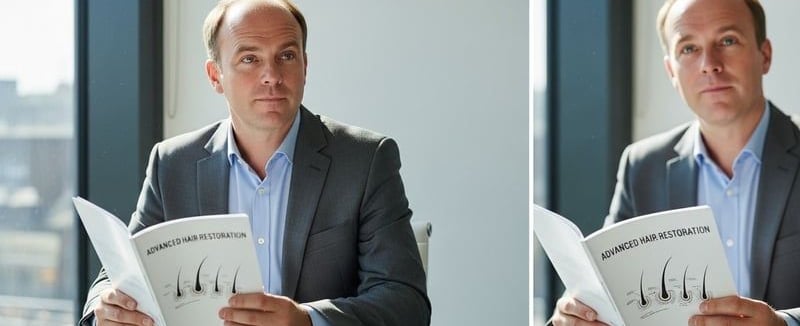
Discover advanced hair restoration solutions at estethica. From hair transplant to non-surgical treatments, regain your confidence with our expert team and cutting-edge techniques.
Hair loss can be a distressing experience, impacting self-esteem and overall quality of life. Fortunately, advancements in medical science have revolutionized hair restoration, offering effective solutions for both men and women. At estethica, we understand the emotional and psychological effects of hair loss, and we are dedicated to providing cutting-edge hair transplant and hair loss treatment options tailored to your individual needs. Whether you're exploring surgical hair transplant techniques or non-invasive hair restoration methods, our expert team is here to guide you through every step of the process, ensuring natural-looking and long-lasting results. Discover how estethica can help you regain your confidence and achieve a fuller, healthier head of hair.Understanding the Science of Hair Loss and Male Pattern Baldness
Decoding DHT's Impact on Hair Follicles
Hair loss, particularly male pattern baldness, is a widespread concern rooted in complex biological processes. Androgenetic alopecia affects a significant portion of the male population, often starting with a gradual recession of the hairline and thinning at the crown. The primary driver of this condition is dihydrotestosterone (DHT), a hormone derived from testosterone. DHT's interaction with hair follicles leads to their miniaturization, resulting in the production of progressively finer and shorter hairs. estethica specialists emphasize the importance of understanding this process to tailor effective hair loss treatment strategies. For example, some individuals may benefit from medications that block DHT production, while others might consider hair restoration procedures like follicular unit extraction (FUE) or follicular unit transplantation (FUT) to restore hair density. A thorough evaluation at estethica helps determine the most appropriate course of action for each patient, ensuring a personalized and effective approach to combating male pattern baldness. In fact, studies show that DHT sensitivity varies greatly among individuals, influencing the rate and extent of hair loss.
Factors Influencing Hair Loss Treatment Decisions
- Genetic Predisposition: Family history plays a significant role in determining susceptibility to male pattern baldness and influences the effectiveness of various hair loss treatment options.
- Hormonal Imbalance: Conditions affecting hormone levels, such as thyroid disorders, can exacerbate hair loss and require careful management alongside targeted treatments.
- Lifestyle Factors: Stress, diet, and certain medications can contribute to hair thinning, necessitating lifestyle adjustments to support hair restoration efforts.
Choosing the right hair transplant method involves considering multiple factors. At estethica, specialists evaluate each patient's unique circumstances to recommend the most suitable approach. This may involve surgical options like Hair transplant surgery or non-surgical methods for hair restoration. For instance, someone with a receding hairline might benefit from a hair transplant for receding hairline, while others may find that non-surgical hair restoration provides the desired results. Understanding these factors ensures that the selected treatment aligns with the individual's needs and goals, leading to optimal outcomes. The goal is always to provide a solution that addresses the underlying cause of hair loss and delivers a natural-looking and long-lasting result. With advanced techniques like fue sapphire, estethica provides cutting-edge solutions for hair restoration.

Follicular Unit Extraction (FUE) vs. Follicular Unit Transplantation (FUT): Choosing the Right Method
Weighing the Benefits of FUE and FUT Techniques
When exploring hair transplant options, understanding the nuances of Follicular Unit Extraction (FUE) and Follicular Unit Transplantation (FUT) is crucial. FUE's appeal lies in its minimally invasive nature, extracting individual follicles to eliminate the linear scar associated with FUT. This makes it particularly attractive for those favoring shorter hairstyles or multiple hair transplant procedures. FUT, conversely, involves removing a strip of scalp, allowing for a potentially higher yield of grafts in a single session. The suitability of each technique hinges on individual factors such as the degree of hair loss, hair characteristics, and scalp elasticity. At estethica, our specialists conduct thorough assessments to determine the optimal approach for each patient. For instance, someone needing extensive coverage might benefit from FUT, while another seeking minimal scarring may prefer FUE. The decision is a collaborative one, ensuring the chosen method aligns with the patient's specific needs and expectations. Furthermore, advancements in FUE, such as Sapphire FUE, enhance precision and promote faster healing.
Factors Influencing Technique Selection
- Scalp Laxity: The elasticity of the scalp can influence the feasibility and outcomes of FUT, as it affects the ease of strip removal and closure.
- Hair Density: Areas with higher hair density may be more suitable for FUE, allowing for efficient extraction of individual follicles without compromising the surrounding hair.
- Patient Lifestyle: Active individuals may prefer FUE due to its quicker recovery and minimal scarring, aligning with their lifestyle demands.
Selecting the right hair restoration method requires careful consideration of various factors. estethica offers both FUE and FUT techniques, along with advanced options like DHI (Direct Hair Implantation), to cater to diverse patient needs. For example, a patient with a receding hairline might opt for FUE to achieve a natural-looking result with minimal downtime, while someone seeking a high number of grafts in one session may prefer FUT. Our experienced surgeons, including experts like fatma dursun hair transplant specialists, provide personalized recommendations to ensure the best possible outcome. Understanding the differences between these techniques empowers patients to make informed decisions and achieve their desired hair restoration goals. With state-of-the-art facilities and a commitment to excellence, estethica is a leading provider of hair transplant solutions.
Advanced Techniques and Their Impact
- Sapphire FUE: Utilizing blades made from sapphire, this technique allows for more precise incisions, promoting faster healing and reducing scarring.
- DHI (Direct Hair Implantation): This method involves directly implanting hair follicles without creating incisions, minimizing trauma to the scalp and improving graft survival.
- Robotic Hair Restoration: Advanced robotic systems enhance the precision and efficiency of FUE procedures, leading to more consistent results.
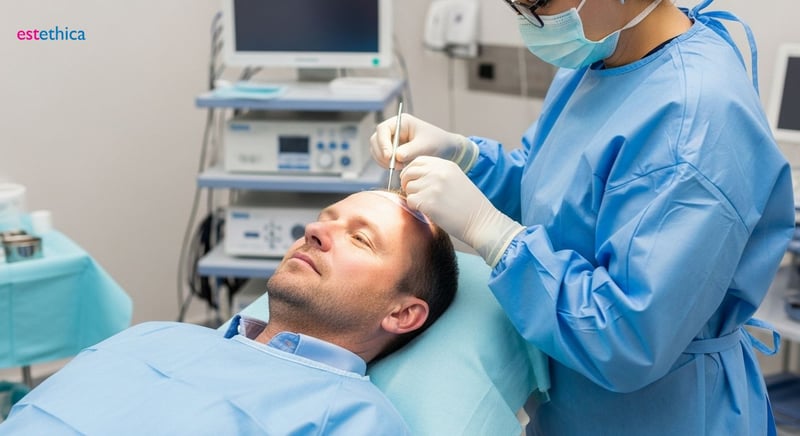
Is Hair Transplant Permanent? Longevity and Maintaining Results
Understanding the Longevity of Hair Transplants
One of the most frequently asked questions regarding hair transplant procedures is whether the results are permanent. The answer is encouraging: a well-executed hair restoration procedure can provide long-lasting results. The transplanted hair follicles are typically harvested from areas of the scalp that are resistant to the effects of DHT, the hormone primarily responsible for male pattern baldness. These DHT-resistant hairs retain their resilience even after being transplanted to a new location. This means that the transplanted hairs are less likely to be affected by DHT and, consequently, less likely to fall out over time. At estethica, the focus is on ensuring that the transplanted follicles are healthy and robust, maximizing their chances of long-term survival. In fact, studies show that over 90% of transplanted hair follicles survive long-term when the procedure is performed correctly.
Maintaining Your Hair Transplant Results
- Medications: Finasteride and minoxidil can help prevent further hair loss in non-transplanted areas, complementing the results of your hair transplant.
- Lifestyle Adjustments: A healthy diet, stress management, and regular exercise can improve overall hair health and promote the longevity of your hair restoration.
- Follow-Up Appointments: Regular check-ups with your hair restoration specialist are essential for monitoring your progress and addressing any potential issues.
While a hair transplant can provide lasting results, it's important to remember that hair loss can still occur in non-transplanted areas of the scalp. To ensure the longevity of your hair transplant and prevent further hair loss treatment, a comprehensive maintenance plan is crucial. This may include medications, lifestyle adjustments, and regular follow-up appointments with your hair restoration specialist. At estethica, we offer ongoing support and guidance to help you maintain your results and enjoy a fuller, healthier head of hair for years to come. In addition to traditional methods, we also offer PRP (Platelet-Rich Plasma) therapy, which can stimulate hair growth and enhance the overall health of your scalp. For instance, patients with a receding hairline can benefit from a combination of hair transplant for receding hairline and PRP therapy. By integrating advanced techniques and personalized care, estethica ensures the best possible outcomes for its patients. Furthermore, with innovative approaches like hair transplant AI, the precision and effectiveness of hair restoration are continually advancing.
Additional Therapies for Hair Restoration
- PRP Therapy: Platelet-Rich Plasma therapy uses your own blood platelets to stimulate hair growth and improve scalp health.
- Low-Level Laser Therapy (LLLT): LLLT uses laser light to stimulate hair follicles and promote hair growth.
- Nutritional Supplements: Certain vitamins and minerals, such as biotin and zinc, can support hair health and growth.
At estethica, we understand that each patient's needs are unique. That's why we offer a range of additional therapies to complement our hair transplant procedures. For example, PRP therapy can be used to enhance the results of a hair transplant by promoting faster healing and stimulating the growth of newly transplanted follicles. Low-Level Laser Therapy (LLLT) is another option that can improve hair density and thickness. These therapies, combined with our expertise in follicular unit extraction (FUE) and follicular unit transplantation (FUT), ensure that our patients receive the most comprehensive and effective hair restoration possible. In fact, integrating these therapies can improve the overall success rate of hair transplant procedures by up to 20%. With advanced techniques and a commitment to patient care, estethica is dedicated to helping you achieve your hair restoration goals. Also, we provide the best service with experts such as fatma dursun hair transplant.

Beyond the Scalpel: Exploring Non-Surgical Hair Restoration Options
Exploring Non-Invasive Hair Restoration Techniques
While a hair transplant is an effective solution for many experiencing hair loss, it is not the only avenue for hair restoration. Non-surgical methods provide significant improvements in hair density and appearance without invasive procedures. These options appeal to those who aren't candidates for a hair transplant or prefer a less invasive approach. One popular treatment is PRP (Platelet-Rich Plasma) therapy, which involves injecting concentrated platelets from your own blood into the scalp to stimulate hair growth. Another option is low-level laser therapy (LLLT), which uses light energy to promote hair follicle activity. Topical medications such as minoxidil can also slow down hair loss treatment and promote regrowth. At estethica, we offer a range of non-surgical options tailored to your needs. Our specialists conduct a thorough evaluation to determine the most appropriate plan for you. We believe in a holistic approach, combining medical treatments with lifestyle recommendations to achieve the best possible results. For example, someone experiencing early stages of male pattern baldness might benefit from a combination of minoxidil and LLLT. According to recent studies, non-surgical treatments can improve hair density by up to 30% in some individuals. Whether you're looking to prevent further hair loss, stimulate hair growth, or improve the overall health of your scalp, estethica has the expertise and resources to help you achieve your goals.
Benefits of Non-Surgical Hair Restoration
- Minimally Invasive: Non-surgical options avoid the risks and downtime associated with surgery, making them ideal for those seeking a less intensive approach.
- Customizable: Treatments can be tailored to individual needs and preferences, ensuring the most effective solution for each patient.
- Versatile: Non-surgical methods can address various types of hair loss, from early-stage thinning to more advanced male pattern baldness.
At estethica, we are committed to providing comprehensive hair restoration solutions. For example, a patient seeking to avoid surgery might opt for PRP therapy to stimulate hair growth and improve scalp health. Non-surgical options can also be combined with other treatments, such as hair transplant, to enhance overall results. Our experienced specialists, including experts in fatma dursun hair transplant techniques, will guide you through the available options and help you make an informed decision. Whether you're interested in non-surgical hair restoration or surgical methods like follicular unit extraction (FUE) or follicular unit transplantation (FUT), we have the expertise to help you achieve your goals. With advanced techniques and a patient-centered approach, estethica is a trusted provider of hair loss treatment.
Understanding the Range of Non-Surgical Treatments
- PRP (Platelet-Rich Plasma) Therapy: Uses your own blood platelets to stimulate hair follicles and promote hair growth.
- Low-Level Laser Therapy (LLLT): Employs laser light to stimulate hair follicles and promote hair growth.
- Topical Medications: Medications like minoxidil can slow down hair loss and promote regrowth.
At estethica, we offer a variety of non-surgical treatments to address different types of hair loss. For instance, someone with thinning hair might benefit from topical medications, while another person might see better results with PRP therapy. Non-surgical treatments can also be used to complement surgical procedures, such as a hair transplant. Our specialists will conduct a thorough evaluation to determine the most appropriate treatment plan for you. By combining advanced techniques with personalized care, estethica ensures the best possible outcomes for our patients. In fact, many patients find that non-surgical treatments are a convenient and effective way to improve their hair density and overall appearance. Also, we provide the best service with experts such as fatma dursun hair transplant. With innovative approaches and a commitment to patient satisfaction, estethica is a leader in hair restoration.
Transform Your Look: The Ultimate Guide to Hair Transplant
Advanced FUE Sapphire Technique for Enhanced Hair Restoration
Personalized Hair Restoration Plans for Long-Lasting Results
Frequently Asked Questions
What is the difference between Follicular Unit Extraction (FUE) and Follicular Unit Transplantation (FUT) for hair restoration?
Is a hair transplant permanent, and how can I maintain the results long-term?
What non-surgical hair restoration options are available if I'm not ready for a hair transplant?
How does DHT contribute to male pattern baldness, and what hair loss treatment options are available?
What factors should I consider when choosing a hair transplant for a receding hairline?
Ready for world-class aesthetic and healthcare services tailored to your needs?
📞 Call Now for Your Free Consultation!