

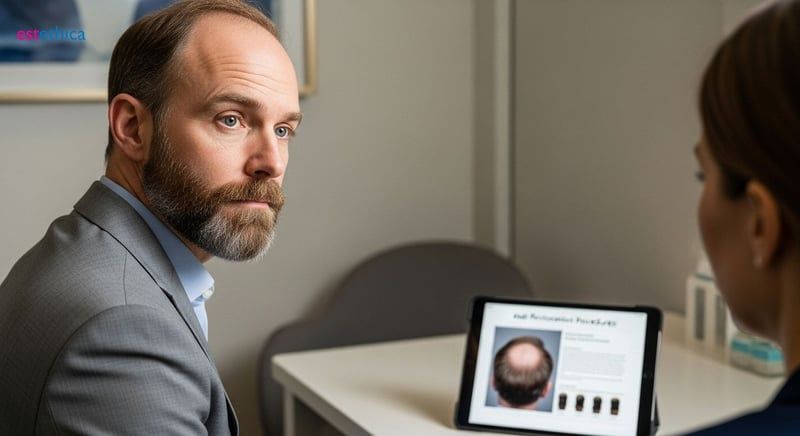
Restore your hair and confidence with estethica's advanced hair transplant solutions. Learn about FUE, recovery, and achieving natural-looking results.
Hair loss can be a deeply personal and often distressing experience, impacting self-esteem and overall quality of life. Fortunately, advancements in medical science have revolutionized the field of hair restoration, offering effective and natural-looking solutions to combat thinning hair and balding. At estethica, we understand the emotional toll of hair loss and are committed to providing cutting-edge hair transplant techniques tailored to your individual needs. Whether you're exploring options for a receding hairline or seeking comprehensive hair restoration, our expert team is here to guide you through every step of the process. With a focus on patient safety, ethical practices, and innovative approaches, estethica is dedicated to helping you reclaim your confidence and achieve the full, healthy head of hair you desire. Discover how our personalized hair transplant solutions can transform your appearance and revitalize your self-image.Understanding Hair Loss: Identifying the Root Causes
Unveiling the Myriad Factors Behind Hair Loss
Before considering hair restoration options, grasping the diverse causes of hair thinning is essential. Numerous elements, such as genetic predispositions, hormonal fluctuations, underlying medical conditions, and lifestyle habits, can play a significant role. Androgenetic alopecia, commonly referred to as male or female pattern baldness, stands out as the primary culprit. In men, it typically manifests as a receding hairline coupled with thinning around the crown, while women often experience a more diffuse pattern of hair thinning. Research indicates that genetics account for approximately 80% of predisposition to androgenetic alopecia.
Other potential contributors include alopecia areata, an autoimmune condition where the body's immune system mistakenly attacks hair follicles, leading to patchy hair loss; telogen effluvium, a temporary shedding condition often triggered by significant stress or illness; and traction alopecia, resulting from hairstyles that pull tightly on the hair follicles over extended periods. For instance, chronic use of tight braids or high ponytails can lead to this type of hair loss. Addressing these diverse causes requires a comprehensive approach to hair loss treatment.
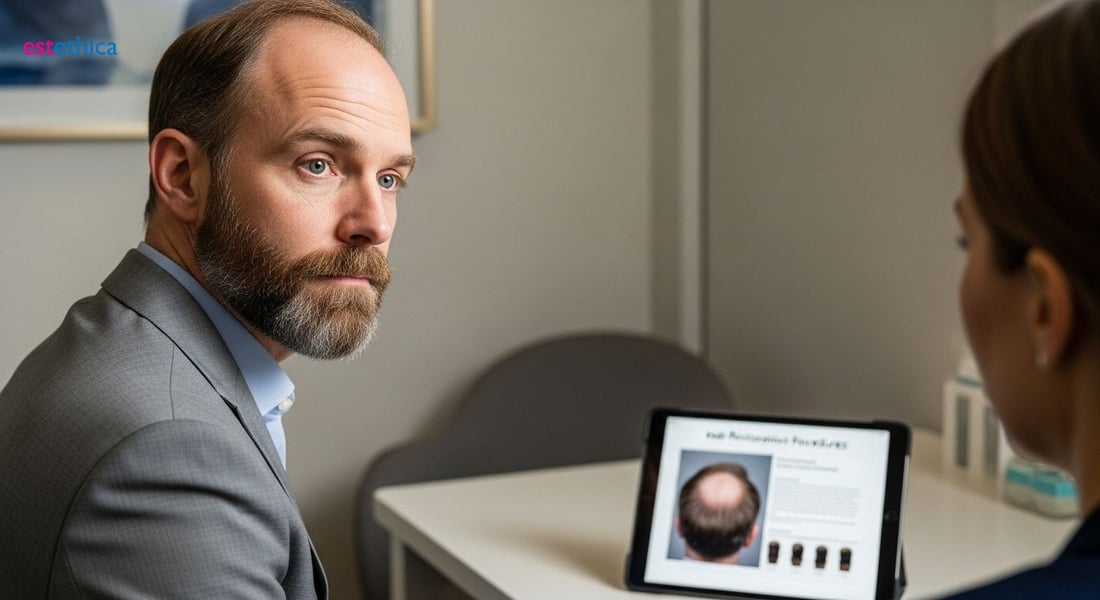
At estethica, our team of seasoned dermatologists conducts in-depth evaluations to pinpoint the precise cause of your hair loss. This diagnostic precision allows us to tailor the most effective and personalized hair loss treatment plan for you. Understanding the underlying cause is the crucial first step toward achieving successful hair restoration and regaining a fuller, healthier head of hair. We meticulously consider factors such as family history, medical background, and lifestyle choices to arrive at a comprehensive and accurate diagnosis. This thorough assessment ensures that the recommended hair transplant or other hair restoration methods are best suited to your specific needs.
Diagnostic Approaches for Identifying Hair Loss Causes
Accurate diagnosis is paramount in addressing hair loss effectively. At estethica, we employ a multi-faceted approach to identify the root cause of your hair thinning. This includes a thorough review of your medical history, a detailed examination of your scalp and hair, and potentially, laboratory tests to assess hormonal levels or rule out underlying medical conditions. Our dermatologists specialize in differentiating between various types of hair loss, such as distinguishing androgenetic alopecia from telogen effluvium, which can present with similar symptoms but require different hair loss treatment strategies.
We also consider lifestyle factors that may contribute to hair loss, such as diet, stress levels, and hair care practices. For example, a diet lacking in essential nutrients like iron and biotin can lead to hair thinning, while chronic stress can trigger telogen effluvium. Furthermore, we evaluate the potential impact of medications or medical treatments you may be undergoing, as certain drugs and therapies can cause hair loss as a side effect. By meticulously gathering and analyzing this information, we can develop a precise diagnosis and recommend the most appropriate hair restoration or hair loss treatment plan tailored to your individual needs. This comprehensive approach ensures that you receive the most effective care at estethica, whether you're considering a hair transplant or exploring non surgical hair restoration options. The goal is to provide long-lasting solutions, improving hair density and overall hair health.
- Genetic Predisposition: Androgenetic alopecia, the most common cause, is heavily influenced by genetics, often leading to predictable patterns of hair loss.
- Hormonal Imbalances: Conditions like polycystic ovary syndrome (PCOS) in women or thyroid disorders can disrupt hormone levels and contribute to hair thinning.
- Autoimmune Disorders: Alopecia areata, an autoimmune condition, causes the immune system to attack hair follicles, resulting in patchy hair loss.
- Initial Consultation: A comprehensive assessment of your medical history, lifestyle, and hair loss pattern.
- Scalp Examination: A detailed examination of your scalp to identify signs of inflammation, scarring, or other abnormalities.
- Diagnostic Tests: Blood tests or scalp biopsies may be performed to rule out underlying medical conditions or hormonal imbalances.
Follicular Unit Extraction (FUE): The Gold Standard in Hair Transplantation
Unlocking the Benefits of FUE for Natural Hair Restoration
Follicular Unit Extraction (FUE) represents a significant advancement in hair transplant techniques, providing a minimally invasive and highly effective solution for hair restoration. Unlike traditional strip harvesting methods, FUE involves the extraction of individual hair follicles directly from the donor area, typically the back or sides of the scalp. This approach eliminates the need for a large incision, resulting in no linear scar and a more natural-looking outcome. According to a study published in the Dermatologic Surgery journal, FUE has a patient satisfaction rate of over 90% due to its minimal scarring and reduced recovery time.
At estethica, we leverage cutting-edge FUE techniques, including Sapphire FUE and Micro FUE, to ensure the highest levels of precision and graft survival. Our skilled surgeons meticulously harvest and implant each follicle, paying close attention to the angle, direction, and density to create a seamless and natural-looking hairline. FUE is particularly beneficial for patients who prefer shorter hairstyles or have a higher risk of scarring. For example, athletes who frequently shave their heads often choose FUE to avoid visible scarring. FUE offers a permanent solution to hair loss, allowing you to enjoy a fuller, thicker head of hair for years to come. The artistry and precision of FUE at estethica ensures exceptional results, enhancing your confidence and overall appearance. This method is ideal for addressing hair thinning solutions with long-lasting effects.
- Minimal Scarring: FUE leaves no linear scar, making it ideal for those who prefer shorter hairstyles.
- Natural Results: Precise implantation techniques ensure a natural-looking hairline and density.
- Faster Recovery: Patients typically experience a quicker recovery compared to traditional strip harvesting methods.
Exploring the FUE Procedure and Expected Outcomes
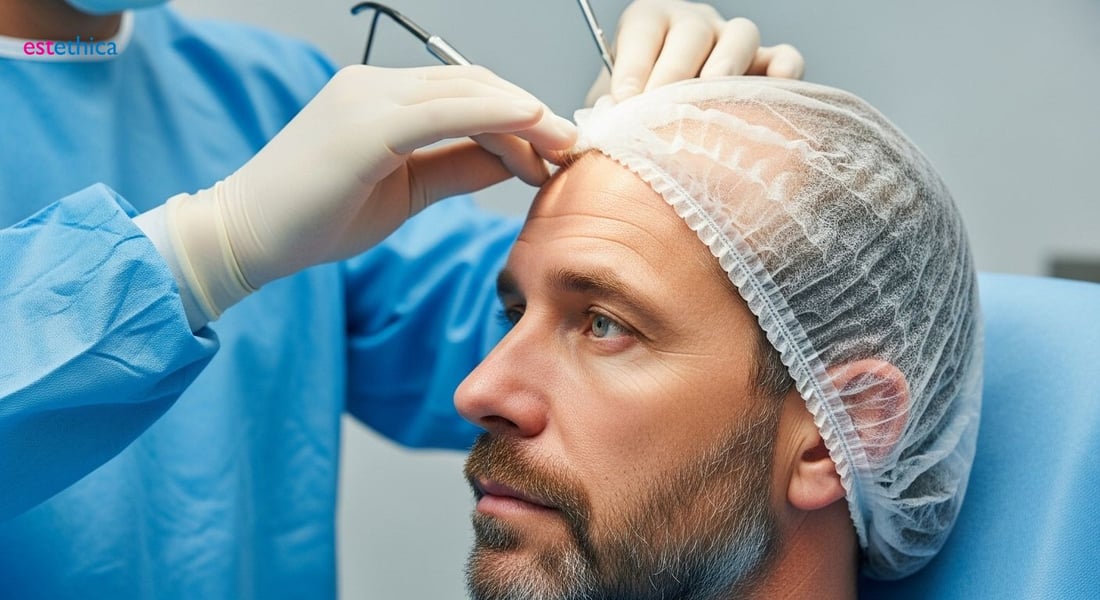
The FUE hair transplant procedure at estethica begins with a detailed consultation to assess your hair loss pattern and determine the best approach for your individual needs. During the procedure, local anesthesia is administered to ensure your comfort. Our surgeons then use specialized micro-instruments to extract individual hair follicles from the donor area. These follicles are carefully prepared and implanted into the recipient area, following the natural direction and angle of hair growth. The entire process is performed with meticulous attention to detail to achieve optimal density and a natural-looking hairline.
Following the procedure, patients can expect some mild swelling and redness, which typically subsides within a few days. Hair transplant recovery time is relatively short, with most patients returning to their normal activities within a week. The transplanted hair follicles will initially shed, but new hair growth will begin within a few months. Full results are typically visible within 9-12 months, providing a permanent and natural-looking solution to hair loss. For instance, a patient with a receding hairline can achieve a restored, youthful appearance through FUE. Another example is restoring density to thinning areas on the crown of the head. At estethica, our commitment to excellence ensures that you receive the highest quality care and achieve the best possible results from your FUE hair transplant. This includes personalized follow-up care to monitor your progress and address any concerns. The clinic hair specialists at estethica are experts in fue hair transplant techniques.
- Extraction: Individual hair follicles are extracted from the donor area using micro-instruments.
- Preparation: The extracted follicles are carefully prepared and sorted for implantation.
- Implantation: Follicles are implanted into the recipient area, following the natural hair growth pattern.
Is Hair Transplant Permanent? Setting Realistic Expectations
The Longevity of Hair Transplants: What to Expect
One of the most common questions surrounding hair transplantation is whether the results are permanent. In most cases, a hair transplant provides a long-lasting solution to hair loss. The transplanted hair follicles are typically taken from areas of the scalp that are genetically resistant to balding, meaning they retain their ability to grow even when transplanted to a new location. However, it's essential to have realistic expectations about the outcome. While the transplanted hair is permanent, the existing non-transplanted hair may continue to thin over time due to the natural progression of hair loss.
At estethica, we provide comprehensive consultations to assess your individual hair loss pattern and discuss the potential long-term results of a hair transplant. We may also recommend additional hair loss treatment options, such as PRP therapy or medication, to help maintain the health and density of your existing hair and further enhance the overall outcome. Understanding the permanency of a hair transplant and setting realistic expectations are crucial for achieving long-term satisfaction. For instance, while transplanted follicles are robust, lifestyle factors like diet and stress management can influence the health of both transplanted and existing hair. Furthermore, the natural aging process can affect hair density over time, necessitating ongoing care to maintain optimal results. Estevien clinic prioritizes patient education to ensure informed decisions and realistic expectations.
- Genetic Resilience: Transplanted follicles retain their resistance to balding, ensuring long-term growth.
- Ongoing Thinning: Existing, non-transplanted hair may continue to thin due to natural hair loss progression.
- Maintenance Treatments: Additional therapies can help maintain the health and density of existing hair.
Maximizing the Lasting Impact of Your Hair Transplant
To ensure the longevity and success of your hair transplant, it's essential to follow a comprehensive aftercare regimen and adopt healthy lifestyle habits. This includes protecting your scalp from sun exposure, avoiding harsh chemicals or styling products, and maintaining a balanced diet rich in vitamins and minerals. Regular check-ups with your hair restoration specialist at estethica are also crucial to monitor the health of your transplanted hair and address any potential issues early on. For example, consistent use of a gentle, sulfate-free shampoo can help maintain scalp health and prevent damage to the transplanted follicles. Additionally, incorporating stress-reducing activities such as yoga or meditation into your routine can help minimize hair thinning related to stress.
Furthermore, exploring non surgical hair restoration options can complement your hair transplant and enhance overall results. PRP therapy, for instance, can stimulate hair growth and improve the density of existing hair follicles. At estethica, we offer personalized recommendations based on your individual needs and hair loss pattern. Our goal is to provide you with a comprehensive and sustainable solution for hair restoration, ensuring that you enjoy a fuller, healthier head of hair for years to come. Remember, while a hair transplant offers a permanent solution for the transplanted follicles, maintaining the health of your existing hair is key to achieving long-term satisfaction. The clinic hair specialists at estethica are experts in fue hair transplant techniques.
- Protect Your Scalp: Shield your scalp from sun exposure and harsh chemicals.
- Maintain a Healthy Diet: Consume a balanced diet rich in essential nutrients.
- Regular Check-Ups: Attend regular follow-up appointments with your hair restoration specialist.

Navigating Hair Transplant Recovery: A Comprehensive Guide
Immediate Post-Op Care and Expected Timeline
The initial days following a hair transplant are crucial for ensuring optimal graft survival and minimizing complications. Immediately after the procedure at estethica, patients receive detailed aftercare instructions tailored to their specific needs. These guidelines typically include advice on how to manage swelling, pain, and any potential discomfort. It's common to experience some redness and mild scabbing in the treated areas, which usually subsides within a week. Our team provides gentle cleansing solutions and topical ointments to keep the scalp clean and promote healing. Proper hygiene is paramount to prevent infection and support the integration of the newly transplanted follicles.
The hair transplant recovery time varies among individuals, but most patients can resume light activities within a few days. Strenuous exercise and heavy lifting should be avoided for at least two weeks to prevent dislodging the grafts. At estethica, we schedule regular follow-up appointments to monitor your progress and address any concerns you may have. For example, we advise patients to sleep with their head elevated for the first few nights to minimize swelling. Another key recommendation is to avoid direct sun exposure and wear a loose-fitting hat when outdoors. These precautions help protect the delicate grafts and ensure a successful outcome. The clinic hair specialists at estethica are experts in fue hair transplant aftercare.
Long-Term Care and Maximizing Hair Growth After Hair Transplant
Achieving the best possible results from your hair transplant requires ongoing care and attention beyond the initial recovery period. While the transplanted hair follicles are genetically resistant to balding, maintaining a healthy scalp environment is crucial for promoting optimal growth and density. At estethica, we emphasize the importance of a balanced diet rich in vitamins and minerals, as well as proper hydration. Nutrients like biotin, zinc, and iron play a vital role in hair health and can support the growth of both transplanted and existing hair.
Additionally, gentle hair care practices are essential to avoid damaging the delicate grafts. We recommend using a mild, sulfate-free shampoo and conditioner, and avoiding harsh chemicals or styling products. Regular scalp massages can also help improve blood circulation and stimulate hair growth. Exploring non surgical hair restoration options can further enhance the results of your hair transplant. For instance, PRP therapy can stimulate hair growth and improve the density of existing hair follicles. At estethica, our goal is to provide you with a comprehensive and sustainable solution for hair restoration, ensuring that you enjoy a fuller, healthier head of hair for years to come. The Sapphire FUE technique used at our clinic ensures minimal trauma to the scalp, aiding in faster and more effective hair growth. The clinic hair specialists at estethica are experts in fue hair transplant techniques.
- Gentle Cleansing: Use a mild, pH-balanced shampoo to cleanse the scalp gently.
- Avoid Direct Sunlight: Protect the scalp from direct sun exposure to prevent damage to the grafts.
- Hydration and Nutrition: Maintain a balanced diet and stay hydrated to support hair health.
- Follow Aftercare Instructions: Adhere to all post-operative guidelines provided by your surgeon.
- Attend Follow-Up Appointments: Regular check-ups allow for monitoring and early intervention if needed.
- Be Patient: Full results may take several months, so patience is key to a successful outcome.
Transform Your Look: The Ultimate Guide to Hair Transplant
Advanced FUE Techniques for Natural Hair Restoration
estethica employs cutting-edge Follicular Unit Extraction (FUE) techniques, including Sapphire FUE and Micro FUE, to ensure precision and optimal graft survival. These minimally invasive methods extract individual hair follicles directly from the donor area, eliminating linear scars and promoting natural-looking results.
The team of seasoned dermatologists at estethica conducts in-depth evaluations to pinpoint the precise cause of hair loss, tailoring effective and personalized treatment plans. With meticulous attention to detail, surgeons carefully harvest and implant each follicle, considering angle, direction, and density for a seamless hairline.
Comprehensive Post-Transplant Care for Optimal Hair Growth
estethica provides detailed aftercare instructions tailored to individual needs, ensuring optimal graft survival and minimizing complications. This includes gentle cleansing solutions, topical ointments to promote healing, and regular follow-up appointments to monitor progress.
Patients at estethica experience restored, youthful appearances through meticulous FUE procedures and personalized follow-up care. The clinic emphasizes maintaining a healthy scalp environment through balanced diets, gentle hair care practices, and stress-reducing activities to promote long-term hair health and density.
Frequently Asked Questions
What is Follicular Unit Extraction (FUE) and how does it work for hair restoration?
Is a hair transplant permanent, and what can I expect long-term?
What is the typical hair transplant recovery time after an FUE procedure?
How do I find the best hair transplant clinic near me for FUE hair transplant?
Can a hair transplant address a receding hairline, and what are the options?
Achieve your aesthetic goals with estethica's personalized treatments and expert care.
📞 Schedule Your Free Consultation!