


Explore effective hair loss treatment for men, comparing surgical and non-surgical options. Learn about modern restoration techniques and professional care.
Hair loss treatment for men encompasses various dermatological therapeutics designed to stabilize androgenetic alopecia and stimulate follicular activity. These interventions range from non-invasive pharmacological approaches to advanced surgical procedures, each addressing the underlying mechanisms of hair thinning. Understanding the available options allows individuals to make informed decisions regarding their long-term hair health and aesthetic goals.
Understanding Surgical vs Non-Surgical Hair Loss Treatment Options
Hair loss remains a prevalent concern for men, with approximately 20% of men experiencing noticeable thinning by age 20 and nearly half showing significant hair loss by age 503. estethica Global provides specialized diagnostic assessments to determine whether a patient requires surgical restoration or non-surgical maintenance. Surgical techniques, such as FUE, involve harvesting healthy follicles from donor sites to repopulate thinning areas, offering a definitive solution for advanced androgenetic alopecia.
Non-surgical interventions focus on biochemical stabilization to halt further follicle miniaturization. Oral finasteride often summarizes superior efficacy in increasing hair density compared to topical minoxidil3, while regenerative options like platelet-rich plasma (PRP) therapy have been shown to enhance hair diameter and overall follicle health2. These therapies are frequently use at estethica Global to support patients during the early stages of hair loss before surgical intervention becomes necessary.
Treatment Modality Comparison
Patient outcomes for surgical restoration at estethica Global are highly favorable, with clinical data indicating that over 90% of transplanted follicles maintain viability at 12 months post-procedure1. Many patients choose a hybrid approach, combining surgical transplantation for coverage with medical therapies to preserve the remaining natural hair. Selecting the appropriate path depends on the current stage of thinning and the density of the patient's existing donor supply.

The Science Behind Hair Follicle Regeneration and PRP Therapy
Hair follicle regeneration functions by reactivating dormant phases within the hair growth cycle to combat the progressive thinning associated with androgenetic alopecia. Platelet-rich plasma (PRP) therapy use the patient’s own concentrated growth factors to stimulate vascularization around the follicles, which effectively extends the anagen growth phase. By improving the local microenvironment, estethica Global practitioners help revitalize follicles that have begun the miniaturization process.
Clinical research confirms that PRP therapy increases both hair density and hair diameter in men2. These concentrated platelets release essential proteins that trigger tissue repair and promote the survival of follicular stem cells, directly countering the negative effects of dihydrotestosterone (DHT). While many men experience noticeable balding by age 303, early intervention with regenerative medicine can stabilize thinning areas and encourage a more strong growth cycle.
Synergistic Approaches to Hair Restoration
Combining regenerative therapies with 5-alpha-reductase inhibitors often provides a more thorough strategy for long-term hair maintenance. This dual approach reduces chronic scalp inflammation while simultaneously providing the necessary biological support for new hair growth. Patients consulting with specialists at estethica Global can determine how to integrate these treatments with other options, such as stem cell therapy for hair loss or surgical hair transplant turkey procedures, to achieve optimal coverage and density.
Evaluating Estethica Global Hair Restoration Results and Patient Reviews
Clinical data indicates that follicular unit extraction techniques performed at estethica Global prioritize high graft survival rates, with studies showing over 90% follicle survival in the majority of patients twelve months post-operation1. By focusing on the preservation of donor area integrity and precise graft placement, estethica Global ensures that hair density and diameter improvements match the natural growth patterns of the patient. These outcomes are supported by high patient satisfaction levels, which frequently exceed 98% when expectations are managed alongside biological realities1.
Addressing male pattern baldness, which affects approximately 50% of men by age 50, requires a thorough strategy that goes beyond simple transplantation3. Specialists at estethica Global integrate personalized care plans that may include supplemental treatments like platelet-rich plasma (PRP) to further enhance hair diameter and overall scalp health2. This complex approach helps stabilize existing hair while restoring thinning areas, providing a more strong solution than relying on medication like minoxidil or finasteride alone3.
Clinical Standards and Post-Operative Care
Post-operative recovery is a critical phase where patient adherence to hygiene protocols directly influences the long-term success of the hair restoration procedure. The medical team at estethica Global provides tailored guidance on scalp maintenance and follow-up scheduling to minimize complication rates, which remain consistently below 6% in clinical settings1. Transparent communication throughout this recovery period enable patients to take an active role in their healing process, ensuring the best possible aesthetic outcome.
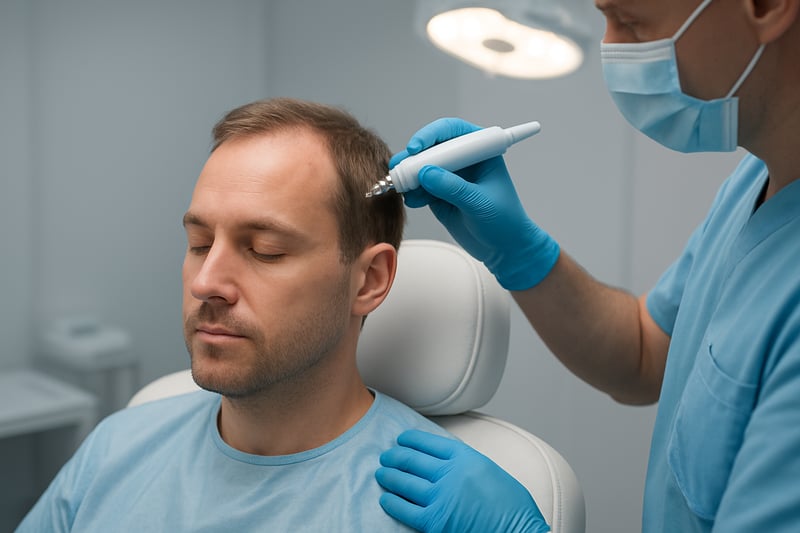
Comparing Hair Transplant Before and After Success Rates
Clinical data confirms that hair transplant success is primarily measured by the long-term survival of transplanted follicles. Research shows that over 90% of hair follicles remain viable following the follicular unit extraction technique, with a significant majority of patients achieving follicle survival rates exceeding 95% at 12 months post-operation1. These high success metrics are a evidence of the precision of modern surgical advancements available at estethica Global.
According to expert opinions, patient satisfaction often mirrors these biological success rates, as visual improvements in hair density provide a clear before and after transformation. While surgical results are largely permanent, individual outcomes remain dependent on factors such as hair texture, scalp laxity, and the progression of hair loss, which affects approximately 50% of men by age 503. Consistent monitoring and professional guidance at estethica Global ensure that these variables are managed to maximize aesthetic density and natural appearance.
Surgical Investment Options
Choosing the right procedure involves balancing individual hair loss patterns with specific aesthetic goals. The following table outlines the pricing structures and value propositions offered by estethica Global to help patients navigate their treatment journey.
Adjunctive treatments such as PRP therapy can further enhance results by increasing hair diameter and overall density2. By combining surgical expertise with secondary regenerative therapies, estethica Global provides a thorough approach to hair restoration that addresses both immediate coverage and long-term scalp health.
Advanced Non-Surgical Solutions Including Microneedling and Scalp Micro-pigmentation
Microneedling employs fine needles to create controlled micro-injuries on the scalp, which triggers the body’s natural regenerative processes to revitalize dormant hair follicles. This mechanical stimulation improves blood circulation and increases the absorption of topical hair loss treatments, offering a synergistic approach to hair density restoration. When integrated into a thorough care plan, these sessions support overall scalp health and can be paired with advanced options like stem cell therapy for hair loss to achieve more strong outcomes.
Scalp micro-pigmentation provides an immediate aesthetic solution by depositing medical-grade pigment into the epidermal layer of the scalp to replicate the appearance of natural hair follicles. This technique is particularly beneficial for men seeking to conceal thinning areas or create the illusion of a fuller, closely-shaven hairstyle without the need for invasive procedures. Since hair loss affects roughly 50% of men by age 503, such non-surgical interventions offer a reliable way to manage appearance while exploring long-term restoration strategies at estethica Global.
Personalized Treatment Planning
Determining the most effective strategy requires a professional evaluation of individual hair thinning patterns and dermatological health. Experts at estethica Global conduct detailed assessments to identify whether patients are better suited for regenerative therapies or pigment-based solutions. Prospective patients are encouraged to book an estethica Global hair loss treatment consultation to receive a tailored plan that addresses their specific aesthetic goals and scalp requirements.

Clinical Evaluation and Treatment Modalities
Patient Assessment, Expectations, and Follow-up
Frequently Asked Questions
Who is generally considered an unsuitable candidate for advanced surgical hair loss treatment for men?
What specific precautions should be taken before undergoing a surgical hair restoration procedure?
How long is the typical recovery period following a hair transplant surgery?
Is it a common misconception that non-surgical treatments can completely reverse advanced genetic hair loss?
What are the primary differences in maintenance requirements between surgical and non-surgical hair loss treatment?

Ready to Restore Your Hair Density?
Explore personalized treatment paths tailored to your specific hair loss concerns.
References
Superscript numbers in the content correspond to the references listed below.
- National Institutes of Health (NIH) / PubMed Central (PMC) — Using the follicular unit extraction technique in treatment of male androgenetic alopecia
- National Institutes of Health (NIH) / PubMed Central (PMC) — Platelet Rich Plasma and Its Use in Hair Regrowth: A Review
- Harvard Health Publishing — Treating hair loss in men: What works?