


Explore effective gynecomastia treatments and male breast reduction options. Understand causes, symptoms, and discover non-surgical solutions and surgery details.
Understanding Gynecomastia Causes and Treatment
Gynecomastia is a common condition characterized by the excessive development of glandular tissue in males, leading to noticeably enlarged breasts. This condition often stems from hormonal imbalances, specifically an increase in estrogen levels relative to testosterone. Several factors can contribute to these shifts, making it essential to understand the underlying triggers for effective management.
Common Triggers of Gynecomastia
During puberty, natural hormonal fluctuations are a frequent cause of temporary gynecomastia. As individuals age, particularly after 50, declining testosterone levels can also lead to a relative increase in estrogen, potentially resulting in breast tissue enlargement. Furthermore, certain medications are known culprits. These can include drugs used to treat prostate cancer, heart conditions, ulcers, anxiety, and infections. Identifying if a prescribed medication is contributing to the condition is a critical step, as discontinuing or switching it under medical supervision might resolve the issue. Beyond medications, various underlying medical conditions can play a role. These include chronic liver disease, kidney failure, hyperthyroidism, and certain types of tumors that produce hormones. Lifestyle factors, such as significant weight gain, can also contribute, though this often leads to pseudogynecomastia, where excess fatty tissue accumulates rather than glandular enlargement. Therefore, a comprehensive diagnostic evaluation is crucial to pinpoint the exact gynecomastia causes and treatment pathways.
Diagnostic Approaches and Treatment Strategies
Diagnosing the specific cause of gynecomastia typically involves a thorough medical history, physical examination, and potentially blood tests to check hormone levels, liver and kidney function, and thyroid status. Imaging studies like ultrasounds or mammograms might also be employed to differentiate between glandular tissue and fat. Once the root cause is identified, treatment strategies can be tailored. For mild cases, particularly those occurring during puberty, a period of observation is often recommended, as the condition may resolve on its own. If a medication is implicated, adjusting the treatment plan is the first course of action. In persistent or more severe instances of gynecomastia, medical interventions might be considered. These could involve medications aimed at restoring hormonal balance. For individuals seeking a more definitive solution for significant or persistent enlarged male breasts, surgical options are available. Understanding the various gynecomastia causes and treatment options is key to achieving satisfactory results. For readers interested in exploring the broader scope of this condition and its management, a detailed overview can be found in Gynecomastia Explained: What It Is and Treatment Options. Addressing gynecomastia can significantly improve self-confidence and quality of life.

Exploring Non-Surgical Gynecomastia Solutions
For individuals seeking less invasive approaches to address concerns about enlarged male chests, several non-surgical gynecomastia solutions are available. These methods are often best suited for mild to moderate cases or when the enlargement is primarily due to excess fatty tissue, sometimes referred to as pseudogynecomastia. Understanding the underlying reasons for chest changes is crucial, and for a deeper dive into the condition, you can explore What is Gynecomastia? Understanding Male Breast Reduction.
Lifestyle Modifications and Hormonal Balance
One of the most accessible avenues for managing gynecomastia non-surgically involves significant lifestyle modifications. A comprehensive approach that includes a balanced diet and regular physical exercise can be highly effective in reducing overall body fat. This, in turn, can significantly diminish the appearance of enlarged male breasts, particularly when fat accumulation is the primary contributor. For individuals whose gynecomastia has a clear hormonal basis, hormone replacement therapy (HRT) might be considered. This approach requires careful medical supervision and is typically reserved for cases where there is a diagnosed imbalance between estrogen and testosterone levels. The goal of HRT is to re-establish a healthier hormonal equilibrium.
Minimally Invasive Techniques
Beyond lifestyle changes, modern medicine offers several innovative, minimally invasive techniques designed to target localized fat deposits without the need for traditional surgery. Cryolipolysis, often known as "fat freezing," uses controlled cooling to break down fat cells in the chest area, which the body then naturally eliminates. Similarly, targeted laser treatments can be employed to heat and destroy fat cells, offering a less invasive path to chest contouring. These advanced non-surgical gynecomastia treatments provide a compelling alternative for those looking to improve their chest appearance with reduced downtime and a lower risk profile compared to surgical interventions. Exploring these options can be a key step in addressing gynecomastia causes and treatment.
These non-surgical gynecomastia options offer considerable benefits, including minimal recovery periods and generally lower risks. While they may not be suitable for all severities of the condition, they represent significant advancements for many individuals seeking improvement. Remember that personalized medical advice is essential when considering any treatment, as a thorough understanding of gynecomastia causes and treatment is vital for achieving the best outcome.
Comprehensive Gynecomastia Surgery Options
When non-surgical methods prove insufficient, or for individuals with significant glandular tissue development, surgical intervention becomes the most effective route for addressing gynecomastia. The tailored approach to surgical treatment aims to restore a more masculine chest contour by addressing excess glandular tissue, localized fat deposits, and, in some cases, loose skin. Understanding the available Gynecomastia: Your Guide to Male Breast Reduction Surgery is crucial for informed decision-making.
The primary surgical techniques employed include liposuction and gland excision. Liposuction is highly effective for removing fatty tissue that contributes to the appearance of enlarged male breasts. It involves small incisions through which a cannula is inserted to suction out the excess fat. For cases where dense glandular tissue is the main concern, an incision-based technique is often necessary. This typically involves a small incision concealed along the border of the areola, allowing the surgeon to directly remove the excess glandular breast tissue. This direct excision is vital for achieving a definitive reduction in cases of significant glandular hypertrophy.
Surgical Technique Considerations
The choice of surgical technique depends heavily on the individual's specific condition. For patients with predominantly fatty tissue and good skin elasticity, liposuction alone may suffice. However, when significant glandular tissue is present, a combination of liposuction and direct gland excision provides the best results. In instances where there is considerable skin laxity due to significant weight loss or long-standing gynecomastia, additional procedures such as a mastectomy or a mastopexy (breast lift) might be incorporated to tighten the skin and achieve a smoother, more sculpted chest appearance. The overarching goal of any surgical procedure is to achieve a natural-looking and aesthetically pleasing result, effectively correcting the condition and boosting patient confidence.
Recovery times vary depending on the extent of the surgery. Most patients can resume light activities within a week or two, with a gradual return to more strenuous exercise over several weeks. The final results of the surgery become most apparent as residual swelling subsides, which can take several months. Addressing the various gynecomastia causes and treatment options with a qualified surgeon is paramount to selecting the most appropriate and effective surgical plan.
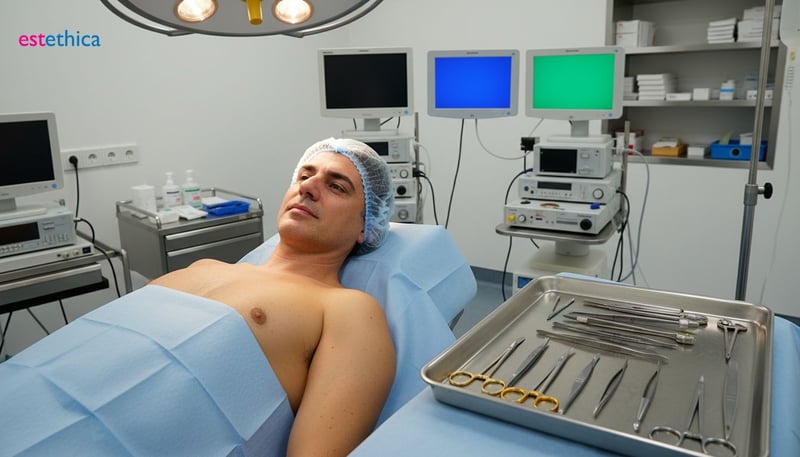
Addressing Enlarged Male Breasts & Pseudogynecomastia
Distinguishing True Gynecomastia from Pseudogynecomastia
A crucial first step in effectively addressing enlarged male breasts involves accurately differentiating between true gynecomastia and pseudogynecomastia. True gynecomastia is characterized by the actual proliferation of glandular breast tissue in males. This tissue often feels firm and is palpable beneath the nipple-areolar complex, indicating a hormonal imbalance or other underlying medical factor. On the other hand, pseudogynecomastia, sometimes referred to as lipomastia, refers to the accumulation of excess fatty tissue in the chest area. This is typically a consequence of overall weight gain and presents as a softer, more diffuse enlargement without the distinct glandular component. Understanding these differences is paramount because the treatment strategies vary significantly. For those struggling with their appearance due to these conditions, seeking professional diagnosis is the recommended path. For a comprehensive understanding of male breast enlargement, including its various forms and underlying reasons, you can explore Gynecomastia Explained: Understanding Male Breast Enlargement.
Tailored Treatment Approaches
The approach to treatment is directly influenced by whether the enlargement is due to glandular tissue or fat. For individuals diagnosed with pseudogynecomastia, lifestyle modifications such as adopting a healthier diet and engaging in regular physical activity are often the most effective primary solutions. Achieving overall weight loss can significantly reduce the fatty deposits, leading to a more toned and flatter chest appearance. In cases where stubborn fat deposits persist despite diligent weight management efforts, minimally invasive procedures like liposuction may be considered to remove localized fat. For true gynecomastia, which involves the enlargement of glandular tissue, surgical intervention is frequently the most definitive solution. Procedures for male breast reduction aim to surgically remove this excess glandular tissue, restoring a more masculine contour to the chest. The choice between these interventions depends on the specific diagnosis and the patient's individual goals. Addressing the root cause, whether it’s excess fat or glandular tissue, is key to achieving satisfactory results and improving self-confidence. A thorough consultation is essential to determine the best course for male breast reduction.
When considering interventions for enlarged male breasts, it's important to remember that the underlying cause dictates the most appropriate strategy. Recognizing the distinction between glandular growth and fat accumulation is fundamental for successful outcomes. While weight management is effective for fatty tissue, glandular tissue often requires a different approach, sometimes involving male breast reduction surgery to remove the excess tissue. Understanding the specific nature of the enlargement ensures that patients pursue the most effective path toward their desired results, making informed decisions about their treatment journey.

Expert Gynecomastia Diagnosis and Advanced Treatment Strategies
Our comprehensive approach to gynecomastia begins with a thorough understanding of its underlying causes, ranging from hormonal imbalances to pubertal fluctuations. We employ precise diagnostic methods to accurately identify true gynecomastia versus pseudogynecomastia, ensuring tailored treatment plans.
We specialize in offering a spectrum of solutions, including effective non-surgical gynecomastia treatments that focus on lifestyle modifications and hormonal balance. These methods are designed for individuals seeking less invasive options to address concerns about enlarged male chests.
Our team possesses deep expertise in male breast reduction, backed by extensive knowledge of the latest gynecomastia treatments available. We are dedicated to providing high-quality care for individuals experiencing enlarged male breasts.
Your Trusted Center for Addressing Gynecomastia Concerns
We prioritize patient trust by offering clear explanations of gynecomastia causes and treatment, empowering individuals to make informed decisions. Our commitment extends to addressing enlarged male breasts and pseudogynecomastia with sensitivity and expertise.
We are a dedicated gynecomastia center, providing top gynecomastia reviews through our transparent approach to care and treatment success. Our goal is to help individuals find the best male breast reduction solutions tailored to their needs.
Patients seeking gynecomastia surgery booking or exploring the latest gynecomastia treatments can rely on our trustworthy guidance. We strive to ensure a positive and effective journey towards addressing male breast tissue concerns.
Surgical and Non-Surgical Approaches for Male Breast Enhancement
When addressing the physical changes associated with gynecomastia, many patients begin to explore various forms of breast enhancement to restore a more masculine chest contour. While the term is often associated with feminine procedures, male breast enhancement in this context refers specifically to the surgical or clinical techniques used to reduce volume, tighten skin, and reshape the pectoral region. Understanding the distinction between these methods is essential for setting realistic expectations regarding your results.
Most surgical interventions for male breast enhancement focus on two primary techniques: liposuction and gland excision. These procedures are often combined to achieve the most natural outcome. Liposuction is typically utilized when the enlargement is primarily caused by excess fatty tissue. By utilizing a small cannula, a surgeon can remove localized fat deposits, providing a flatter appearance. Conversely, if the enlargement is due to dense glandular tissue, simple fat removal will not suffice. In such cases, an incision is made to surgically excise the glandular mass, ensuring that the root cause of the protrusion is eliminated.
Beyond the surgical operating room, individuals often ask about non-surgical options for breast enhancement. It is important to approach these claims with caution. While some clinics market various treatments, such as skin tightening therapies or non-invasive fat reduction, these methods generally offer limited results for true gynecomastia. They are often better suited for minor skin laxity rather than the reduction of significant glandular or fatty tissue growth. Effective management usually requires a formal assessment by a board-certified plastic surgeon to determine if a procedure is medically necessary or purely aesthetic.
Patients considering these interventions should focus on the following factors during their consultation:
- The specific ratio of fatty tissue versus glandular tissue present in the chest.
- The quality of skin elasticity, which influences how well the area will retract after volume reduction.
- The necessity for repositioning the areola if significant skin removal is required.
- The recovery timeline, which typically involves wearing a compression garment to manage swelling and support the healing tissues.
Ultimately, the goal of any breast enhancement procedure for men is to achieve a balanced, firm, and natural-looking chest. By working with a qualified professional, you can identify the specific technique that aligns with your anatomy and personal goals, ensuring that the transformation provides the long-term confidence you seek. Prioritizing medical safety and clear communication with your clinical team remains the most reliable path toward achieving a successful physical outcome.
