


Comprehensive guide to gynecomastia, covering its definition, causes, and effective treatment options including surgery. Details on recovery and finding expert surgeons.
Encountering enlarged male breasts can be a source of significant self-consciousness. This condition, known as gynecomastia, affects many individuals and can arise from various factors. Understanding what is gynecomastia and how to treat it is the first step towards finding effective solutions. This guide will delve into the causes of enlarged male breasts, explore different gynecomastia treatment options, discuss the crucial aspects of gynecomastia surgery recovery time, and help you identify the best surgeons for your gynecomastia operation, ensuring you can make informed decisions about your health and well-being.What is Gynecomastia and How to Treat It
What is gynecomastia and how to treat it is a question many individuals seek answers for. Gynecomastia refers to the non-cancerous enlargement of glandular breast tissue in males. It's important to differentiate this condition from pseudogynecomastia, which is characterized by an accumulation of excess fatty tissue rather than true glandular development. The presence of enlarged male breasts can affect self-esteem and body image, making understanding its nature and potential solutions crucial.
The reasons behind gynecomastia can be quite varied. Often, it is linked to hormonal imbalances, which can occur during significant life stages such as puberty or as men age. Certain medications, including some heart drugs, anti-androgens, and anabolic steroids, have also been implicated as potential triggers. Furthermore, underlying health issues like liver disease, kidney failure, thyroid problems, or even certain tumors can contribute to the development of this condition. Identifying the specific root cause is the first and most vital step towards effective management and treatment.
Understanding Treatment Pathways
Fortunately, there are several gynecomastia treatment options available, depending on the severity and cause of the condition. For mild cases, particularly those associated with temporary hormonal fluctuations like during puberty, observation may be the recommended approach. In many instances, the glandular tissue can resolve on its own over time without intervention. Lifestyle modifications can also play a role. If excess fat is a contributing factor to the appearance of enlarged breasts, adopting a healthier diet and increasing physical activity may help reduce overall body fat and improve the chest's contour.
In situations where lifestyle changes or observation are insufficient, medical interventions might be considered. These can include medications designed to rebalance hormone levels and counteract the effects causing breast tissue growth. For cases where the glandular enlargement is significant, persistent, or causing considerable distress, surgical intervention, commonly known as gynecomastia surgery, offers the most definitive solution. This procedure, often called male breast reduction, focuses on removing excess glandular tissue and fat to restore a more masculine chest appearance.
Deciding on the most appropriate course of action for gynecomastia should always be a collaborative decision made in consultation with a qualified medical professional. They can provide accurate diagnosis, discuss all available treatments, and guide you toward the best outcome. For those seeking more in-depth information on the multifaceted aspects of this condition, including causes, various treatments, and the surgical process, exploring resources like Gynecomastia: Causes, Treatments, and Surgery Explained can be highly beneficial. Understanding what is gynecomastia and how to treat it empowers individuals to make informed choices about their health and well-being. The journey through addressing gynecomastia often involves a combination of medical assessment, potential treatment strategies, and sometimes, the definitive results of gynecomastia surgery. A successful gynecomastia surgery experience prioritizes patient safety and aesthetic satisfaction.
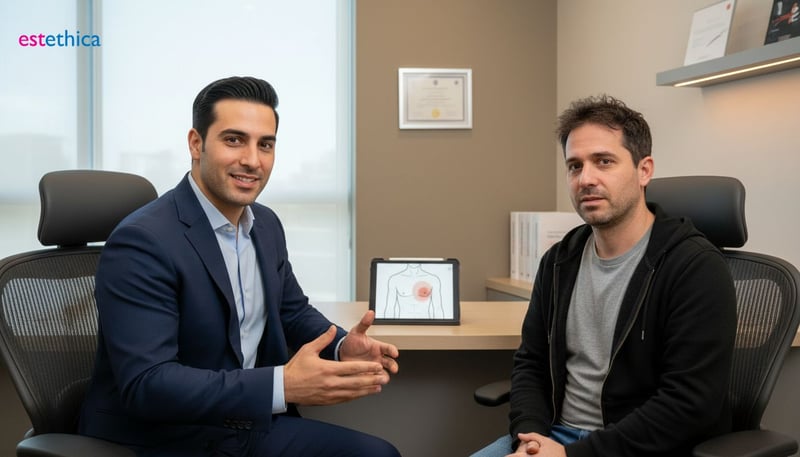
Causes of Enlarged Male Breasts Explained
Understanding the underlying reasons for enlarged male breasts is crucial for effective management and potential treatment. The primary driver behind this condition, known medically as gynecomastia, is an imbalance between the hormones estrogen and testosterone. While hormones fluctuate naturally throughout a man's life, certain periods are more prone to such imbalances.
Hormonal Fluctuations and Life Stages
During puberty, adolescent boys commonly experience significant hormonal shifts. This surge and ebb of hormones can temporarily increase breast tissue in some individuals, usually resolving on its own. As men enter middle age and beyond, testosterone levels naturally tend to decline. This decrease, coupled with relatively stable or increased estrogen levels, can contribute to the development of enlarged breast tissue.
Beyond these natural life stage variations, several other factors can contribute to hormonal disruption. Certain medications are well-documented for having enlarged male breasts as a potential side effect. These can include drugs used to treat heart conditions, prostate cancer (anti-androgens), gastrointestinal issues like ulcers, and even some substances used recreationally. It's important to discuss any concerns about medication side effects with your healthcare provider.
Medical Conditions and Lifestyle Factors
Underlying medical conditions can also play a significant role in disrupting the delicate hormonal balance. Chronic diseases such as liver disease, kidney failure, and thyroid dysfunction can impact hormone metabolism and levels. Additionally, certain rare tumors can produce hormones that lead to breast tissue enlargement. Recognizing these potential enlarged male breasts causes is the first step toward diagnosis and appropriate intervention.
Lifestyle choices and environmental factors are also implicated. Obesity, for instance, can be a contributing factor. Adipose (fat) tissue can convert androgens into estrogens, leading to higher estrogen levels. Furthermore, excess fatty tissue can mimic the appearance of enlarged breast tissue, a condition known as pseudogynecomastia, although true glandular tissue enlargement is also possible in overweight individuals. Addressing these factors, alongside seeking professional medical advice, is key to managing the condition. For individuals considering intervention, understanding the expertise involved is important, and resources such as Expert Gynecomastia Surgeons: Understanding Male Breast Reduction can offer valuable insights.
Gynecomastia Surgery Recovery Time & Options
When non-surgical methods prove insufficient or do not yield the desired outcomes, surgical intervention, specifically male breast reduction, offers a reliable and effective solution for gynecomastia. This procedure typically focuses on removing excess glandular tissue and, in select cases, excess fat, which can be accomplished through liposuction or direct excision techniques. The surgeon determines the most appropriate method based on the individual patient's specific condition and a thorough assessment. Understanding the post-operative recovery period is essential for managing expectations and ensuring optimal healing after undergoing gynecomastia surgery.
Understanding the Recovery Process
Following the operation, patients can generally anticipate experiencing mild discomfort, swelling, and bruising for the initial few days. These symptoms are typically managed effectively with prescribed pain medication and the consistent use of compression garments. Light daily activities can usually be resumed within a week. However, it is crucial to avoid more strenuous physical exertion for several weeks, typically ranging from four to six, to allow the tissues to heal properly and prevent complications. Full recovery and the final aesthetic results may take several months as the residual swelling gradually subsides.
Surgical Techniques and Considerations
The choice of surgical technique for addressing enlarged male breasts depends on the underlying cause and the extent of tissue involved. Liposuction is often used to remove fatty tissue, while direct excision is preferred for removing denser glandular tissue or significant skin laxity. In some instances, a combination of both methods may be employed. For individuals seeking detailed information about the various aspects of this condition, including its causes, surgical procedures, and associated costs, a comprehensive resource such as Understanding Gynecomastia: Causes, Surgery & Costs can provide valuable insights.
The safety of gynecomastia surgery is a common concern. When performed by experienced and qualified surgeons, the procedure is generally considered safe, with risks comparable to other elective surgical interventions. Adhering strictly to post-operative care instructions provided by your surgeon is paramount for minimizing the risk of complications and achieving the best possible aesthetic outcome. Discussing your specific situation and concerns with your surgeon will help clarify what is possible and what to expect during your recovery and beyond. Understanding what is gynecomastia and how to treat it comprehensively is the first step towards a successful outcome.

Finding the Best Surgeons for Gynecomastia Operation
Selecting the right medical professional is a crucial step when considering a gynecomastia operation. The journey to address enlarged male breasts requires a surgeon with a unique blend of technical proficiency, an artistic eye for aesthetic results, and specialized experience in male chest reconstruction. It is highly recommended to seek out board-certified plastic surgeons or general surgeons who have a dedicated focus and a significant volume of successful procedures specifically for male breast reduction.
Expertise and Credentials Matter
When vetting potential surgeons, thorough research is non-negotiable. Begin by scrutinizing their credentials. Look for extensive training and certifications that indicate a commitment to the highest standards of surgical practice. Beyond qualifications, examine their before-and-after photo galleries. This is an invaluable tool to assess the quality of their work, their understanding of natural-looking outcomes, and their aesthetic sensibilities. Pay close attention to the consistency and overall results depicted. Furthermore, reading patient testimonials can offer profound insights into others' experiences, providing a realistic perspective on what to anticipate throughout the process, from initial consultation to post-operative care. This detailed information can complement your understanding of "what is gynecomastia and how to treat it".
The Importance of Consultation
A comprehensive consultation is an essential component of the selection process. This is your opportunity to openly discuss your specific concerns and goals with the surgeon. You should feel comfortable asking questions about their proposed surgical plan and the techniques they intend to use. Evaluate their communication style; a good surgeon will explain the procedure clearly, address all your queries patiently, and ensure you feel fully informed and at ease. It's also vital to inquire about their experience with different surgical approaches for gynecomastia, their strategies for managing potential risks or complications, and a realistic timeline for the gynecomastia surgery recovery time. Choosing a surgeon who prioritizes your safety, well-being, and ultimate satisfaction is paramount for achieving successful and enduring results. For further guidance on finding experienced professionals and understanding the financial aspects, you may find the resource "Gynecomastia Operation: Expert Surgeons & Treatment Costs" to be a valuable addition to your research. Addressing enlarged male breasts effectively often hinges on making an informed choice about your surgical team.

Comprehensive Guide to Gynecomastia: Understanding, Causes, and Surgical Solutions
This detailed guide offers a thorough understanding of gynecomastia, addressing the fundamental question of 'what is gynecomastia and how to treat it'. It meticulously breaks down the condition, distinguishing true gynecomastia from pseudogynecomastia to ensure clarity.
Expert insights into the causes of enlarged male breasts are provided, covering hormonal fluctuations during key life stages like puberty and other contributing medical conditions and lifestyle factors. This in-depth analysis empowers individuals with knowledge about the underlying reasons for their condition.
With a focus on providing reliable information, this resource aims to be a trusted source for individuals seeking answers about male breast enlargement. It is structured to guide readers through the complexities of gynecomastia, ensuring they are well-informed about their health.
The content is designed by professionals knowledgeable in endocrinology and plastic surgery, offering a blend of medical understanding and practical guidance for management and treatment options.
Patient-Centric Gynecomastia Surgery: Recovery and Expert Consultation
Understanding gynecomastia surgery recovery time is crucial for managing patient expectations and ensuring a smooth post-operative experience. This guide provides clear insights into the recovery process, detailing potential timelines and recovery strategies.
The focus on selecting the best surgeons for a gynecomastia operation is paramount, guiding individuals on how to evaluate expertise and credentials. This commitment to patient welfare ensures they are placed in capable hands.
The guide emphasizes that gynecomastia surgery is safe when performed by experienced professionals, providing reassurance to those considering the procedure. Detailed information on surgical techniques and considerations further enhances patient confidence.
By addressing 'what is gynecomastia and how to treat it' comprehensively, this resource builds trust by empowering individuals with knowledge, guiding them towards informed decisions for their health and well-being.