


Discover how eyelid surgery can improve your vision and rejuvenate your appearance with expert insights and recovery strategies.
The quest for a youthful and rested appearance has led many to consider eyelid surgery. Often referred to as blepharoplasty, this procedure can do more than just enhance your looks. It can also improve vision by correcting sagging skin that may impede eyesight. Whether you are considering surgery for functional or cosmetic reasons, understanding the benefits and recovery expectations of eyelid surgery is crucial.
Understanding Eyelid Surgery: Blepharoplasty Benefits & Candidacy
Exploring the Functional and Aesthetic Advantages of Blepharoplasty
Eyelid surgery, also known as blepharoplasty, offers a dual benefit by addressing both functional and aesthetic concerns related to the eyelids. Functionally, it corrects drooping eyelids that may impair vision, restoring a wider field of sight. Aesthetically, it rejuvenates the eye area, reversing signs of aging such as puffiness or wrinkles, which can significantly enhance one's appearance. The procedure involves the removal of excess skin, muscle, and fat, tailored to meet the individual's specific needs, ensuring results that are both visually appealing and functionally effective. For instance, addressing excess skin can alleviate eye strain, while reducing under-eye bags can create a more youthful demeanor.
Key Benefits of Eyelid Surgery
- Improved Vision: Corrects visual impairment caused by drooping upper eyelids, enhancing the field of vision.
- Youthful Appearance: Reduces puffiness and wrinkles around the eyes, providing a rejuvenated look.
- Enhanced Comfort: Alleviates discomfort and eye strain associated with excess eyelid skin.
Understanding these benefits is crucial for those considering eyelid plastic surgery, especially when functional issues overlap with aesthetic desires.
Assessing Candidacy for Eyelid Correction
Determining suitability for eyelid surgery involves evaluating both physical and lifestyle factors. Ideal candidates often include individuals experiencing visual impairment due to sagging eyelids, or those seeking cosmetic enhancements to counteract age-related changes around the eyes. A comprehensive evaluation includes assessing overall health, existing eye conditions, and lifestyle habits such as smoking, which can impact healing. For example, individuals with chronic dry eye may require additional evaluation, while smokers are advised to quit before surgery to promote better recovery. Realistic expectations are also important, as eyelid surgery can significantly improve appearance and function, but cannot alter one's fundamental facial structure. Consulting with a qualified surgeon ensures a thorough assessment and personalized approach to achieving the desired outcomes.
Steps to Determine Your Candidacy
- Comprehensive Eye Exam: Assess eye health and identify any pre-existing conditions.
- Medical History Review: Evaluate overall health status and potential risk factors, such as diabetes or heart conditions.
- Lifestyle Assessment: Discuss habits like smoking or alcohol consumption, which can influence healing.
These three steps are essential for a qualified surgeon to make an informed decision about your suitability for cosmetic eyelid surgery and to tailor the procedure to your specific needs.

Upper vs. Lower Eyelid Surgery: Tailoring the Procedure to Your Needs
Understanding the Nuances of Upper Eyelid Lift
Upper eyelid lift, primarily focusing on addressing sagging skin, is a targeted surgical intervention designed to rejuvenate the upper eye area. This procedure, often sought to correct age-related changes, involves removing excess skin and tightening the underlying tissues to create a more youthful and alert appearance. In some cases, it can also improve vision when drooping eyelids obstruct the field of view. Tailored to individual aesthetic goals, the upper eyelid lift offers a refreshed look by reducing the appearance of tiredness. For instance, if excess skin folds are creating a heavy-lidded appearance, the surgery can provide a more open and vibrant eye contour. Addressing these concerns related to fat eyelids helps in achieving a balanced and harmonious facial aesthetic.
Key Considerations for Upper Eyelid Surgery
- Vision Improvement: Corrects drooping eyelids that impair vision, expanding the visual field.
- Reduced heaviness: Eliminates excess skin to alleviate a tired or aged appearance of the upper eyelids.
- Enhanced Contour: Creates a smoother, more youthful eyelid contour, improving overall facial harmony.
Understanding these aspects of upper eyelid surgery can empower individuals to make informed decisions about pursuing this transformative procedure.
Exploring the Benefits of Lower Eyelid Surgery
Lower eyelid surgery specifically targets concerns such as puffiness and eye bags, aiming to create a smoother, more refreshed under-eye area. This procedure often involves the removal or repositioning of fat pockets, along with tightening excess skin to reduce wrinkles and sagging. Suitable candidates include those experiencing persistent under-eye bags that detract from their overall facial appearance. For example, patients noticing a tired or aged look due to under-eye puffiness may benefit significantly. The aim is to rejuvenate the lower eyelid area, providing a rested and youthful appearance, which can enhance self-confidence. Therefore, seeking blepharoplasty in london or nearby can provide access to experienced surgeons skilled in these specialized techniques.
Steps Involved in Lower Eyelid Surgery
- Fat Repositioning: Addresses puffiness by repositioning or removing excess fat in the lower eyelid.
- Skin Tightening: Reduces wrinkles and sagging skin to create a smoother under-eye area.
- Muscle Support: Tightens underlying muscles for enhanced support and a more youthful contour.
These targeted steps in lower eyelid surgery aim to rejuvenate the eye area, providing a refreshed and revitalized appearance.
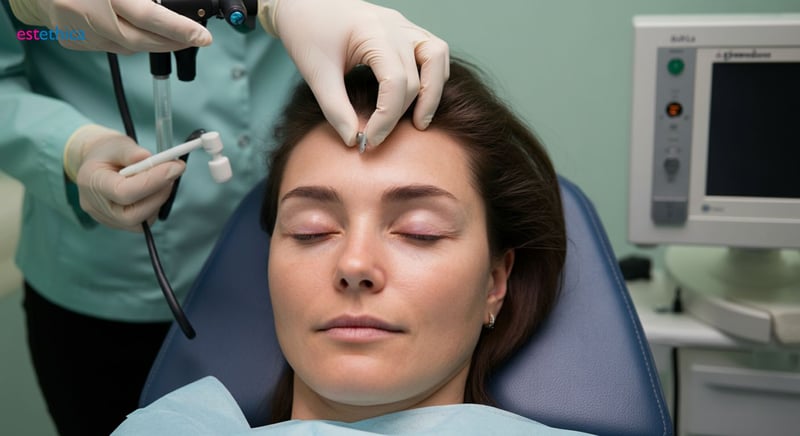
Beyond Aesthetics: How Eyelid Correction Can Improve Vision
Unveiling the Vision-Enhancing Aspects of Eyelid Surgery
Beyond purely cosmetic enhancements, eyelid surgery provides tangible benefits by improving impaired vision. Sagging eyelids, particularly in the upper region, can obstruct the visual field, leading to difficulties in daily activities. Corrective blepharoplasty addresses this issue by lifting the eyelids, restoring the full range of vision. The functional improvement often results in enhanced mobility and independence, as the individual regains a clearer and unobstructed view of their surroundings. Eyelid correction surgery, therefore, is not just about aesthetics; it's a functional procedure that dramatically improves the patient's quality of life. For instance, individuals who struggle with driving due to limited peripheral vision can experience significant improvements post-surgery.
Vision Improvements from Eyelid Correction
- Enhanced Peripheral Vision: Lifting sagging eyelids expands the visual field, improving peripheral sight.
- Reduced Eye Strain: By removing obstructions, eye strain and fatigue are significantly reduced.
- Improved Daily Activities: Correction enhances the ability to perform tasks like reading, driving, and watching TV.
These improvements underscore the significance of considering eyelid surgery for functional as well as cosmetic reasons.
Maintaining Peripheral Vision with Eyelid Procedures
Eyelid surgery plays a crucial role in maintaining and restoring essential peripheral vision, especially for those whose daily lives depend on a wide field of view. Drooping eyelids can severely limit the ability to see objects to the side, which is critical for activities like driving, navigating crowded spaces, and participating in sports. By addressing the underlying anatomical issues that cause this obstruction, cosmetic eyelid surgery helps safeguard and enhance this vital aspect of vision. Post-surgery, patients often report not only an improvement in appearance but also a noticeable increase in their ability to perceive their surroundings fully. This is particularly important for maintaining overall mobility and preventing accidents. Therefore, maintaining peripheral vision through well-executed eyelid procedures is essential for both safety and quality of life.
Key Steps in Maintaining Peripheral Vision
- Initial Assessment: Determining the degree of obstruction caused by drooping eyelids on the peripheral vision.
- Surgical Correction: Precisely lifting the eyelids to remove the obstruction and restore the visual field.
- Post-operative Care: Following instructions to ensure proper healing and sustained improvement in vision.
These steps are essential for preserving and improving peripheral vision, ensuring a safer and more comfortable daily life.

Eyelid Surgery Recovery: Key Expectations and Essential Aftercare Tips
Essential Aftercare Practices Following Blepharoplasty
Recovering from eyelid surgery involves a structured approach aimed at minimizing complications and enhancing the healing process. Initially, patients should prioritize rest and avoid activities that could strain the eyes. Managing swelling and bruising is crucial, often achieved through cold compresses and prescribed medications. Maintaining proper hygiene around the incision sites prevents infection, contributing to a smoother recovery. For instance, gently cleaning the eyelids with a saline solution can keep the area free from debris. Close adherence to your surgeon’s aftercare instructions is paramount for achieving optimal results and ensuring a comfortable recovery period. Proper aftercare following blepharoplasty surgery ensures the best possible outcome.
Key Aftercare Steps for Eyelid Surgery
- Cold Compresses: Apply frequently during the first 48 hours to reduce swelling and bruising.
- Medication Adherence: Take all prescribed medications as directed to manage pain and prevent infection.
- Gentle Cleaning: Clean incision sites gently with saline solution to maintain hygiene.
Following these aftercare steps diligently is crucial for a successful recovery post eyelid correction.
Long-Term Recovery Expectations After Eyelid Surgery
Long-term recovery from eyelid surgery encompasses a gradual return to normal activities while ensuring the longevity of the surgical results. Patients can typically resume light activities within a week but should avoid strenuous exercises for several weeks to prevent complications. Protecting the eyes from sun exposure with sunglasses and sunscreen is essential to minimize scarring and maintain skin integrity. Regular follow-up appointments with the surgeon are important to monitor healing and address any concerns. For example, using lubricating eye drops can alleviate dryness, a common post-operative symptom. A proactive approach to long-term care not only supports the healing process but also helps preserve the aesthetic and functional benefits of the surgery. Consistent care and attention following procedures involving fat eyelids contribute to lasting satisfaction.
Long-Term Practices for Optimal Recovery
- UV Protection: Protect the eyes with sunglasses and sunscreen to prevent scarring.
- Hydration and Diet: Maintain a healthy diet and stay hydrated to promote skin elasticity.
- Regular Check-ups: Attend all scheduled follow-up appointments to monitor healing.
These practices are crucial for ensuring the long-term success and satisfaction with your eyelid surgery.
Advanced Blepharoplasty Techniques Achieve Rejuvenated Appearance and Improved Vision
Structured Recovery Protocols Ensure Optimal Healing and Lasting Results After Eyelid Surgery
Frequently Asked Questions
What are the primary benefits of Eyelid Surgery (Blepharoplasty)?
How does Upper Eyelid Lift differ from Lower Eyelid Surgery?
Can Eyelid Correction really improve my vision?
What essential aftercare practices should I follow after Eyelid Surgery?
What are the long-term expectations for recovery after Cosmetic Eyelid Surgery?
Achieve your aesthetic goals with estethica's award-winning services and personalized care.
📞 Book Your Free Consultation!