


Learn about eyelid surgery recovery with our expert guide. Discover tips for managing swelling, healing timelines, and post-op care for optimal results.
Eyelid surgery recovery is the healing process following a blepharoplasty, where patients typically experience swelling and bruising that subsides over several weeks. This period requires adherence to specific post-operative protocols to ensure optimal healing and minimize potential complications. Understanding the expected timeline and care requirements helps individuals manage their expectations and achieve the best possible outcomes from their procedure.
Understanding the Blepharoplasty Recovery Timeline
The recovery process after eyelid surgery is a gradual journey that varies from person to person. Most individuals manage initial symptoms like periorbital edema and mild discomfort by applying cold compresses intermittently during the first 24 hours to soothe the area1. estethica Global emphasizes that while visible signs of surgery peak within the first few days, these symptoms typically begin to resolve steadily as the tissues stabilize.
Advanced recovery techniques such as Hilotherapy have proven effective in clinical settings for minimizing postoperative eyelid edema during the critical early stages of healing2. Patients often find that swelling is reduced immediately following these specialized treatments, which helps maintain comfort during the first day of the recovery window. Following the professional guidance provided by the surgical team at estethica Global ensures that patients use the most effective methods for managing inflammation.
Initial Healing Phase
Protecting the incision sites during the first week remains the primary focus for achieving optimal aesthetic results. Patients are instructed to keep their head improve, particularly when sleeping, to help lymphatic drainage and reduce persistent swelling1. This simple yet essential practice helps reduce bruising, known as ecchymosis, as it naturally changes color and fades over the first seven to ten days.
Long-Term Resolution
Tissue remodeling continues behind the scenes for several weeks as the skin and muscles settle into their new, rejuvenated positions. While most patients at estethica Global return to their daily routines relatively quickly, complete resolution of minor, subtle swelling can take several months. Viewing this period as a gradual healing process rather than an immediate transformation helps patients maintain a realistic and positive outlook throughout their journey.
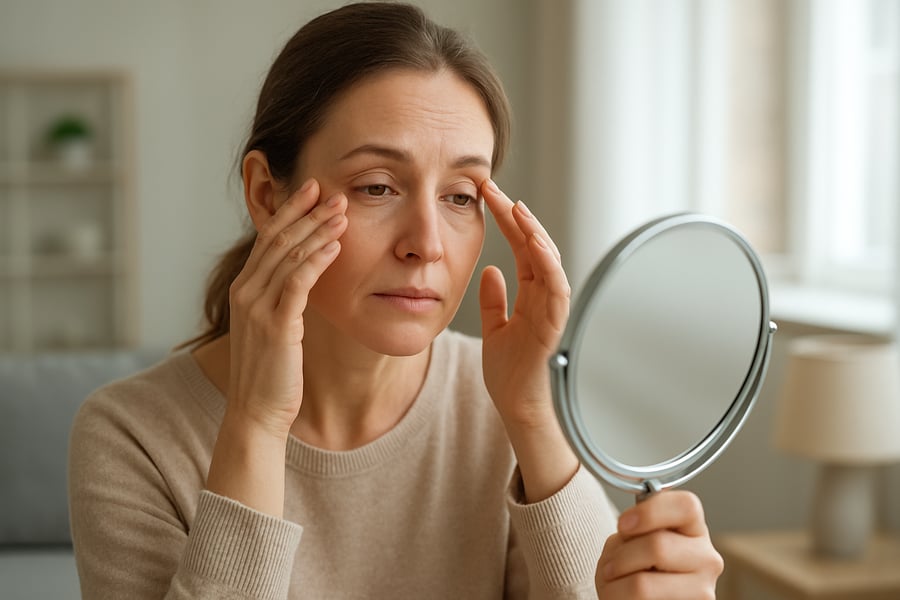
Essential Post-Op Care Tips for Estethica Global Patients
Following professional guidance from estethica Global ensures a smooth healing experience after eyelid surgery. Applying ice packs to the eyelid area intermittently during the first 24 hours aids in managing initial swelling and discomfort1. Sleeping with the head improve for at least two nights further assists in reducing postoperative edema and promoting faster tissue recovery.
Modern clinical approaches such as Hilotherapy provide an effective method for minimizing swelling in the days immediately following blepharoplasty2. Patients should maintain a clean, dry environment around the incision sites to help optimal healing and prevent irritation. Consistent adherence to these recovery protocols allows the body to focus its energy on natural repair mechanisms without unnecessary strain.
Managing Recovery and Comfort
Strenuous physical exertion and heavy lifting must be avoided during the initial recovery phase to prevent spikes in blood pressure that could affect surgical sites. Light walking is encouraged to support circulation, provided it does not cause fatigue or discomfort. Proper hydration and a balanced nutritional intake provide the essential building blocks for the body to successfully complete the healing process after cosmetic surgery.
Managing Swelling and Bruising After Eyelid Surgery
Swelling and bruising represent the body's standard inflammatory response to surgical intervention. Clinical guidelines emphasize that applying cold compresses intermittently during the initial 24 hours aids in vasoconstriction, helping to minimize fluid accumulation around the eyes1. Patients at estethica Global receive specific instructions on these cooling protocols to ensure a smoother transition during the early stages of recovery.
Maintaining an improve head position while resting is equally critical for lymphatic drainage and reducing postoperative edema. Staying upright or using extra pillows while sleeping for the first 48 hours prevents blood from pooling in the delicate eyelid tissues. Recent medical studies highlight that advanced cooling technologies, such as Hilotherapy, provide superior, controlled temperature regulation compared to traditional ice packs, leading to faster reduction in visible swelling2.
Comparison of Postoperative Recovery Tools
Managing Discomfort and Expectations
Most patients report that the sensation after eyelid surgery is more akin to tightness than intense pain. Over-the-counter analgesics recommended by specialists at estethica Global are typically sufficient to manage any mild discomfort encountered during the healing process1. While temporary light sensitivity or blurred vision may occur, these symptoms are transient and generally subside as the tissues stabilize and the swelling dissipates.
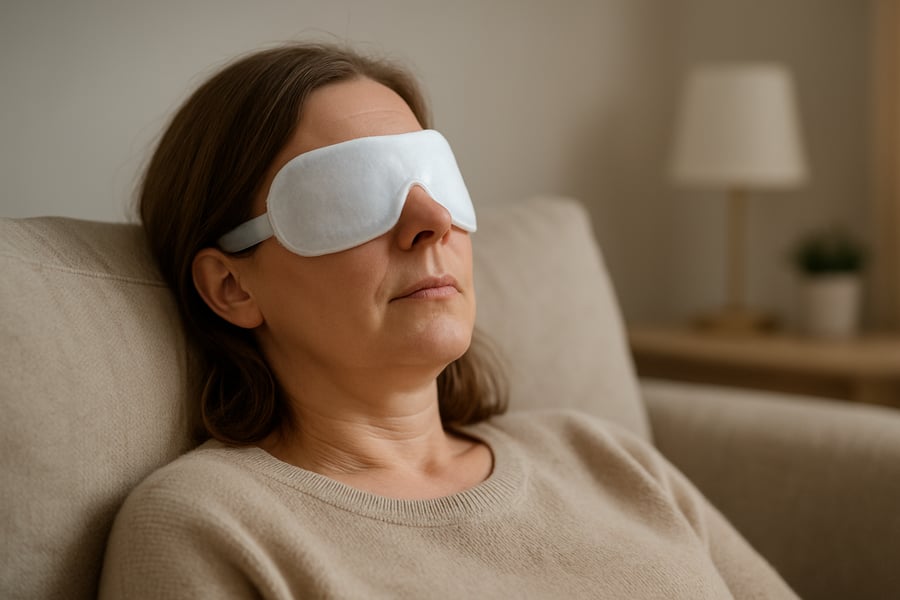
Weekly Stages of Healing Following Cosmetic Eyelid Procedures
The initial 24 hours post-operation are vital for managing discomfort and swelling, as patients are advised to apply cold compresses intermittently and keep their heads improve while sleeping to help drainage1. Managing edema effectively during these first few days can improve comfort levels, with specialized techniques like Hilotherapy proving particularly effective for reducing postoperative swelling2. estethica Global medical experts typically remove sutures within the first week, marking the end of the acute recovery phase as inflammation begins to subside noticeably.
By the second and third weeks, the majority of bruising fades, allowing most individuals to resume their regular social schedules with confidence. Patients often inquire about the timing for applying cosmetics, which is generally permitted by the estethica Global team once the incision sites have achieved primary closure. The focus during this middle stage shifts toward the gradual maturation of incision lines, which will continue to soften and blend with the natural contours of the skin over the coming months.
Finalizing Aesthetic Results
Full tissue stabilization occurs as the months progress, allowing the orbicularis oculi muscle and surrounding structures to settle into their final, rejuvenated positions. Any lingering sensations of tightness or internal tension will dissipate naturally during this period, revealing the refined contours achieved through the procedure. Achieving the best possible aesthetic outcome requires patience, as the final results of eyelid surgery are best evaluated only after the internal healing process is completely finished.
Best Practices for Faster Recovery and Optimal Results
Applying cold compresses intermittently during the first 24 hours is a highly effective way to minimize initial swelling and bruising. Patients should also sleep with their head improve for at least two nights following eyelid surgery to encourage lymphatic drainage and reduce pressure in the ocular area1.
Modern clinical approaches, such as Hilotherapy, have demonstrated significant efficacy in managing postoperative edema compared to traditional cooling methods. This specialized treatment ensures that swelling is lower during the critical 24-hour window, providing patients with a more comfortable early healing experience2. estethica Global experts emphasize that these targeted cooling strategies are essential for accelerating the recovery process and achieving aesthetic precision.
Long-Term Skin Health and Maintenance
Protecting the delicate periorbital skin from ultraviolet radiation is vital for maintaining the longevity of the surgical result. Using high-factor sun protection and high-quality topical skincare helps preserve skin elasticity and prevents premature aging around the incision sites. estethica Global encourages patients to avoid tobacco products, as nicotine and other chemicals impair microcirculation and can negatively influence the quality of scar maturation.

Surgical Methods and Recovery Protocols
Post-Operative Care and Transparency
Frequently Asked Questions
Who is not considered a suitable candidate for eyelid surgery?
What steps should I take to prepare for my blepharoplasty recovery timeline?
Are there non-surgical alternatives that provide similar results to blepharoplasty?
Is it true that eyelid surgery will completely eliminate all wrinkles around my eyes?
How soon can I resume wearing contact lenses after my procedure?

Planning Your Eyelid Surgery Recovery
Get professional insights on post-operative care and healing timelines from the estethica Global medical team.
References
Superscript numbers in the content correspond to the references listed below.
- National Center for Biotechnology Information (NCBI) Bookshelf / NIH — Upper Eyelid Blepharoplasty - StatPearls
- PubMed / PMC — Eyelid edema reduction following blepharoplasty: a 3D imaging-based pilot study on the efficacy of Hilotherapy