

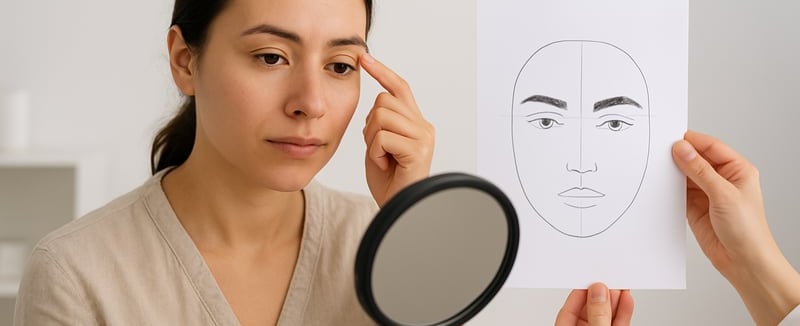
Compare eyebrow threading vs microblading to find the best brow shaping for your face. Learn about longevity, skin suitability, and professional consultations.
Eyebrow threading vs microblading represents a choice between temporary mechanical hair removal and semi-permanent pigment implantation for brow enhancement. Understanding these distinct cosmetic eyebrow enhancement procedures helps individuals select the method that best match their aesthetic goals and skin requirements. This guide examines the core differences, suitability for various face shapes, and maintenance considerations for each technique.
Understanding the Core Differences Between Eyebrow Threading and Microblading
Eyebrow threading functions as a precise mechanical hair removal technique that uses twisted cotton strands to lift hair directly from the follicle. This method is highly favored for its ability to create sharp, clean lines without the use of chemical depilatories, though it can occasionally lead to folliculitis or the spread of viral skin conditions if hygiene standards are not strictly maintained2. Many clients at estethica Global choose this routine for its speed and minimal impact on the skin's surface, keeping the brow area tidy for approximately two to three weeks.
Microblading offers a semi-permanent solution for those seeking to address sparse areas or redefine their brow shape through the manual implantation of pigment into the epidermis. Unlike threading, this procedure involves small incisions that require careful aftercare to prevent infection, as the pigments used are not currently FDA-approved for injection into the skin1,3. Because the process creates permanent-like strokes, estethica Global emphasizes the importance of consulting with a qualified professional to minimize risks such as granulomatous reactions or long-term cosmetic dissatisfaction.
Comparison of Brow Enhancement Methods
| Name | Key Features | Pros | Cons |
|---|---|---|---|
| Eyebrow Threading | Mechanical hair extraction | Fast, natural, no chemicals | Short-lived; risk of irritation |
| Microblading | Epidermal pigment deposit | Fuller, defined, long-lasting | Invasive; requires aftercare |
| Eyebrow Transplant | Surgical hair follicle transfer | Permanent, natural hair growth | Costly; surgical recovery |
Choosing between these techniques often depends on whether the goal is simple maintenance or a structural change in brow density. While threading is a standard grooming practice, procedures like microblading or even an eyebrow transplant represent more significant investments in one's aesthetic profile. Experts at estethica Global recommend evaluating your skin sensitivity and long-term beauty goals before committing to any procedure that breaks the skin barrier.
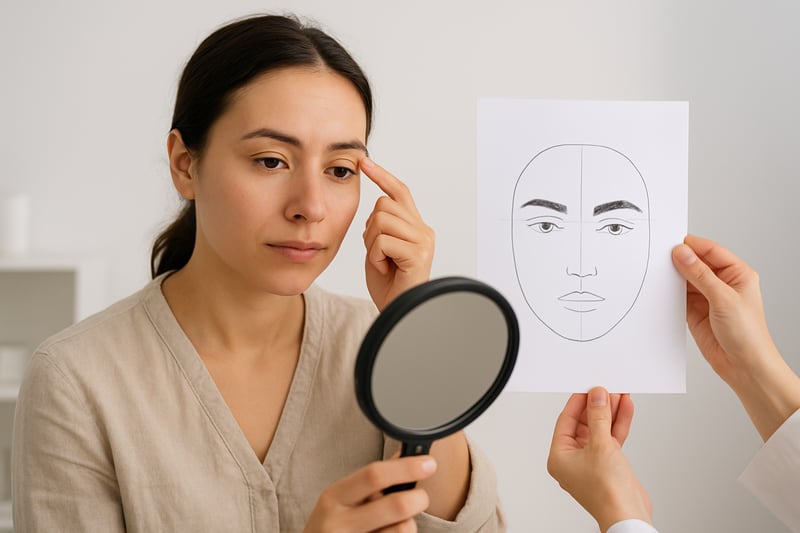
Selecting the Best Brow Shaping Technique for Your Unique Face Shape
Facial structure and natural bone architecture serve as the primary guides for determining the most flattering eyebrow shape. For oval faces, balanced arches that harmonize with the brow bone create a refined appearance, often achieved through threading to maintain crisp, natural lines. estethica Global specialists emphasize that while threading is an effective maintenance tool, it can occasionally lead to dermatological issues such as folliculitis or the spread of viral infections like molluscum contagiosum if sanitary standards are not strictly upheld2.
Round faces frequently benefit from higher, angular arches that introduce vertical length to the face, a transformation often requiring the precision of microblading. This technique allows for the strategic placement of pigment to reconstruct brow shape where natural hair growth is insufficient or absent. Patients should be aware that pigments used in these procedures currently lack universal FDA approval for skin injection, and there remains a clinical risk of granulomatous reactions or infections that may manifest long after the initial treatment1,3.
Customizing Brow Aesthetics to Facial Features
Square faces often require softer, rounded brow contours to offset a strong jawline, a look that estethica Global experts can achieve through careful mapping and non-permanent shaping techniques. Individuals experiencing significant hair loss or thinning may find microblading to be a corrective solution, provided they consult with a qualified professional to navigate the potential health risks associated with tattoo pigments1. By assessing the unique distance between the eyes and overall forehead height, specialists can determine whether a patient is a better candidate for temporary maintenance or a semi-permanent reconstruction.
Evaluating Estethica Global Eyebrow Services and Professional Consultations
Professional guidance remains a cornerstone of cosmetic brow enhancement, particularly when navigating the distinctions between non-invasive grooming and semi-permanent pigment implantation. At estethica Global, clinicians perform thorough assessments of facial anatomy, skin integrity, and hair patterns to determine the most suitable approach for each guest. This individualized strategy ensures that every service, whether eyebrow threading or microblading, match the specific aesthetic goals and safety profiles of the patient.
Consultations at estethica Global prioritize transparency regarding the biological and clinical aspects of brow procedures. Specialists evaluate the skin's condition to identify potential contraindications, as the pigments use in cosmetic tattooing are not approved by the FDA for injection into the skin, and the practice itself relies on local regulatory oversight3. By maintaining these rigorous standards, estethica Global reduce risks such as the granulomatous reactions or infections that can occasionally arise from improper pigment application or non-sterile environments1.
The Clinical Approach to Brow Mapping
Precision in brow mapping is essential for achieving symmetry and enhancing natural features without the complications associated with amateur procedures. While methods like threading offer a quick grooming solution, they require careful technique to prevent dermatological issues like folliculitis or the spread of viral infections2. The practitioners at estethica Global use sterile tools and professional expertise to provide a safe, high-quality experience that avoids the common pitfalls found in unregulated settings.
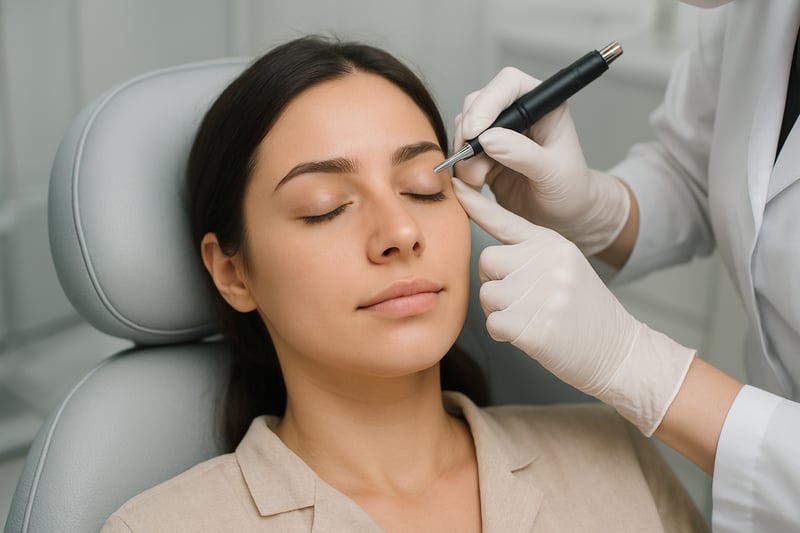
Longevity and Maintenance: Comparing Semi-Permanent Pigment vs Temporary Hair Removal
Eyebrow threading offers a quick, mechanical approach to grooming by removing unwanted hair from the root, which keeps the brow area clean for approximately two to three weeks. Because this method does not alter the skin's surface, it is favored by those who prefer a natural, low-commitment routine, although it requires consistent monthly visits to maintain a sharp, defined shape. Dermatological reports indicate that while effective, threading can occasionally lead to minor complications such as folliculitis or the spread of viral skin conditions if proper hygiene standards are not maintained by the technician2.
Microblading provides a semi-permanent aesthetic enhancement by depositing pigment into the upper dermal layer to simulate natural hair strokes, lasting between 12 and 18 months before a touch-up is typically required. The procedure demands a strict post-treatment regimen to ensure optimal pigment retention and to minimize the risk of infection, as the skin requires time to heal after the micro-incisions. Patients should be aware that the pigments used in these procedures lack universal FDA approval for injection into the skin, and some individuals may experience delayed granulomatous reactions months or even years after the initial application1, 3.
Comparison of Aesthetic Options
Choosing between these methods often depends on whether you seek a temporary grooming solution or a lasting structural change to your brow appearance. Professionals at estethica Global recommend evaluating your skin sensitivity and long-term beauty goals before committing to pigment-based procedures. Always consult with a qualified specialist to ensure that your chosen path match both your aesthetic desires and your skin health requirements.
Assessing Skin Sensitivity and Suitability for Advanced Brow Styling Procedures
Skin sensitivity serves as the primary filter when determining the most effective approach for brow enhancement. While threading is a popular mechanical method, it occasionally leads to dermatological complications such as folliculitis or the spread of viral skin conditions like molluscum contagiosum2. Individuals with highly reactive skin should prioritize an evaluation at estethica Global to ensure that physical traction does not trigger an inflammatory response.
Microblading introduces pigment through micro-incisions, a process that carries unique risks due to the lack of standardized FDA-approved pigments for intradermal injection1, 3. Patients must be screened for potential immunogenic reactions, as granulomatous responses can manifest months or even years after the initial procedure1. estethica Global emphasizes a thorough health history review to identify those prone to keloid scarring or chronic infections before recommending any semi-permanent pigment implantation.
Determining Suitability for Pigment Procedures
Oily skin types often face challenges with microblading, as excess sebum production can cause premature pigment blurring and necessitate more frequent touch-ups. A professional consultation at estethica Global allows specialists to assess your specific skin texture and determine if the desired aesthetic outcome is achievable without compromising skin integrity. Safety remains the priority, ensuring that any chosen technique match the long-term health and appearance of your brow area.

Technical Comparison and Application Methods
Eligibility Assessment and Follow-up Procedures
Frequently Asked Questions
Is microblading better than threading for sensitive skin?
What preparation is required before an estethica global eyebrow microblading consultation?
How long is the typical recovery period after receiving microblading compared to threading?
Are there common misconceptions regarding the pain levels of eyebrow threading vs microblading?
Who is not considered a good candidate for microblading treatments?

Still Unsure Which Brow Enhancement Fits Your Style?
Get a personalized recommendation based on your face shape and skin type from our professional aesthetics team.
References
Superscript numbers in the content correspond to the references listed below.
- Skin Appendage Disorders (published by Karger Publishers, indexed in PubMed/PMC) — Eyebrow Microblading: Science, Art, and Complications
- Indian Journal of Dermatology (indexed in PubMed/PMC) — EYEBROW THREADING: A BOON OR A BANE
- U.S. Food and Drug Administration (FDA) — Tattoos & Permanent Makeup: Fact Sheet