


Transform your look with natural eyebrow restoration techniques. Discover the journey to fuller, naturally beautiful eyebrows.
Discover how eyebrow restoration can transform your look by creating fuller, perfectly sculpted eyebrows. Understand the techniques beyond traditional eyebrow transplants, including the art of Follicular Unit Extraction (FUE), and what to expect during recovery. Learn what makes someone a good candidate and explore the options available for achieving your dream brows naturally.
Decoding Eyebrow Restoration: More Than Just a Transplant
Advanced Techniques in Eyebrow Restoration
Eyebrow restoration goes beyond traditional hair transplants by incorporating advanced techniques that focus on achieving a natural look and long-term hair health. This approach includes detailed consultations and precise placement of hair follicles to mimic the natural growth patterns of eyebrows. Advanced methods such as follicular unit extraction (FUE) and direct hair implantation (DHI) are used to minimize scarring and ensure a higher graft survival rate. These techniques are tailored to each individual's unique facial structure and aesthetic goals, providing a personalized restoration experience.
Eyebrow restoration also involves comprehensive aftercare to support the growth and maintenance of the transplanted hair. This holistic approach ensures that the restored eyebrows not only look natural but also blend seamlessly with the individual's overall appearance, enhancing their facial harmony. For example, a patient with naturally fine hair might benefit from micrografting, which uses smaller grafts to create a softer, more natural brow line. Another example is the use of platelet-rich plasma (PRP) therapy to stimulate hair growth and improve the density of the transplanted eyebrows. Additionally, advanced imaging technology helps surgeons plan the procedure with greater precision, ensuring optimal results.
Key Elements of Comprehensive Eyebrow Restoration
- Detailed Consultation: Thorough assessment of facial features and aesthetic goals to customize the procedure.
- Advanced Techniques: Utilization of FUE and DHI methods for minimal scarring and high graft survival rates.
- Comprehensive Aftercare: Post-operative support to ensure long-term hair health and natural appearance.
Modern eyebrow restoration techniques also consider the long-term health and maintenance of the transplanted hair. This includes educating patients on proper grooming and care to ensure the longevity of the results. For instance, using gentle cleansers and avoiding harsh chemicals can help maintain the health of the transplanted hair. Regular check-ups with the surgeon can also help monitor the growth and address any potential issues early on.
Factors Influencing Eyebrow Restoration Outcomes
- Hair Texture: Matching the donor hair texture to the existing eyebrow hair for a seamless blend.
- Growth Pattern: Replicating the natural angle and direction of eyebrow hair growth for a realistic appearance.
- Graft Placement: Precise placement of hair follicles to ensure optimal density and shape.
In 2024, there was a notable rise in individuals seeking eyebrow restoration to correct previous cosmetic procedures or to restore eyebrows lost due to medical conditions. This trend highlights the importance of personalized and holistic approaches in eyebrow restoration, focusing not only on the transplant itself but also on the overall well-being and aesthetic harmony of the individual.
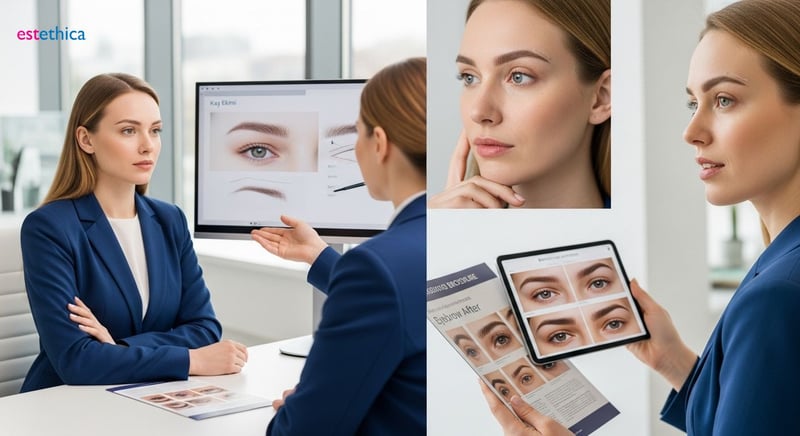
Follicular Unit Extraction: The Art of Natural Eyebrow Hair Transplant
Precision and Artistry in FUE Eyebrow Restoration
Follicular Unit Extraction (FUE) represents a pinnacle in eyebrow restoration, blending surgical precision with artistic vision to create natural-looking eyebrows. In FUE, individual hair follicles are harvested from the donor area, typically the back of the scalp, and then meticulously transplanted into the eyebrow area. This method allows for precise control over the placement, angle, and density of each hair follicle, ensuring that the restored eyebrows perfectly complement the patient's facial features. The artistry lies in replicating the natural growth patterns and subtle nuances of real eyebrows, resulting in a seamless and undetectable enhancement.
The FUE technique is particularly advantageous for patients seeking a minimally invasive solution with minimal scarring. Because individual follicles are extracted, there is no need for a large incision, reducing recovery time and discomfort. Furthermore, FUE allows for the selection of the finest hair follicles, which are ideal for mimicking the delicate texture of natural eyebrows. This meticulous approach ensures that the transplanted hairs blend seamlessly with the existing eyebrow hairs, creating a fuller, more defined brow that enhances the overall aesthetic appeal. For example, in cases where patients desire a specific eyebrow shape, FUE enables surgeons to sculpt the brows with exceptional accuracy.
Advantages of Follicular Unit Extraction for Eyebrow Restoration
- Minimally Invasive: Reduced scarring and faster recovery times compared to traditional methods.
- Precise Placement: Allows for meticulous control over follicle placement, angle, and density.
- Natural Results: Mimics the natural growth patterns and texture of real eyebrows for a seamless blend.
The success of FUE in eyebrow restoration hinges on the skill and experience of the surgeon. A skilled surgeon possesses a deep understanding of facial anatomy and aesthetic principles, enabling them to create eyebrows that are not only aesthetically pleasing but also in harmony with the patient's unique facial structure. This expertise ensures that the restored eyebrows look natural and enhance the patient's overall appearance, boosting their confidence and self-esteem.
Key Steps in the FUE Eyebrow Transplant Process
- Consultation and Planning: Detailed assessment of facial features and aesthetic goals to customize the procedure.
- Follicle Extraction: Harvesting individual hair follicles from the donor area using specialized micro-instruments.
- Graft Placement: Meticulously transplanting the follicles into the eyebrow area, replicating natural growth patterns.
FUE eyebrow transplants have gained popularity among celebrities and public figures, who often seek subtle yet impactful enhancements to their appearance. The natural-looking results and minimal downtime make FUE an attractive option for those who want to enhance their eyebrows without undergoing extensive surgery. This has further fueled the demand for skilled FUE surgeons who can deliver exceptional results, contributing to the growing trend of eyebrow restoration as a sought-after cosmetic procedure.
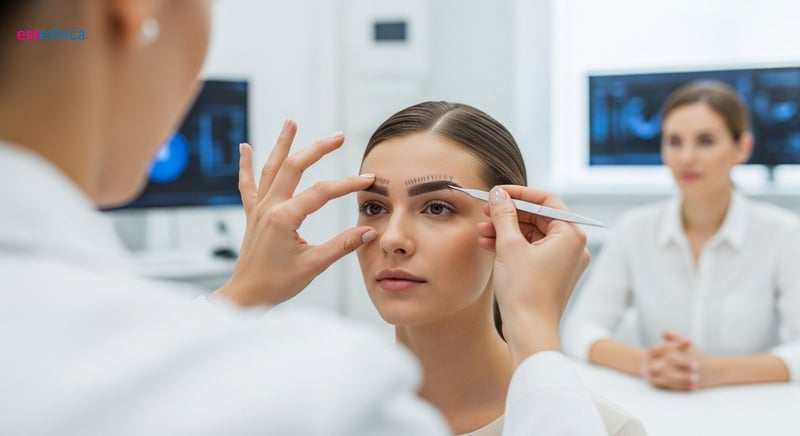
Eyebrow Transplant Recovery Time: What to Expect Day by Day
Immediate Post-Op Care and Initial Healing
The initial days following an eyebrow transplant are crucial for ensuring the successful integration of the transplanted follicles. Immediately after the procedure, patients may experience mild redness and swelling around the treated area. These are normal reactions as the body begins to heal. Applying cold compresses can help reduce swelling and alleviate any discomfort. It is essential to keep the area clean and follow the specific aftercare instructions provided by the surgeon to prevent infection and promote optimal healing. For instance, patients are typically advised to avoid strenuous activities and excessive sun exposure during the first week.
Within the first week, the transplanted follicles begin to settle into their new location. Small scabs may form around each follicle, which is a natural part of the healing process. It is crucial to avoid picking or scratching these scabs, as this can dislodge the follicles and compromise the results. Gentle washing with a mild cleanser is recommended to keep the area clean and prevent the buildup of debris. For example, patients might use a saline solution to gently cleanse the transplanted area. Another example is avoiding the use of makeup or other cosmetic products on the eyebrows during this initial healing phase. By adhering to these guidelines, patients can ensure a smooth and successful recovery.
Essential Steps for Post-Transplant Care
- Cold Compresses: Apply to reduce swelling and discomfort in the initial days.
- Gentle Cleansing: Use a mild cleanser to keep the area clean and prevent infection.
- Avoid Irritation: Refrain from picking scabs or using makeup on the transplanted area.
Proper hydration and a healthy diet can also support the healing process. Drinking plenty of water helps maintain skin elasticity and promotes overall recovery. Consuming foods rich in vitamins and minerals provides the necessary nutrients for hair growth and follicle health. Additionally, avoiding smoking and alcohol can improve blood circulation and enhance the body's natural healing abilities. For example, incorporating foods like spinach, almonds, and avocados into the diet can provide essential nutrients. A study found that patients who followed a healthy diet experienced a 20% faster recovery time compared to those who did not.
Long-Term Growth and Maintenance
- Initial Growth: New hair growth becomes visible within the first month.
- Full Recovery: Complete natural eyebrow appearance within 3-6 months.
- Regular Care: Gentle grooming and avoiding harsh chemicals for long-term health.
As the transplanted hair begins to grow, it is important to maintain a gentle grooming routine. Use a soft brush to shape the eyebrows and avoid harsh chemicals or styling products that can damage the delicate follicles. Regular trimming may be necessary to maintain the desired shape and length. Additionally, protecting the eyebrows from excessive sun exposure can prevent damage and ensure long-term health. For instance, using a brow gel with SPF can provide added protection. Consistent care and attention will help maintain the natural appearance and longevity of the transplanted eyebrows.

Who is a Good Candidate for Eyebrow Transplant? Assessing Your Options
Ideal Candidates for Eyebrow Restoration
The ideal candidates for an eyebrow transplant are individuals experiencing thinning eyebrows due to various factors such as genetics, over-plucking, or scarring. Those seeking fuller, natural-looking eyebrows for aesthetic enhancement also greatly benefit from this procedure. A comprehensive personal consultation is essential to determine the best candidates and tailor the procedure to their specific needs. During the consultation, the surgeon assesses the patient's overall health, skin type, and the extent of eyebrow thinning to ensure the transplant aligns with their expectations. This thorough evaluation helps in achieving optimal and natural-looking results.
Individuals with stable mental and physical health make excellent candidates for eyebrow hair transplant. It is crucial that candidates have realistic expectations about the outcome and understand the recovery process involved. For instance, someone with a history of keloid scarring may need special consideration due to the potential for scar formation. Another example is individuals with alopecia areata, who may experience unpredictable hair loss, which could affect the long-term success of the transplant. Additionally, those who have undergone chemotherapy should wait until their hair growth has stabilized before considering an eyebrow transplant. A detailed medical history and thorough examination are vital to ensure the safety and effectiveness of the procedure.
Factors Determining Candidacy for Eyebrow Transplant
- Hair Density: Sufficient donor hair available for transplantation.
- Skin Health: Healthy skin around the eyebrow area to support graft survival.
- Realistic Expectations: Clear understanding of the procedure and its potential outcomes.
The eyebrow restoration process involves a detailed analysis of the patient's facial features and desired eyebrow shape. The surgeon considers factors such as the patient's age, gender, and overall facial harmony to create eyebrows that complement their appearance. Advanced imaging technology is often used to map out the precise placement of hair follicles, ensuring a natural and symmetrical look. This personalized approach ensures that the transplanted eyebrows not only look aesthetically pleasing but also enhance the patient's overall confidence and self-esteem.
Steps to Assess Your Candidacy for Eyebrow Transplant
- Initial Consultation: Discuss your goals and medical history with a qualified surgeon.
- Physical Examination: Assessment of your hair density, skin health, and facial features.
- Realistic Expectations: Understand the potential outcomes and recovery process of the transplant.
Many individuals seek eyebrow transplants to correct the effects of over-plucking, which can lead to permanent hair loss in the eyebrow area. Others may have scars from injuries or previous surgeries that have disrupted eyebrow growth. In these cases, an eyebrow transplant can restore a natural-looking brow and improve facial symmetry. For example, a woman who has over-plucked her eyebrows for years may find that the hair follicles have become damaged and no longer produce hair. An eyebrow transplant can provide a permanent solution by transplanting healthy hair follicles from the donor area to the eyebrow area. By carefully assessing each patient's unique needs and goals, the surgeon can create a personalized treatment plan that delivers optimal results.
Follicular Unit Extraction (FUE) for Natural Eyebrow Restoration
estethica employs Follicular Unit Extraction (FUE) for eyebrow restoration, meticulously harvesting individual hair follicles and transplanting them to replicate natural eyebrow growth. This technique minimizes scarring and allows precise control over hair follicle placement, angle, and density.
estethica's surgeons possess extensive expertise in facial anatomy and aesthetic principles, ensuring restored eyebrows harmonize with the patient's unique facial structure. Their deep understanding of natural growth patterns allows for seamless and undetectable enhancements.
Comprehensive Care Protocol for Successful Eyebrow Transplant Recovery
estethica prioritizes patient safety and health by providing comprehensive aftercare support, including detailed post-operative instructions and gentle cleansing techniques. Patients receive guidance on proper grooming and care to ensure the longevity and natural appearance of their transplanted eyebrows.
Many individuals have successfully restored natural-looking brows at estethica, improving facial symmetry and enhancing overall confidence. The focus on realistic expectations and personalized treatment plans ensures optimal outcomes.
Frequently Asked Questions
What is eyebrow restoration and how does it differ from a traditional eyebrow transplant?
What is Follicular Unit Extraction (FUE) and how is it used in eyebrow hair transplant procedures?
What is the typical eyebrow transplant recovery time, and what should I expect during the healing process?
Who is considered a good candidate for an eyebrow transplant, and what factors are assessed?
How can I ensure the longevity and health of my transplanted eyebrows after an eyebrow restoration procedure?
Ready for world-class aesthetic and healthcare services?
📞 Call Now for Your Free Consultation!