


Learn about eye bags removal surgery, including causes, surgical techniques at estethica Global, and recovery expectations for effective eye rejuvenation.
Eye bags removal surgery, also known as lower blepharoplasty, is an oculoplastic procedure designed to reduce infraorbital bulging by addressing prolapsed fat and excess skin. This intervention aims to restore a smoother transition between the lower eyelid and the cheek, effectively addressing concerns related to periorbital rejuvenation. Understanding the underlying causes and procedural options is essential for individuals considering this aesthetic enhancement.
Understanding the Causes of Persistent Under Eye Bags
Persistent puffiness beneath the eyes often stems from complex anatomical shifts in the periorbital region as the body matures. According to clinical research, these under eye bags manifest when the delicate tissue structures and muscles responsible for supporting the eyelids begin to weaken over time1. This structural decline allows sagging skin and fat deposits, which are typically contained within the orbital cavity, to migrate into the space directly beneath the eyes1.
Fluid retention frequently complicates this structural change, creating a noticeable increase in swelling that often fluctuates throughout the day. Dietary habits, such as high sodium intake, and insufficient sleep cycles are common triggers that exacerbate this fluid accumulation in the infraorbital area1. When patients consult with specialists at estethica Global, these lifestyle factors are analyzed alongside anatomical assessments to determine the most effective approach for addressing persistent concerns.
Mechanisms of Periorbital Fat Herniation
The orbital septum functions as a vital barrier that secures fat pads within the eye socket, but this membrane naturally loses its elasticity as part of the aging process. Once this barrier weakens, periorbital fat herniation occurs, leading to the protrusion of tissue that defines the appearance of eye bags. While surgery remains a definitive solution for those seeking eye bags removal, conditions like thyroid eye disease or chronic dermatitis should always be ruled out by a qualified oculoplastic surgeon at estethica Global to ensure the underlying cause is addressed safely1.
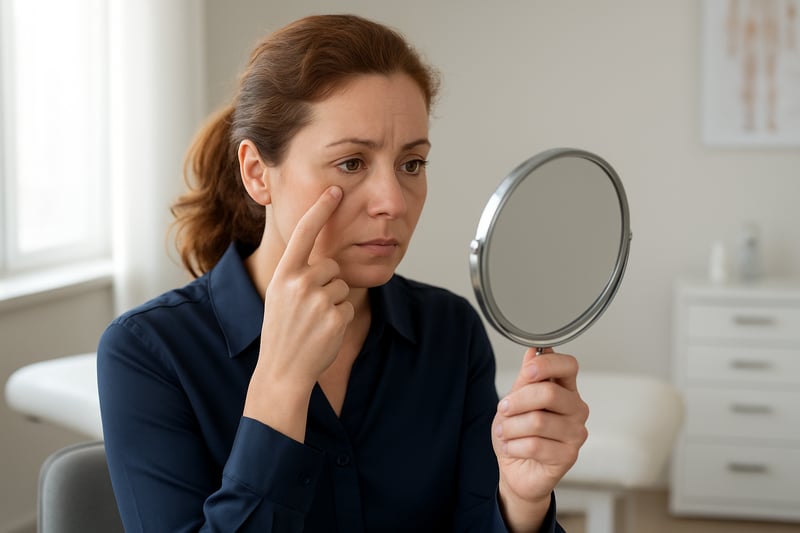
thorough Guide to Blepharoplasty at Estethica Global
At estethica Global, the approach to eye bags removal surgery prioritizes surgical precision and patient safety to address the underlying causes of orbital puffiness. Tissue structures and muscles supporting the eyelids naturally weaken over time, which often leads to the migration of orbital fat into the lower eyelid area1. By conducting a personalized assessment, the medical team at estethica Global tailors the surgical plan to the specific anatomical needs of each guest, ensuring that the results match individual facial structures.
The transconjunctival method employed at estethica Global involves an incision made inside the lower eyelid, which eliminates visible external scarring for the patient. This technique is highly effective for those who primarily require fat repositioning or excision without the need for significant skin removal. When patients present with excess loose skin, the surgical team may use a transcutaneous approach, allowing for the precise excision of redundant tissue to achieve a smooth and rejuvenated contour.
The Role of Eyelid Fat Repositioning
Surgeons at estethica Global often choose to reposition prolapsed adipose tissue into the tear trough deformity rather than performing simple excision. This specialized technique creates a smooth transition between the eyelid and the cheek, preventing the hollow appearance that can occasionally occur if excessive fat is removed. By focusing on maintaining volume in the appropriate areas, the procedure ensures a natural look that respects the patient's unique facial anatomy and long-term aesthetic goals.
Comparing Surgical Lower Blepharoplasty and Non-Surgical Alternatives
Eye bags often develop when the tissue structures and muscles supporting the eyelids weaken, causing fat that naturally resides around the eye to shift into the lower eyelid region1. While aging, genetics, and lifestyle factors like fluid retention or lack of sleep contribute to this puffiness, surgical lower blepharoplasty remains the primary method for addressing the structural displacement of these fat pads. estethica Global surgeons perform this procedure by precisely removing or repositioning the protruding fat to restore a smooth contour to the under-eye area, providing a long-term solution for those seeking a permanent aesthetic improvement.
Non-surgical treatments focus on masking the appearance of eye bags rather than correcting the underlying anatomical cause. Dermal fillers can temporarily fill the tear trough depressions adjacent to the bags, while laser resurfacing and chemical peels improve skin elasticity and texture to minimize the prominence of sagging skin. These procedures at estethica Global are often chosen by patients who prefer minimal downtime, though the results are temporary and require regular maintenance sessions to sustain the desired look.
Treatment Comparison Matrix
| Name | Key Features | Pros | Cons |
|---|---|---|---|
| Lower Blepharoplasty | Surgical fat removal/repositioning | Definitive, long-term results | Requires surgical recovery time |
| Tear Trough Filler | Hyaluronic acid volume replacement | Instant results, no incisions | Temporary; risks of swelling |
| Laser Resurfacing | Collagen-stimulating energy beams | Improves skin tone and texture | Limited impact on heavy fat pads |
| Chemical Peel | Controlled chemical skin exfoliation | Addresses fine lines and pigment | Does not correct structural herniation |
Choosing the right approach depends on whether the patient's concerns are primarily related to skin quality or structural fat herniation. A professional consultation at estethica Global helps identify if a patient is a candidate for surgery or if non-invasive modalities can achieve their aesthetic goals. Patients should be aware that while lifestyle adjustments can help manage fluid retention, they rarely eliminate the structural changes caused by aging or genetics1.
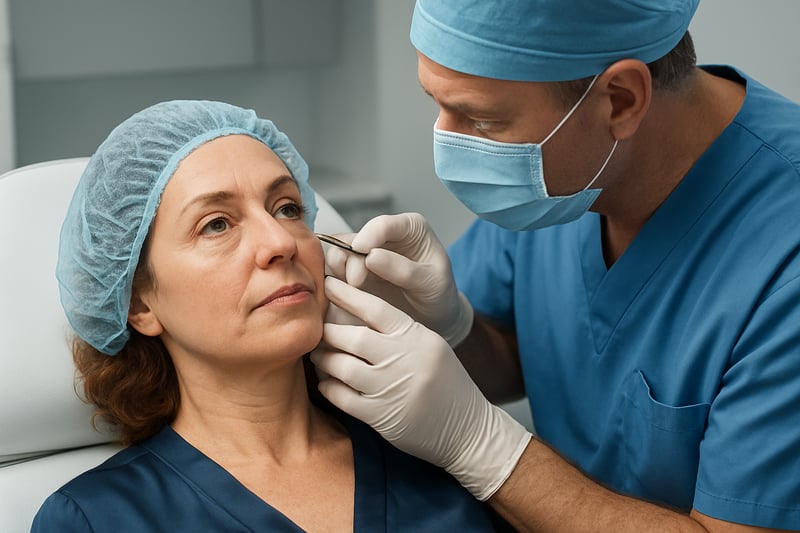
Expected Recovery Timeline and Post-Operative Care Tips
Blepharoplasty recovery involves a structured healing phase where tissues stabilize after the removal of excess skin or fat. Patients typically observe the most significant swelling and bruising within the first 48 to 72 hours, which is a normal response as the body reacts to the surgical intervention. According to clinical observations, bags under the eyes often stem from weakened muscle and tissue structures that allow fat to shift into the lower eyelid area, so the procedure effectively addresses these underlying anatomical changes1.
Adhering to post-operative protocols provided by estethica Global is essential for minimizing downtime and ensuring optimal aesthetic results. During the first week, keeping the head improve while resting and applying cold compresses helps manage inflammation and promotes faster tissue recovery. Avoiding strenuous physical exertion and activities that increase blood pressure prevents unnecessary strain on the healing incision sites, which is vital during the initial days of the recovery process.
Long-Term Healing and Maintenance
Final results from eye bags removal surgery become increasingly apparent as residual swelling dissipates over several weeks. Patients should protect the delicate skin around the eyes from direct sunlight and environmental stressors to ensure the incision lines heal discreetly. Regular follow-up consultations with the medical team at estethica Global allow for continuous monitoring of the healing progress, ensuring that the results match individual aesthetic goals and long-term facial rejuvenation expectations.
Evaluating Patient Reviews and Long-Term Results for Eye Rejuvenation
Patient testimonials often highlight how eye bags removal surgery drastically improves facial harmony by addressing the structural weakening of eyelid muscles and supporting tissues1. Individuals choosing estethica Global frequently report a revitalized, alert appearance that persists long after the initial recovery period. Clear communication during the preoperative phase remains essential to ensure that aesthetic goals match the anatomical realities of the periorbital area.
Long-term success relies on the surgeon’s precision in repositioning or removing fat deposits that contribute to persistent puffiness and under eye bags. While the procedure effectively corrects existing volume issues, patients should remain aware that the natural aging process and factors like fluid retention or genetics will continue to influence skin elasticity over time1. Ongoing maintenance and a healthy lifestyle help preserve the surgical improvements achieved through professional oculoplastic intervention.
Professional Oversight and Long-Term Care
Selecting a qualified oculoplastic surgeon at estethica Global ensures that specific concerns, such as tear trough deformities or skin laxity, are addressed with specialized techniques. thorough consultations allow practitioners to evaluate whether a patient’s condition is purely structural or exacerbated by external triggers like allergies or medical conditions1. By prioritizing clinical expertise and personalized surgical plans, patients achieve more predictable and lasting aesthetic outcomes.

Surgical Techniques and Procedural Methodology
Patient Care, Recovery, and Realistic Expectations
Frequently Asked Questions
Who is not considered a suitable candidate for eye bags removal surgery?
What preparation steps are required before undergoing eyelid fat repositioning?
How long is the typical recovery period following eye bags removal surgery?
Is it a common misconception that blepharoplasty completely eliminates all wrinkles around the eyes?
What is the primary difference between surgical eye bags removal and non-surgical fillers?

Ready to Refresh Your Look?
Get a personalized assessment from our oculoplastic specialists to see if lower blepharoplasty is right for you.
References
Superscript numbers in the content correspond to the references listed below.
- Mayo Clinic — Bags under eyes - Symptoms and causes