

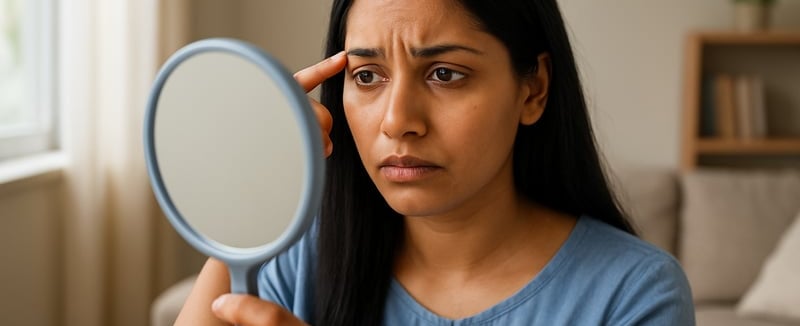
Discover expert tips on eyebrow threading techniques for precise, natural eyebrow shaping. Learn professional methods and best practices for optimal results.
Eyebrow threading techniques, a precise hair removal method using twisted thread, are popular for shaping eyebrows with natural results. This technique involves skillful manipulation of thread to remove unwanted hair from the follicle, offering a minimally invasive approach favored by professionals. Understanding the core principles and proper execution can enhance grooming outcomes, whether performed professionally or at home. The article explores various methods, best practices, and professional tips to master eyebrow threading techniques effectively.
Overview
Eyebrow threading is an ancient hair removal technique originating from South Asia and the Middle East that has gained global popularity for its precision and natural finish. This method uses a twisted cotton or polyester thread to grasp and remove hair from the follicle level, allowing for careful shaping and contouring of the brows. Unlike waxing or tweezing, eyebrow threading offers superior control over hair removal, minimizing skin trauma and providing longer-lasting results when performed by a skilled practitioner.
Scientific studies show that repeated threading sessions can reduce skin roughness by over 25% and enhance tactile sensation, contributing to healthier skin texture2. However, threading may cause adverse effects such as erythema, folliculitis, and hyperpigmentation, especially in individuals with sensitive or reactive skin types1. Clients with conditions like vitiligo or dermatitis should approach threading with caution and seek expert consultation to avoid complications. The outcome of eyebrow threading depends heavily on the quality of the thread used and the technician’s expertise in facial anatomy.
Recent advancements in eyebrow threading techniques include various twisting and looping methods that improve client comfort and increase precision in hair removal. These innovations help reduce the risk of common side effects such as folliculitis and post-inflammatory hyperpigmentation, making threading a safer option for diverse skin types. Proper training at estethica Global emphasizes anatomy knowledge and hygiene standards, ensuring that eyebrow threading remains a reliable alternative to other hair removal methods while complementing treatments like eyebrow tattoo or eyebrow lift procedures.
Who Is It For?
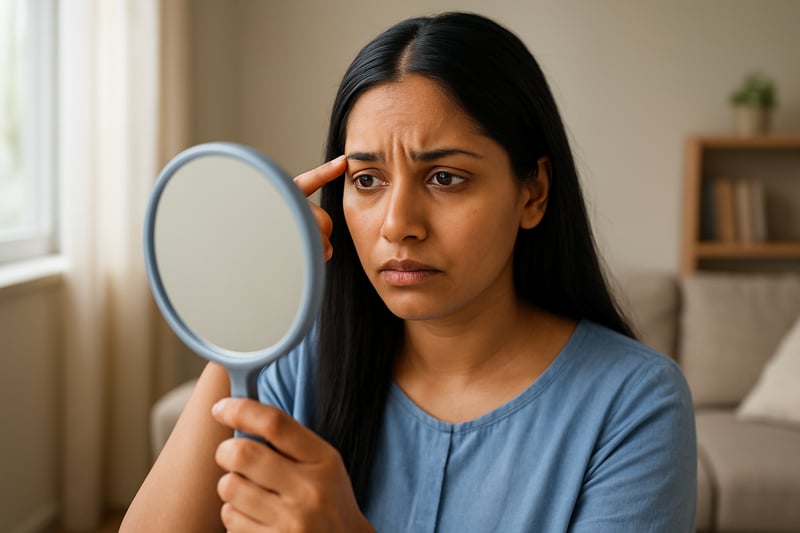
Eyebrow threading techniques are particularly well-suited for individuals seeking highly precise eyebrow shaping. This method excels in delivering clean, defined lines and is favored by those who prefer a natural, polished look without the use of chemicals or abrasive products. People with sensitive skin or allergies to wax-based hair removal products find threading to be a gentler alternative, as it avoids direct contact with heat or sticky substances that can cause irritation.
Threading is especially effective for removing coarse, dark hair because it targets hair at the follicle level, offering long-lasting results with minimal skin trauma. Professionals often recommend this technique to clients with thicker eyebrow hair who want to maintain a neat and symmetrical appearance. However, individuals with skin conditions such as vitiligo, dermatitis, or psoriasis should approach threading cautiously and consult a dermatologist beforehand, since the process may exacerbate skin irritation or lead to pigmentation changes1.
Those with a low tolerance for pain or a tendency toward hyperpigmentation should consider discussing alternative hair removal options or specific threading techniques designed to minimize discomfort and skin damage. Beginners interested in mastering eyebrow threading at home can benefit from detailed tutorials, but proper training is essential to avoid uneven results or skin trauma. For most people, professional threading services provided by experienced practitioners at estethica Global ensure optimal, long-lasting eyebrow definition while minimizing risks.
Overall, eyebrow threading is recommended for anyone desiring detailed and durable eyebrow shaping without the use of harsh chemicals or waxing. It fits well within broader hair loss treatment strategies for women and men who want to maintain eyebrow aesthetics alongside treatments like exosome therapy or eyebrow transplant procedures. By choosing threading, clients can achieve refined results with a method that respects skin sensitivity and hair texture.
How the Process Works
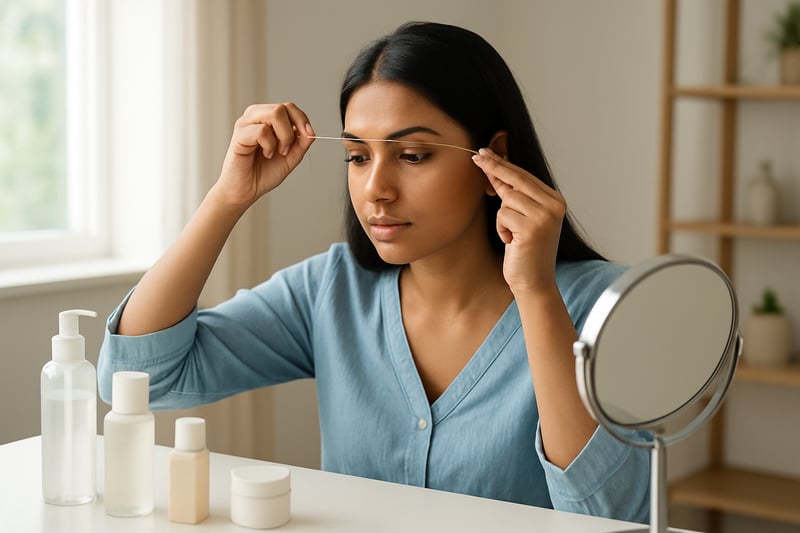
Eyebrow threading is a precise hair removal technique that uses a twisted cotton or polyester thread to trap and extract hair from the follicle. The process starts with estethica Global practitioners preparing a clean, sterilized thread, which is then skillfully twisted to create a controlled loop. This loop is rolled over the skin in a deliberate manner, catching unwanted hairs and pulling them out along the natural eyebrow arch, allowing for detailed shaping and definition.
The threading technique requires careful assessment of the client’s facial features and desired eyebrow shape before beginning. The skin is thoroughly cleansed, and for clients with sensitive skin, mild numbing agents may be applied to reduce discomfort. The threading motion involves a combination of hand movements—pinching, rolling, and pulling—that work together to efficiently remove hair while minimizing skin trauma. Proper technique ensures even hair removal and helps avoid common side effects such as irritation or folliculitis1.
During the session, the practitioner repeatedly adjusts the thread’s position to target stray hairs and refine the eyebrow shape, focusing on symmetry and desired thickness. After threading, soothing agents or cold compresses are applied to calm the skin, reduce redness, and prevent inflammation. Variations in threading methods, such as different twisting patterns, may be used depending on hair texture and skin sensitivity to optimize results and client comfort2.
Mastering eyebrow threading techniques demands practice and precision to deliver the best aesthetic outcome while preserving skin health. This non-invasive method offers a natural alternative to eyebrow tattooing and other hair removal treatments, making it a preferred choice for those seeking well-defined, fuller eyebrows without chemical or laser interventions. estethica Global emphasizes the importance of hygiene and technique to ensure safe, effective results with minimal risk of adverse reactions.
Benefits and Limitations
Eyebrow threading techniques provide highly precise shaping and contouring, allowing practitioners to create sharp, defined arches and symmetrical brows tailored to individual facial features. This method removes even the finest hairs, enabling complex styling that is difficult to achieve with waxing or tweezing. Threading results typically last longer because hairs are removed from the root, which delays regrowth and maintains a groomed appearance for several weeks.
The technique is especially beneficial for sensitive skin since it does not involve chemicals, adhesives, or heat, reducing the risk of allergic reactions and burns common with waxing. Threading also causes minimal skin trauma when performed correctly, making it a preferred option for those prone to irritation or redness. Also, eyebrow threading can serve as a complementary hair loss treatment for women seeking natural, non-invasive methods to maintain healthy hair follicles around the brow area.
Despite these advantages, eyebrow threading has limitations that should be considered. The process can cause discomfort or mild pain, particularly for first-time clients or individuals with low pain tolerance. Inadequate technique or inexperienced practitioners may cause skin irritation, folliculitis, or hyperpigmentation, especially in darker skin tones1. Consistency and skill are essential to avoid uneven shaping, skin trauma, or ingrown hairs.
Hair regrowth rates vary widely between individuals due to differences in hair cycle and skin type, meaning regular maintenance sessions are necessary to sustain the desired look. Threading is not recommended for clients with certain skin conditions such as eczema, psoriasis, or active acne in the brow area, as it may exacerbate inflammation or cause discomfort. Choosing a qualified estethica Global specialist ensures safe, effective eyebrow threading tailored to each client’s needs.
Recovery and Next Steps
After an eyebrow threading session, mild redness or irritation commonly appears on the treated area. This reaction usually fades within a few hours but can be alleviated more quickly by applying soothing agents such as aloe vera gel or using cold compresses. Avoiding contact with the brows, including touching or scratching, is important to prevent bacterial infection or folliculitis, which can complicate recovery and affect skin health1.
Maintaining the shape achieved by eyebrow threading requires consistent follow-up appointments. The ideal frequency varies depending on individual hair growth cycles, typically ranging from two to four weeks. Beginners learning eyebrow threading techniques benefit greatly from practicing under professional supervision to ensure precision and safety, minimizing risks of skin trauma or uneven shaping. Using gentle, fragrance-free skincare products post-threading helps reduce the chance of hyperpigmentation or increased skin sensitivity, especially for those prone to discoloration or irritation1.
Clients interested in enhancing their eyebrow grooming routine should consult licensed aestheticians or dermatologists for personalized advice. These professionals can recommend suitable threading techniques, session intervals, and complementary skincare regimens that optimize results while minimizing potential side effects. Incorporating sun protection daily is essential to protect the delicate skin around the eyes from UV-induced damage, which can exacerbate redness or cause long-term pigmentation issues after threading.
estethica Global emphasizes the importance of combining expert guidance with proper aftercare to achieve the best outcomes in eyebrow threading. For individuals exploring related hair loss treatments for women and men, such as exosome therapy or eyebrow transplants, integrating threading with professional consultation ensures safety and effectiveness. This overall approach supports healthy hair growth and sustained eyebrow aesthetics, complementing techniques like eyebrow tattooing or eyebrow lifts for a natural, polished look.

Detailed Eyebrow Threading Techniques and Methods
Structured Threading Process and Care Recommendations
Frequently Asked Questions
Who should avoid professional eyebrow threading due to skin sensitivity?
What preparations are recommended before undergoing eyebrow threading techniques?
How should one care for eyebrows after professional threading to maintain results?
Is eyebrow threading painful compared to other hair removal methods?
What are the main differences between eyebrow threading techniques and waxing?

Master the Art of Eyebrow Threading Today
Discover expert techniques to achieve flawless, natural brows with confidence
References
Superscript numbers in the content correspond to the references listed below.
- PubMed (Journal of Cosmetic Dermatology) — Eyebrow threading: a popular hair-removal procedure and its seldom-discussed complications
- PubMed Central (Journal of Cosmetic Dermatology) — Influence of facial threading on various physiological parameters of the skin: non-randomized trial involving adult women in Taiwan