

Expert guidance on beard transplant procedures, focusing on realistic before and after results, how to choose the best surgeon, the science of hair follicles for beard growth, and understanding the cost of facial hair restoration.
Are you looking to achieve a fuller, more defined beard? A beard transplant offers a sophisticated solution for enhancing facial hair. This advanced procedure, performed by skilled specialists, helps individuals achieve their desired aesthetic with natural-looking results. Whether you're dealing with sparse growth, patchiness, or seeking to reshape your beard line, understanding the process, potential outcomes, and what to expect is crucial. This guide explores the intricacies of beard restoration, providing insights into what a beard transplant entails, the expertise of a beard surgeon, and the transformative before and after results you can achieve. Discover how modern facial hair transplant techniques can help you realize your grooming goals.Beard Implants Before and After: Real Results
One of the most compelling ways to understand the transformative power of a beard transplant is by examining the beard implants before and after results. These visual comparisons offer a clear and undeniable demonstration of the enhancements achievable through this advanced procedure. Potential candidates often spend hours poring over these images, seeking to gauge the skill of a prospective beard surgeon and to visualize their own future appearance. The impact of well-executed grafts is dramatic, showcasing a significant increase in beard density, a refined hairline, and an overall boost in masculine appeal.
Understanding the Visual Transformation
The journey from a sparse or patchy beard to a full, well-defined one is strikingly illustrated in these before and after galleries. The meticulous placement of hair follicles by a skilled beard surgeon ensures that the new growth integrates seamlessly with existing facial hair, creating a natural and authentic look. These transformations are not merely about adding volume; they are about restoring confidence and achieving the desired aesthetic. Whether the goal is to fill in gaps, create a more defined beard line, or achieve a fuller beard from scratch, the visual evidence speaks volumes about the potential outcomes of a successful beard transplant. Reviewing a diverse range of beard implants before and after cases allows individuals to set realistic expectations and understand the full spectrum of results, from subtle improvements to complete beard reconstructions.
Evaluating Success and Natural Integration
When evaluating beard implants before and after results, attention should be paid to the natural curvature and direction of the transplanted hairs. An expert beard surgeon understands that achieving a natural look requires not just dense coverage but also an understanding of facial anatomy and hair growth patterns. The best outcomes are those where the transplanted hair is indistinguishable from the original growth, contributing to a harmonious and masculine appearance. For those seeking a comprehensive overview of what to expect, delving into detailed guides like Beard Transplant: Expert Results & Restoration Guide can provide invaluable insights into the process and the artistry involved. Ultimately, these before and after transformations offer tangible proof of the effectiveness and artistry inherent in modern beard transplantation, providing hope and clear direction for individuals seeking to enhance their facial hair.
Best Beard Transplant Surgeon: Choosing Wisely
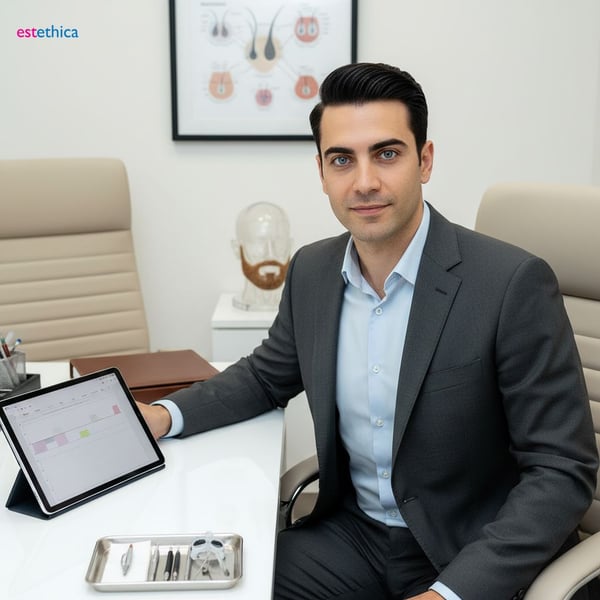
Selecting the right specialist for your beard enhancement procedure is a critical step towards achieving the desired aesthetic outcome. A proficient surgeon for beard procedures possesses not only a deep understanding of hair transplantation techniques but also a refined eye for facial harmony and symmetry. They should be adept at assessing your unique facial structure to design a natural-looking beard density and hairline that complements your features. When embarking on this journey, prioritize finding a practitioner who engages in thorough patient consultations. This initial meeting is vital for discussing the entire beard enhancement process, including potential risks, the expected timeline for recovery, and the projected results. A truly skilled beard surgeon will patiently address all your questions and concerns, ensuring you feel fully informed and confident.
Assessing a Surgeon's Expertise and Portfolio
A cornerstone of your decision-making process should be the examination of a surgeon's past work. Scrutinize their portfolio, paying close attention to beard implants before and after images. Look for consistency in the natural appearance of transplanted hair, the density achieved, and how well the new beard integrates with your existing facial hair. The goal is a seamless and authentic look. The most experienced specialists will demonstrate a track record of creating results that appear completely natural and are tailored to the individual's facial anatomy. Beyond visual evidence, consider the surgeon's credentials and the advanced technologies or methods they employ. Patient testimonials can also offer valuable insights into their overall bedside manner, the clinic's environment, and the satisfaction levels of previous patients. Remember, investing in a beard transplant is an investment in your appearance, making thorough research into potential providers absolutely essential. For further guidance on finding the right professional, consult our comprehensive guide, Beard Transplant: Your Expert Beard Surgeon Guide, which details what to look for in an expert beard surgeon.
Key Qualities of a Top Beard Transplant Specialist
When seeking a top-tier beard transplant professional, look beyond just technical skill. An exceptional beard surgeon will possess strong communication abilities, allowing them to clearly articulate the procedure's steps and expected results. They should also demonstrate a genuine commitment to patient satisfaction, evidenced by positive feedback and consistently high-quality outcomes. Reviewing numerous beard implants before and after galleries can provide a clear picture of their aesthetic judgment and surgical precision. A qualified practitioner will explain the nuances of graft placement to ensure a natural growth pattern and density that enhances your facial features without looking artificial. This meticulous approach ensures that your investment yields the most aesthetically pleasing and enduring results possible.
Facial Hair Transplant: How It Works
A facial hair transplant, often referred to as a beard transplant, is a sophisticated procedure designed to enhance the density and coverage of facial hair. This process involves the meticulous transplantation of individual hair follicles from a donor area, typically the back or sides of the scalp, to the desired facial regions such as the beard, mustache, or sideburns. The goal is to create a natural and robust appearance that complements the individual's features.
At the core of this procedure are advanced techniques like Follicular Unit Transplantation (FUT) and Follicular Unit Extraction (FUE). FUE is a minimally invasive method where individual follicular units, each containing one to four hairs, are carefully extracted from the donor site. FUT, on the other hand, involves removing a thin strip of scalp from which follicular units are then dissected. Both methods are employed by skilled practitioners to harvest the most suitable hair follicles for beard growth, ensuring they possess characteristics that align with natural beard hair in terms of thickness and texture.
The Transplantation Process
Once harvested, these vital hair follicles are prepared for implantation. The area designated for transplantation is numbed using local anesthesia, ensuring a comfortable experience for the patient throughout the procedure. The surgeon then precisely implants each follicular unit into tiny incisions made in the recipient area. The angle, depth, and direction of these incisions are crucial for achieving a natural-looking growth pattern and seamless integration with existing facial hair. This level of detail ensures that the results appear genuine and aesthetically pleasing. For those seeking further insight into achieving a fuller look, exploring resources like Beard Transplant: Expert Guidance for Fuller Facial Hair can provide comprehensive information.
Post-Procedure and Growth
Following the transplantation, the implanted follicles enter a dormant or resting phase. This is a normal part of the healing process, and new hair growth typically begins to emerge within two to three months. Over the subsequent months, the transplanted hairs will continue to grow, thicken, and mature, gradually revealing the full results of the procedure. The transplanted hair is permanent, meaning it will continue to grow throughout the individual's life, similar to natural scalp hair. A highly experienced beard surgeon will guide patients through the recovery process, ensuring optimal outcomes for this transformative treatment.
Key Differences: FUT vs. FUE
Hair Follicles for Beard: The Science Behind It
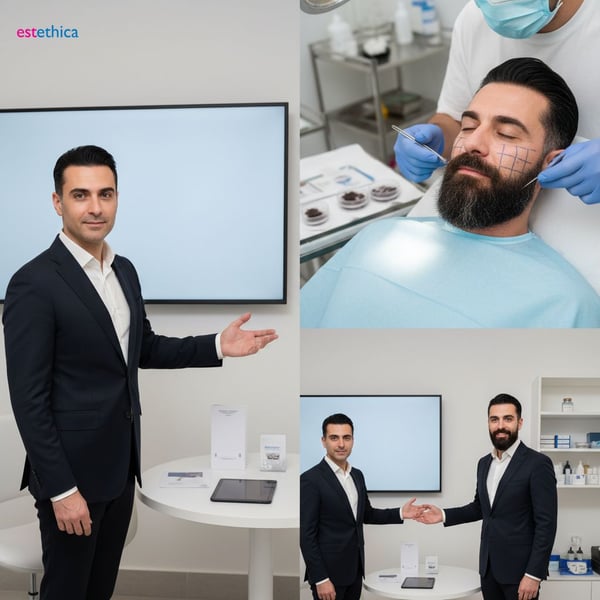
The success of any beard transplant procedure fundamentally relies on the careful selection and precise implantation of the right hair follicles. These follicles are not just any hairs; they are specifically chosen from donor areas that possess genetic traits making them resistant to typical balding patterns. This inherent resilience is crucial, as it ensures the transplanted hairs will continue to grow and thrive on the face, mimicking natural beard growth for enduring results. The most common donor site is the back of the scalp, where hair is genetically programmed for longevity.
Donor Hair Selection and Harvesting
Specialized surgical techniques are employed to harvest these vital hair follicles. The primary goal during this stage is to ensure the maximum viability of each follicle. Minimally invasive methods are preferred to reduce trauma to the donor area and to safeguard the health of the extracted follicular units. A skilled beard surgeon understands the delicate nature of these follicular units and employs techniques that preserve their structure and potential for growth. The number of grafts needed for a successful beard transplant can vary significantly. This is determined by the patient's desired density, the size of the area to be covered, and the natural thickness of their existing facial hair.
Implantation for Natural Appearance
Beyond just harvesting, the science extends to the art of implantation. The precise placement and angle of each transplanted follicle are paramount. This meticulous approach ensures that the new beard hairs grow in a direction and pattern that looks entirely natural. When considering a beard transplant, understanding these scientific principles provides assurance that the procedure leverages the body's own biological processes for optimal outcomes. Patients often seek out highly experienced professionals; for insights into choosing the right specialist, exploring advice from Beard Transplant: Expert Insights from a Top Beard Surgeon can be invaluable. The goal is to achieve results that are not only dense but also aesthetically pleasing, often showcased in compelling beard implants before and after comparisons.
The scientific approach ensures that the follicular units taken from the scalp integrate seamlessly with the facial skin. The healing process and the continued growth cycle of these transplanted follicles are key indicators of a successful procedure. A reputable beard surgeon will guide patients through every step, from initial consultation to post-operative care, emphasizing the biological mechanisms at play. Reviewing beard implants before and after images can provide a visual understanding of the transformative potential of this procedure when performed by a proficient beard surgeon.