


This content provides comprehensive information on beard transplant procedures, focusing on expert techniques, before-and-after results, and understanding the restoration process for achieving a fuller, more defined facial hair appearance.
Dreaming of a more robust, defined beard? A beard transplant offers a transformative solution for men seeking to enhance their facial hair density and style. This advanced procedure, performed by skilled surgeons, can help you achieve the fuller beard you've always wanted. Whether you're dealing with sparse patches, a lack of growth, or simply desire a more masculine appearance, understanding the process, results, and recovery is key. Explore how a facial hair transplant can redefine your look and boost your confidence, providing natural-looking results that last.Beard Implants Before & After: Witness the Transformation
The most compelling evidence for the efficacy of beard restoration procedures lies in the visual transformations. Examining beard implants before and after galleries provides a clear picture of the dramatic improvements patients can achieve. These visual comparisons are invaluable for anyone considering enhancing their facial hair. From sparse patches to a full, well-defined beard, the change is often remarkable, showcasing the power of modern hair transplantation techniques.
When prospective patients look at beard implants before and after images, they are not just seeing a change in hair density; they are witnessing a restoration of confidence and a redefined masculine aesthetic. A skilled beard surgeon meticulously plans and executes each graft placement. This precision ensures that the transplanted hairs integrate seamlessly with existing facial hair, creating a natural-looking result that is often indistinguishable from naturally grown beard. The goal is to craft a beard line that is both aesthetically pleasing and suits the individual's facial structure.
The Journey of Transformation
The path to a fuller beard through transplantation is a well-defined process. It typically begins with an in-depth consultation, where a qualified beard surgeon assesses the patient's facial structure, hair type, and desired outcome. This initial stage is crucial for setting realistic expectations and tailoring the procedure to individual needs. Following this, the procedure itself involves harvesting donor hairs, usually from the scalp, and carefully implanting them into the recipient areas on the face. A successful beard transplant requires not only technical skill but also an artistic eye.
Visible Results and Recovery
The recovery period following a beard transplant is a critical phase where the implanted follicles begin to establish themselves. While initial redness and minor swelling are common, these typically subside within a few days. Patients often begin to see new hair growth starting within a few months, with the final results becoming apparent over the course of a year. The 'after' photos consistently demonstrate a significant increase in both density and coverage, effectively addressing concerns about patchiness or a lack of fullness. This journey, guided by an expert beard surgeon, results in a rejuvenated appearance and a boost in self-esteem for many individuals. The visual evidence from a successful beard transplant truly speaks for itself, offering a tangible solution for those seeking a more robust beard.
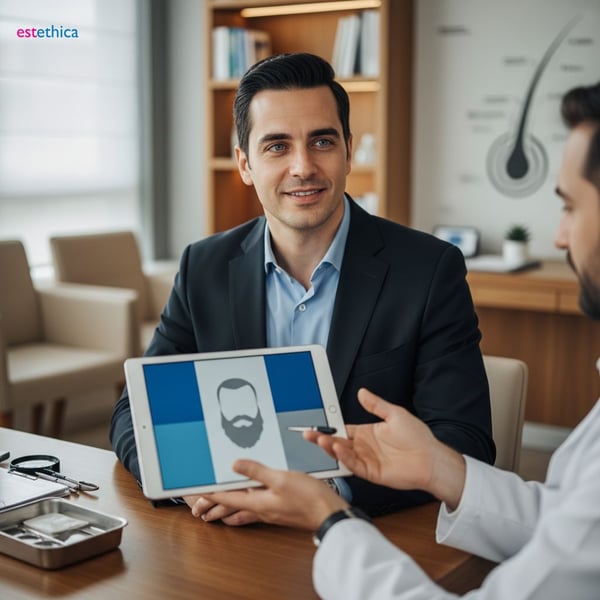
How to Get a Fuller Beard: Expert Techniques Explained
Achieving a naturally fuller beard is a common aspiration for many men. For those struggling with patchiness, thinning, or a lack of density, a surgical procedure known as a beard transplant has emerged as a highly effective solution. This advanced technique is performed by specialized surgeons who meticulously craft a more robust and aesthetically pleasing beard.
The fundamental principle behind a beard transplant involves harvesting healthy hair follicles from donor areas, typically the scalp or sides of the head where hair growth is dense and genetically resistant to thinning. These individual follicles are then carefully implanted into the recipient beard area. The success of this procedure hinges on the precision and artistic skill of the beard surgeon, who must understand natural hair growth patterns, angles, and densities to ensure the transplanted hair integrates seamlessly with existing facial hair. The goal is not just to add volume but to create a result that looks entirely natural, enhancing your unique facial features.
The Surgical Process and Recovery
The surgical process for a beard transplant is remarkably refined. Using techniques like Follicular Unit Extraction (FUE), surgeons can harvest individual follicular units with minimal trauma to the donor site. These units are then meticulously transplanted one by one into tiny incisions made in the beard area. The placement is critical; each follicle is oriented to mimic the natural direction and angle of surrounding beard hair. While the procedure itself is performed under local anesthesia, patients typically experience minimal discomfort. Post-operative care is straightforward, involving gentle cleansing and avoiding strenuous activity for a short period. Many patients are eager to see the results and often search for beard implants before and after images to visualize the transformation.
The recovery period allows the transplanted follicles to establish themselves. Initial shedding of the transplanted hairs is normal within the first few weeks, which is a sign of the follicles preparing for new, permanent growth. Real, visible results begin to emerge around 3-4 months post-procedure, with the full effect becoming apparent after 9-12 months. The journey to a fuller beard requires patience, but the long-lasting, natural-looking outcome makes the wait worthwhile. A skilled beard surgeon will guide you through every step, from consultation to the final reveal, ensuring a successful and satisfying outcome. The expertise of a dedicated beard surgeon is paramount in achieving the desired density and appearance through this transformative beard transplant.
Reviewing beard implants before and after photographs can provide a realistic preview of what to expect. It's important to remember that this isn't a quick fix but a permanent solution for achieving a fuller, more confident look. The meticulous nature of a beard transplant, guided by an experienced beard surgeon, ensures that the final result is a natural-looking and substantial beard that complements your features.
Facial Hair Transplant: Your Comprehensive Guide
Embarking on a journey to enhance your facial hair is a significant decision. A thorough understanding of the process is paramount to achieving your desired aesthetic. This guide aims to provide a comprehensive overview, covering every aspect from your initial consultation to the aftercare that ensures lasting results. We will explore the intricacies of what a beard transplant entails, detailing the primary methodologies employed by skilled practitioners.
Understanding the Procedure
The most common techniques utilized in facial hair transplantation are Follicular Unit Extraction (FUE) and Follicular Unit Transplantation (FUT). FUE involves harvesting individual hair follicles from a donor area, typically the back or sides of the head, and then meticulously implanting them into the areas requiring greater density. FUT, on the other hand, involves removing a strip of skin containing hair follicles, which are then dissected and transplanted. The choice of technique often depends on factors such as the extent of hair loss, the patient's individual characteristics, and the surgeon's expertise. A successful beard transplant is a collaborative effort between patient and specialist, focusing on natural-looking outcomes and patient satisfaction.
Several factors play a crucial role in determining the success and appearance of your facial hair enhancement. The availability and quality of donor hair are primary considerations. A skilled beard surgeon will assess this carefully during your consultation. Furthermore, the surgeon's experience and artistic approach significantly influence the density, pattern, and natural integration of the transplanted hair. The entire procedure is designed to offer a permanent solution for individuals concerned about sparse or absent facial hair. Understanding how long the beard transplant process typically lasts can also aid in managing expectations regarding recovery and the timeline for observing final results.
This procedure offers a viable and effective way to achieve a fuller, more defined beard, boosting confidence and refining one's appearance. The goal of a modern beard transplant is not just to add hair, but to create a natural and aesthetically pleasing enhancement that complements the individual's facial structure. With careful planning and execution, the results of a beard transplant can be transformative and long-lasting. The entire experience is centered around achieving a beard restoration that looks and feels completely natural.
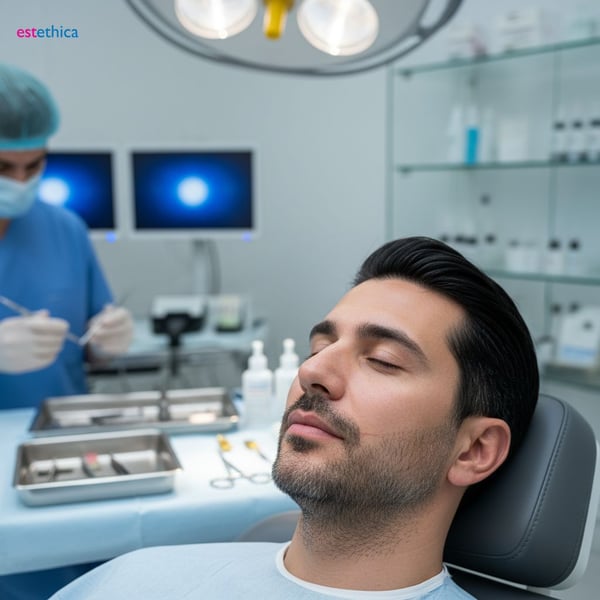
Sakal Ekimi: Understanding Beard Restoration Options
For men seeking to enhance the density and aesthetics of their facial hair, the procedure commonly referred to as sakal ekimi, or more globally as a beard transplant, offers a definitive and lasting solution. This advanced technique has gained significant traction worldwide, enabling individuals to achieve the fuller beard they desire. Unlike temporary fixes, a beard transplant provides permanent results by utilizing follicular units harvested from donor areas, typically the scalp or sides of the head, and meticulously transplanting them to areas of the face with sparse or absent growth. The process is deeply personalized, with skilled practitioners focusing on creating a natural-looking hairline and beard contour.
The Personalized Approach to Beard Transplantation
The journey toward a fuller beard begins with a thorough consultation. A reputable beard surgeon will assess your facial structure, existing hair density, and aesthetic goals. This crucial step allows the surgeon to design a tailored plan, mapping out the recipient areas and determining the optimal number of grafts required. The placement of each follicular unit is critical; it must mimic the natural direction and angle of existing beard hair to ensure a seamless and authentic appearance. Many men explore beard implants before and after photos to visualize the potential transformation, understanding that the skill of the beard surgeon directly impacts the final outcome. This meticulous attention to detail is what sets a successful beard restoration apart, ensuring that the results appear as natural as possible.
The Procedure and Recovery Insights
The surgical process itself is performed with precision, often utilizing techniques similar to those used for scalp hair transplantation. The donor hair is carefully extracted, and then individual follicular units are implanted into tiny incisions made in the beard area. While the procedure is minimally invasive, a recovery period is expected. Patients are usually advised on post-operative care to promote healing and optimal graft survival. Understanding the recovery timeline and following the surgeon's instructions are vital for achieving the best possible results. Many individuals find that reviewing beard implants before and after cases helps manage expectations regarding the recovery and the eventual maturation of the transplanted hair. Choosing an experienced beard surgeon is paramount for a successful and satisfying outcome, ensuring the aesthetic enhancement aligns with your personal style and expectations.
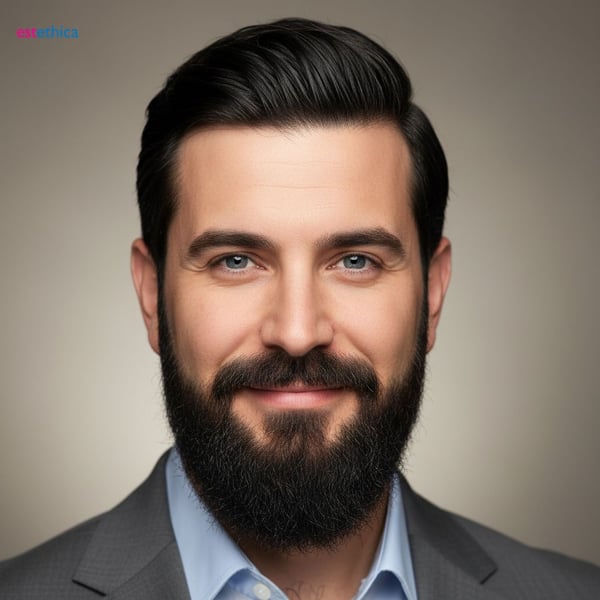
Expert Beard Transplantation: Advanced Techniques for Fuller Facial Hair
Our beard transplantation procedures leverage state-of-the-art Follicular Unit Extraction (FUE) and Follicular Unit Transplantation (FUT) methods to meticulously restore and enhance facial hair density. These advanced techniques ensure natural-looking results by carefully implanting individual follicular units into areas requiring increased fullness.
The expertise of our beard surgeons is paramount in achieving aesthetically pleasing and dense beard growth. They employ precise techniques, honed through extensive experience, to create a seamlessly integrated and natural appearance. This dedication to surgical excellence ensures optimal outcomes for every patient seeking improved beard aesthetics.
As specialists in facial hair transplantation, our team possesses deep knowledge of androgenetic alopecia and its impact on beard growth. We are committed to staying at the forefront of current beard transplant trends, continuously refining our methodologies to provide patients with the most effective solutions available for achieving a fuller beard.
Understanding the nuances of facial structure and hair growth patterns allows our surgeons to perform highly personalized beard restorations. We are dedicated to educating patients on all aspects of the procedure, ensuring they are fully informed and confident throughout their journey to enhanced facial hair.
Your Comprehensive Guide to Beard Restoration: Understanding the Procedure and Recovery
The path to a fuller beard through transplantation is a well-defined process, meticulously managed from consultation to recovery. We prioritize transparency, ensuring patients understand every step of their facial hair transplant journey.
The recovery period following a beard transplant is a critical phase where the implanted follicles begin to establish themselves. Our detailed post-operative care instructions are designed to facilitate optimal healing and ensure the long-term success of your beard restoration.
Embarking on a journey to enhance your facial hair is a significant decision, and we are committed to making it a trustworthy and rewarding experience. Our approach emphasizes personalized care, tailored to the unique needs and goals of each individual seeking to improve their beard's appearance.
Understanding the personalized approach to beard transplantation is key to achieving desired outcomes. We work closely with each patient, explaining the procedure, recovery insights, and what to expect, building trust through clear communication and demonstrated expertise in sakal ekimi and all forms of facial hair restoration.