


Discover the latest lifting techniques for fitness, emphasizing proper form and safety practices to enhance muscle gain and prevent injuries effectively.
Lifting techniques for fitness, proper methods to safely lift weights, are essential for maximizing results and preventing injuries. Mastering correct lifting form enhances muscle engagement, reduces strain, and promotes sustainable progress. This article explores the fundamentals of safe lifting practices, biomechanical principles, and practical tips to improve your weight training effectiveness.
Overview
Effective lifting techniques are fundamental to maximizing workout benefits while minimizing injury risks. Understanding the biomechanics of lifting involves recognizing how muscles activate and how load distribution affects the body. Proper posture and alignment during lifts help maintain spinal integrity and promote balanced muscle engagement, which supports strength gains and reduces undue stress on joints and connective tissues.
Controlled, deliberate movements combined with the correct use of equipment enhance safety and improve performance. Scientific guidelines emphasize lifting with the legs rather than the back to protect vulnerable areas such as the lumbar spine, with muscle stabilization around the core playing a critical role in injury prevention3. Also, adhering to recommended load limits and rest periods allows muscles to recover and grow effectively, reinforcing the importance of technique alongside training volume12.
Integrating proper lifting form into regular fitness routines builds a strong base for more advanced training and long-term health. Industry standards suggest that beginners focus on mastering technique before progressing to heavier weights, which not only supports muscle development but also preserves joint function and reduces the likelihood of strains or sprains. This methodical approach support consistent progress and helps maintain motivation by avoiding common setbacks associated with poor lifting habits.
Estethica Global recommends that individuals prioritize education on lifting mechanics and invest in quality coaching or guidance when starting a fitness program. Emphasizing technique over sheer load ensures sustainable strength improvements and a positive relationship with exercise. Such discipline in lifting practices is essential to achieving fitness success while protect overall musculoskeletal health.
Who Is It For?
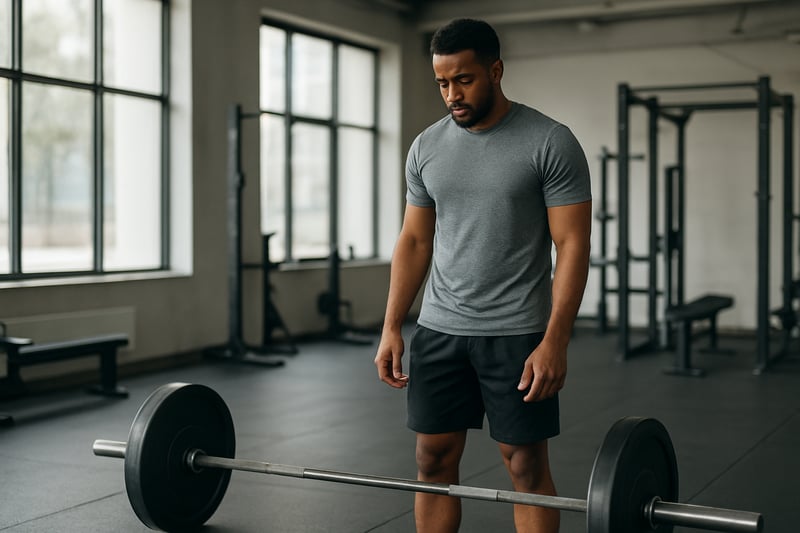
Effective lifting techniques are essential for a broad spectrum of individuals involved in weight training, ranging from beginners to elite athletes. Novices gain critical foundational knowledge that helps establish safe movement patterns early on, reducing the risk of injury and support long-term consistency. Proper guidance ensures that beginners avoid common mistakes such as improper form or excessive load, which can lead to setbacks or discouragement.
Experienced lifters and fitness enthusiasts benefit from refining their technique to enhance muscle activation, improve strength gains, and increase overall training efficiency. Advanced lifters often focus on biomechanical precision to target specific muscle groups more effectively while minimizing joint strain and overuse injuries. This attention to detail supports sustained progress and prevents plateaus in performance.
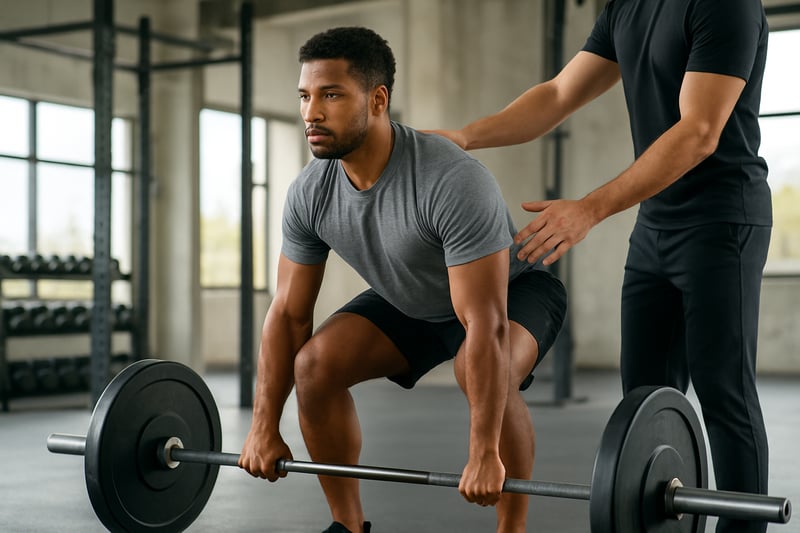
Individuals recovering from musculoskeletal injuries or those with chronic conditions require adapted and cautious lifting protocols. Tailored approaches accommodate physical limitations and emphasize safety, allowing rehabilitation or maintenance of strength without exacerbating underlying issues. Personal trainers and coaches play a key role in correcting form and customizing lifting strategies to optimize results while protect vulnerable joints and tissues.
Also, lifting techniques are universally beneficial for people pursuing diverse fitness goals, including muscle gain, weight loss, and improved endurance. Proper form not only enhances workout effectiveness but also contributes to injury prevention, making it a critical component for anyone committed to physical health. Consulting professionals ensures that specific needs, such as those related to health conditions or physical restrictions, are addressed appropriately13.
Fundamentals of Safe and Effective Weight Lifting Techniques
Structured Guidance for Consistent Progress and Injury Prevention
Frequently Asked Questions
Who should avoid certain lifting techniques for fitness success?
What preparatory steps should one take before starting weight lifting?
How can one maintain progress and avoid injury after mastering lifting techniques?
Is it true that lifting heavier weights always leads to better fitness results?
What are some alternatives to traditional weight lifting for enhancing fitness?

Master Safe Lifting for Lasting Fitness Gains
Discover expert tips to boost your workouts and prevent injuries today
References
Superscript numbers in the content correspond to the references listed below.
- Mayo Clinic — Weight training: Do's and don'ts of proper technique
- Harvard Health — 8 tips for safe and effective strength training
- National Institutes of Health (NIH) / Office of Research Services (ORS) — Back Health